Destined to be Caught in a Snare, how this Prophecy is to be Fulfilled: And notice a Composite Message of Sweetness and Bitterness! “You only have I known of all the families of the earth; therefore I will punish you for all your iniquities” Amos 3:2
An alleged multistate human trafficking ring forcing immigrant women into prostitution. The mysterious killing of a former police officer in South Florida. Attacks against police officers in New York. The arrest of a drug dealer in Chicago.
Local and federal officials say these apparently unrelated crimes have a common denominator: Tren de Aragua, a transnational criminal gang that originated in a Venezuela prison and has slowly made its way south and north in recent years. They say it’s now operating in the United States. The scale of its operations is unknown, but crimes attributed to alleged members of the gang have worried elected officials and some Republican members of Congress have asked the Biden administration “to formally designate the vicious Tren de Aragua as a Transnational Criminal Organization.”
For several years, the criminal group has terrorized South American countries, including Venezuela, its country of origin, as well as Bolivia, Colombia, Chile and Peru. Retired general Óscar Naranjo, a former vice president of Colombia and chief of the Colombian National Police, told CNN Tren de Aragua is “the most disruptive criminal organization operating nowadays in Latin America, a true challenge for the region.”
‘Watch out for this gang’
Tren de Aragua adopted its name between 2013 and 2015 but begun operations years before, according to a report by Transparency Venezuela. “It has its origin in the unions of workers who worked on the construction of a railway project that would connect the center-west of the country and that was never completed” in both Aragua and Carabobo states.
The group’s leadership, according to the report, operated out of the notorious Tocorón prison, which they controlled. When Venezuelan officials raided it last September, they found a swimming pool and several restaurants inside the prison walls, in addition to weapons seized from inmates, including automatic rifles, machine guns and thousands of rounds of ammunition.
A view of a gate of the Tocorón prison in Tocorón, Aragua state, Venezuela
By 2015, a former Venezuelan law enforcement official told CNN, “They were already in their prime.” That year they forged an alliance with Primeiro Comando da Capital, a Brazilian criminal organization. It was only a matter of time before they would extend their tentacles throughout South America.
In Colombia, Tren de Aragua, and a rival guerrilla group known as the National Liberation Army, “operate sex trafficking networks in the border town of Villa del Rosario in the Norte de Santander department. These groups exploit Venezuelan migrants and internally displaced Colombians in sex trafficking and take advantage of economic vulnerabilities and subject them to debt bondage,” according to the US State Department 2023 Trafficking in Persons Report about Colombia. Police in the region say the organization has victimized thousands through extorsion, drug and human trafficking, kidnapping and murder.
Now, US Customs and Border Protection and the FBI say the gang is established in the US.
“They have followed the migration paths across South America to other countries and have set up criminal groups throughout South America as they follow those paths, and that they appear to follow the migration north to the United States,” Britton Boyd, an FBI special agent in El Paso, Texas, told CNN said.
US Border Patrol chief Jason Owens, who has confirmed multiple arrests at the southern border of alleged Tren de Aragua members over the last year, issued a warning in early April. “Watch out for this gang. It is the most powerful in Venezuela, known for murder, drug trafficking, sex crimes, extortion, & other violent acts,” Owens said on X.
There are more than 70 cases in which Tren de Aragua is mentioned in law enforcement documents or prosecutors’ complaints. From that total, the Customs and Border Patrol in Texas has identified 58 as gang members between the fiscal year 2023 and last May. The rest appear in complaints made by victims or arrest reports that point to the possible involvement of the suspects with this organized crime group.
Venezuelan gang infiltrating the United States
‘If left unchecked’
In New York, police say Bernardo Raul Castro-Mata, a 19-year-old from Venezuela, shot two police officers last week. Castro-Mata entered the country illegally last July, a member of Immigration and Customs Enforcement told CNN. The Venezuelan has tattoos associated with Tren de Aragua – which court documents for a suspected gang member in Georgia describe as five-pointed crowns, five-pointed stars and teardrops – the New York Police Department told CNN. Castro-Mata had no prior arrests but is a suspect in several robberies in Queens.
Castro-Mata remains in custody and has pleaded not guilty to charges. When contacted by CNN, his attorneys declined to comment.
But of all the crimes attributed to the gang, including the kidnapping and murder of a former Venezuelan police officer in South Florida in November 2023, one stands out. In late April, the East Baton Rouge Sheriff’s Department received a 911 call from a Spanish-speaking woman saying she was being held against her will at a residence and “forced to have sexual intercourse with unknown males for money.” The woman later told investigators that she was forced to have sex with strangers “to pay off a $30,000 USD debt to a trafficker for bringing her to the United States.”
Officials arrested two suspects – both Venezuelan nationals – at the location, Allbert Herrera Machado, 23, and Osleidy Vanesa Chourio-Diaz, 26. Agents later arrested another Venezuelan, Josmar Jesus Zambrano-Chirinos, 23, identified in the complaint as a leader of the sex trafficking operation being conducted by the Tren de Aragua in the US. Zambrano was “operating ‘stash houses’ used for human trafficking in Louisiana, Texas, Virginia, New Jersey, and Florida,” according to the criminal complaint reviewed by CNN. Herrera Machado and Chourio-Diaz were not linked to Tren de Aragua in the complaint.
If the allegations against the suspects are true, it would mean that the gang already has the ability to operate trafficking rings in the US the same way it has done in several South American countries.The challenge for law enforcement officials is that it’s very difficult to know how many members of Tren de Aragua are already in the country, in spite of the arrests. What some Venezuelan immigrants in Florida and other states have told CNN is that they are already beginning to see in their communities the same type of criminal activity they fled from in Venezuela.
Álvaro Boza, a former Venezuelan police officer now living in Florida, says he fled his country in large part because the gang had become so powerful. He says they could kill law enforcement like him with impunity. A fellow police officer who refused to cooperate with the gang in his native Aragua state was shot 50 times, Boza says. “He refused and was murdered. They tied his body to a motorcycle and dragged it throughout the San Vicente neighborhood to demonstrate the power of the Tren de Aragua,” Boza said.
In March, a group of Republican members of Congress led by Florida Sen. Marco Rubio and his fellow Republican Representative Ana María Salazar sent a letter to President Joe Biden urging him to take action by designating the gang as a “transnational criminal organization.”
In the letter, the legislators said “If left unchecked, they will unleash an unprecedented reign of terror, mirroring the devastation it has already inflicted in communities throughout Central and South America, most prominently in Colombia, Chile, Ecuador, and Peru.”
For more about the South, a prophecy of Esau or Edom, see Obadiah
Mexico’s drug cartels are thriving as the outgoing president said he would tackle gangs with ‘hugs not bullets.’ Five years on, violence is worse than ever
Mexico attracts millions of visitors a year, despite its reputation for violence and drug cartels. Some 66 million people headed to the Central American country last year, most making their way to one of the beach resorts in Quintana Roo state.
But behind the scenic front, a different picture emerges.
When a group of strangers turned up uninvited at a Christmas party in a bucolic colonial-era courtyard in Salvatierra, central Mexico, last year, the assembled revellers asked them to leave.
Shortly afterwards, as the young partygoers danced to live music, the gatecrashers returned with armed gunmen and the order: “Kill them all.” Using automatic weapons, the assassins sprayed the revellers with 195 bullets as they attempted to flee, according to investigators. Eleven dead bodies were recovered from the bloodstained courtyard and 14 people were injured.
Even in a country weary of extreme violence, the massacre of unarmed partygoers in Guanajuato state had the power to shock. Despite national outrage, it took two months for the authorities to arrest anyone. When they did, they detained two people accused of firing the shots but not those who ordered the killing.
Organised crime and violence are hardly new to Mexico. The country’s first cocaine cartel formed in the early 1980s. A quarter of a century later, conservative President Felipe Calderón launched an all-out “war on drugs,” plunging the country into a bloodbath.
But Mexico’s organised crime problem has worsened dramatically during the five and a half years of populist leftwinger Andrés Manuel López Obrador’s presidency, security experts say, and has become so serious that it threatens the country’s future. Polls show that security is a top voter concern ahead of the presidential election on June 2.
For more than a decade, the dominant drug groups have been fragmenting, generating a host of smaller splinter gangs who fight over turf. Today, the two largest and most powerful cartels, the Sinaloa cartel and the Jalisco New Generation cartel (CJNG), are jostling with smaller rivals such as the Viagras, the Squirrels and the Scorpions.
Many of the cartels have expanded into lucrative new businesses. In a 2024 report, the US Drug Enforcement Administration called the Sinaloa and Jalisco cartels “transnational criminal organisations” because they are “involved in arms trafficking, money laundering, migrant smuggling, sex trafficking, bribery, extortion, and a host of other crimes.” The cartels control more territory than ever before, about a third of the country according to one estimate from the US military.
“There’s been an exponential deterioration,” says Manuel Clouthier, a former state deputy and businessman in the northwestern state of Sinaloa, which is home to the eponymous drug cartel. “Mexico is becoming a failed state.”
As the cartels’ economic power has grown, so has their international reach. Mexico’s two top cartels now run a network of illegal activities stretching across South America that is challenging governments and alarming citizens. Battles between local affiliates of the CJNG and the Sinaloa cartel have turned previously peaceful Ecuador into one of the world’s most violent countries.
The cartels source chemicals needed to make synthetic drugs such as fentanyl from China and India and have strong connections to European mafia such as the Italian ’Ndrangheta, investigators say. Anne Milgram, head of the DEA, told a US Senate committee in February last year that “the Jalisco cartel has influence through associates, facilitators and brokers on every continent except Antarctica.”
In the US, Mexico’s deteriorating security and flourishing drug trade have become an election issue, with Republicans calling for a tougher line. Some in the party have gone as far as calling for US military forces to nab cartel leaders in Osama bin Laden-style commando operations.
While official statistics on crimes such as murder are questioned by independent researchers, experts agree that the power of organised crime now represents a serious risk not only to the population but to business and the economy. It is one of the reasons, experts say, why the country is failing to capitalise fully on its potential to draw manufacturing away from China.
A Mexican business leader, speaking off the record because of the sensitivity of the subject, says security has deteriorated dramatically under López Obrador and that the government has played down the problem. “Nobody is talking about drug trafficking or fuel theft,” he says.
The president has painted a picture of an administration doing all it can to tackle the problem, while blaming his predecessors for creating it. He has so far avoided paying a serious political price for the deterioration. His approval rating remains at 65 per cent, according to poll aggregator Oraculus, and has barely changed in the past three years.“
The [government has] been above all trying to control the narrative,” says Falko Ernst, senior Mexico analyst at Crisis Group. “Security policy has been watered down to a PR exercise for electoral purposes.”
In reality, he adds, López Obrador’s policies have allowed criminals to continue “getting a much stronger, much more direct and much more aggressive foothold within institutions.”
Officially, security is a top priority for López Obrador. Each weekday at 6am the president chairs a security cabinet with military and police chiefs and key ministers. Twice a month his security team presents a “zero impunity” report with a blizzard of statistics covering everything from arrests to the exact number of security forces and vehicles deployed.
“Nowhere in the world is there a security cabinet where the [president] heads up daily tasks,” said Rosa Icela Rodríguez Velázquez, Mexico’s security minister, at the April 30 security briefing. Since taking office, she added, the president had presided over 1,353 security council meetings and not missed a single one.
At the start of his administration, López Obrador set out a new strategy which he called “hugs not bullets.” The idea was to tackle the root causes of crime, replace the federal police force with a new military-run National Guard and to minimise bloodshed by avoiding direct confrontation with the cartels. Instead, he appealed to cartel members to “think of their mothers.”
López Obrador intended his more peaceful approach as an alternative to Calderón’s 2006-2012 “war” and to his immediate predecessor Enrique Peña Nieto’s strategy, which had failed to contain rising murder rates.
College students enjoy spring break parties in Cancun
But the president drew fierce criticism for greeting personally the mother of jailed Sinaloa cartel boss Joaquín “El Chapo” Guzmán in 2020 — something he said was a humanitarian gesture towards a woman then in her nineties.
Eduardo Guerrero, a security expert at Lantia Consultores, says López Obrador’s policy of hugs not bullets “had the . . . undesired effect of expanding the geographical presence of organised crime to new areas, precisely because the army wasn’t confronting criminals.”
Criminal groups are also interfering more brazenly in elections. This year’s campaign, which includes races for federal and state congresses, governorships and mayoralties, has been the deadliest ever. So far 36 candidates and another 45 people linked to the election have been murdered, 15 more kidnapped and dozens of others threatened, according to think-tank Laboratorio Electoral.
Another key battleground is official statistics. López Obrador’s six-year term will be Mexico’s most violent ever in terms of total murders, with more than 175,000 killed so far. But the president has seized on figures showing a small reduction in homicides in the last three years from a record level in 2020.
Experts point out that the murder figures do not include the record number of people reported as missing, almost 115,000 by last year, 43,000 of whom disappeared during López Obrador’s presidency. They also note that the proportion of “crimes against life” reported as manslaughter or “other crimes” has been rising as murders fall, suggesting homicides are being reclassified.
At the start of López Obrador’s presidency in 2018, 57 per cent of Mexico’s violent deaths were marked as homicides. By the first four months of 2023, murders had fallen to 46 per cent of the total, according to analysis of the data by Nexos.
“The figures aren’t totally reliable. Nobody audits the figures,” says Edna Jaime, dean of the school of social sciences and government at the Tecnológico de Monterrey. “Past administrations did try to improve the quality of the information . . . that was all abandoned in this administration.”
Police and doctors conducting autopsies are sometimes under pressure, critics say, to avoid reporting the cause of death on certificates as murder. “If it’s not a homicide, it’s less paperwork,” says Ernst of Crisis Group. “Basically, like, 10 bullet holes and it’s going to be ‘heart failure’.”
At the same time municipal police in many parts of Mexico are on the payroll of or forced to work for cartels, security experts say.
A Mexican soldier on beach patrol
Claudia Sheinbaum
López Obrador’s chosen successor, ruling party Morena’s candidate Claudia Sheinbaum, experienced Mexico’s security problems first hand last month when a group of hooded men halted her convoy in the municipality of Motozintla in southern Chiapas state.
The men, who were unarmed, demanded she not forget the area when in power. Rival drug cartels are battling for turf in Chiapas but López Obrador dismissed the interception as “staged” by media critical of the government and Sheinbaum has alluded to something similar, saying the encounter was “strange.”
If elected, Sheinbaum would broadly continue López Obrador’s strategy of avoiding direct confrontation with the cartels, while incorporating elements of the strategy she employed as mayor of Mexico City, running programmes for youths to keep them off the streets and boosting investigative capability. She will continue López Obrador’s policy of relying on a military-run National Guard.
“Every year we are going to reduce crime,” she says. “We can’t give percentages over the next six years . . . [but] we are sure that this strategy is going to work.”
Many analysts are not convinced, pointing out that Sheinbaum’s academic background and upbringing in a middle-class Mexico City suburb have not prepared her to deal with brutal cartel wars.
“She still has to prove that she understands how fragile the situation is,” says Salvador Camarena, a columnist with El Financiero newspaper. “Her tours of the country have been inside a [security] bubble. I don’t think they’ve allowed her to go into the complexity of what Mexicans face.”
Sheinbaum rejects the criticism, telling the Financial Times that past wars on drugs fought in Mexico “mean a licence for the armed forces and other law and order forces in our country to kill, and we don’t believe in a licence to kill, we believe in justice.”
Xóchitl Gálvez, the main opposition candidate in next month’s election, has quoted the US military estimate that about a third of Mexico’s territory is under the control of organised crime and pledged to confront cartels head-on. “There are areas of the country where only criminals can enter and that has to stop,” she told reporters.
The two candidates clashed over security in a debate on May 19. Sheinbaum criticised the war on drugs as “one of the most terrible decisions” in recent Mexican history and defended the security record of her mentor, while Gálvez said the government’s strategy was to “give the country to organised crime.”
The situation in some areas is so bad that citizens have taken matters into their own hands.
In January, a video shared on social media showed a group of masked women from the Wixárika ethnic group in Jalisco state appealing directly to one of the country’s most powerful cartel bosses, CJNG leader “El Mencho”, for protection, rather than going to the police.
In the strife-torn Pacific coast state of Guerrero, four Catholic bishops sat down with drug cartel leaders in February without the government to negotiate a carve-up of territory with the aim of reducing violence. Salvador Rangel, an emeritus bishop, told local media that the church acted because “the state government doesn’t want to find a solution.”
Given how bad the situation has become, many question whether Mexico’s next leader will be able to make much of a difference.
The next president “will have to start from below zero,” says Guillermo Valdés, the former head of intelligence agency Cisen under Calderón. “Criminals are more powerful, there is more violence, there is more political control of territory and of the authorities . . . the task will be tremendous.”
The Talmud is a collection of writings that covers the full aspect of Jewish law and tradition, compiled and edited between the third and sixth centuries; it is the body of Jewish civil and ceremonial law and teachings comprising the Mishnah and the Gemara. There are two versions of the Talmud: the Babylonian Talmud (which dates from the 5th century AD but includes earlier material) and the earlier Palestinian or Jerusalem Talmud.
The Talmud is the learning of men, even the learnings of Rabbis, not directly the Word of God. If their learning is in line or coincide with the Word of God, then it could enlighten our understanding. But sometimes, their learnings could veer wide off the Word of God, unfortunately, then they should be avoided.
One example worth studying from Sanhedrin, the Talmud:
And Rabbi Yoḥanan says: A Gentile who engages in Torah study is liable to receive the death penalty; as it is stated: “Moses commanded us a law [torah], an inheritance of the congregation of Jacob” (Deu 33:4), indicating that it is an inheritance for us, and not for them. Sanhedrin 59a
To Rabbi Yoḥanan God want the children of Israel to study the Torah, which is true, but he doesn’t want Gentiles to study and know the Scriptures; which is untrue, for God want “all people, nations, and languages should serve Him:” How could one serve God without an understanding of serving Him?
“And to Him was given dominion, Glory and a kingdom, That all the peoples, nations and men of every language Might serve Him. His dominion is an everlasting dominion Which will not pass away; And His kingdom is one Which will not be destroyed. Daniel 7:14
How could people of the nations serve God if Gentiles couldn’t or not allowed to study his Word? Or how could a Gentile know God if they are not allowed to study the Scriptures?
“And the nations shall know that I, the Lord, do sanctify Israel, when My sanctuary shall be in the midst of them for evermore.’” Ezekiel 37:28
“Gather the people together — men, and women, and children, and thy stranger who is within thy gates — that they may hear, and that they may learn, and fear the Lord your God, and observe to do all the words of this law,” Deuteronomy 31:12
— thy stranger who is within thy gates; these strangers aren’t from the children of Jacob; they should also hear, see, learn and fear the Lord; but there are others that remain blind and unrepentent; these are the Gentiles, especially, First, from those of Psalm 83, and, Second, from those of “Gog and Magog;” they are deemed for destruction.
From these angles, an overzealous Rabbi Yoḥanan certainly had gone too far and subjected himself to adding the Word of God and teaching falsehood.
However, from another angle, Rabbi Yoḥanan has some truth if any Gentile teaches any concept that deviated from the Scriptures. For example, where “ben ha arbayim” had been defined by the Orthodoxy as “after noon . . . til nightfall” and then the Gentile come alone to redefine it as “between sundown and dark,” then this Gentile has taught heresy; such crime is very serious, and is worthy of a death sentence.
In response to the West’s long-range Ukraine strikes into Russia, Putin says he would arm West’s enemies from around the world with long-range missiles.
Imagine the Houthis has long range Russian missiles that could strike any ship or carrier in the Red Sea, the Mediterranean Sea, the Arabian Sea and even those in the Indian Ocean.
Round 2: Russia may arm other enemies of the West; militias from Syria, Iraq, Libya, and cartels in Mexico, all with long-range supersonic or even hypersonic missiles.
Moscow is considering arming adversaries of West in “sensitive” areas. This threatened tit-for-tat comes as Russia is expected to deploy warships and aircraft in the Caribbean.
Several countries that have provided long-range weapons to Ukraine, including the United Kingdom, the United States and Germany, have given Kyiv permission to use them to attack targets across Russia’s border in recent weeks
Russia is considering “asymmetric” measures against Kiev’s sponsors due to Ukraine’s use of Western-supplied weapons against its territory, Russian President Vladimir Putin has said.
The Russian leader’s remarks came at a meeting with heads of international news agencies on Wednesday, on the sidelines of the St Petersburg International Economic Forum (SPIEF).
“We have no illusions in this regard,” Putin added, repeating his prior comments that Ukrainian troops might be pulling the trigger but the US and its allies are providing the intelligence and targeting information.
Russia will respond by boosting air defenses and destroying these missiles, Putin said.
“Secondly, if someone deems it possible to supply such weapons to the war zone, to strike our territory… why shouldn’t we supply similar weapons to those regions of the world, where they will be used against sensitive sites of these countries?” the Russian president added. “We can respond asymmetrically. We will give it a thought.”
If the West continues to escalate, such actions “will completely destroy international relations and undermine international security,” Putin noted.
“If we see that these countries are being drawn into a war against us, and this is their direct participation in the war against Russia, then we reserve the right to act in a similar way. This is a recipe for very serious problems,” he warned.
The Russian president also brought up the fact that some military instructors and advisers from NATO countries have already been deployed to Ukraine, and that a number of them were killed in Russian strikes.
The US and its allies have insisted that providing weapons and equipment to Ukraine does not make them party to the conflict with Russia, and maintained certain restrictions on their use to preserve that perception.
Last month, however, as Russian troops began advancing towards Kharkov, Ukraine began to demand the relaxation of those rules. A British-led pressure campaign eventually resulted in Washington complying with Kiev’s wishes.
“Woe to the crown of pride, to the drunkards of Ephraim, whose glorious beauty is a fading flower, which is on the head of the fat valleys of them that are overcome with wine!” Isaiah 28:1
“For the day of the Lord is near upon all the nations. As you have done, it shall be done to you; your dealings will return upon your own head” Obadiah 1:15
“But, behold, I will raise up against you a nation, O house of Israel,” saith the LORD the God of hosts; “and they shall afflict you from the entrance of Hemath unto the river of the wilderness.” Amos 6:14
“Going Critical” In 1993, 38 percent of world production of REEs was in China, 33 percent was in the United States, 12 percent was in Australia, and five percent each was in Malaysia and India. Several other countries, including Brazil, Canada, South Africa, Sri Lanka, and Thailand, made up the remainder.
However, in 2008, China accounted for more than 90 percent of world production of REEs, and by 2011, China accounted for 97 percent of world production. Beginning in 1990 and beyond, supplies of REEs became an issue as the Government of China began to change the amount of the REEs that it allows to be produced and exported.
The Chinese Government also began to limit the number of Chinese and Sino-foreign joint-venture companies that could export REEs from China.” US Geological Survey news release “Going Critical”
The outlook for rare earths is supported by strong supply and demand fundamentals as the world heads into a new economic era with a focus on clean energy and technological advancements.
But with supply chain worries rising, it’s worth looking at which countries have the highest rare earths reserves. While in many cases the world’s major rare earths producers have large reserves, some countries have low rare earths output and high reserves.
Total rare earth reserves 122 MT, of which China has 44 MT; about 40% of world’s total
Case in point — mines in Brazil produced only 80 metric tons (MT) of rare earth elements in 2022, but the nation’s reserves are tied for third highest in the world. It’s possible that countries like this could become bigger players in the space in the future.
On that note, here’s an overview of rare earths reserves by country, with a focus on the eight countries whose reserves are over 1 million MT. Data is taken from the US Geological Survey’s latest report on rare earths.
1. China Reserves: 44 million MT
(Global Times reports another 1.15 million MT middle and heavy rare-earth deposit “for electric vehicles, renewable energy, national defense security, and are key metals for the development of high-tech industries” in Yunnan; also by China Daily of “critical rare earth elements such as praseodymium, neodymium, dysprosium and terbium exceed 470,000 tons”)
Unsurprisingly, China has the highest reserves of rare earth minerals at 44 million MT. The country was also the world’s leading rare earths producer in 2022 by a long shot, putting out 210,000 MT.
Despite its top position, China remains focused on ensuring that its reserves remain elevated. Back in 2012, the Asian nation declared that its rare earths reserves were declining; it then announced in 2016 that it would raise domestic reserves by establishing both commercial and national stockpiles.
Bayan Obo “light rare-earth” Mining District in Inner Mongolia, China
The last decade has also seen the country hone in on illicit rare earths mining, taking steps such as shutting illegal or environmentally non-compliant rare earths mines and limiting production and exports. China’s stern measures have cleaned up its supply chain significantly, although it continues to improve regulation and supervision.
China’s dominance in both rare earth elements production and reserves has caused problems in the past. Rare earths prices surged when the country cut exports in 2010, resulting in a rush to secure supply of the minerals elsewhere.
Correction by USC to these research articles by VINACHEM and INN Investing News Network No 2. should go to Mongolia: According to a 2009 survey by US government geologists, there are 31m tonnes (claimed to have 275m tonnes in the documentary below) of rare earth resources in Mongolia, which is equal to 16.8% of known reserves worldwide and makes Mongolia the second-biggest source globally after China.
2. Vietnam Reserves: 22 million MT
Vietnam’s rare earths reserves stand at 22 million MT. It reportedly hosts several deposits with concentrations against its northwestern border with China and along its eastern coastline. The majority of rare earths in the country can be found in primary ore deposits, with a smaller amount located in coastal placer deposits.
Vietnam’s rare earths production was minuscule in 2021 at 400 MT, but it went up significantly in 2022 to reach 4,300 MT. Vietnam is interested in building its clean energy capacity, and is working to produce more rare earths for that reason.
In December 2022, Vietnam’s Ministry of Industry and Trade signed an agreement with South Korea’s Ministry of Trade, Industry and Energy to increase cooperation on rare earths and other core minerals, and help strengthen the global rare earths supply chain. Canada’s Saskatchewan province has also been in talks with the country, sending a trade mission in December 2022 to look for opportunities to collaborate on “green energy, sustainable mining, and rare earths.”
3. Brazil Reserves: 21 million MT
Although Brazil has the third largest rare earths reserves globally, the latin nation was not a major producer of rare earths in 2023, with production flat at a tiny 80 MT on par with the previous year and even lower than its 2021 total of 500 MT.
However, that will soon be changing as rare earths company Serra Verde began commercial production from its Pela Ema rare earths deposit at the top of 2024. Pela Ema is an ionic clay deposit that will produce the four critical magnet rare earth elements: neodymium, praseodymium, terbium and dysprosium. According to the company, it is the only rare earths operation outside of China to produce all four of those magnet rare earths.
Below: these are unverified Claims from Mongolia and Malaysia
“Mongolia boasts the world’s largest known rare earth reserves, totaling up to 21 million tons. Global demand for vital rare earth magnets and elements is climbing, as they are essential for electric vehicles, wind turbines, electronics and medical gear.” Mongolia Weekly
3b. Kazakhstan Reserve: 20 millionMT; Kazakhstan’s Ministry of Industry claimed that the new site could possibly hold more than 20 million tonnes of rare earth resources, subject to further verification and research. MSNSciencealert
“Malaysia’s Minister of Natural Resources, Environment and Climate Change Nik Nazmi Nik Ahmad told CNA that the country currently has an estimated 16.2 million tonnes of NR-REE deposits in the country, with a potential estimated value of up to US$182 billion.” CNA
“Natural Resources and Environmental Sustainability Minister Nik Nazmi Nik Ahmad had said in June 2023 that Malaysia has over 16 million tonnes of non-radioactive rare-earth elements that the government valued at around RM800 billion.” Straits Times
Russia produced 2,600 MT of rare earths in 2023, more than Brazil and Vietnam. The Russian government shared plans in 2020 to invest US$1.5 billion in order to compete with China in the rare earths market.
Russia’s invasion of Ukraine caused some concern over possible disruptions to the rare earths supply chain in the US and Europe, and there are signs the government has had to put its domestic rare earths sector development plans on ice while it’s mired in war.
5. India Reserves: 6.9 million MT
India’s rare earths reserves sit at 6.9 million MT, and it produced 2,900 MT of rare earths in 2022. India has nearly 35 percent of the world’s beach and sand mineral deposits, which are significant sources of rare earths. The country’s Department of Atomic Energy released a statement in December 2022 breaking down the country’s production and refining.
6. Australia Reserves: 5.7 million MT
While Australia was the fourth largest rare earths-mining country in 2023 at 18,000 MT of production, it has the sixth largest reserves in the world. Currently, its reserves stand at 5.7 million MT.
Rare earths have only been mined in Australia since 2007, but extraction is expected to increase moving forward. Lynas Rare Earths (ASX:LYC,OTC Pink:LYSCF) operates the Mount Weld mine and concentration plant in the country; it also runs a rare earths refining and processing facility in Malaysia. The company is considered the world’s largest non-Chinese rare earths supplier.
7. United States Reserves: 1.8 million MT
While the US reported the second highest output of rare earths in 2023 at 43,000 MT, the country takes the seventh top spot in global rare earths reserves.
Rare earths mining in the US now happens only at California’s Mountain Pass mine. Over the past few years, the Biden Administration has made several moves toward strengthening the nation’s rare earths industry.
In February 2021, President Joe Biden signed an executive order aimed at reviewing shortcomings in America’s domestic supply chains for rare earths, medical devices, computer chips and other critical resources. The next month, the US Department of Energy announced a US$30 million initiative to research and secure domestic supply chains for rare earths and battery metals such as cobalt and lithium.
The government released a follow-up fact sheet about the progress made in these initiatives in February 2022. The US Department of Energy announced a US$32 million investment in new rare earths production facilities in July 2023.
8. Greenland Reserves: 1.5 million MT
Although Greenland’s rare earths reserves number is close to that of the US, the island nation hasn’t made much of an effort to bring them into production. The country’s current government ran on a platform that included canceling Greenland’s only (and highly controversial) rare earths-mining project, Energy Transition Minerals’ (ASX:ETM,OTC Pink:GDLNF) Kvanefjeld. The government followed through with rejecting the project’s exploitation license, and the company’s request for interim orders against the decision was declined in September 2022.
In theory, US soldiers could arrive at one of five designated ports and then be transported along predetermined logistics routes on the continent should a European war break out.
The US-led military bloc is preparing land corridors that would enable US troops to rush to the front lines in the event of a European war, in a move that would seek to stave off a potential “Russian attack,” the Telegraph has reported.
In theory, US soldiers could arrive at one of five designated ports and then be transported along predetermined logistics routes on the continent.
NATO has a plan in place for rapid deployment for some 300,000 soldiers to the front-line in the event of a Russian attack on Europe
According to the plans, US forces would land in the Netherlands and then be taken to Poland via Germany by train. Other potential options include using ports in the Balkans, Norway, Sweden, Finland, Italy, Greece, and Turkiye.
“In these corridors, national militaries will not be restricted by local regulations and will be free to transport consignments without normal restrictions,” the report said.
The Ukraine conflict has demonstrated Kiev’s logistics bases being particularly susceptible to Russian precision strikes.
According to Lieutenant General Alexander Sollfrank, commander of NATO’s Joint Support and Enabling Command (JSEC), larger bases, like those seen in Afghanistan or Iraq, are no longer feasible as they can be targeted and destroyed with ease.
“It is absolutely out of the question. You just don’t have to be any kind of analyst, it goes against common sense to get involved in some kind of global war. And a global war will bring all of humanity to the brink of destruction. It’s obvious,” he emphasized.
Following a Paris-hosted conference on Ukraine held on February 26, French President Emmanuel Macron said Western leaders had discussed the possibility of sending troops to Ukraine and, although no consensus had been reached in this regard, nothing could be ruled out. Some EU countries hastened to dismiss such plans.
Amid the heated discussions, NATO Secretary General Jens Stoltenberg said the bloc has no plans to send combat units to Ukraine but called on member states to ramp up arms supply to Kiev.
Plan for some 300,000 troops — mostly American soldiers — to front line positions
NATO is expected to formally oppose deploying troops to Ukraine, Italian newspaper Corriere della Sera reported earlier. According to a draft policy document to be approved at the bloc’s July summit in Washington, NATO would adhere to a “no boots on the ground”principle, which the Italian media described as “one of the key phrases” in the paper.
The Lord shall smite thee with madness, and blindness, and astonishment of heart;
and thou shalt grope at noonday, as the blind gropeth in darkness, and thou shalt not prosper in thy ways. “And thou shalt be only oppressed and despoiled evermore, and no man shall save thee.
And thou shalt become an astonishment, a proverb, and a byword among all nations whither the Lord shall lead thee. Deuteronomy 28:28-29,37
Russian President Vladimir Putin arrived in Beijing for a two-day trip on May 15, 2024, and was greeted with a red-carpet welcome by Chinese President Xi Jinping.
The two leaders pledged a “new era” for the Russia-China relationship, building on their “no limits partnership” struck just before Russia’s 2022 invasion of Ukraine. As Putin’s first foreign trip since winning reelection in March, the visit showcased his and Russia’s enduring stature amid the war in Ukraine.
Despite Russia’s 2024 election being marked by systemic repression of serious alternative parties and candidates and decades of brazen statements about Russia’s “managed” democracy, Putin captured 87% of the vote from a record-high voter turnout.
Even with some self-censorship and a slight drop in approval, the Russian public still largely backs the war, despite a largely static frontline, the severance of ties with Europe, declines in living standards, and the deaths and injuries of hundreds of thousands of Russian soldiers.
The staggering number of casualties is mirrored in Ukraine, a nation that Putin and many Russians consider a brotherly nation and the mother culture of Russia.
In contrast, US domestic support for the wars in Afghanistan and Iraq began to decline markedly a couple of years after the conflicts began, and predictions of a collapse in Russian public support for the war emerged soon after it began.
Yet, although the costs of Russia’s war in Ukraine continue to escalate and it appears far from conclusion, several reasons have compelled Russian citizens to continue supporting the war and the president who initiated it.
Opposition to war in Russia faces unique challenges not encountered in the US, but convincing a population that war is unavoidable is essential for any government to sustain a war effort.
The Kremlin has framed the nation’s military actions as a noble fight to save ethnic Russians and Russian speakers in Ukraine from a fascist regime in Kiev – a narrative that resonates with many Russians and the country’s history in World War II.
Highlighting growing restrictions on the Russian language in Ukraine furthers this message while Russia’s excuse that they were answering cries for help in Ukraine echoes their 1968 invasion of Czechoslovakia.
Russian media also portrays their forces as minimizing civilian casualties, as Ukraine is accused of targeting civilians in Russia, and Ukraine’s failure to hold scheduled elections in 2024 has been used to question President Volodymyr Zelensky’s legitimacy.
By portraying Ukraine as the mother culture of Russia, Putin has cast the invasion through a historical and patriotic lens. The conflict is framed as an internal matter of reasserting Russian dominance over the ancestral homeland that birthed Russian language, religion and political origins against an illegitimate Ukrainian government that currently occupies the country.
Russian nationalism can be rallied by invoking ethnic unity, territorial patrimony and the need to rectify Ukraine’s separation from Moscow, making it easier to dismiss Ukraine’s sovereignty.
Russia has also deflected its violations of the UN Charter against non-aggression by depicting itself as an aggrieved party, forced into war by the US-led West and its vassal states. It’s a sentiment reflected in national polls and supported by notable figures like Slovakia’s Prime Minister Robert Fico, who in January 2024 stated that Ukraine was under the complete control of Washington.
On May 1, 2024, an exhibition of captured Western weapons, vehicles and equipment since the start of the war opened in Moscow – much like Kiev’s in May 2022 which showed captured Russian equipment.
The Kremlin connects everything to the war – including the recent attack by ISIS in Moscow. In contrast, the American public increasingly began to believe that US leaders had misled them into the War on Terror, particularly the war in Iraq, which it felt could have been avoided.
Russians’ support for the war has manifested as the culmination of decades of “patriotic mobilization” that has taken place since Putin’s first term. The cultivation of nationalist sentiment, pervasive across media, culture, and politics, has intensified significantly since the invasion.
The Russian identity is increasingly intertwined with the existential need to protect Russians abroad, shield Russia from NATO and bolster Russia’s status as a great power.
Preparing and instilling confidence in the Russian armed forces’ ability to sustain a major conflict has been ongoing for decades. Russian forces engaged in counterinsurgency operations in Russia’s restive region of Chechnya in the 2000s and supported a limited conflict in support of two restive regions in neighboring Georgia in 2008.
Subsequently, Russian forces seized Crimea from Ukraine in 2014 and supported a limited conflict in support of Ukraine’s restive border region with Russia. In 2015, they launched a major military operation to rescue Syrian President Assad in 2015.
With relative success in Syria, the significant escalation of Russia’s conflict in Ukraine in 2022 did not come as a surprise. This contrasts with the perceived failures of Western military interventions in the 21st Century, causing domestic confidence in the US military to decline.
To alleviate domestic concerns stemming from severing Russia’s historical connections with Europe, as well as distancing by other countries to comply with Western sanctions, Putin has embarked on a series of foreign trips to show Russia’s resiliency.
Visits to Belarus and other former Soviet states in Central Asia and the Caucasus have helped stabilize its regional influence. Visits to Iran, Saudi Arabia, and the United Arab Emirates have served to demonstrate Russia’s enduring influence in the Middle East, while Russia has also hosted dozens of foreign leaders from the Global South, as well as those of Hungary and Austria.
However, Russia’s ties with China form its most crucial bilateral relationship. Despite the power imbalance, Putin’s May visit to China reaffirmed Moscow’s strategic relationship with Beijing.
Russia’s capacity to confront the US and collaborate with other major powers offers reassurance that has erased much of the pain of the geopolitical decline that accompanied the Soviet collapse. Moscow has also aimed to counter any moral superiority by the West in Ukraine by highlighting Washington’s and Kiev’s support for Israel since October 7.
Framing it as part of Russia’s confrontation with the West for a new multipolar world order, the Kremlin hopes to legitimize its policies and broaden Russia’s appeal to the Global South.
Following the Nigerien government’s expulsion of US troops in May 2024 and the invitation of Russian forces, images of Russian troops entering the same airbase where US military personnel were stationed further underscored Russia’s assertive struggle with the West and wider geopolitical ambitions.
Furthermore, Russian citizens have been shielded from the economic repercussions of the war through subsidized fuel, food and other essential resources. Russia’s substantial gold and foreign reserves have helped fund the war and prevented extended currency volatility, while the imposition of hefty penalties on foreign companies considering leaving Russia has deterred many Western firms from exiting or compelled them to pay significant costs.
Russia’s major economic partners, most importantly China and India, have helped maintain stability in Russia’s exports and imports. Western sanctions have also by design not crippled the Russian economy, as preventing Russian resources from reaching global markets would cause prices to spike.
Moreover, the Russian public has also been largely spared from devastation. Ukrainian attacks within Russia have mostly been limited to small flareups in border regions and attacks on energy and transport facilities while Ukrainian forces are still restricted from using Western weapons. Sabotage attacks in Russia have also risen but the situation is manageable.
In contrast to Ukrainian citizens, no Russian civilians have been forcefully committed to fight. The 2022 partial mobilization called up reservists, while recent changes to laws have meant Russia has been more easily able to offer generous contracts to annual conscripts soon after their training has concluded.
Compared to the forced conscription videos in Ukraine, Russian media can claim it only uses volunteers and those already part of the armed forces. Russian soldiers who are injured, as well as the families of Russian soldiers who died in service, receive substantial compensation.
Though payment is often delayed, the modest backgrounds of most Russian soldiers mean that these funds can be life-changing. The use of prisoners in particularly perilous military operations has also shielded regular Russian soldiers, with Ukraine only considering this practice earlier this year.
Nevertheless, tens of thousands of Russian soldiers have been killed and hundreds of thousands more seriously wounded. This tests the casualties hypothesis, which states that the public’s willingness to remain engaged in a military intervention declines as casualties mount.
The Soviet Union’s 10-year war in Afghanistan saw 15,000 Soviet troops killed and eventually helped lead to the downfall of the country, while the deeply unpopular Iraq War saw 4,500 US soldier deaths and saw the Bush administration’s popularity decline considerably.
Undoubtedly, the Russian government distorts official casualty figures. Yet it is crucial to contextualize Russia’s losses in Ukraine within the context of recent history. The Covid-19 pandemic claimed more than 400,000 Russian lives, far surpassing the casualties in Ukraine.
Furthermore, the Russian public’s stomach in the face of such significant losses may be influenced by the large number of deaths of prominent Russians since the beginning of the war.
Across Russian media, the war and its repercussions have shown that even the country’s most influential individuals can be killed and have their assets stripped, contributing to a sense of collective sacrifice amid the conflict.
Amid the chaos of the war, dozens of Russian oligarchs and political figures have been killed in suspicious circumstances both in Russia and overseas, in a public settling of scores, opportunism and punishment from the Kremlin for disobedience.
A day after Russian forces entered Ukraine, the body of Alexander Tyulyakov, a senior executive of Gazprom’s corporate security, was found hanging in his garage.
Ravil Maganov, chairman of the board of Russia’s oil giant Lukoil, allegedly fell out of a Moscow hospital window in September 2022. In December, businessman Vladimir Bidenov died of heart problems at the Hotel Sai International in India – two days later his business associate and deputy in the Legislative Assembly of Vladimir Oblast, Pavel Antov, fell out of a window at the same hotel.
While the deaths of oligarchs and politicians may offer some solace to ordinary Russian soldiers serving in Ukraine, there has also been a significant loss of high-ranking military officials.
Some, like Lieutenant General Vladimir Sviridov, were also killed in suspicious circumstances. However, the necessity for high-ranking Russian military officials to remain near the frontlines, owing to a more top-down decision-making military structure and the risk of electronic eavesdropping by Ukrainian and Western advisors, contributes to their higher casualty rate.
Alongside hundreds of other high-profile deaths, Russia has confirmed that seven general officers had been killed in Ukraine by 2024, with Ukraine claiming more than 14 had been killed by early 2023.
The last time a US general was killed in combat was in 2014 when an Afghan serviceman opened fire on NATO personnel in Kabul; prior to that, no American general had lost their life in combat since the Vietnam War.
With this backdrop of sacrifice and solidarity among Russian elites, Russia’s “rally-‘round-the-flag” effect may sustain itself longer than expected.
Russians appear to believe time and demographics are on their side. According to a March 2024 poll by Russia’s Levada Center, after decades of emigration, the share of Russians expressing a desire to move abroad hit a record low, partly in response to many of those wanting to leave having already done so.
Nevertheless, Finion, a Moscow-based relocation firm, stated that 40-45% of Russians who fled abroad had since returned, driven by factors such as cracking down on remote work, visa issues, reduced fears of conscription and a general desire to return.
And while tens of thousands of Russian soldiers have perished, along with thousands more ethnic Russians in occupied parts of Ukraine, millions of those living in those occupied territories have already been incorporated into the Russian Federation’s pre-existing 144 million citizens.
Conversely, Ukraine, with 37 million people before the war, has faced a population exodus compounding already challenging demographics.
By early 2024, the prevailing sentiment was that Russia had gained a fragile upper hand. Victory, though potentially pyrrhic, appears increasingly likely, if loosely defined, in Russia. Yet, as the conflict drags on, sustained by a Russian economy increasingly geared toward the war, the pursuit of victory may wane as casualties and other costs mount.
The Kremlin’s anxieties are now focused on Western nations, led by the UK, France and Poland, allowing Ukraine to use Western weapons in Russia, which would further bring the war home to Russian civilians and internal infrastructure.
While projecting an image of composure to the public, tensions are unquestionably simmering in the Kremlin. Estimates regarding Russia’s capacity to sustain the war in its current state typically hover around two to three years.
Yet unwavering support for Putin, coupled with the absence of viable alternatives, may extend his strong personal commitment to the war indefinitely. While Russia appears capable of and determined to continue the war, its uncertain future will continue to test the Russian public’s tacit enthusiasm for it.
Putin’s willingness to continue the war is seen as something to exploit in the West. Western policymakers have witnessed Russia increasingly commit its domestic resources to the conflict, as well as recently shift from calling it a “special military operation” to a war.
Steadily increasing Ukraine’s technical capacity to fight a war of attrition will continue to wear down Russia’s Soviet arsenal and deployment of arms abroad, demonstrating the feebleness of Russia’s production and advanced weapons systems.
By provoking a Russian defeat, it is hoped a second major convulsion across the former Soviet Union will further reduce Moscow’s geopolitical influence.
Russia’s protracted military campaign and the West’s strategy of prolonging the conflict through escalation management will keep exacting a catastrophic toll on Ukrainian lives and infrastructure.
“The Lord shall bring a nation against thee from far, from the end of the earth, as swift as the eagle flieth, a nation whose tongue thou shalt not understand, “a nation of fierce countenance, which shall not regard the person of the old nor show favor to the young. “And he shall eat the fruit of thy cattle and the fruit of thy land until thou be destroyed; he also shall not leave thee either corn, wine, or oil, or the increase of thy cattle, or flocks of thy sheep until he have destroyed thee. “And he shall besiege thee in all thy gates until thy high and fortified walls come down wherein thou trusted, throughout all thy land; and he shall besiege thee in all thy gates throughout all thy land which the Lord thy God hath given thee,” Deuteronomy 28:49-51
Russian warships, including nuclear sub, missile frigate, will arrive in Cuba next week as tension rises. This in response to the Biden administration quietly gave Ukraine the green light to use US weapons to strike targets inside Russia, with the assurance that it will not be used to strike Moscow or the Kremlin.
The Russian frigate Admiral Gorshkov will arrive at the Port of Havana nest week
Three Russian Navy ships and a nuclear-powered submarine will arrive at the Port of Havana for an official visit next week, the Cuban armed forces said in a statement Thursday, confirming the military exercises first disclosed by US officials on Wednesday.
The Cuban Revolutionary Armed Forces said the Russian missile frigate Admiral Gorshkov, the nuclear sub Kazan, the oil tanker Pashin and the salvage tug Nikolai Chiker will arrive on June 12 and stay for a week.
The Cuban military said the visit by the Russian Navy ships is part of the “friendly” relations between the two countries, complies with international law and does not pose a security threat to the region because “none of the ships carry nuclear weapons.”
A US official told McClatchy and the Miami Herald on Wednesday that the exercises are expected to include “heightened naval and air activity near the United States,” involving both Russian aircraft and combat naval vessels – the first coordinated air and sea exercise by Russia in the Western Hemisphere in five years.
“While we are disappointed that Cuba has likely agreed to host visiting Russian ships, we are not surprised,” the official said Thursday. While one of the ships is a nuclear-powered submarine, the official said that the US intelligence community “assesses it is not carrying nuclear weapons, and poses no direct threat to the national security of the United States.”
Administration officials suspect that Cuba approved the Russian port call “at least in part” over an incident last year in which a US nuclear submarine docked at Guantanamo Bay Naval Base, angering the Cubans, the US official said.
“We are not surprised by it given Russia’s long history of Cuban port calls,” the official said. “These are routine naval visits that are part of Russian military exercises, which have ratcheted up because of US support to Ukraine and exercise activity in support of our NATO allies.”
The Kazan nuclear-powered submarine takes part in a naval parade marking Russian Navy Day in the Kola Bay
The warships are part of the Russian Navy Northern fleet and departed on May 17 on “a long voyage… to demonstrate the Russian flag and ensure naval presence in important areas of the distant oceanic zone,” the Russian government news agency Tass reported Thursday.
According to the Tass report, the Admiral Gorshkov frigate held an artillery fire exercise at an air target in the Atlantic Ocean. The ship “fired AK-192M artillery complex and Palash antiaircraft missiles at an imitated air target,” the report says.
The warship joined the Navy in 2018 and was updated to carry hypersonic Zircon cruise missiles, a new complex and expensive missile recently developed by Russia.
The Kazan submarine also joined the fleet recently in 2021 and can carry long-range precision missiles capable of destroying land, sea and underwater targets, Tass reported in April.
The Cuban government did not mention military exercises in its statement but highlighted “cultural” activities.
“During their stay, the Russian sailors will carry out a program of activities that includes courtesy visits to the Chief of the Revolutionary War Navy and the Governor of Havana. They will also visit places of historical and cultural interest.”
According to the US Navy Institute, Russian submarines have been visiting Cuban ports since 1969. Russian spy ships have been spotted unannounced at the port of Havana on several occasions, including ahead of Russia’s invasion of Crimea in 2014, days before US-Cuba talks in Havana in 2015 and on March 2018. The Russian navy’s training class ship Perekop sailed into Havana in July last year.
“The Lord shall bring a nation against thee from far, from the end of the earth, as swift as the eagle flieth, a nation whose tongue thou shalt not understand, “a nation of fierce countenance, which shall not regard the person of the old nor show favor to the young. “And he shall eat the fruit of thy cattle and the fruit of thy land until thou be destroyed; he also shall not leave thee either corn, wine, or oil, or the increase of thy cattle, or flocks of thy sheep until he have destroyed thee. “And he shall besiege thee in all thy gates until thy high and fortified walls come down wherein thou trusted, throughout all thy land; and he shall besiege thee in all thy gates throughout all thy land which the Lord thy God hath given thee,” Deuteronomy 28:49-51
1 These are the words of the covenant which the Lord commanded Moses to make with the children of Israel in the land of Moab, besides the covenant which He made with them in Horeb.
— beside the covenant which he made with them in Horeb; though it was substantially the same; but it was renewed now, in different circumstances;
— they had violated its conditions, hence Moses rehearses these, that they might have a better knowledge of its conditions and be more disposed to comply with them.
2 And Moses called unto all Israel and said unto them, “Ye have seen all that the Lord did before your eyes in the land of Egypt unto Pharaoh and unto all his servants and unto all his land,
— unto Pharaoh and unto all his servants, and unto all his land; the plagues he inflicted on the person of Pharaoh, and on all his courtiers, and on all the people in Egypt, for they reached the whole land.
3 the great temptations which thine eyes have seen, the signs, and those great miracles. — the great temptations which thine eyes have seen; or trials, the ten plagues which tried the Egyptians; the signs and those great miracles: as the said plagues were such as were beyond the power of nature to produce.
4 Yet the Lord hath not given you a heart to perceive and eyes to see and ears to hear unto this day. — yet the Lord hath not given you an heart to perceive; some of them seen the above miracles with their eyes, but had not discerned with their understanding the power of God displayed in them;
5 And I have led you forty years in the wilderness. Your clothes have not waxed old upon you, and thy shoe has not waxed old upon thy foot. — your clothes are not waxen old upon you: were not worn out; all those forty years they had been in the wilderness, they had never wanted clothes fitting for them;
— and thy shoe is not waxen old upon thy foot; which were to wear in travelling, and especially in a rugged wilderness; and yet, thought they had been always in use during so long a time, were not worn out.
6 Ye have not eaten bread, neither have ye drunk wine or strong drink, that ye might know that I am the Lord your God. — ye have not eaten bread; not eaten bread made of corn, common bread, of their own preparing, by the labour of their own hands; but manna, the bread of heaven;
7 And when ye came unto this place, Sihon the king of Heshbon and Og the king of Bashan came out against us unto battle, and we smote them. — and when ye came unto this place; the borders of Moab, the wilderness before it, to which joined the plains they were now in;
8 And we took their land and gave it for an inheritance unto the Reubenites and to the Gadites and to the halftribe of Manasseh. — and we took their land; which belonged to the two kings, the lands of Jazer, Gilead, and Bashan, fine countries for pasturage:
9 Keep therefore the words of this covenant and do them, that ye may prosper in all that ye do. — the words of this covenant; that is, those spelt out in Deuteronomy 29:1 and on Deuteronomy 4:13;
10 “Ye stand this day all of you before the Lord your God— your captains of your tribes, your elders, and your officers, with all the men of Israel, — ye stand — before the Lord your God; they were assembled at the tabernacle, from whence he delivered these words to them by the priests and Levites;
11 your little ones, your wives, and thy stranger that is in thy camp, from the hewer of thy wood unto the drawer of thy water—
— and thy stranger that is in thy camp; not only the proselyte of righteousness, who embraced the Israelite’s religion entirely, but the proselyte of the gate, who was admitted to dwell among them, having renounced idolatry;
12 that thou shouldest enter into covenant with the Lord thy God, and into His oath, which the Lord thy God maketh with thee this day, — the covenant was national, the whole congregation of Israel, of all ages and conditions, all, young as well as old; and therefore embraced all the elements which make up the nation;
13 that He may establish thee today for a people unto Himself, and that He may be unto thee a God, as He hath said unto thee and as He hath sworn unto thy fathers, to Abraham, to Isaac, and to Jacob.
— that he may establish thee to day for a people unto himself; it must be observed that this is the aspect of the covenant which makes Yehovah responsible for the fulfilment of the whole; he takes all this trouble for the sake of establishing thee in his presence for himself;
14 “Neither with you only do I make this covenant and this oath, — neither with you only do I make this covenant and this oath; that is, Moses; for he was ordered to make this covenant with them in the name of the Lord;
15 but with him that standeth here with us this day before the Lord our God, and also with him that is not here with us this day — so also with him that is not here; that is, with your posterity; and so with him that is not here with us this day; of the people of future generations;
16 (for ye know how we have dwelt in the land of Egypt, and how we came through the nations which ye passed by, — for ye know how we have dwelt in the land of Egypt; how long they and their fathers had dwelt there, the number of years they had been in the land;
— as the Targum of Jonathan, which was upwards of two hundred years; and being a country the inhabitants of which were much given to idolatry, they had seen many of their idols, and much of their idolatrous worship;
— and how we came through the nations which ye passed by; as the Edomites, Ammonites, Moabites, and Midianites, through whose borders they came, as they passed by their countries in their journeys in the wilderness.
17 and ye have seen their abominations and their idols, wood and stone, silver and gold, which were among them); — wood and stone, silver and gold; these are the materials of which the idols they had seen in the several countries they had been in, or passed through, were made of;
— some of wood, others of stone cut out of these, and carved; others more rich and costly were made of massive gold and silver, and were molten ones; or the images of wood were glided with gold and silver;
18 lest there should be among you man or woman or family or tribe, whose heart turneth away this day from the Lord our God to go and serve the gods of these nations, lest there should be among you a root that beareth gall and wormwood,
— lest there should be; to prevent their falling into idolatry, and preserve them from it, whether a single person of either sex, or a whole family, or even a tribe, which might be in danger of being infected with it, and so all the people;
19 and it come to pass, when he heareth the words of this curse, that he bless himself in his heart, saying, ‘I shall have peace, though I walk in the imagination of mine heart’—to add drunkenness to thirst.
— that he bless himself in his heart; inwardly pronounce himself blessed, thinking himself secure from the curse of the law, and flattering himself it will never reach him nor come upon him;
— saying, I shall have peace; all happiness and prosperity, in soul, body, and estate; inward peace of mind now, and eternal peace hereafter: though I walk in the imagination of my heart; in worshipping idols which he vainly and wickedly imagined to be gods; to the worship of which his wicked heart prompted him, and he was resolutely and stubbornly bent upon, and in which he continued;
20 The Lord will not spare him, but then the anger of the Lord and His jealousy shall smoke against that man, and all the curses that are written in this book shall lie upon him, and the Lord shall blot out his name from under heaven.
— then the Lord will not spare him; have no mercy upon him, nor forgive him, being an hardhearted, impenitent, stubborn, and obstinate sinner, as well as guilty of the grossest and most provoking sin, as idolatry is;
— and all the curses that are written in this book shall lie upon him: for as he that offends in one point is guilty of all, and especially in such a principal point as this, which concerns the being and worship of God; so he makes himself liable to all the curses of the law;
21 And the Lord shall separate him unto evil out of all the tribes of Israel, according to all the curses of the covenant that are written in this Book of the Law, — according to all the curses of the covenant that are written in this book of the law; the evil of punishment he shall be separated unto shall be according to them, or include them all;
14-21 I’m not making this Covenant and its oath with you alone. I am making it with you who are standing here today in the Presence of God, our God, yes, but also with those who are not here today.
You know the conditions in which we lived in Egypt and how we crisscrossed through nations in our travels. You got an eyeful of their obscenities, their wood and stone, silver and gold junk-gods.
Don’t let down your guard lest even now, today, someone—man or woman, clan or tribe—gets sidetracked from God, our God, and gets involved with the no-gods of the nations; lest some poisonous weed sprout and spread among you, a person who hears the words of the Covenant-oath but exempts himself, thinking, “I’ll live just the way I please, thank you,” and ends up ruining life for everybody.
God won’t let him off the hook. God’s anger and jealousy will erupt like a volcano against that person. The curses written in this book will bury him. God will delete his name from the records.
God will separate him out from all the tribes of Israel for special punishment, according to all the curses of the Covenant written in this Book of Revelation. Deuteronomy 29:18-20 The Message
22 so that the generation to come of your children who shall rise up after you, and the stranger who shall come from a far land, shall say, when they see the plagues of that land and the sicknesses which the Lord hath laid upon it,
— and the stranger that shall come from a far land; the Assyrians and the Babylonians were from closeby; or for the sake of travelling from afar, his road either lying through it, or his curiosity leading him to see it;
23 and that the whole land thereof is brimstone and salt and burning, that it is not sown nor beareth nor any grass groweth therein, like the overthrow of Sodom and Gomorrah, Admah and Zeboiim, which the Lord overthrew in His anger and in His wrath—
— like the overthrow of Sodom and Gomorrah; the whole land burnt of brimstone, and salt, and thereafter, is not sown, nor beareth, nor any grass groweth therein;
24 even all nations shall say, ‘Why hath the Lord done thus unto this land? What meaneth the heat of this great anger?’ — even all nations shall say; not just the Assyrians and the Babylonians from closeby; or even the Roman, but all nations shall wonder;
25 Then men shall say, ‘Because they have forsaken the covenant of the Lord God of their fathers, which He made with them when He brought them forth out of the land of Egypt; — then men shall say; these men are Gentiles; and they even know the answer: because they have forsaken the covenant of the Lord God of their fathers;
26 for they went and served other gods and worshiped them, gods whom they knew not and whom He had not given unto them. — for they went and served other gods, and worshipped them; as did all Israel, in the times of Solomon, and the ten tribes under Jeroboam,
— and other succeeding kings of Israel; and the two tribes in the times of Ahaz, and especially of Manasseh, when they worshipped all the gods of the surrounding nations; 1 Kings 11:33,
27 And the anger of the Lord was kindled against this land, to bring upon it all the curses that are written in this book; — to bring upon it all the curses that are written in this book; in this book of Deuteronomy, and particularly Deuteronomy 28:16; Daniel 9:11
28 and the Lord rooted them out of their land in anger and in wrath and in great indignation, and cast them into another land, as it is this day.’ — and cast them another land, as it is this day; the ten tribes were cast into Assyria, and from thence into the cities of the Medes, the two tribes into the land of Chaldea;
— “and cast them into another land, as it is this day” this maybe a predicted statement of the forthcoming exiles; it could either be the writer’s own and if so betrays his foresight at that time, or it is a later editorial addition. In view of the language of the whole chapter, the former alternative is the more probable.
29 “The secret things belong unto the Lord our God; but those things which are revealed belong unto us and to our children for ever, that we may do all the words of this law. — secret things belong unto the Lord our God; that is, the counsels and secrets of God concerning persons or nations;
— but those things which are revealed belong to us and to our children for ever; the things of nature and Providence, which are plain and manifest, are for our use and instruction; and especially the word and ordinances of God, which are the revelation of his will, the doctrines and promises contained in the Scriptures, each of the duties of religion, and the commandments of God.
Deuteronomy 30
1 “And it shall come to pass, when all these things have come upon thee, the blessing and the curse which I have set before thee, and thou shalt call them to mind among all the nations whither the Lord thy God hath driven thee,
— and thou shalt call them to mind; recollect the promises of blessings and cursings; an awakening among the people themselves must precede their restoration.
2 and shalt return unto the Lord thy God and shalt obey His voice according to all that I command thee this day, thou and thy children, with all thine heart and with all thy soul, — and shalt return unto the Lord thy God; by repentance, acknowledging their manifold sins and transgressions;
In 1947, the first batch of Jewish refugees arrived in Palestine to establish settlements. A banner was hung on the boat. The banner read: The Germans destroyed our families and homes – don’t you destroy our hopes.
3 that then the Lord thy God will return thee from captivity and have compassion upon thee, and will return and gather thee from all the nations whither the Lord thy God hath scattered thee.
— God will return thee from all the nations; not from Assyria, not from Babylon, not from Rome, but from “all the nations” that is, from the east, west, north, and south, where they are now dispersed;
— these are Prophecies of a sequence of Major events that will lead to the Return of the House of Israel, the Northern Lost 10-Tribes, back to the Promise Land that God had promised to Abraham, the land defined as the land between the two rivers;
4 If any of thine be driven out unto the outmost parts of heaven, from thence will the Lord thy God gather thee, and from thence will He fetch thee. — if any of thine be driven out unto the outmost parts of heaven; again, emphasizing from the “outmost parts of heaven” that is, from the east, west, north, and south, where they are now dispersed;
— the timing is where the Targum of Jonathan indicates, “from thence will he bring you near by the hands of the King Messiah,” which means, at the close of this age;
5 And the Lord thy God will bring thee into the land which thy fathers possessed, and thou shalt possess it; and He will do thee good and multiply thee above thy fathers.
— and the Lord thy God will bring thee into the land which thy fathers possessed, and thou shalt possess it; that these Israelites upon their conversion in the latter day will return to the land of Judea and Samaria again, and possess it, is the sense of many passages of other Scripture; written by the prophets Ezekiel, Isaiah, Daniel and Jeremiah;
6 And the Lord thy God will circumcise thine heart, and the heart of thy seed, to love the Lord thy God with all thine heart and with all thy soul, that thou mayest live. — the Lord will circumcise thy heart; will by his Word and Spirit change and purge thy heart from all thy idolatry and wickedness;
7 And the Lord thy God will put all these curses upon thine enemies and on them that hate thee, who persecuted thee. — the Lord thy God will put all these curses upon thine enemies; from these blind and unrepentent Gentiles, especially, First, from those of Psalm 83, and, Second, from those of “Gog and Magog;”
8 And thou shalt return and obey the voice of the Lord, and do all His commandments which I command thee this day. — and thou shalt return and do all his commandments; it is as certain that in this age that the laws of Deuteronomy have been forgotten or have never been kept perfectly.
9 And the Lord thy God will make thee plenteous in every work of thine hand, in the fruit of thy body, and in the fruit of thy cattle, and in the fruit of thy land, for good. For the Lord will again rejoice over thee for good, as He rejoiced over thy fathers,
— thy God will make thee plenteous in every work of thine hand; indicating these Israelites are humans, not spirit beings; in the fruit of thy body; abundance of children; and in the fruit of thy cattle; a large increase of oxen and sheep; and in the fruit of thy land for good;
10 if thou shalt hearken unto the voice of the Lord thy God to keep His commandments and His statutes which are written in this Book of the Law, and if thou turn unto the Lord thy God with all thine heart and with all thy soul.
— to keep his commandments and his statutes, which are written in this book of the law; a constant reminder of keeping his laws and statutes, particularly at Mount Sinai and in this chapter;
11 “For this commandment which I command thee this day, it is not hidden from thee, neither is it far off. — for this commandment is not hidden, either is it far off; that law of obeying God, which was the subject of Moses’ discourse, was well known to the Israelites; they could not plead ignorance of its existence and requirements.
12 It is not in heaven, that thou shouldest say, ‘Who shall go up for us to heaven and bring it unto us, that we may hear it and do it?’ — it is not in heaven; the scheme of it was formed in heaven, it was hid in the heart of God there, before revealed;
13 Neither is it beyond the sea, that thou shouldest say, ‘Who shall go over the sea for us and bring it unto us, that we may hear it and do it?’ — neither is it beyond the sea: the knowledge of this commandment is not to be fetched from far distant places;
14 But the word is very nigh unto thee, in thy mouth and in thy heart, that thou mayest do it. — in thy mouth, and in thy heart, that thou mayest do it; the fulfilment of obeying God’s laws is not impossible, nor really very difficult;
15 “See, I have set before thee this day life and good, and death and evil, — see, I have set before thee this day life and good, and death and evil; the alternative of a good and happy, or a disobedient and miserable life.
16 in that I command thee this day to love the Lord thy God, to walk in His ways, and to keep His commandments and His statutes and His judgments, that thou mayest live and multiply; and the Lord thy God shall bless thee in the land whither thou goest to possess it. — a constant reminder of keeping his commandments, his statutes and judgments;
— and the Lord thy God shall bless thee in the land whither thou goest to possess it; with health and happiness, with an affluence of all good things, in the land between the two rivers they would enter into to take possession of.
17 But if thine heart turn away so that thou wilt not hear, but shalt be drawn away and worship other gods and serve them, — so that thou wilt not hear; the voice of the Lord and obey it, or hearken to his laws, and do them: but shalt be drawn away; by an evil heart, or by the ill examples of others;
18 I declare unto you this day that ye shall surely perish, and that ye shall not prolong your days upon the land whither thou passest over the Jordan to go to possess it. — I denounce unto you this day that ye shall surely perish; by one judgment or another; or else sent off into exile as captives;
19 I call heaven and earth to record this day against you that I have set before you life and death, blessing and cursing. Therefore choose life, that both thou and thy seed may live, — therefore choose life, that thou and thy seed may live; that is, prefer obedience to the law, and choose to perform that, the consequence of which is life;
20 that thou mayest love the Lord thy God, and that thou mayest obey His voice, and that thou mayest cleave unto Him; for He is thy life and the length of thy days, that thou mayest dwell in the land which the Lord swore unto thy fathers, to Abraham, to Isaac, and to Jacob, to give them.”
— that thou mayest love the Lord thy God; here he shows them in short what their duty is; to love God as the Lord, a being most amiable, and as their God;
— that thou mayest dwell in the land which the Lord sware unto thy fathers, to Abraham, to Isaac, and to Jacob, to give them; the land of Canaan, the land between the two rivers.
Macron Gathering European Coalition To Send Military “Trainers” To Ukraine. Paris would be able to command a force of around 60,000 soldiers made up of French and other allied troops from the Baltic states of Estonia, Lithuania and Latvia, as well as Poland.
French President Emmanuel Macron is busy working behind the scenes on a controversial new initiative to assemble an army of troops from NATO countries to be sent to Ukraine.
For now, the plan is to send the Western soldiers in the capacity of trainers and military advisers for Ukraine’s armed forces, with the training likely to take place in the West of the war-ravaged country, or at least far from the front lines.
“Paris has been working for a while now with the Ukrainians on this,” a person familiar with France’s initiative told The Financial Times. But the plan hasn’t been launched formally by NATO leadership.
“The strong view is that it makes sense, technically… But it won’t be a Nato initiative,” the source explained. This as a number of NATO countries have voiced reluctance or even outright disapproval, fearing unnecessary confrontation with Russia and runaway escalation that would put Western troops directly in harm’s way.
According to more details of Macron’s plan via FT:
President Emmanuel Macron is expected to unveil France’s plan to send army trainers next Thursday when he hosts Ukrainian President Volodymyr Zelenskyy in Normandy along with other leaders, including US President Joe Biden, on the 80th anniversary of the D-Day, according to people familiar with the matter.
Macron’s proposal would entail French soldiers training Ukrainian personnel for tasks including demining operations or repairing and maintaining military equipment. It could end up involving dozens or hundreds of troops.
Already, the hawkish anti-Moscow Baltic states of Estonia and Lithuania appear to have signed onto Macron’s plan. As of a month ago, Estonia said it was “seriously” discussing sending troops to Ukraine.
The French government has since said it is working with Kiev to try and understand their exact needs in terms of training and advisory operations.
German Chancellor Olaf Scholtz was among the first who tried to caution against a ‘boots on the ground’ scenario starting back in February. “What was agreed among ourselves and with each other from the very beginning also applies to the future, namely that there will be no ground troops, no soldiers on Ukrainian soil sent there by European countries or NATO states,” he had said.
Interestingly, Russian state media is pointing to recent words of Kiev officials to claim that French troops area already en route to Ukraine. According to RT:
The first group of French military instructors are on their way to Ukraine, senior Ukrainian MP Aleksey Goncharenko said on Friday. This comes just days after Ukraine’s top commander, Aleksandr Syrsky, announced that he had completed paperwork facilitating the presence of French personnel in the country.
“My sources informed me that the first group of French instructors is already on its way to Ukraine,” Goncharenko, a member of the Ukrainian parliament and delegate to the Parliamentary Assembly of the Council of Europe, wrote on X (formerly Twitter) on Friday evening.
Russia has warned it will target NATO personnel and equipment found in Ukraine, and so all of this brings with it the real risk of triggering the NATO Article 5 common defense treaty, which some hawkish Western leaders would argue requires going to war with Russia.
“Woe to the crown of pride, to the drunkards of Ephraim, whose glorious beauty is a fading flower, which is on the head of the fat valleys of them that are overcome with wine!” Isaiah 28:1
“The crown of pride, the drunkards of Ephraim, shall be trodden under feet” Isaiah 28:3
When the news of the Trump verdict came over the car radio, I almost had to pull over. My thought was: “This is Fort Sumter.” Just as when the South decided to shell a Northern-held fort in 1861, it felt like the no-turning-back, first shot fired in an inevitable civil war.
Why was I so shocked? We’ve known this was coming for weeks and the trials of Donald J Trump have barely moved the polls. But the American public has always said a conviction is important, for it changes the nature of the election.
Two horrible things can be true at once. Trump governed intemperately, lost the 2020 election, refused to concede and, at the very least, was the inspiration for an insurrection on January 6, 2021.
But it’s also accurate to say he’s been the target of a conspiracy to deny him office. The Democrats had every chance to nominate a competent alternative in 2020. Instead they chose Joe Biden, a zombie who they couldn’t persuade to stand aside in 2024. Far from uniting the country, he has put Trump back into contention.
Uncertain they could beat him at the ballot box, the Democrats turned to the courts, attacking every conceivable aspect of his career – from sex to business to his mishandling of White House paperwork – across several states. The strategy was absurd. It’s usually reserved for gangsters like Al Capone.
So, no, I wasn’t psychologically prepared for a conviction in New York because the case should never have been brought; tampering business records shouldn’t have been linked to election influence; and Stormy Daniels should never have given testimony irrelevant to the case.
It all seemed so preposterous. Legal experts now say it’s highly unlikely that the sentence, to be handed down on July 11, will include prison – but if prison is possible, I’d put money on it happening. It’s clear that the goal of this exercise isn’t to prove the banal point that no one is above the law. It is to stop Trump serving another full term.
His campaign won’t end; he might wind up running for president while being barred from voting. Trump has pledged to appeal: if he makes it to the White House, he cannot then pardon himself as this is a state case, not federal. By that point, Ms Daniels will be the least of his problems anyway. Three fresh criminal trials will probably have started. Trump is hoping the Supreme Court will excuse him from one; his powers of presidential self-pardon will be tested in the others.
Either way, given how easy it was to convict him in New York on such silly charges, we can expect him to face ongoing, aggressive legal jeopardy.
In short, the November election is crystalised in the mind as not about jobs or war, but a referendum on whether or not Trump should be in prison. Whatever the outcome, America will lose. Either it gets a president with a rap sheet, which would be a national humiliation, or Trump is defeated, cries fraud, does time and there is violence from his supporters. Those who think you can restore normalcy by locking him up are deluded.
There was already a riot on January 6, which cast minds back to the worst of the 1960s or the racist Red Summer of 1919. Four presidents have previously been assassinated. White supremacists have blown up buildings and shot school kids.
By comparing 2024 to the civil war of 1861-65, I risk not only hyperbole but sacrilege, for the great cause of slavery abolition is absent – and the conflict is more difficult to define than Confederate v Union. But it is rural v urban, blue-collar v educated, Christian v secular, with issues – such as abortion or immigration – that determine identity and defy compromise. The two parts of the nation hate each other.
Blame Trump for that, fine. But the Democrats have raised the stakes by calling him a wannabe dictator, implying that a second term would mark the end of the republic. And by now labelling him as a criminal, they’ve put him totally beyond the pale.
Why there’s this special hate for him escapes me. The deadliest thing a president can do is go to war, yet Trump avoided it – while George W Bush declared two, killed millions, and is apparently the acceptable face of the Republican Party. Reality is less important than perception. Trump’s people attack Biden as a far-Left failure, yet he’s copying Trump’s policies at the border and the economy is going well.
An irrationality is entering Western politics. A recent movie by Alex Garland, Civil War, depicts a United States torn into several factions – and has been criticised for failing to say how the conflict started. But the fight is the point. All our mindless anger has to go somewhere, looking for the release valve of sanctioned violence, directed by the logic of wild rhetoric. In the 1850s, America witnessed prophetic killing at John Brown’s raid or Bleeding Kansas, but it was the election of 1860 that triggered all-out war – because the South believed Republican candidate Abraham Lincoln was the devil and his victory an existential threat.
Lincoln would have despised Trump, but also recognised in the present danger the death-wish that has haunted his country since its birth. Abe once observed that a country so blessed by geography and talent could never be conquered by outsiders. “As a nation of freemen, we must live through all time, or die by suicide.”
“Behold, the eyes of the Lord God are upon the sinful kingdom, and I will destroy it from off the face of the earth, except that I will not utterly destroy the house of Jacob,” saith the Lord. Amos 9:8
The iniquity of Ephraim is bound up; his sin is hidden. The sorrows of a travailing woman shall come upon him: he is an unwise son; for he should not stay long in the place of the breaking forth of children.Hosea 13:12-13
‘Hang everyone’: Trump supporters react to guilty verdict with calls for violence
On Truth Social and other sites identified with former president, seething loyalists threaten to riot, kill political opponents and judicial figures in response to conviction
Supporters Donald Trump gather near his residence at Mar-a-Lago as they react after he was convicted in his criminal trial, in Palm Beach, Florida
Reuters — Supporters of former United States president Donald Trump, enraged by his conviction on 34 felony counts by a New York jury Thursday, flooded pro-Trump websites with calls for riots, revolution and violent retribution.
After Trump became the first US president to be convicted of a crime, his supporters responded with dozens of violent online posts, according to a Reuters review of comments on three Trump-aligned websites: the former president’s own Truth Social platform, Patriots.win and the Gateway Pundit.
Some called for attacks on jurors, the execution of the judge, Justice Juan Merchan, or outright civil war and armed insurrection.
“Someone in NY with nothing to lose needs to take care of Merchan,” wrote one commentator on Patriots.win. “Hopefully he gets met with illegals with a machete,” the post said in reference to illegal immigrants.
On Gateway Pundit, one poster suggested shooting liberals after the verdict. “Time to start capping some leftys,” said the post. “This cannot be fixed by voting.”
“Trump should already know he has an army willing to fight and die for him if he says the words…I’ll take up arms if he asks.”
Threats of violence and intimidating rhetoric soared after Trump lost the 2020 election and falsely claimed the vote was stolen. As he campaigns for a second White House term, Trump has baselessly cast the judges and prosecutors in his trials as corrupt tools of the Biden administration, intent on sabotaging his White House bid. His loyalists have responded with a campaign of threats and intimidation targeting judges and court officials.
“This was a disgrace, this was a rigged trial by a conflicted judge who was corrupt,” Trump told reporters afterwards, echoing comments he often made during the trial.
A 12-member jury found Trump guilty on Thursday of falsifying documents to cover up a payment to silence a porn star’s account of a sexual encounter ahead of the 2016 election. Sentencing is set for July 11, days before the Republican Party is scheduled to formally nominate Trump for president ahead of the November 5 election. Trump has denied wrongdoing and is expected to appeal.
Trump continued his attacks online after the verdict.
On Truth Social, he called Merchan “HIGHLY CONFLICTED” and criticized his jury instructions as unfair. One commentator responded by posting a picture of a hangman’s platform and a noose with the caption: “TREASONOUS MOBSTER OF THE JUSTICES SYSTEM!!”
Jacob Ware, a co-author of the book “God, Guns, and Sedition: Far-Right Terrorism in America,” said the violent language used by Trump’s followers was testament to the former president’s “ironclad ability to mobilize more extreme supporters to action, both at the ballot box and through violence.”
“Until and unless he accepts the process, the extremist reaction to his legal troubles will be militant,” said Ware, a research fellow at the Council on Foreign Relations.
A spokesperson for Truth Social said, “It’s hard to believe that Reuters, once a respected news service, has fallen so low as to publish such a manipulative, false, defamatory and transparently stupid article as this one purely out of political spite.”
All three sites have policies against violent language, and some of the posts were later removed. Representatives of Patriots.win and Gateway Pundit did not immediately return requests for comment. A Trump spokesperson also did not respond to an email seeking comment.
After Thursday’s verdict, many of his supporters also said that his conviction was proof that the American political system was broken and that only violent action could save the country.
“1,000,000 men [armed] need to go to Washington and hang everyone. That’s the only solution,” said one poster on Patriots.win. Another added: “Trump should already know he has an army willing to fight and die for him if he says the words…I’ll take up arms if he asks.”
Other posts specifically urged targeting Democrats, in some cases suggesting they be shot. “AMERICA FULLY DESTROYED BY DEMOCRATS. LOCK AND LOAD,” wrote a commentator on Gateway Pundit.
While the posts identified by Reuters all called for violence or insurrection, most fell short of the legal standard in the US for a prosecutable threat, which typically requires evidence that the comment reflects a clear intent to act or instill fear, rather than simply suggesting a frightening outcome.
Protesters both for and against former President Donald Trump face off outside of Manhattan Criminal Court on May 30, 2024 in New York City
Still, one researcher who studies extremist militias said the guilty verdict could inspire violence by reinforcing a conviction among some of Trump’s supporters that he’s a victim of a conspiracy orchestrated by his enemies.
“I do think a lot of these folks have been looking for an excuse to maybe mobilize for a while,” said Amy Cooter of the Middlebury Institute of International Studies’ Center on Terrorism, Extremism and Counterterrorism. “I hope I’m wrong. I’ve said for a long time, though, that I would not be shocked to see violence result from a guilty verdict, either directed toward the jurors” or others connected to the case.
The Lord shall smite thee with madness, and blindness, and astonishment of heart;
and thou shalt grope at noonday, as the blind gropeth in darkness, and thou shalt not prosper in thy ways. “And thou shalt be only oppressed and despoiled evermore, and no man shall save thee.
And thou shalt become an astonishment, a proverb, and a byword among all nations whither the Lord shall lead thee. Deuteronomy 28:28-29,37
Former MSNBC anchor Mehdi Hasan slammed the Biden administration on Wednesday over the news that the $320 million pier the US built to transport aid into Gaza had fallen apart after only a few days.
“Let’s be clear: if this had happened on Trump’s watch, we would all be mocking and denouncing him,” Hasan wrote on X. “It’s super-embarrassing that it happened on Biden’s watch and the fact that it did shouldn’t prevent us from saying: what a bloody s—show.”
The $320 million structure lasted for only Twelve Days; then Kaput!
Fox News Digital obtained satellite images of the destroyed pier in Gaza, which was built earlier this month as a temporary means to get aid to innocent Palestinians as Israel began its invasion into Rafah, the Hamas stronghold.
The $320 million structure lasted roughly a week before choppy weather battered it apart. The Biden administration said it is working to repair the pier, but offered no timeline for when it would be fixed.
The images show that less than a third of the pier remains intact, and there is no sign of the remnants of the deeper sections of the structure.
The White House told Fox News Digital that efforts to get relief to Gazans “are continuing, including through land crossings, etc.”
While the pier has been used to transfer roughly 569 metric tons of aid into Gaza, none of that aid had been delivered to Palestinians as of last week, the Pentagon confirmed.
Broken Pier floating off the shore of Gaza in the Mediterranean Sea
Hasan, who left MSNBC following the network canceling his show last year amid his fierce criticism of Israel, was responding to “The Economist” reporter Gregg Carlstrom’s assessment of the pier debacle.
“The pier took two months and $320m to build, lasted 12 days, and delivered less than 60 trucks’ worth of food (most of which was stolen after it reached Gaza) before it broke and had to be towed away for repairs,” Carlstrom wrote.
Prior to the Oct 7 terror attacks Hamas committed against Israel, Hasan was an ardent cheerleader for Biden. In February 2023, Hasan praised him as “the most impressive president of my lifetime.”
However, Hasan began to sour on Biden and his administration for their actions and stances regarding Israel’s war with Hamas in Gaza.
After the Oct. 7 attacks, the then-MSNBC host told Israeli official Mark Regev, an adviser to Prime Minister Benjamin Netanyahu, that his government had killed innocent Palestinian children and was spreading misinformation about its actions.
“Behold, therefore I will gather all thy lovers with whom thou hast taken pleasure, and all them that thou hast loved, with all them that thou hast hated. I will even gather them round about against thee and will uncover thy nakedness unto them, that they may see all thy nakedness” Ezekiel 16:37
“And I will set My jealousy against thee, and they shall deal furiously with thee. They shall take away thy nose and thine ears, and thy remnant shall fall by the sword. They shall take thy sons and thy daughters, and thy residue shall be devoured by the fire” Ezekiel 23:24-25
China is developing sensors to hunt enemy submarines from aircraft.
Recent patents show a focus on magnetic detection and improved sonobuoys.
New capabilities are critical for China to guard its aircraft carriers, experts said.
China is developing new systems to hunt the US nuclear-powered submarines that could threaten a Chinese invasion of Taiwan, according to a new report.
KQ-200 MPA of the PLAN, with a current range of about 3,000 miles
The Chinese navy views anti-submarine warfare, or ASW, as essential to any successful amphibious operation and intends to use its aircraft to protect a flotilla from submarine attack by the US or Japan.
“The PLAN [People’s Liberation Army Navy] clearly views fixed-wing and vertical lift ASW capabilities as a crucial component necessary for any of its amphibious based contingencies, be that a seizure of an island or reef, or the successful implementation of a Joint Island Landing Campaign against Taiwan,” wrote Eli Tirk and Daniel Salisbury in a study for the China Maritime Studies Institute at the Naval War College.
“ASW capabilities would be crucial for safeguarding high value surface assets such as carriers or an amphibious landing group, protecting them as they are in port embarking forces, sanitizing the operational area of enemy submarines, and escorting these assets on their way to staging areas and operational areas.”
Also significant is that Chinese airborne sub hunters are tasked with protecting Chinese ballistic missile submarines as they sail to their patrol and launch locations. “The PLAN clearly views fixed-wing ASW as an important enabler of its at-sea nuclear deterrent,” the report said.
The Chinese navy’s current fixed-wing anti-submarine aircraft is the KQ-200, a four-engine turboprop aircraft that is China’s equivalent of the US Navy’s P-8 Poseidon. The PLAN has about 20 KQ-200s, which have a range of about 3,000 miles.
Much like the US Navy, China’s submarine force tends to be secretive. But by examining open-source literature, Tirk and Salisbury were able to discern the efforts China is making in anti-submarine warfare, including patents filed by Chinese researchers.
For example, the state-owned China Electronics Technology Group Corporation filed a patent in 2020 for improved magnetic anomaly detection (MAD), a technology first used in World War II to detect subs by the effect of these big metal objects on the Earth’s magnetic field.
It’s a useful but limited system that usually requires the aircraft to be flying within less than a mile of the target, and can only detect the presence of a sub rather than its course — which means a positive hit must be followed by laying a web of other sensors to be able to target the lurking submarine.
Chinese scientists want to use highly sensitive atomic magnetometers, which use lasers to detect changes in the energy levels between atoms caused by fluctuations in a magnetic field. CETC’s patent is for technology that would “enable an atomic magnetometer to sense the direction of a target rather than just its existence,” Tirk and Salisbury noted.
“According to the filing, previous research on highly-sensitive atomic magnetometers had focused on scalar results (i.e. only the magnitude of a target’s magnetic field), but could not provide vectors (i.e. magnitude and direction).”
“MAD is already a shorter-range capability usually used for more precise positioning after other sensors have provided a rough search area, but any additional information could potentially give operators an edge during search operations.”
A 2022 patent by Aviation Industry Corporation of China calls for a new system to operate sonobuoys, which are floating canisters, dropped by planes and ships, that detect subs by emitting active sonar signals or by passive sensors that detect the noise of a submarine.
Current Chinese sonobuoys require “a complicated and labor-intensive series of manual button presses to configure sonobuoy parameters such as radio working frequency, working depth, working time, and pulse form to fit maritime conditions before deployment.”
These parameters aren’t displayed on the sonobuoy control system. “This means the display and control system is unaware of whether a sonobuoy is on the rack or has been launched, what type of sonobuoys have been launched, or the parameters of any launched sonobuoys,” Tirk and Salisbury wrote. “Instead, operators must manually input this data into the display and control system.”
Other patents are for lighter sonobuoys, and improved communications between sonobuoys and aircraft. In 2022, China surpassed America in number of patents filed.
China has also been improving the quality of anti-submarine training. “The PLAN has acknowledged its limitations and has begun taking steps to improve the quality of its ASW training, both in simulators and in physical training environments,” the report said.
“PLAN ASW units are training under more realistic conditions, and breaking down administrative barriers which prevented them from generating more training opportunities in different operational environments.”
For example, since 2015, training materials have stressed the need for ASW aircraft and ships to work closely together, which is standard practice in the US and Western navies. The PLAN is also using simulators to train sensor and weapon operators.
One exercise involved a patrol aircraft transmitting target data to a command ship, “which then integrated it with information from other sources and checked the information against a target information database to confirm whether or not the target was an enemy submarine,” the CMSI report noted.
“This indicated both a potential command relationship from command vessels to ASW aircraft and confirmed that the PLAN trains to compare potential targets to a database, despite its small (but expanding) ocean surveillance and intelligence collection fleet and a nascent underwater surveillance capability.”
“The Lord shall bring a nation against thee from far, from the end of the earth, as swift as the eagle flieth, a nation whose tongue thou shalt not understand, “a nation of fierce countenance, which shall not regard the person of the old nor show favor to the young. “And he shall eat the fruit of thy cattle and the fruit of thy land until thou be destroyed; he also shall not leave thee either corn, wine, or oil, or the increase of thy cattle, or flocks of thy sheep until he have destroyed thee. “And he shall besiege thee in all thy gates until thy high and fortified walls come down wherein thou trusted, throughout all thy land; and he shall besiege thee in all thy gates throughout all thy land which the Lord thy God hath given thee,” Deuteronomy 28:49-51
While several countries are reintroducing compulsory military service, some EU politicians would welcome a uniform reintroduction across the EU.
Hungarian news portal Divány has rounded up the countries that have reintroduced conscription.
Professional armies are understaffed across the continent, as more and more European countries are recognizing. In recent weeks, not only EU leaders but also the leadership of the German Christian Democratic Party has brought up the idea of reintroducing compulsory military service.
At its party congress at the beginning of May, the CDU adopted a proposal that young people should be obliged to serve for a certain period either in the army or the social sector. Manfred Weber, leader of the European People’s Party, made a similar statement recently, saying he would extend conscription to the whole continent.
Germany abolished conscription in 2011, and this is what would be gradually rebuilt.
The former compulsory military service would be reintroduced as a year of community service, either in the Bundeswehr or a social institution. The initiative would also open up the possibility for women to enter the military. The German government would reintroduce conscription based on several scenarios, making it compulsory for all 18-year-olds.
The Swedish model is seen by many as an example, with all citizens in the Nordic country, both men and women, having to register and, at the same time, indicate their willingness to serve in the military. In Sweden, only a small proportion of those who are of age are actually conscripted into the army.
Germany is not the only country to revisit the idea of compulsory military service, with Denmark planning to introduce the recruitment of women in 2026.
Military service is compulsory in the following European countries: Cyprus, Greece, Austria, Lithuania, Latvia, Estonia, Finland, Sweden, Cyprus, Denmark and Sweden.
Latvia was the latest country to reintroduce the system, with all men aged between 18 and 27 having to re-enlist in 2023 for 11 months of compulsory service, just 16 years after its abolition, while military service is voluntary for women.
The Baltic State’s decision was influenced by the Russian-Ukrainian war.
Lithuania decided in 2015 to introduce compulsory military service, also in response to the geopolitical situation.
Finland has also just decided on compulsory military service, with periods of 165, 255, or 347 days.
From the age of 18, all men can be called up, and military service is compulsory until the age of 30, after which Finns are considered reservists. The Swedish example, already mentioned, is a curiosity in Europe, where women, in addition to men, can also enlist on the basis of their declaration.
In Greece, military service is compulsory between the ages of 19 and 45, usually for 9-12 months, the length depending on the type of force, and in Cyprus it is compulsory for those over 18.
In Denmark, the military service is similar to the abolished Hungarian system, with 18-year-olds having to serve for 4-12 months, which can be replaced by community service.
Those who wish to continue their education after secondary school can postpone their compulsory military service until the age of 25.
In Austria, in a 2013 referendum, more than 59 percent of the population voted in favor of conscription, with all men having to serve for eight months, which can also be replaced by community service.
“The Lord shall bring a nation against thee from far, from the end of the earth, as swift as the eagle flieth, a nation whose tongue thou shalt not understand, “a nation of fierce countenance, which shall not regard the person of the old nor show favor to the young. “And he shall eat the fruit of thy cattle and the fruit of thy land until thou be destroyed; he also shall not leave thee either corn, wine, or oil, or the increase of thy cattle, or flocks of thy sheep until he have destroyed thee. “And he shall besiege thee in all thy gates until thy high and fortified walls come down wherein thou trusted, throughout all thy land; and he shall besiege thee in all thy gates throughout all thy land which the Lord thy God hath given thee,” Deuteronomy 28:49-51
1 And Moses with the elders of Israel commanded the people, saying, “Keep all the commandments which I command you this day.
— Moses with the elders; having in discourses at several times repeated the principal parts of the laws, and made several necessary additions to them, Moses called the council together, the seventy elders, at the head of whom was Moses, which made the great Sanhedrin, or council of the nation;
— keep all the commandments which I command you this day; not in his own name, as being the supreme legislator, but in the name of the Lord, whom they had avouched to be their God and King;
2 And it shall be on the day when ye shall pass over the Jordan unto the land which the Lord thy God giveth thee, that thou shalt set thee up great stones, and plaster them with plaster.
— they were ordered to take twelve stones, and did; but then they were set up in a different place, and for a different purpose; and plaster them with plaster: that so words might be written upon them, and be more conspicuous, and more easily read;
3 And thou shalt write upon them all the words of this law when thou art passed over, that thou mayest go in unto the land which the Lord thy God giveth thee, a land that floweth with milk and honey, as the Lord God of thy fathers hath promised thee.
— thou shalt write upon them all the words of this law; it might be, as some think, the Decalogue; but a greater probability is that it was “the blessings and curses,” which comprised in fact an epitome of the law (Joshua 8:34).
4 Therefore it shall be when ye have gone over the Jordan, that ye shall set up these stones, which I command you this day, on Mount Ebal, and thou shalt plaster them with plaster. — in Mount Ebal; a mountain near Shechem in Samaria, the mount of cursing. Here the law is written, to signify that a curse was due to its violators;
5 And there shalt thou build an altar unto the Lord thy God, an altar of stones. Thou shalt not lift up any iron tool upon them. — there shalt thou build an altar; of whole stones; these stones were to be in their natural state.
6 Thou shalt build the altar of the Lord thy God of whole stones, and thou shalt offer burnt offerings thereon unto the Lord thy God. — whole stones; rough, not hewn, nor polished, whereby all manner of imagery was avoided.
7 And thou shalt offer peace offerings, and shalt eat there, and rejoice before the Lord thy God. — and thou shall offer peace offerings; part of which belonged to God, which was burnt on the altar, and part to the priest that offered them; and the rest to the owner that brought them, which he eat of with his friends;
8 And thou shalt write upon the stones all the words of this law very plainly.” — and thou shall write upon the stones all the words of this law; not upon the stones of the altar, but upon the first stones brought to Mount Ebal, and set up there before;
9 And Moses and the priests, the Levites, spoke unto all Israel, saying, “Take heed and hearken, O Israel: This day thou art become the people of the Lord thy God. — this day thou art become the people of the Lord thy God; they were his people before; he had redeemed them out of Egypt; led them through the wilderness, and provided for them and protected them there;
— and had given them laws and statutes to observe to walk in; all which showed them to be his peculiar people: but now in a very formal and solemn manner they were vouched and declared by him to be his people;
10 Thou shalt therefore obey the voice of the Lord thy God, and do His commandments and His statutes which I command thee this day.” — thou shalt therefore obey the voice of the Lord thy God; in whatsoever he directs in his word, and by his prophets, his Son, eminently called the Word of the Lord: and do his commandments and his statutes, which I command thee this day;
11 And Moses charged the people the same day, saying,
12 “These shall stand upon Mount Gerizim to bless the people when ye have come over the Jordan: Simeon, and Levi, and Judah, and Issachar, and Joseph, and Benjamin. — the 12 tribes were divided on Gerizim and Ebal;
— on Mount Gerizim were stationed the descendants of Rachel and Leah, the two principal wives of Jacob, and to them was assigned the most pleasant and honorable office of pronouncing the benedictions;
13 And these shall stand upon Mount Ebal to curse: Reuben, Gad, and Asher, and Zebulun, Dan, and Naphtali. — on the twin hill of Ebal were placed the posterity of the bond-women, of the two secondary wives, Zilpah and Bilhah, with those of Reuben, who had lost the primogeniture, and Zebulun, Leah’s youngest son that the numbers might be equal;
14 And the Levites shall speak, and say unto all the men of Israel with a loud voice: — with a loud voice; so as they might be heard by a great number of the people, by whom the rest were informed and directed by some signal when they should answer.
15 “‘Cursed be the man that maketh any graven or molten image, an abomination unto the Lord, the work of the hands of the craftsman, and putteth it in a secret place.’ And all the people shall answer and say, ‘Amen.’ — the “Amen” attested the conviction of the utterers that the sentences to which they responded were true, just, and certain;
16 “‘Cursed be he that treateth lightly his father or his mother.’ And all the people shall say, ‘Amen.’ — cursed be he that setteth light by his father, or his mother; that secretly despises them in his heart, and by looks and gestures mocks at them in a private manner;
17 “‘Cursed be he that removeth his neighbor’s landmark.’ And all the people shall say, ‘Amen.’ — cursed be he that removeth his neighbour’s landmark; removes it forward, and steals ground, this is commonly done secretly; Deuteronomy 19:14
18 “‘Cursed be he that maketh the blind to wander out of the way.’ And all the people shall say, ‘Amen.’ — cursed be he that maketh the blind to wander out of the way; by directing him wrong knowingly, or laying a stumbling block in his way, Leviticus 19:14
— the Targum of Jonathan says, “that maketh a traveller wander out of the way, who like a blind man;” who knows his way no more than a blind man does.
19 “‘Cursed be he that perverteth the judgment of the stranger, fatherless, and widow.’ And all the people shall say, ‘Amen.’ — there follow twelve curses; the fifth against those who pervert the right of strangers, orphans and widows;
20 “‘Cursed be he that lieth with his father’s wife, because he uncovereth his father’s skirt.’ And all the people shall say, ’Amen.’ — the sixth against incest with a mother;
21 “‘Cursed be he that lieth with any manner of beast.’ And all the people shall say, ‘Amen.’ — the seventh against unnatural vices (Leviticus 18:23);
22 “‘Cursed be he that lieth with his sister, the daughter of his father or the daughter of his mother.’ And all the people shall say, ‘Amen.’ — the eighth and ninth against incest with a sister or a mother-in-law (Leviticus 18:9 and Leviticus 18:17);
23 “‘Cursed be he that lieth with his mother-in-law.’ And all the people shall say, ‘Amen.’
24 “‘Cursed be he that smiteth his neighbor secretly.’ And all the people shall say, ‘Amen.’ — the tenth against secret murder (Exodus 20:13; Numbers 35:16.);
25 “‘Cursed be he that taketh reward to slay an innocent person.’ And all the people shall say, ‘Amen.’ — the eleventh against judicial murder (“he that taketh reward to slay a soul, namely, innocent blood:” Exodus 23:7-8);
26 “‘Cursed be he that confirmeth not all the words of this law to do them.’ And all the people shall say, ‘Amen.’ — the twelfth against the man who does not set up the words of this law to do them, who does not make the laws the model and standard of his life and conduct.
Deuteronomy 28
1 “And it shall come to pass, if thou shalt hearken diligently unto the voice of the Lord thy God to observe and to do all His commandments which I command thee this day, that the Lord thy God will set thee on high above all nations of the earth;
— if thou hearken diligently; the foregoing blessings and curses being appointed to be pronounced in so solemn a manner, Moses takes occasion from thence to enlarge upon both of them, to show the Israelites what they and their posterity had to expect at the hands of God;
2 and all these blessings shall come on thee and overtake thee, if thou shalt hearken unto the voice of the Lord thy God: — all these blessings shall overtake thee; the blessings which others greedily follow after, and never overtake, shall follow after thee, and shall be thrown into thy lap by special kindness.
3 “Blessed shalt thou be in the city, and blessed shalt thou be in the field. — blessed shalt thou be in the city; not only in the city of Jerusalem, where the temple would be built, and there be blessed with the service, worship, and ordinances of God, but in all other cities of the land;
— where they should dwell in title, large, and spacious houses, and their cities should be walled and fenced, and be very populous; yet should enjoy health, and have plenty of all sorts of provisions brought unto them, as well as prosper in all kinds of merchandise there.
4 Blessed shall be the fruit of thy body, and the fruit of thy ground, and the fruit of thy herds, the increase of thy cattle, and the flocks of thy sheep. — blessed shall be the fruit of thy body; their children, of which they should have many, and these live; be healthful, thrive, and arrive to manhood, and increase and perpetuate their families;
— and the fruit of thy ground; of their gardens, orchards, and fields; grass for the cattle, and the wheat, barley, vines, figs, pomegranates, olives, and dates for the use of men: and the fruit of thy cattle; which being distinguished from oxen and sheep.
5 Blessed shall be thy basket and thy stores. — blessed shall be thy basket; which the Targums of Jonathan and Jerusalem restrain to the basket of firstfruits, and the cake of the first of their dough;
— but it intends any and every vessel in which they put their provisions for present use, and that that should never be empty of them, and that they should always have a sufficiency: and thy store; what remained, and was laid up in their barns, cellars, and storehouses, for future use, or in proper places for seed.
6 Blessed shalt thou be when thou comest in, and blessed shalt thou be when thou goest out. — in all their business and employments of life whether within doors or outside;
— in the administration of every office, whether more public or private; and in all their journeys going out and coming home; and particularly when they went out to war, and returned, all should be attended with success.
7 “The Lord shall cause thine enemies who rise up against thee to be smitten before thy face; they shall come out against thee one way, and flee before thee seven ways. — flee before thee seven ways—that is, in various directions, as always happens in a rout.
8 “The Lord shall command the blessing upon thee in thy storehouses and in all that thou settest thine hand unto; and He shall bless thee in the land which the Lord thy God giveth thee. — in thy storehouses: barns, granaries, and cellar, where their corn, wine, and oil, were laid up; by preserving the corn from being devoured by vermin, and the casks of wine and oil from bursting and running out.
9 “The Lord shall establish thee a holy people unto Himself, as He hath sworn unto thee, if thou shalt keep the commandments of the Lord thy God and walk in His ways. — an holy people unto himself, that is, shall confirm and establish his covenant with thee, by which he separated thee to himself as a holy and peculiar people, and shall publicly own thee for such.
10 And all people of the earth shall see that thou art called by the name of the Lord, and they shall be afraid of thee. — compare this to Jeremiah 33:9 “And they shall fear and tremble for all the goodness and for all the prosperity, that I provide unto it.”
11 And the Lord shall make thee plenteous in goods, in the fruit of thy body, and in the fruit of thy cattle, and in the fruit of thy ground, in the land which the Lord swore unto thy fathers to give thee. — in the land which the Lord sware unto thy fathers to give thee; the land of Canaan, often thus described; it evidence shows it is also true in the land of exile.
12 The Lord shall open unto thee His good treasure, the heaven to give the rain unto thy land in his season, and to bless all the work of thine hand; and thou shalt lend unto many nations, and thou shalt not borrow.
— and thou shall lend unto many nations, and thou shall not borrow; that is, thou shalt be in such affluent circumstances, as to be capable, out of thy superfluous wealth, to give aid to thy poorer neighbors.
13 And the Lord shall make thee the head, and not the tail; and thou shalt be above only, and thou shalt not be beneath, if thou hearken unto the commandments of the Lord thy God which I command thee this day, to observe and to do them. — the head, and not the tail; give them dominion over others, and not make them subject to them; the head signifies rulers and governors, and the tail the common people that are subjects;
14 And thou shalt not go aside from any of the words which I command thee this day, to the right hand or to the left, to go after other gods to serve them. — to the right hand or to the left, to go after other gods to serve them; which to do was to break the first and principal table of the law, than which nothing was more abominable and provoking to God.
15 “But it shall come to pass, if thou wilt not hearken unto the voice of the Lord thy God, to observe to do all His commandments and His statutes which I command thee this day, that all these curses shall come upon thee and overtake thee: — that all these curses shall come upon thee; from the hand of God, certainly, suddenly and unexpectedly:
16 “Cursed shalt thou be in the city, and cursed shalt thou be in the field. — in these curses are specified and delivered out in form, as the reverse of the blessings in Deuteronomy 28:3;
17 Cursed shall be thy basket and thy stores. — if under the curse, which, in summary, includes all misery, as the blessing all happiness.
18 Cursed shall be the fruit of thy body, and the fruit of thy land, the increase of thy cattle, and the flocks of thy sheep. — cursed shall be the fruit of thy body, and the fruit of thy land; — the Targum of Jonathan says “Accursed the children of your wombs, the fruits of your ground, the oxen of your herds, and the sheep of your flocks.”
19 Cursed shalt thou be when thou comest in, and cursed shalt thou be when thou goest out. — in all their business and employments of life whether within doors or outside;
— in the administration of every office, whether more public or private; and in all their journeys going out and coming home; and particularly when they went out to war, and returned, all should be attended with success.
20 “The Lord shall send upon thee cursing, vexation, and rebuke in all that thou settest thine hand unto to do until thou be destroyed and until thou perish quickly, because of the wickedness of thy doings whereby thou hast forsaken Me.
— vexation; trouble, distress, and anguish of spirit: and rebuke; this may well be considered as a rebuke and correction for sins committed, to awaken to a sense and acknowledgment of them, and to repentance for them;
21 The Lord shall make the pestilence cleave unto thee until He have consumed thee from off the land whither thou goest to possess it. — pestilence; some fatal epidemic, like Covid-19; there is no reason, however, to think that the plague, which is the great modern scourge worldwide, is referred to.
22 The Lord shall smite thee with a consumption, and with a fever, and with an inflammation, and with an extreme burning, and with the sword, and with blight, and with mildew; and they shall pursue thee until thou perish.
— hard drugs such as methamphetamine, fentanyl and heroin, and they shall pursue thee until thou perish; coincided with an increase in violence, including gun crime, and come so close one after another upon them, until they are utterly destroyed. In 2021, more than 80,000 deaths in the United States were related to opioids, with nearly 71,000 linked with fentanyl.
23 And thy heaven that is over thy head shall be brass, and the earth that is under thee shall be iron. — thy heaven that is over thy head shall be brass; for its dryness and hardness, no moisture being in it, or passing through it; no showers of rain nor dew being let down from it;
— and the earth that is under thee shall be iron; or like iron, hard and impenetrable, into which the plough and spade will not enter; nor anything spring out of it, for want of rain and dew to moisten and soften it.
24 The Lord shall make the rain of thy land powder and dust; from heaven shall it come down upon thee until thou be destroyed. — powder and dust; the great desert, that is, instead of showers of rain in their season, to water, refresh, and enrich the earth, now a land of powder and dust; becoming a great desert, makes this only too possible;
Heavy sand and dust storm above desert land during the summer heat
After the rain which cometh down on the earth, the Lord will send a wind that shall drive dust and ashes upon the herbage of your fields; and calamity will fall upon you from the heavens, until you are consumed.
25 “The Lord shall cause thee to be smitten before thine enemies; thou shalt go out one way against them and flee seven ways before them, and shalt be removed into all the kingdoms of the earth.
— the Lord shall cause thee to be smitten fore thine enemies; and by them, as they sometimes were by the Philistines and others, before their utter destruction, when they sinned against the Lord; and by the Assyrians, Babylonians, and Romans;
— thou shall go out one way against them, and flee seven ways before them; march out against them in a body, promising themselves victory, but be utterly routed; so that they shall flee every way they can for their safety; Deuteronomy 28:7,
— and shall be removed into all the kingdoms of the earth; the ten tribes, when taken captive by Shalmaneser, were not carried into all the kingdoms of the earth, neither were the Jews; only to some particular places; but this prophecy is yet for the endtime: “into all the kingdoms of the earth”
“Therefore, behold, the days come,” saith the Lord, “that they shall no more say, ‘The Lord liveth who brought up the children of Israel out of the land of Egypt,’
but, ‘the Lord liveth who brought up and who led the seed of the house of Israel out of the north country, and from all countries whither I had driven them.’ And they shall dwell in their own land” Jeremiah 23:7-8
26 And thy carcass shall be meat unto all fowls of the air and unto the beasts of the earth, and no man shall frighten them away. — it was to be a very grievous calamity, where their carcasses lying unburied; and as this have never happened, this prophecy is yet for the endtime;
27 The Lord will smite thee with the boils of Egypt, and with the hemorrhoids, and with the scab, and with the itch, whereof thou canst not be healed. — the botch of Egypt; the “boil,” with which the Egyptians were plagued (Exodus 9:9); the “scab” and “itch” represent the various forms of the loathsome skin diseases;
28 The Lord shall smite thee with madness, and blindness, and astonishment of heart; — and blindness; not of body, but of mind; with judicial blindness and hardness of heart: astonishment of heart; they shall be filled with wonder and horror, because of the strangeness and soreness of their calamities.
29 and thou shalt grope at noonday, as the blind gropeth in darkness, and thou shalt not prosper in thy ways. “And thou shalt be only oppressed and despoiled evermore, and no man shall save thee. — thou shalt grope at noonday, a general description of the painful uncertainty in which they would live.;
— and thou shall not prosper in thy ways; in any steps they may take to extricate themselves out of their difficulties, distresses, and calamities; they would be miserable, poor and wretched, mean and despicable.
30 Thou shalt betroth a wife, and another man shall lie with her. Thou shalt build a house, and thou shalt not dwell therein. Thou shalt plant a vineyard, and shalt not gather the grapes thereof. — thou shall betroth a wife, and another man shall lie with her; espouse a woman in order to make her his wife, and before he can take her home, and consummate the marriage, some calamity or another would come upon them;
— thou shall build an house, and thou shall not dwell therein; being, before it is quite finished, or however before he is got into it, carried captive, or obliged to flee to a distant place;
31 Thine ox shall be slain before thine eyes, and thou shalt not eat thereof. Thine ass shall be violently taken away from before thy face, and shall not be restored to thee. Thy sheep shall be given unto thine enemies, and thou shalt have none to rescue them.
— thine ox shall be slain before thine eyes, and thou shalt not eat thereof; shall be taken from the owner, and out of the field or stall, by the enemy, and killed for the soldiers to feed on, and not the least part of it given to them;
— thine ass shall be violently taken away from before thy face, and shall not be restored unto thee; thy sheep shall be given unto thine enemies, and thou shall have none to rescue them; not given them by themselves, but they should be suffered to fall into their hands, and they should never be able to get them out again;
32 Thy sons and thy daughters shall be given unto another people, and thine eyes shall look and fail with longing for them all the day long; and there shall be no might in thine hand. — thy sons and thy daughters shall be given unto another people; this also was not true in the Babylonish captivity; for then their sons and daughters went with them, and continued with them, and returned again;
— but has been oftentimes verified on their captivity by the Romans; their sons and daughters taken from them by force, to be brought up in another religion, by the edicts of kings and popes, and by the canons of councils, and particularly of the fourth council of Toledo, in attendance by all the bishops of Hispania;
— but onone had happened with the lost 10 tribes; for then their sons and daughters went with them in captivity, and continued with them, though they never returned;
33 The fruit of thy land and all thy labors shall a nation which thou knowest not eat up; and thou shalt be only oppressed and crushed always,
— “a nation which thou knowest not” wouldn’t be Assyria, who took the 10 tribes, nor Babylon, who took the Jews; as they were neighbouring countries; nor Rome; more likely “a nation against thee from far” and “a nation whose tongue thou shalt not understand” verse 49, it could be Russia or China at the endtimes;
— and thou shall be only oppressed and crushed always; this seems best to agree with their present case, or future tense; for in their former captivities they were not always oppressed and crushed;
34 so that thou shalt be mad for the sight of thine eyes which thou shalt see. — thou shalt be mad, for the sight of thine eyes that thou shall see; on account of the shocking things they saw, their dreadful calamities, oppressions, and persecutions;
35 The Lord shall smite thee in the knees and in the legs with a sore boil that cannot be healed, from the sole of thy foot unto the top of thy head.
— the Lord shall smite thee in the knees, and in the legs, with a sore botch, that cannot be healed; this as being a disease of such a nature, that it would render it utterly impossible for those who were afflicted with it either to stand or walk, and then heightens the threat by adding the words, “from the sole of the foot to the top of the head.”
36 “The Lord shall bring thee and thy king whom thou shalt set over thee unto a nation which neither thou nor thy fathers have known, and there shalt thou serve other gods, wood and stone. — “a nation which neither thou nor thy fathers have known” seems very foreign; for they would have known the Assyrians, the Babylonians and even the Romans;
— and there shall thou serve other gods, wood and stone; which they were obliged to do as were in Babylon, and under subjection to a foreign power, and they should be made to serve other gods, wood and stone seduced or compelled into idolatry as were in the Assyrian and Babylonish captivities;
37 And thou shalt become an astonishment, a proverb, and a byword among all nations whither the Lord shall lead thee. — an astonishment, and would become an object of horror, a proverb, and a byword among the nations;
38 “Thou shalt carry much seed out into the field and shalt gather but little in, for the locust shall consume it. — consumption of corn by locusts and of grapes by worms, and casting of olives; for the locust shall consume it; which is a great destroyer of the fruits of the earth;
39 Thou shalt plant vineyards and dress them, but shalt neither drink of the wine nor gather the grapes, for the worms shall eat them. — even in their own land the curse would fall upon every kind of labour and enterprise; much seed would give little to reap, because the locust would devour the seed; the planting and dressing of the vineyard would furnish no wine to drink, because the worm would devour the vine;
40 Thou shalt have olive trees throughout all thy borders, but thou shalt not anoint thyself with the oil, for thine olive shall cast his fruit. — thou shalt have olive trees throughout thy borders, but thou shalt not anoint thyself with the oil; nor any other relations, friends, guests, as were at entertainments;
41 Thou shalt beget sons and daughters, but thou shalt not enjoy them, for they shall go into captivity. — thou shalt beget sons and daughters, but thou shall not enjoy them; for “they shall not be thine” being taken from them into captivity, and given to others;
42 All thy trees and fruit of thy land shall the locust consume. — the locust, a creature that not only consumes grass, and herbs, and the corn of the field, but all green trees;
43 The stranger that is within thee shall get up above thee very high, and thou shalt come down very low. — the stranger that is within thee shall get up above thee very high; in wealth and riches, in power and authority, in honour and dignity;
— and thou shall come down, very low; into a very mean condition, to be in great subjection, a vassal and a slave;
44 He shall lend to thee, and thou shalt not lend to him. He shall be the head, and thou shalt be the tail. — he shall lend to thee, and thou shall not lend to him; the stranger, or one of another nation, shall be in a capacity of lending to the Israelite, when the Israelite would not be able to lend to the Gentile.
45 Moreover all these curses shall come upon thee, and shall pursue thee and overtake thee till thou be destroyed, because thou hearkened not unto the voice of the Lord thy God, to keep His commandments and His statutes which He commanded thee.
— and shall pursue thee, and overtake thee till thou be destroyed; which though they would endeavour to flee from and escape, should not be able, since they would follow them so closely and swiftly, and overtake them, and seize upon them;
46 And they shall be upon thee for a sign and for a wonder, and upon thy seed for ever. — and they shall be upon thee for a sign and for a wonder; and what follow, should rest and remain upon them, continue with them, and be very visible on them; so as to be observed by others, as a sign of the wrath and displeasure of God.
47 “Because thou served not the Lord thy God with joyfulness and with gladness of heart for the abundance of all things, — with joyfulness and gladness of heart, for the abundance of all things; which they enjoyed in the land of Canaan, a land that abounded with all good things; which laid them under great obligations to serve the Lord:
48 therefore shalt thou serve thine enemies whom the Lord shall send against thee, in hunger and in thirst and in nakedness and in want of all things; and He shall put a yoke of iron upon thy neck until He have destroyed thee.
— and he shall put a yoke of iron upon thy neck; bring them into a state of subjection to their enemies, which would be intolerable to them, and from which they would not be able to free themselves, any more than to break an iron yoke; which, as were in the Babylonish captivity, and their subjection in that state.
49 The Lord shall bring a nation against thee from far, from the end of the earth, as swift as the eagle flieth, a nation whose tongue thou shalt not understand, — the Lord shall bring a nation against thee from far; the invasion of the Romans: “they came from far.” But more likely for the endtime, the Russians and the Chinese , woule then be considered “the end of the earth.”
50 a nation of fierce countenance, which shall not regard the person of the old nor show favor to the young. — a nation of fierce countenance; the Russians had lost 20 millions to the Nazis; the Chinese a similar amount to the Japanese, all had toughened themselves;
51 And he shall eat the fruit of thy cattle and the fruit of thy land until thou be destroyed; he also shall not leave thee either corn, wine, or oil, or the increase of thy cattle, or flocks of thy sheep until he have destroyed thee.
— and your enemy shall eat the fruit of thy cattle, oxen and sheep, as their calves and lambs, and kids of the goat, and the fruit, wheat, barley, figs, grapes, pomegranates, olives, and dates, of thy land until thou be destroyed;
52 And he shall besiege thee in all thy gates until thy high and fortified walls come down wherein thou trusted, throughout all thy land; and he shall besiege thee in all thy gates throughout all thy land which the Lord thy God hath given thee.
— and he, a modern type of Shalmaneser, Sennacherib, and Nebuchadnezzar, shall besiege thee in all thy gates until thy high and fortified walls come down wherein thou trusted;
53 And thou shalt eat the fruit of thine own body, the flesh of thy sons and of thy daughters, which the Lord thy God hath given thee, in the siege and in the extremity wherewith thine enemies shall distress thee,
— thou shalt eat the fruit of thine own body; this been confirmed during the siege of Samaria by the Syrians (II Kings 6:26-29; but also in Deuteronomy 28:56), and also in Jerusalem when besieged by Nebuchadnezzar (Lamentations 2:20; 4:10)
— during the siege of Samaria by the Syrians:
26 And as the king of Israel was passing by upon the wall, there cried a woman unto him, saying, “Help, my lord, O king!”
27 And he said, “If the Lord do not help thee, from whence shall I help thee? Out of the barn floor or out of the wine press?”
28 And the king said unto her, “What aileth thee?” And she answered, “This woman said unto me, ‘Give thy son, that we may eat him today, and we will eat my son tomorrow.’
29 So we boiled my son and ate him. And I said unto her on the next day, ‘Give thy son, that we may eat him’; and she hath hid her son.” II Kings 6:26-29
26 One day the king of Israel was walking along the city wall. A woman cried out, “Help! Your majesty!”
27 He answered, “If God won’t help you, where on earth can I go for help? To the granary? To the dairy?”
28-29 The king continued, “Tell me your story.”
She said, “This woman came to me and said, ‘Give up your son and we’ll have him for today’s supper; tomorrow we’ll eat my son.’ So we cooked my son and ate him. The next day I told her, ‘Your turn—bring your son so we can have him for supper.’ But she had hidden her son away.” II Kings 6:26-28
54 so that the man that is tender among you and very delicate, his eye shall be evil toward his brother, and toward the wife of his bosom, and toward the remnant of his children whom he shall leave, — his eye shall be evil towards his brother, and towards the wife of his bosom, and towards the remnant of his children which he shall leave;
— that is, he shall begrudge his brother, who is so nearly related to him, the least bit of food; yea, his wife, he dearly loved, and is one flesh with him, his other self, and even his children, which are parts of himself, such of them as were left not eaten by him; or his eye should be evil upon then, he should look with an evil eye on them, determining within himself to kill and eat them next.
55 so that he will not give to any of them of the flesh of his children whom he shall eat, because he hath nothing left him in the siege and in the extremity wherewith thine enemies shall distress thee in all thy gates. — so that he will not give to any of them of the flesh of his children whom he shall eat; neither give to a brother, nor to a wife, nor to any of his remaining children, the least bit of the flesh of a child he has killed and dressed for his own food;
— because he hath nothing left him in the siege, and in the straitness wherewith thine enemies shall distress thee in all thy gates; every creature being eaten up, dogs, cats, anything dung of beasts, and whatsoever else could be any ways made food of;
56 The tender and delicate woman among you, who would not venture to set the sole of her foot upon the ground for delicateness and tenderness, her eye shall be evil toward the husband of her bosom, and toward her son and toward her daughter,
— the stress being so immensed, character changed for fear of taking cold, or defiling her feet, her eye shall be evil towards the husband of her bosom, and towards her son, and towards her daughter; begrudge them every bit they eat, and restrain food from them as much as in her lies, and even snatch it out of their mouths;
57 and toward her young one who cometh out from between her feet, and toward her children whom she shall bear; for she shall eat them secretly for want of all things in the siege and extremity wherewith thine enemy shall distress thee in thy gates. — and toward her young one that cometh out from between her fee; for she shall eat them for want of all things secretly in the siege and straitness wherewith thine enemy shall distress thee in thy gates;
58 “If thou wilt not observe to do all the words of this law that are written in this book, that thou mayest fear this glorious and fearful name, The Lord Thy God, — that thou mayest fear this glorious and fearful name of the Lord thy God;
— or that it might appear that the fear of God was before their eyes, and in their hearts, by their obedience to his law; that they had a proper awe and reverence of him, who is glorious in his titles and attributes, and whose name is Yehovah;
59 then the Lord will make thy plagues wondrous, and the plagues of thy seed, even great plagues, and of long continuance, and sore sicknesses, and of long continuance. — then the Lord will make thy plagues wonderful; visible, remarkable, distinguishable, and astonishing to all that see them;
— and the plagues of thy seed; for they were to continue, as they have done, with their posterity, age after age: even great plagues, and of long continuance; great as to quality and quantity;
60 Moreover He will bring upon thee all the diseases of Egypt which thou wast afraid of, and they shall cleave unto thee. — and would bring all the diseases and pestilences of Egypt; which thou wast afraid of; when living among them, and they shall cleave unto thee; not only should come upon them, but continue with them; they should not get rid of, or be cured;
61 Also every sickness and every plague which is not written in the book of this law, them will the Lord bring upon thee until thou be destroyed. — every plague which is not written in the book of this law; now Covid-19, bird flu; whatsoever sickness or disease that could be thought of or named;
62 And ye shall be left few in number, whereas ye were as the stars of heaven for multitude, because thou wouldest not obey the voice of the Lord thy God. — whereas ye were as the stars of heaven for multitude; and, as it is sometimes said, as the sand of the sea, as was promised to Abraham, Genesis 15:5; and was partly fulfilled in the days of Solomon 1 Kings 4:20;
— and ye shall be left few in number, because thou wouldest not obey the voice of the Lord thy God; in his law, and by his prophets;
63 “And it shall come to pass that as the Lord rejoiced over you to do you good and to multiply you, so the Lord will rejoice over you to destroy you and to bring you to nought; and ye shall be plucked from off the land whither thou goest to possess it. — rejoice over you to destroy you; his just indignation against them will be so great, that it will be a pleasure to him to take vengeance on them;
— the Emperor Adrian, to prevent their insurrections and rebellions, which had given him a great deal of trouble, ordered by an edict that no Jew should come into Jerusalem, nor into the land of Judea, or be seen; by which means the country had them cleared.
64 And the Lord shall scatter thee among all people, from the one end of the earth even unto the other; and there thou shalt serve other gods, which neither thou nor thy fathers have known, even wood and stone. — and the Lord shall scatter thee among all people, from the one end of the earth even to the other; which refers to their current situation, in all parts of the world, east, west, north, and south;
65 And among these nations shalt thou find no ease, neither shall the sole of thy foot have rest; but the Lord shall give thee there a trembling heart and failing of eyes and sorrow of mind. — but the Lord shall give thee there a trembling heart; being always in fear lest their persons should be seized on, their children taken from them, and their goods confiscated; hence the epithet of “trembling”
66 And thy life shall hang in doubt before thee; and thou shalt fear day and night, and shalt have no assurance of thy life. — and thou shalt fear day and night; being in continual dread of being killed: and shalt have none assurance of thy life; of its being continued a moment scarcely, but live in constant fear and expectation of its being taken away.
67 In the morning thou shalt say, ‘Would God it were evening!’ and at evening thou shalt say, ‘Would God it were morning!’ for the fear of thine heart wherewith thou shalt fear and for the sight of thine eyes which thou shalt see. — in the morning thou shalt say, would God it were even; wishing they might get through the day well, fearing their life would be taken away before night, or some sad calamity befall them before the day could past;
— for the fear of thine heart wherewith thou shalt fear, and for the sight of thine eyes which, thou shalt see; often beholding such dreadful sights, as their countrymen put upon the rack, and cruelly tortured, and then burnt alive;
— and so their hearts would fear and tremble, lest they should be the next that would be taken up and used in this manner; besides other severities and hard usages, with which their brethren were treated, and they in continual fear of.
68 And the Lord shall bring thee into Egypt again with ships by the way whereof I spoke unto thee, ‘Thou shalt see it no more again.’ And there ye shall be sold unto your enemies for bondmen and bondwomen, and no man shall buy you.”
— into Egypt again, either into a state of hard bondage and slavery, like that their fathers were in; he hath now so gloriously delivered thee, and the remembrance of what they endured in Egypt could not but make the thoughts of returning thither again very terrible to them;
— no man shall buy you; that is, no one shall venture even to employ you as slaves, regarding you as accursed of God, and to be shunned in everything;
And the Word of the Lord will bring you captive to Mizraim in ships through the Sea of Suph, by the way you passed over, of which I said to you, No more shall you see it. And there will you be sold to your enemies, at the beginning for a dear price, as artificers, and afterward at a cheap price, as servants and handmaids, until you be worthless and (be consigned) to unpriced labour, and there be none who will take you.
Russia on Tuesday confirmed that its forces have kicked off tactical nuclear weapons drills in its southern military district, which is near the Ukrainian border, in what the Kremlin has described as a response to “threats” by the West.
The defense ministry (MoD) announced that the exercises aim to test the “readiness” of its “non-strategic nuclear weapons … to ensure the territorial integrity and sovereignty of the Russian state.”
The MoD specified that this is in “response to provocative statements and threats by certain Western officials.”
“Under the order of the commander-in-chief, a military exercise involving practice of preparation and use of tactical nuclear weapons started in the Southern military district under the supervision of the General Staff,” the ministry said.
First unveiled in early May, the date and location of the exercises at that early preview phase were unknown. The Foreign Ministry had warned at the time that NATO’s own “Steadfast Defender” drills are possible preparations for war with Russia.
And more recently some US and UK officials have been pressing for more Ukrainian attacks directly on Russian soil, with Washington officials now openly debating whether to allow pro-Kiev forces to utilize US-supplied missiles to attack inside Russian territory. Zelensky has meanwhile launched a new aggressive lobbying campaign to push deepened Western involvement:
Western allies are taking too long to make key decisions on military support for Ukraine, President Volodymyr Zelenskiy told Reuters in an exclusive interview in Kyiv on Monday.
He also said he was pushing partners to get more directly involved in the war by helping to intercept Russian missiles over Ukraine and allowing Kyiv to use Western weapons against enemy military equipment amassing near the border.
Another among the ‘threats’ emanating from the West is the possibility of deploying NATO troops in Ukraine. The idea has gained steam ever since Frances Emmanuel Macron first proposed it months ago a security conference in Paris. Lithuania is the latest to recently back the idea.
According to more details of Tuesday’s non-strategic nuclear forces drills via state media:
“As part of this stage, the personnel of the missile formations of the Southern Military District are completing combat training tasks for obtaining special ammunition for the Iskander operational and tactical missile system, equipping them with launch vehicles and covertly advancing to the designated positional area to prepare for missile launches,” the ministry explained, adding that the Russian aviation is training with the equipment of special combat units of aircraft destruction, including Kinzhal hypersonic missiles.
Russia’s military has issued several videos and images of the drills in progress, which will also be monitored closely from Western capitals and the Pentagon. The situation is ominous to say the least…
Curious, have you ever wonder what this prophecy is all about?
“The Lord shall bring a nation against thee from far, from the end of the earth, as swift as the eagle flieth, a nation whose tongue thou shalt not understand, “a nation of fierce countenance, which shall not regard the person of the old nor show favor to the young. “And he shall eat the fruit of thy cattle and the fruit of thy land until thou be destroyed; he also shall not leave thee either corn, wine, or oil, or the increase of thy cattle, or flocks of thy sheep until he have destroyed thee. “And he shall besiege thee in all thy gates until thy high and fortified walls come down wherein thou trusted, throughout all thy land; and he shall besiege thee in all thy gates throughout all thy land which the Lord thy God hath given thee,” Deuteronomy 28:49-51
Starting in 2020, things started to get strange in Africa for those who knew what to look for. Normally, coups in Africa are nothing to write about. But starting in 2020, we saw six countries flip into a pro-Russian direction in just three years.
Individually, they were a curiosity. Taken together, that rate of turnover outpaced even the most optimistic neoconservative ambitions for pro–United States regime changes in the Middle East.
As General Wesley Clark summarized, “We’re going to take out seven countries in five years, starting with Iraq, and then Syria, Lebanon, Libya, Somalia, Sudan and, finishing off, Iran.”
That fourth country, Libya, is where our story starts.
Muammar Gaddafi and the Disposal Problem
In 2011, the US and the North Atlantic Treaty Organization destroyed the regime of Muammar Gaddafi. They had wanted to do it for a long time. A true cosmopolitan, Gaddafi had provided lawyers, guns, and money to black nationalists in South Africa, Palestinian Nationalists in Tunisia, Irish Nationalists in the British Isles, White Nationalists in Canada, and Armenian Nationalists in Turkey.
The one ideology for which the Brotherly Leader and Guide of the Revolution had no patience or tolerance was radical Islamic Salafi jihadism.
In March 1998, Libya was the first country to issue an Interpol arrest warrant for Osama bin Laden. The warrant received no attention or action. Five months later, Al-Qaeda bombed the US embassies in Kenya and Tanzania, killing 224.
In September 2001, President George W Bush told Congress that “every nation, in every region, now has a decision to make. Either you are with us, or you are with the terrorists.” Gaddafi took the US up on the offer, dismantling its weapons of mass destruction program under the United Nations’ supervision.
It paid over $1 billion in reparations to victims of terrorism to get removed from the State Sponsor of Terror list. In 2008, future US Ambassador to Libya (and Benghazi embassy casualty) J Christopher Stephens reported that “Libya has been a strong partner in the war against terrorism and cooperation in liaison channels is excellent.”
Gaddafi had been highly suspicious of the citizens who chose to join the brave Mujahideen fighters of Afghanistan and surveilled them extensively, dutifully reporting them to other intelligence agencies whenever possible. In one particularly obscene case, a Guantanamo detainee named Abu Sufian Ibrahim Ahmed Hamuda bin Qumu was on the ground leading the Salafi jihadist group “Supporters of Sharia.”
While hundreds are held in Guantanamo, being tortured without trial, the US knowingly released what it deemed a “probable member of al-Qaeda and a member of the African Extremist Network” to tear things up in Libya for them.
A United Kingdom Parliamentary retrospective on the Libya overthrow later admitted, “The possibility that militant extremist groups would attempt to benefit from the rebellion should not have been the preserve of hindsight. Libyan connections with transnational militant extremist groups were known before 2011, because many Libyans had participated in the Iraq insurgency and in Afghanistan with al-Qaeda.”
“Libya plays a vital role in regional peace and world peace,” he said in an interview with the France 24 television station. “We are an important partner in fighting al Qaeda.”
“There are millions of blacks who could come to the Mediterranean to cross to France and Italy, and Libya plays a role in security in the Mediterranean.”
Saif Gaddafi likewise warned, “Libya may become the Somalia of North Africa, of the Mediterranean. You will see the pirates in Sicily, in Crete, in Lampedusa. You will see millions of illegal immigrants. The terror will be next door.” While the Mediterranean didn’t see a resurgence of literal piracy, Gaddafi’s predictions were otherwise correct if not conservative.
Within five years, US military officials openly conceded that Libya was a failed state. In February 2015, the International Crisis Group warned, “On the current trajectory, the most likely medium-term prospect is not one side’s triumph, but that rival local warlords and radical groups will proliferate, what remains of state institutions will collapse, financial reserves . . . will be depleted, and hardship for ordinary Libyans will increase exponentially.”
As predicted, millions of blacks flocked to Libya’s Mediterranean coast to cross into France and Italy. Many were beaten, raped, and starved in what the United Nations Children’s Fund called “living hellholes” or even sold in open-air slave markets. On the Italian island of Lampedusa, it is not unheard of thirteen years later for hundreds or thousands of illegal African migrants to land in a single night.
On May 22, 2017, in a manifestation of what former Senate Foreign Relations Committee investigative counsel Jack Blum called a “disposal problem,” a Manchester-born Libyan named Salman Abedi returned from his MI5-sponsored jihad in Libya and blew himself to pieces in the middle of an Ariana Grande concert. He killed himself and twenty-two others in an audience primarily composed of young girls.
As the second phase of Hillary Clinton’s “bank shot,” the overthrow of Libya’s government and the looting of its arsenals allowed the Central Intelligence Agency to direct those weapons to jihadis in Syria. The scourges of the Islamic world would also use this windfall of weapons to brutalize populations across Africa’s Sahel region, most notably in Mali.
After 2011, countries in the Sahel experienced between a tenfold and twentyfold increase in deadly Islamic terror incidents from groups like Boko Haram and the Islamic State following what Vision of Humanity calls a “Jihadization of Banditry.”
After seizing power in 1969, Gaddafi moved in 1973 to seize land in the former French colony of Chad based on older colonial boundaries between Italy and France. In 1979, Libya intervened in the Chadian civil war on the side of Goukouni Oueddei. When Oueddei demanded the withdrawal of Libyan troops, Libya withdrew from the nondisputed territories. Goukouni implicitly affirmed the new border.
France backed Hissène Habré to take over in 1982. General Idriss Déby played a pivotal role in dislodging Libyan troops from northern Chad, but France and President Habré feared his growing influence, exiling him to Sudan.
Gaddafi began supporting Déby’s efforts to raise an army and take over Chad in 1990. When Déby successfully took power, the former rivals became quick friends. Libya withdrew from the disputed strip in 1994, and the two countries locked in a series of security, trade, and refugee resettlement agreements.
Most importantly, the two cooperated extensively as two points in a chain along with Nigeria against Islamic militants. In 2021, Déby was killed in battle against Saudi-funded rebels, backed by elements of one of Libya’s three competing revolutionary governments.
During his rapprochement with the West, Gaddafi and Italian prime minister Silvio Berlusconi signed the 2008 Treaty of Benghazi. Italy apologized for colonialism and agreed to pay Libya $5 billion in reparations over twenty years.
More importantly, Italy and the European Union would fully modernize Libya’s border patrol infrastructure, including satellite detection and a joint Italian-Libyan coastal patrol to stop the flow of illegal migrants into Europe. With Gaddafi’s death and the failure of any Libyan faction to consolidate control, this infrastructure fell to tatters.
In January 2019, Italy’s populist right began a diplomatic offensive against France, blaming the Republic’s policies in Africa for the migrant flood. At a rally, deputy prime minister Luigi Di Maio posed the question, “If today people are leaving Africa is it because some European countries, with France taking the lead, have never stopped colonizing tens of African states?”
Matteo Salvini likewise said,
There are countries that steal wealth from Africa and France is definitely one of them. France has no interest in making Libya a better place. Paris is interested in taking control of the oil there. And their interests are opposed to the Italian ones. I’m proud to govern a generous country.
We don’t take lessons on humanity from France, let alone from Macron. In recent years, France turned back thousands of migrants, including women and children. They took them back to Italy in the middle of the night, like animals. Again, I don’t take lesson from Macron.
Future prime minister Giorgia Meloni joined the attack, explaining to a television audience the CFA franc, “the colonial currency that France prints for 14 African nations to which it applies seigniorage and by virtue of which it exploits the resources of these nations.”
Holding a picture of a child at the bottom of a Burkina Faso gold mine, she concluded that “the solution is not to take Africans and bring them to Europe, the solution is to free Africa from certain Europeans who exploit it.”
In its defense, the CFA franc has historically been less inflationary than currencies in adjacent African nations. Still, for once, it was not completely unfair and ahistorical to single out France as particularly incompetent.
France’s former colonies have fared unusually poorly relative to those of other colonial powers. From de jure decolonization in 1960 until the end of the Cold War, France launched over a hundred military expeditions into its former African colonies. After the Cold War, more than three-quarters of the coups in sub-Saharan Africa were in former French colonies.
Mali, Burkina Faso, and Niger were the worst hit by the Islamic terror wave. Straddling the border between the three countries is the “Islamic State of the Greater Sahara.” After repeated failures of the French-backed governments to dislodge the insurgents, the militaries seized power with popular support.
Sudan, Guinea, and Gabon were likewise overthrown, creating a continuous “coup belt” running from Sudan on the Red Sea to Guinea on the Atlantic. On March 24, Senegal elected Bassirou Diomaye as president, who has vowed to take the country off the CFA franc.
Russia, Russia, Russia
The new military governments of Mali, Burkina Faso, and Niger formed the Alliance of Sahel States, all of them leaving the Nigeria-dominated and Western-backed Economic Community of West African States. They then announced that French troops were no longer welcome in the countries, and that they would instead be welcoming protection and training from Russia’s Wagner Group.
The Wagner Group was originally a mercenary company run by the Russian oligarch Yevgeny Prigozhin. In July 2023, Russia hosted a summit in Saint Petersburg, at which Putin announced he would write off $23 billion in debt owed by various African countries.
The conference was one of Yevgeny Prigozhin’s last appearances in public after his failed June 2023 coup and before his accidental August 2023 plane crash. Wagner in Africa has been renamed as the Africa Corps, rumored to be directly managed by Russian military intelligence.
Russia began offering “regime survival packages” to countries in Africa, in exchange for access to mineral resources. Russia threatens to cut off privileged French access to Nigeran uranium reserves, which are responsible for the production of 12 percent of France’s electricity.
The US also has a direct stake in the form of two Africa Command bases in Niger, one of which completed construction in 2019 as an intelligence center and a launchpad for Reaper drones. The Agadez and Niamey bases are critical to surveillance across Central Africa.
Besides an unknown number of intelligence agents, there are one thousand US troops in the country, and the new Niger government has insisted that they are not welcome. US Undersecretary of State for Africa Molly Phee visited Niger twice in March, but so far, the Nigerien government has shown no sign of budging.
After September 11, 2001, the neoconservatives schemed to dominate the entire Middle East and North Africa. Instead, imperial arrogance and outright perfidy may well have put the country on the path to losing it all.
Curious, have you ever wonder what this prophecy is all about?
Ezekiel 20:45 Moreover the word of the Lord came unto me, saying, 46 “Son of man, set thy face toward the South, and drop thy word toward the South, and prophesy against the forest of the Southland. 47 And say to the forest of the South: ‘Hear the word of the Lord. Thus saith the Lord God: Behold, I will kindle a fire in thee, and it shall devour every green tree in thee and every dry tree. The flaming flame shall not be quenched, and all faces from the South to the North shall be burned therein. 48 And all flesh shall see that I, the Lord, have kindled it; it shall not be quenched.’” 49 Then said I, “Ah, Lord God! They say of me, ‘Doth he not speak parables?’” Ezekiel 21:1 And the word of the Lord came unto me, saying, 2 “Son of man, set thy face toward Jerusalem, and drop thy word toward the holy places, and prophesy against the land of Israel; 3 and say to the land of Israel, ‘Thus saith the Lord: Behold, I am against thee, and will draw forth My Sword out of his sheath and will cut off from thee the righteous and the wicked. 4 Seeing then that I will cut off from thee the righteous and the wicked, therefore shall My Sword go forth out of his sheath against all flesh from the South to the North, 5 that all flesh may know that I, the Lord, have drawn forth My Sword out of his sheath. It shall not return any more.’
Visits by heads of state to each other are cloaked in symbolism. But insensitivity to cultural or historical nuances can see the best of intentions go awry.
In March 2013, when Xi Jinping made his first overseas visit as president, to mark the occasion, President Vladimir Putin presented his guest with a specially reproduced front page from Pravda, the official Soviet newspaper, announcing on February 14, 1950, that the so-called Valentine’s Day treaty of friendship and cooperation had been signed by Joseph Stalin and Mao Zedong.
After having been kept for three months in Moscow by Stalin, Mao had to sign the treaty, which gave the USSR special access to Xinjiang, accepted Outer Mongolia was ‘‘independent’’ but within the USSR’s sphere of influence, and conceded more than a million hectares of territory in the far east taken from China by Imperial Russia with the 1860 Treaty of Peking.
Mao described these as ‘‘three bitter pills’’ he had been forced to swallow to secure Moscow’s economic and security support for his new regime. Later, during the height of the Sino-Soviet split in the 1960s, Mao said China had yet to present Russia with the bill for these territories. If Putin wasn’t, Xi most definitely would be aware of this history.
Putin’s brief two-day visit to China last week, included a day in Harbin in China’s far north-east, near the Russian border. Xi did not accompany him. Following the Bolshevik revolution in October 1917, Harbin is best remembered as a sanctuary for refugees rather than a symbol of Russia-China friendship. Saint Sophia church in central Harbin, in the Byzantine style from the early 20th century, is today a local museum and tacky tourist souvenir store. Far from being ‘‘little Moscow,’’ Russian influence has long gone, except for its bread.
In the Russian Far East, Chinese immigrants are starting to arrive in significant numbers, worrying locals that they will seek to reoccupy land that they believe traditionally belonged to China. To add to these concerns, in 2023 the Chinese government declared that the names of eight Russian cities in the territory lost to Russia in the Treaty of Peking be changed on Chinese maps back to their original Chinese names, including cities such as Vladivostok and Khabarovsk.
Xi and Putin are said to have met 43 times since Xi took charge in 2012. Putin likes to boast about the special relationship between Russia and China based on their ‘‘friendship.’’ Famously, in February 2022, just 18 days before Putin invaded Ukraine, they declared the friendship was ‘‘without limits.’’ Beijing was blindsided by the subsequent invasion; just as it was when Putin invaded Georgia on the eve of the Beijing 2008 Summer Olympics.
Following Putin’s annexation of Crimea in 2014 and the imposition of a limited sanctions regime, the Kremlin ‘‘pivoted east.’’ As Xi’s anti-Western position hardened, Putin was a natural ally to push back against the US-led liberal international order.
China soon claimed this to be a model of a ‘‘new great power relationship,’’ based on co-operation for the common good of the planet, rather than competition. Together, they increasingly sought to provide leadership to the Global South. In Central Asia, this led to a ‘‘division of labour’’ between Russia providing security and China economic development, especially through the Belt and Road Initiative.
Over the past decade, however, China’s economy has continued to grow substantially faster than Russia’s. Meanwhile, Putin’s Ukraine folly has seen troops moved from the east to the western front. Russia’s military has underperformed; Russia’s claim to provide security for Central Asia carries less weight.
China has become more active in the security area, including opening its second overseas military base in Tajikistan. Beijing has also sought to assert itself politically.
In May 2023, it convened a summit of China plus the five central Asian states, without Russia’s participation. This will become a bi-annual process for economic and security co-ordination. A secretariat will be based in China.
China already hosts the Shanghai Cooperation Organisation, the Asia Infrastructure Investment Bank, and the New Development Bank. Use of the renminbi in trade settlements is becoming widespread. China has also broken ranks and unilaterally extended diplomatic recognition to the Taliban government in Kabul.
While public attitudes towards China are mixed, central Asian elites can see where their bread is buttered and are favourably disposed towards China. Putin’s invasion of Ukraine has also raised fears of where the Putin Doctrine might next be applied, contributing to a broader questioning of both Russian and Soviet imperial legacies.
Territories taken from Qing’s China during the last two centuries
China has emerged as the dominant power in Eurasia. Putin therefore needs more than ever to stay close to Xi. China is not his only friend. India, which has bought as much hydrocarbons from sanctioned-Russia as China, is a bigger military customer. Despite India’s more favourable stance towards the US in recent years, Putin also needs it to help balance China.
Despite the superficial bonhomie of the visit optics, gone is the ‘‘friendship without limits’’ rhetoric. Significantly, no progress was made on the Power of Siberia 2 gas pipeline project, discussed for years and which Russia badly needs now to replace its European markets.
Fears in the West of a rising Chussia – a united China and Russia ‘‘axis of autocracies’’ – belies knowledge of their histories, approaches to security, and extent of economic integration in the global economy. The usual sour antipathy towards the US was in their joint statement; the strongest bond they share. Joint military and security exercises are to expand, but this is a long way from a mutual defence pact which neither wants nor even movement towards interoperability. The Chussia anxiety is much exaggerated.
Beijing’s biggest concern about Russia is regime stability. Failure in Ukraine could see Putin swept away by a colour revolution, although the possibility of that seems remote. Wagner leader Yevgeny Prigozhin’s incandescent flame out across the political landscape would have horrified Xi. For better or worse, Xi finds himself now having to ride the tiger with Putin; regime survival in Moscow is in both their interests.
China’s latest electromagnetic railgun test ultimately failed but underscored its relentless pursuit of the weapon, contrasting sharply with the US’s uncertain commitment to the potential game-changing technology.
This month, the South China Morning Post (SCMP) reported that the People’s Liberation Army-Navy (PLA-N) tested an electromagnetic railgun by firing a smart bomb 15 kilometers into the stratosphere at a speed exceeding Mach 5. The test was later declared unsuccessful.
A Naval Engineering University team led by Lu Junyong used artificial intelligence technology to identify and address the cause of the railgun projectile’s undesired tilt during ascent, according to the SCMP report.
The projectile accelerated at roughly 35 times the force of gravity for around five seconds after launch, confirming the researchers’ claim that it exceeded hypervelocity, or Mach 5.
The report says that Chinese policymakers expect the railgun project to advance civilian technologies such as high-speed railways, affordable space launches and obvious military applications.
SCMP notes that while the US Navy stopped its railgun development efforts in 2021, due to high energy requirements and poor barrel life, Chinese scientists and engineers have received consistent support, resulting in a series of breakthroughs.
Chinese policymakers anticipate that the rail gun project’s progress will also spur the development of cutting-edge civilian technologies such as hyper-speed railways and more cost-effective space launches.
In a March 2024 article for Defense One, Matt Bruzzese and Peter Singer note that, 20 years ago, Chinese leaders recognized that obtaining advanced shipboard power systems was challenging as foreign countries had restricted their exports to China.
In response, Bruzzese and Singer note that China established the National Key Laboratory in 2007 to advance ship-based electricity and electromagnetics.
They point out that Lu, the same scientist mentioned by SCMP, has been working on those challenges for the past two decades, even before the laboratory was established.
Bruzzese and Singer add that Lu also worked on the railgun wear and failure problem, which has troubled US researchers for at least a decade. In addition to advancing railgun technology, the laboratory has made significant progress in electric and electromagnetic applications.
These include electromagnetic catapults for China’s growing aircraft carrier fleet, a medium-voltage DC-integrated power system to enable the PLA-N’s newest warships to accommodate advanced weaponry and systems, intelligent micro-grids, a direct-drive wind power inverter and an intelligent power station for outposts in the South China Sea.
The US may be taking a different approach to developing the technology. An April 2022 US Congressional Research Service (CRS) report mentions that while the US stopped funding for its railgun project as a naval gunfire support weapon, the US Navy has acknowledged that the gun has potential for missile defense.
The CRS report notes that railgun projectiles costing just US$25,000 each and fired at hypersonic speeds can destroy much more expensive anti-ship missiles. Still, it mentions the difficulty of defending against a swarm of incoming missiles. The report says it takes 300 seconds to detect a ballistic missile launch signature, track it and calculate the vector for defensive projectiles.
The CRS report also asks critical questions about the development of railgun technology for missile defense, including regarding their effectiveness against drone swarms or saturation missile attacks and whether current and planned US Navy ships meet the space and power requirements for such weapons.
The US Navy’s upcoming DDG(X) destroyers are 40% larger than the preceding Arleigh Burke-class and will have an Integrated Power System (IPS) to allocate power to propulsion or weapons systems in real-time. But Asia Times has pointed out severe limitations in US naval shipbuilding capacity and the potential folly of putting so much capability into a few potentially vulnerable ships.
Despite stopping railgun development in 2021, the US has continued railgun testing by firing advanced hypersonic-guided munitions that could be useful for missile defense.
In March 2022, General Atomics Electromagnetic Systems (GA-EMS) completed a significant test series in partnership with the US Army and US Navy to advance gun-launched defensive projectile interceptor designs.
Identical projectiles were test-fired from a railgun and a powder gun at White Sands Missile Range at Dugway Proving Ground in New Mexico to achieve record hypersonic velocities and to test guided flight capabilities.
GA-EMS provided projectiles with integrated gun-hardened guidance electronics to test their ability to maintain data links and control trajectory under intense G-forces at hypersonic speeds.
The initial test series involved firing projectiles from the US Navy’s 32-megajoule railgun system at the White Sands Missile Range. In contrast, the subsequent test series utilized the same projectile designs launched from a 120mm powder gun.
Naval Surface Warfare Center test firing in January 2008
However, the production of those advanced munitions could prove challenging. One reason the US Navy removed the Advanced Gun System (AGS) aboard its Zumwalt-class destroyers was the high cost of its ammunition, estimated at $800,000 per round.
Reducing planned Zumwalt class destroyers from 32 to just three ships drove the exorbitant per ammunition unit cost. Each ship could carry 990 AGS rounds and hit targets at 150 kilometers with ten rounds per minute.
It remains to be seen whether the US Navy’s upcoming DDG(X) will be built in limited numbers, which can significantly raise guided railgun projectile costs.
Christian Orr mentions in an October 2023 19FortyFive article that the US retested its railgun technology that month. However, he says the test video does not explain whether the US Navy is serious about reviving its railgun project.
The US may also be engaging foreign partners to continue railgun research. Orr also an article from the same month by Asia Times about Japan’s railgun test, in which Japan test-fired its railgun prototype from a floating platform at sea.
Orr also mentions that the Japanese Ministry of Defense (MOD) is looking to partner with the US in developing railgun technology to defeat hypersonic weapons. The Japanese MOD has contacted defense contractors BAE Systems and General Atomics, both of which have worked on railgun technology.
Today, around 300,000 Jews are living in the United Kingdom; 350,00 in France; millions in all elsewhere, the United States, Canada and Australia. More of such demonstrations will bring forth a Boomarang effect making them yearning for home. That’s right, Aliyah!
And more will end up setting roots in Israel, many around the West Bank, the ancient land of Judea and Samaria. And more troubles ahead! Now, Pro-Palestinian protesters announce end to University of Melbourne encampment after claiming ‘major win’ setting off another round!
After a week-long stand-off that saw hundreds of classes disrupted and threats of police intervention, the University of Melbourne has capitulated to pro-Palestinian demands
Pro-Palestine protesters who occupied a Melbourne university building last week have decided to end their encampment after they say the institution agreed to disclose connections to weapons manufacturers.
In a press conference on Wednesday night uploaded to social media, a Unimelb for Palestine spokesperson announced the encampments in the Arts West building and on the South Lawn would end.
A spokesperson for the group later told the ABC the University of Melbourne had agreed to disclose all research partnerships with weapons manufacturers.
“After months of campaigning, rallies, petitions, meetings and in recent weeks, the encampment, the University of Melbourne has finally agreed to meet an important demand of our campaign,” the spokesperson said.
In the press conference uploaded to social media, the spokesperson said they demanded disclosure of ties within a month and that an independent party of the group’s choice must oversee the process.
“We stand by our claim that the University remains complicit in the genocide in Gaza and continues to fail in its obligations to humanity.”
The spokesperson also said it would be a “gross injustice” if the university were to punish students for being involved in protests, and urged the institution’s leadership to prevent this from happening.
“We are committed to our demands and will continue to build and fight until the University of Melbourne not only discloses but divests in full,” the spokesperson said.
It’s understood protesters will disband the encampments on Thursday morning.
University welcomes removal of encampment
In a statement, the University of Melbourne say they have welcomed the move.
“We welcome the willingness of the occupiers to leave the Arts West building and remove the encampment from our Parkville campus.”
The University of Melbourne has not yet provided comment on the negotiations with the protesters.
On Wednesday last week, hundreds of demonstrators at the University of Melbourne stormed the Arts West building at its Parkville campus, in actions condemned by the university administration.
Aliyah flights bring in recruits to Israeli army, among others in the West Bank
It followed the establishment of encampments at multiple Melbourne universities, and several weeks of student protests across the city calling for tertiary institutions cut ties with weapons companies.
Pro-Palestinian protesters at Monash University took down their encampment on Friday.
And now, consider this prophecy:
“Therefore behold, the days come,” saith the Lord, “that it shall no more be said, ‘The Lord liveth who brought up the children of Israel out of the land of Egypt,’
but, ‘the Lord liveth who brought up the children of Israel from the land of the north, and from all the lands whither He had driven them.’ And I will bring them back into their land that I gave unto their fathers. Jeremiah 16:14-15
The Commercial Aircraft Corporation of China, better known as Comac, plans to triple its production capacity to meet rising domestic demand for passenger jets, an expansion that coincides with ongoing troubles for American aviation giant Boeing’s planes.
The chances that Comac will overtake the maligned and mismanaged US plane maker in China’s booming aviation market are rising. But so too are the chances that the US might respond with new sanctions targeting Comac and other Chinese plane makers.
Comac plans to establish a second manufacturing site in Shanghai with an assembly line for its C919 narrow-body passenger jet and related logistics facilities, according to recent reports. The reported goal is to raise Comac’s annual production capacity from about 50 aircraft now to 150 later in the decade.
With a second assembly line in Shanghai, Comac’s goal is to raise its annual production capacity from 50 aircraft now to 150 later in the decade
The C919 can carry up to 192 passengers and travel 5,555 kilometers, putting it in competition with the Boeing 737 and Airbus A320. With only five C919s delivered so far, Comac is just getting started in competing for market share. But Chinese reports suggest Comac’s order backlog already exceeds 1,000 aircraft.
Specifically, the fledgling Chinese aircraft assembler has received orders for about 300 aircraft from China Air, China Eastern Airlines and China Southern Airlines, with deliveries scheduled through 2031. Tibet Airlines, meanwhile, ordered 40 C919s in February.
Limited disclosure makes comparisons difficult but Boeing reported that it had 140 completed B737 MAX 8 aircraft in inventory, of which 85 were destined for China, at the end of 2023. Of these, only 22 had been delivered by the end of April.
The MAX 8 is one of four variants of the Boeing 737 MAX series of narrow-body passenger jets. It entered commercial service in 2017 and became infamous in 2018 and 2019 when two fatal crashes, one in Indonesia and one in Ethiopia, were attributed to defective flight control software.
In March 2019, China became the first nation to ground the 737 MAX. In December 2023, the Chinese government lifted its ban on the delivery of 118 Boeing 737 MAX aircraft that had been ordered by Chinese airlines and aircraft leasing companies.
In January of this year, a MAX 9 aircraft flown by Alaska Airlines created a media sensation when a door plug popped out of the plane and fell into the backyard of a school teacher in Portland, Oregon. Investigations subsequently revealed bolts that were supposed to hold the door in place had not been installed.
This incident resulted in another setback for Boeing as regulators demanded a review of its supply chain and manufacturing procedures, and US Senate hearings put a spotlight on allegations of inadequate quality control and safety procedures.
More recently, on May 22, it was reported that deliveries of Boeing aircraft in China have been delayed again while the Civil Aviation Administration of China investigates the batteries that power their cockpit voice recorders.
Boeing expects to deliver most of its aircraft in inventory by the end of this year but at this point, it is hard to say whether or not this will be possible. If election-year politics lead the Biden administration to sanction Comac, Boeing’s quality problems have made it a perfect target for retaliation.
More than a year ago, in April 2023, US Senators Marco Rubio and Rick Scott of Florida sent a letter to Under Secretary of Commerce for Industry and Security Alan Estevez complaining about the department’s failure to add Comac to its Military End User list.
The senators wrote that Comac “works closely with Western aerospace companies, including firms that produce jet engines and many other components used in commercial and military aircraft. Given the CCP’s [Chinese Communist Party’s] commitment to acquire dual-use aerospace technologies through trade as well as forced joint venture and partnerships, these firms, and US national security by extension, are at risk.”
Most major components of the C919 are either imported or made in China by American and European companies working with Chinese partners. The aircraft is powered by the LEAP jet engine, which is manufactured by CFM International, a joint venture between America’s GE Aviation and France’s Safran Aircraft Engines.
Flight controls, avionics, hydraulics, actuators, fuel systems and landing gear are made in China by local joint ventures with Honeywell, Rockwell Collins, Parker Aerospace and Liebherr.
Comac seeks to avoid the quality problems that have hamstrung Boeing’s operations and seriously damaged its reputation. At the beginning of May, the C919 was put through four days of tests by China Eastern Airlines, with the engines, landing gear and instruments receiving special attention.
As a new entrant to the civil aviation industry, rigorous testing is imperative for the C919 to obtain certification and eventually compete for orders outside China.
In February, the C919 and Comac’s smaller ARJ21 regional aircraft participated in the Singapore Airshow, after which they made demonstration flights in Malaysia and elsewhere in Southeast Asia. Countries in Africa and Latin America, where China has a large economic presence and relatively good political relations, are also obvious Comac target markets.
1 “If there be a controversy between men and they come unto judgment, that the judges may judge them, then they shall justify the righteous and condemn the wicked. — if there be a controversy between men; a dispute between two or more:
— that the judges may judge them; who were never less than three; the great Sanhedrin at Jerusalem consisted of seventy one, the lesser court was of twenty three, and the least of all three only;
2 And it shall be, if the wicked man be worthy to be beaten, that the judge shall cause him to lie down and to be beaten before his face, according to his fault, by a certain number. — scourging is named as a penalty in Leviticus 19:20. The beating here spoken of would be on the back with a rod or stick, perhaps a rotan, which have been proven to be very effective in its desire effect;
3 Forty stripes he may give him, and no more, lest, if he should exceed and beat him above these with many stripes, then thy brother should seem vile unto thee. — then thy brother should seem vile unto thee; as if he was a beast, and not a man, and much less a brother;
— the Targum of Jonathan says, “lest he be in danger, and that thy brother may not be made despicable in thy sight;” lest he be in danger of his life, and become vile, as a dead carcass;
4 “Thou shalt not muzzle the ox when he treadeth out the corn. — thou shalt not muzzle the ox when he treadeth out the corn; the larger grains were beaten out by the feet of oxen, which, yoked together, day after day trod round the wide open spaces which form the threshing-floors; and to be humane, they were allowed freely to pick up a mouthful;
5 “If brethren dwell together, and one of them die and have no child, the wife of the dead shall not marry outside unto a stranger; her husband’s brother shall go in unto her, and take her to him for a wife, and perform the duty of a husband’s brother unto her. — if brethren dwell together; in the same town, or at least, the same county.
6 And it shall be that the firstborn whom she beareth shall succeed in the name of his brother who is dead, that his name be not put out of Israel. — that his name be not put out of Israel; that a family be not lost. So this was a provision that the number of their families might not be diminished;
7 And if the man like not to take his brother’s wife, then let his brother’s wife go up to the gate unto the elders, and say, ‘My husband’s brother refuseth to raise up unto his brother a name in Israel. He will not perform the duty of my husband’s brother.’
8 Then the elders of his city shall call him and speak unto him; and if he stand by it and say, ‘I like not to take her,’ — the duty is recognized as one of affection for the memory of the deceased;
9 then shall his brother’s wife come unto him in the presence of the elders, and loose his shoe from off his foot, and spit in his face, and shall answer and say, ‘So shall it be done unto that man that will not build up his brother’s house.’
— the root of the obligation here imposed upon the brother of the deceased husband lies in the idea of childlessness being a great calamity (compare with Hagar in Genesis 16:4), and extinction of name and family one of the greatest that could happen;
10 And his name shall be called in Israel, ‘The house of him that hath his shoe loosed.’
7-10 But if the brother doesn’t want to marry his sister-in-law, she is to go to the leaders at the city gate and say, “My brother-in-law refuses to keep his brother’s name alive in Israel; he won’t agree to do the brother-in-law’s duty by me.”
Then the leaders will call for the brother and confront him. If he stands there defiant and says, “I don’t want her,” his sister-in-law is to pull his sandal off his foot, spit in his face, and say, “This is what happens to the man who refuses to build up the family of his brother—his name in Israel will be Family-No-Sandal.” Deuteronomy 25:9-10
11 “When men strive together one with another, and the wife of the one draweth near to deliver her husband out of the hand of him that smiteth him, and putteth forth her hand and taketh him by the secret parts, — when men strive together, one with another; quarrel with one another, and come to blows, and strive for mastery, which shall beat, and be the best man;
12 then thou shalt cut off her hand; thine eye shall not pity her. — thine eye shall not pity her; because of the plausible excuse that might be made for her action, as these considerations were to have no place with the magistrate, who was to order the punishment inflicted without pity;
13 “Thou shalt not have in thy bag divers weights, a great and a small. — in Proverbs 11:1, “a false balance is abomination to the Lord.”
14 Thou shalt not have in thine house divers measures, a great and a small. — the protection of the poor is the chief practical end in this; rich men can take care of themselves; poor men are doubly robbed by short weight and measure, because they cannot protect themselves against it.
15 But thou shalt have a perfect and just weight, a perfect and just measure shalt thou have, that thy days may be lengthened in the land which the Lord thy God giveth thee. — that thy days may be lengthened in the land which the Lord thy God giveth thee; long life was always reckoned a blessing, and is frequently promised to.
16 For all who do such things and all who do unrighteously are an abomination unto the Lord thy God. — and all that do unrighteously; what is not just and right between man and man, in any other instance whatever: are an abomination unto the Lord thy God; both they and their actions; he is a righteous God, and loves righteousness, and hates injustice of every kind.
17 “Remember what Amalek did unto thee on the way, when ye had come forth out of Egypt, — take warning from the case of the Amalekites; which was an aggravation of their cruel and inhuman action, that they not only came out against them unprovoked;
18 how he met thee on the way and smote the hindmost of thee, even all who were feeble behind thee, when thou wast faint and weary; and he feared not God.
— the Amalekites were the aggressors, and fell upon them as they were travelling on the road, but when they were just come out of Egypt, where they had been in hard bondage, and their spirits broken, and they not used to war; and so took them at all these disadvantages, a people that had not in the least injured them.
19 Therefore it shall be, when the Lord thy God hath given thee rest from all thine enemies round about, in the land which the Lord thy God giveth thee for an inheritance to possess it, that thou shalt blot out the remembrance of Amalek from under heaven; thou shalt not forget it. — that thou shalt blot out the remembrance of Amalek from under heaven:
— that is, utterly destroy them, so that there should be none left of them anywhere, to put in mind that there ever were such a people on earth; men, women, children, cattle of all sorts, were to be destroyed, and nothing left that belonged unto them; that it might not be said this beast was Amalek’s; and to be destroyed.
Deuteronomy 26
1 “And it shall be, when thou art come in unto the land which the Lord thy God giveth thee for an inheritance, and possessest it and dwellest therein, — and possessest it, and dwellest therein; not only had entered into it, but got the possession of it, and settled there;
2 that thou shalt take of the first of all the fruit of the earth, which thou shalt bring from thy land that the Lord thy God giveth thee, and shalt put it in a basket and shalt go unto the place which the Lord thy God shall choose to place His name there.
— and shalt go unto the place which the Lord thy God shall choose to place his name there; which, as the event showed, was the city of Jerusalem; hither from all parts of the country were the firstfruits to be brought.
3 And thou shalt go unto the priest who shall be in those days, and say unto him, ‘I profess this day unto the Lord thy God, that I have come unto the country which the Lord swore unto our fathers to give us.’ — the priest that shall be in those clays; not the high priest, but the priests generally, or the individual priest whose function it was to officiate on the occasion;
4 And the priest shall take the basket out of thine hand, and set it down before the altar of the Lord thy God. — the firstfruits here in question are to be distinguished alike from those offered in acknowledgment of the blessings of harvest;
5 “And thou shalt speak and say before the Lord thy God: ‘A Syrian ready to perish was my father; and he went down into Egypt and sojourned there with a few, and became there a nation, great, mighty, and populous.
— a Syrian was my father; that is, Jacob; for though born in Canaan, he was a Syrian by descent, his mother Rebecca, and his grandfather Abraham, being both of Chaldea or Mesopotamia, which in Scripture is comprehended under the name of Syria;
— Jacob’s wives and children, by their mothers’ side, and his relations, were Syrians, and he himself had lived twenty years in Syria with Laban.
6 And the Egyptians evilly treated us and afflicted us, and laid upon us hard bondage. — and the Egyptians evilly entreated us; ordered their male children to be killed by the midwives, and by another edict to be drowned by the people: and afflicted us; by setting taskmasters over them, who put heavy burdens upon them;
7 And when we cried unto the Lord God of our fathers, the Lord heard our voice, and looked on our affliction and our labor and our oppression. — and the Lord heard our voice, and looked upon our affliction, and our labour, and our oppression; with a look of pity and compassion, heard their cries, answered their petitions, and sent them a deliverer, Exodus 2:25.
8 And the Lord brought us forth out of Egypt with a mighty hand, and with an outstretched arm, and with great fearsomeness, and with signs and with wonders; — with a mighty hand and with an outstretched arm; by his almighty power, of which full proof was given by what he then did, Deuteronomy 5:15,
— and with great terribleness: to Pharaoh and his people, through the plagues that were inflicted on them, especially the last, the slaying of their firstborn; Deuteronomy 4:34; and with signs and wonders; wrought by the hands of Moses and Aaron, meaning the ten plagues, often so called;
9 and He hath brought us into this place and hath given us this land, even a land that floweth with milk and honey. — “a land flowing with milk and honey” was for ancient Israel; but “amber waves of grain” and “mountains of cheese and lakes of wine” for modern Israel;
10 And now, behold, I have brought the firstfruits of the land which Thou, O Lord, hast given me.’ And thou shalt set it before the Lord thy God, and worship before the Lord thy God; — the person who offered his first-fruits, must remember and own the mean origin of that nation, particularly the family of Abraham began to develop into a nation, of which he was a member.
11 and thou shalt rejoice in every good thing which the Lord thy God hath given unto thee and unto thine house, thou, and the Levite, and the stranger who is among you. — thou and the Levite, and the stranger that is among you; by which it seems that not only a basket of firstfruits was brought and presented to the Lord, which is the perquisite of the priest,
— but there were others also brought, or bought with their money at Jerusalem, and a sort of a kept, which the Levite, and stranger or proselyte, from Pentecost to the feast of tabernacles a man may bring the firstfruits, and proclaim; must thankfully acknowledge God’s great goodness to Israel.
12 “When thou hast made an end of tithing all the tithes of thine increase the third year, which is the year of tithing, and hast given it unto the Levite, the stranger, the fatherless, and the widow, that they may eat within thy gates and be filled, — the third year, which was the year of tithing; that is, of the tithe for the poor, commanded to be paid every third year;
13 then thou shalt say before the Lord thy God: ‘I have brought away the hallowed things out of mine house, and also have given them unto the Levite and unto the stranger, to the fatherless, and to the widow, according to all Thy commandments which Thou hast commanded me. I have not transgressed Thy commandments, neither have I forgotten them. — again, the tithe for the poor, or the third tithe; commanded to be paid every third year;
14 I have not eaten thereof in my mourning, neither have I taken away aught thereof for any unclean use, nor given aught thereof for the dead; but I have hearkened to the voice of the Lord my God and have done according to all that Thou hast commanded me.
— I have not eaten thereof in my mourning; when in times of sorrow, which brought defilement on sacred things; under a pretense of poverty, and grudging to give any away to the poor.
15 Look down from Thy holy habitation, from heaven, and bless Thy people Israel and the land which Thou hast given us as Thou swore unto our fathers, a land that floweth with milk and honey.’
— and the land which thou hast given us; with fertility and plenty of all good things, that it might be as thou swarest to our fathers, a land flowing with milk and honey;
16 “This day the Lord thy God hath commanded thee to do these statutes and judgments; thou shalt therefore keep and do them with all thine heart and with all thy soul. — refer not only to the laws last mentioned, but to all others which he had been repeated and repeated;
— thou shall therefore keep and do them with all thy heart, and with all thy soul; cordially, readily, willingly, sincerely, constantly, and to the utmost of their abilities.
17 Thou hast avouched the Lord this day to be thy God, and to walk in His ways, and to keep His statutes and His commandments and His judgments, and to hearken unto His voice.
— thou hast avouched the Lord this day to be thy God; said, affirmed, pledged and in the most solemn manner declared, that the Lord was their God, and him only; and that they would have no other God, nor worship, serve, or obey any other;
18 And the Lord hath avouched thee this day to be His peculiar people, as He hath promised thee, and that thou shouldest keep all His commandments,
— and that thou shouldest keep all his commandments; at the same time declared this as his will, that they should observe all his precepts, to which they were laid under obligation by the special favour and peculiar privileges he bestowed upon them, Deuteronomy 7:6;
19 and to make thee high above all nations which He hath made in praise and in name and in honor, and that thou mayest be a holy people unto the Lord thy God, as He hath spoken.” — to make thee high above all nations; none of them having the Lord to be their God and King in such sense as Israel,
— nor they his people in such a peculiar sense as they were; nor having such laws and statutes as he had given to them; these things gave them a superiority over all other nations;
— and that thou mayest be an holy people unto the Lord thy God, as he hath spoken; the end of the Lord in being their God, and making them his people, was not only to make them high above all others, but to make them more holy than others; to set them apart for himself, as a people sacred to his worship and service, as he had both determined and declared, Deuteronomy 7:6.
Map Shows Latest Cartel Activity In Mexico As Drug Lords should Fear a Potential Trump Victory. But then again with the Boomerang Effect, “cartel leaders could activate sleeper cells in major US cities and spark chaos.”
Every six months, the US drug death catastrophe eclipses the Vietnam War. The vast majority of deaths are derived from fentanyl-laced narcotics, which come from Mexico (and chemicals sourced initially from China), via open southern borders pushed by radical leftists in the White House.
More recently, the House Select Committee on China revealed that the Chinese Communist Party used tax rebates to subsidize the manufacturing and exporting of fentanyl chemicals abroad.
About a year and a half ago, the conservative think tank Center for Renewing America penned a note titled “It’s time to wage war on transnational drug cartels.” In recent weeks, a Rolling Stone report said former President Trump is seriously considering deploying America’s Special Forces operators to combat cartel leaders if he wins in November.
The conversations are growing louder that if Trump clinches victory in November, the drug cartels behind the fentanyl overdose crisis are in for a reckoning. The first strike? It is likely the US Treasury Department is zeroing in on Mexican banks that launder cartel cash. Today’s sanctioning of cartel members has yet to crush these drug empires.
America’s Special Forces to combat cartel leaders if Trump wins in November
As David Asher, a senior fellow at Hudson Institute and former senior advisor to the State Department on China, recently described:
“There needs to be a top-down targeting approach against the Mexican cartels and their Chinese partners with military force being part of the strategy ala Pablo Escobar.
“As we approach 100,000 American deaths yearly from fentanyl, we must truly go to war against drug traffickers and designate them as the terrorists that they are.
“The Treasury Department should sanction and DOJ indict Mexican banks holding cartel cash — it’s hard to believe that a major Mexican bank has never been taken down before. No more “too big to fail, too big to jail.””
If Trump wins, there’s an increasing likelihood that the era of defense against cartels will be over, and counter-offenses will begin. Strike Mexican banks with sanctions, then as the Rolling Stone report laid out, Use Tier 1 operators to take out cartel leaders surgically.
The problem with this offensive move is spillovers. This would likely include cartel members targeting US tourists and expatriates across Mexico. Then, cartel leaders could activate sleeper cells in major US cities and spark chaos.
A new cartel activity map of Mexico, published by the research firm Bismarck Analysis, shows that “cartels have regional strongholds where they originate, but only the Sinaloa Cartel and the CJNG have regular national reach.”
“Cartel leaders could activate sleeper cells in major US cities and spark chaos”
Biden’s sanctioning of cartel members and affiliated companies has proven ineffective so far as open borders still permit the flow of fentanyl across the southern border to American neighborhoods. The weak, leftist administration is doing very little while out-of-control drug trafficking in the Western Hemisphere, driven by China and Mexican cartels, is killing a record number of Americans.
And here is a prophecy written two and a half thousand years ago:
Ezekiel 20:45 Moreover the word of the Lord came unto me, saying, 46 “Son of man, set thy face toward the South, and drop thy word toward the South, and prophesy against the forest of the Southland. 47 And say to the forest of the South: ‘Hear the word of the Lord. Thus saith the Lord God: Behold, I will kindle a fire in thee, and it shall devour every green tree in thee and every dry tree. The flaming flame shall not be quenched, and all faces from the South to the North shall be burned therein. 48 And all flesh shall see that I, the Lord, have kindled it; it shall not be quenched.’” 49 Then said I, “Ah, Lord God! They say of me, ‘Doth he not speak parables?’” Ezekiel 21:1 And the word of the Lord came unto me, saying, 2 “Son of man, set thy face toward Jerusalem, and drop thy word toward the holy places, and prophesy against the land of Israel; 3 and say to the land of Israel, ‘Thus saith the Lord: Behold, I am against thee, and will draw forth My Sword out of his sheath and will cut off from thee the righteous and the wicked. 4 Seeing then that I will cut off from thee the righteous and the wicked, therefore shall My Sword go forth out of his sheath against all flesh from the South to the North, 5 that all flesh may know that I, the Lord, have drawn forth My Sword out of his sheath. It shall not return any more.’
Hezbollah launched drones at military base west of Israel’s Tiberias. In response, Israel’s Smotrich suggests IDF enter Lebanon, establish security zone if Hezbollah continues firing.
Minister of Finance and Head of the Religious Zionist Party Bezalel Smotrich
If Hezbollah would continue firing after such an ultimatum, Smotrich said the IDF should launch a defensive attack deep in Lebanese territory, including a ground entry.
Finance Minister and Chairman of the Religious Zionism Party, Bezalel Smotrich, called on Prime Minister Benjamin Netanyahu to issue an ultimatum to Hezbollah to stop firing on the North, as well as for the permanent presence of the IDF in the entire Gaza Strip and total military occupation of the city of Rafah.
He also insisted on the immediate completion of the operation along the Philadelphi Corridor and the total occupation of the whole city of Rafah. He argued that this “is to prevent the continued smuggling from Egypt to Hamas and to cut off the lifeline to the terrorists.”
Israel’s northern border
Regarding the northern border with Lebanon, Smotrich called on the prime minister to issue an ultimatum to Hezbollah to completely stop firing at northern Israel and to “withdraw all of its forces beyond the Litani River.”
Should Hezbollah continue to fire after such an ultimatum, Smotrich said, the IDF should launch a defensive attack deep in Lebanese territory, which would include a ground entry and an Israeli military takeover of southern Lebanon.
Smotrich’s comments came a day after war cabinet member and Minister-without-Portfolio MK Benny Gantz gave Netanyahu a June 8 deadline to come up with a comprehensive plan for the ‘day after’ Hamas.
Gantz’s plan encompassed returning the hostages, forming a coalition of international and Palestinian actors to take over civilian matters in Gaza, moving forward with a normalization process with Saudi Arabia, and returning Israeli evacuees from the North to their homes by September 1.
Smotrich on Saturday night accused Gantz of de facto advocating for a Palestinian state, which Smotrich said would “certainly” become a “terror country.”
In response to Smotrich’s statements on Sunday, Yisrael Beiteinu MK Avigdor Liberman asked which soldiers would be fulfilling these duties.
Huge wildfires from a missile attack in the Israeli town of Katsrin, Golan Heights
“For Minister Smotrich’s information, the Israeli government should have prepared to create a security zone in southern Lebanon several months ago.
The question now is, who exactly will be the force to do this? The reservists who have been on duty for over seven months, or the regular soldiers who haven’t seen home because there aren’t enough troops?”
Liberman concluded, “First, promote recruitment for everyone – then talk,” referring to the ongoing issue of the exemption of haredim from army duty.
Netanyahu was scheduled to meet with mayors from the North late in the afternoon on Sunday. The meeting ended after press time.
Two of these mayors, Metulla’s David Azulay and the head of the Upper Galilee Regional Council, Giora Zaltz, decided in advance to boycott the meeting.
“Therefore behold, the days come,” saith the Lord, “that it shall no more be said, ‘The Lord liveth who brought up the children of Israel out of the land of Egypt,’
but, ‘the Lord liveth who brought up the children of Israel from the land of the north, and from all the lands whither He had driven them.’ And I will bring them back into their land that I gave unto their fathers. Jeremiah 16:14-15
The conflict between Moscow and Kiev should end with the defeat and breakup of the Russian Federation, Estonia’s Prime Minister Kaja Kallas has proposed.
Kallas made the suggestion on Saturday during a debate in the country’s capital, Tallinn, at an event dedicated to supporting Ukraine.
“Russia’s defeat is not a bad thing because then you know there could really be a change in society,” the prime minister told the 17th Lennart Meri Conference.
The Russian Federation is comprised of “many different nations” and suggested that they should become separate states after the end of the conflict between Moscow and Kiev, she argued.
“I think if you would have more like small nations… it is not a bad thing if the big power is actually [made] much smaller,” Kallas said.
The Constitution of the Russian Federation describes the polity as a multinational state. According to the 2020-2021 census, the country’s population speaks 155 different languages, with Russian being the most common.
Estonia’s Prime Minister also urged Ukraine’s Western backers not to be afraid to do more to assist the government in Kiev in its fight with Moscow.
“Fear keeps us from supporting Ukraine. Countries have different fears, be it nuclear fear, fear of escalation, fear of migration. We must not fall into the trap of fear because that is what [Russia’s President Vladimir] Putin wants,” she said.
According to Kallas, the West must help Kiev “push Russia back to its borders” and continue to pressure Moscow via sanctions until Ukraine’s territorial integrity is restored. She also called for reparations to be paid and for the country’s leadership to be held accountable for the conflict.
The prime minister insisted that in order for stable peace to be achieved in Europe, Ukraine has to be made a member of both the EU and NATO.
In February, Russia issued an arrest warrant for Kallas over her campaign to destroy Soviet WWII memorials across Estonia.
The authorities in Moscow have said repeatedly that due to the unwillingness of both Kiev and the West to look for a diplomatic solution to the crisis, Russia will continue its military operation until all of its goals are achieved, including assuring the security of the Russian-speaking population of Ukraine, the demilitarization and “denazification” of the country, and making sure that it never becomes a NATO member.
Earlier this month, Russian Foreign Minister Sergey Lavrov said that the Ukrainian conflict will be decided militarily in Moscow’s favor if that is the wish of the US and its allies. “If they want it to be on the battlefield, they will have it on the battlefield,” Lavrov stressed.
1 “He that is wounded in the stones or hath his private member cut off shall not enter into the congregation of the Lord. — he that is wounded in the stones; in any of them, not accidentally, but purposely;
— or hath his private member cut off; a eunuch should not enter into the congregation was doubtless intended to prevent the Israelitish rulers from making eunuchs of their brethren the children of Israel.
2 A bastard shall not enter into the congregation of the Lord; even to his tenth generation shall he not enter into the congregation of the Lord. — a bastard; probably, a child born of incest or adultery; even to his tenth generation;
3 An Ammonite or Moabite shall not enter into the congregation of the Lord; even to their tenth generation shall they not enter into the congregation of the Lord for ever, — an Ammonite or Moabite shall not enter into the congregation of the Lord; because their forefathers were begotten in incest (Genesis 19:30);
— or marry an Israelitish woman, and so the Targum of Jonathan says, “the male Ammonites and Moabites are not fit to take a wife of the congregation of the Lord;”
— they not enter into the congregation of the Lord for ever; that is, not only to the tenth generation, but for ever; and this law was understood as in force in Nehemiah’s time; when, at the time of Nehemiah, the newly-built Temple was infiltrated with an Ammonite named Tobiah,
— who, at the bidding of Sanballat, a Samaritan (Josephus: Sanballat was “satrap of Samaria”) went on to introduce the heresy of the Samaritan “passover” to the Jews; whereby there sprung a branch of Judiasm called the Sadducees,
— further, Tobiah, an Ammonite official and an enemy of Nehemiah who had opposed the rebuilding of the walls, had actually been given a room in the Temple for his possessions. That room had housed many important items, including the money allotted to pay the Levites for their time in the Temple. With no payment forthcoming, the Levites had abandoned their posts and returned to their homes to work their fields, (for more, see Nehemiah 2; 4)
4 because they met you not with bread and with water in the way when ye came forth out of Egypt, and because they hired against thee Balaam the son of Beor, of Pethor of Mesopotamia, to curse thee.
— in the way when ye came forth out of Egypt; they (viz., the king of the Moabites) had even hired Balaam to curse Israel. In this way they had brought upon themselves the curse which falls upon all those who curse Israel;
5 Nevertheless the Lord thy God would not hearken unto Balaam, but the Lord thy God turned the curse into a blessing unto thee, because the Lord thy God loved thee. — but the Lord thy God turned the curse into a blessing unto thee; in the very mouth of Balaam, as the Targum of Jonathan says;
— for when he opened his mouth and Balak expected he would have cursed Israel, and he intended it, could he have been permitted, the Lord overruled his tongue, and put such words into his mouth, that instead of cursing Israel, he blessed him; see Numbers 23:11,
6 Thou shalt not seek their peace nor their prosperity all thy days for ever. — still upon any Ammonite or Moabite: thou shalt not seek their peace nor their prosperity all thy days forever; not just until the tenth generation;
— make no contracts, either by marriages, or leagues, or commerce with them, but rather shalt constantly keep a jealous eye over them, as enemies who will watch every opportunity to insnare or disturb thee.
7 “Thou shalt not abhor an Edomite, for he is thy brother. Thou shalt not abhor an Egyptian, because thou wast a stranger in his land. — the Edomite, as descended from Esau, the nearest akin to each other of all the nations; and the Egyptian, as of that nation which had shown hospitality to Joseph and his brethren, and shouldn’t be objects of abhorrence.
8 The children who are begotten of them shall enter into the congregation of the Lord in their third generation. — Edomite, and Egyptian; not in the third generation from the time that this law was made, but from the time that any of their males should embrace the true religion; for females, might be accepted immediately as soon as made proselytes through marriage.
9 “When the host goeth forth against thine enemies, then keep thyself from every wicked thing. — then keep thee from every wicked thing;
— the Targum of Jonathan adds, by way of explanation, “from strange worship, uncovering of nakedness, and from shedding innocent blood;” that is, from idolatry, uncleanness of every sort, and murder; and all other wickednesses ought to be abstained from at all times by all persons;
10 “If there be among you any man that is not clean by reason of uncleanness that chanceth him by night, then shall he go abroad out of the camp; he shall not come within the camp. — by reason of uncleanness that chanceth him by night; through pollution by a nocturnal flux, Leviticus 15:4
11 But it shall be, when evening (first erev) cometh on, he shall wash himself with water; and when the sun is down (second erev) he shall come into the camp again. — he shall wash himself with water; dip himself all over in water, not only wash his garments but his flesh;
12 “Thou shalt have a place also outside the camp whither thou shalt go forth abroad. — thou shalt have also a place without the camp; a place prepared, as the Targums of Jonathan says, provided on purpose for the use hereafter suggested;
— whither thou shalt go forth abroad; to do the necessities of nature, which they were to do outside the camp, not in any place they thought fit and most convenient, but what was appointed for that purpose.
13 And thou shalt have a paddle upon thy weapon; and it shall be, when thou wilt ease thyself abroad, thou shalt dig therewith, and shalt turn back and cover that which cometh from thee. — and thou shalt have a paddle upon thy weapon; a nail or spike, some kind of instrument to make a hole in the ground with, which was fastened to the sword upon their loins; which was to be instead of a spade or mattock to dig with;
— and it shall be, when thou shall ease thyself abroad; outside the camp, in the place appointed for that use, whenever nature required such an action to be performed;
— thou shall dig therewith; with, the paddle, an hole in the earth: to make it a foot deep with a spade or mattock, and to everyone that was newly admitted among them, a little pickaxe was given for that purpose: and shalt turn back; having eased nature;
— and cover that which cometh from thee; their dung, with the earth they dug out of the hole they made. This law was made to preserve modesty and decency becoming men, and not act like brute beasts, as well as cleanliness in the camp,
14 For the Lord thy God walketh in the midst of thy camp to deliver thee and to give up thine enemies before thee; therefore shall thy camp be holy, that He see no unclean thing in thee and turn away from thee. — for the Lord thy God walketh in the midst of thy camp, to deliver thee, and give up thine enemies before thee: to save them from falling into the hands of their enemies;
— therefore shall thy camp be holy; that he see no unclean thing; and turn away from thee; and so they fall into the hands of their enemies; care should be taken not to offend him, and cause him to depart from them;
15 “Thou shalt not deliver unto his master the servant who has escaped from his master unto thee. — this case in question is that of a slave who fled from a pagan master to the holy land. It is of course assumed that the refugee was not flying from justice, but only from the tyranny of his lord.
16 He shall dwell with thee, even among you, in that place which he shall choose in one of thy gates where it is good for him. Thou shalt not oppress him. — evidently a slave of the Canaanites or some of the neighboring people, who was driven by tyrannical oppression, or induced, with a view of embracing the true religion, to take refuge in Israel;
— in that place he shall choose, in one of thy gates, where it liketh him best: he was not to be detained by the person that took him up in his own house, or be obliged to dwell in any certain place under, a restraint, but he might take up his abode in any of the cities of Israel, which would be most for his good.
17 “There shall be no whore of the daughters of Israel, nor a sodomite of the sons of Israel. — whore and sodomite seem both intended to be taken in the sense in which they belonged to the temples of Baal and Ashtaroth, of persons dedicated to impurity;
— today, such impurities are prevelant in both houses of Israel in the name of liberal democracies; and, with few exceptions, whore and sodomite are far worse than those of the Gentiles;
18 Thou shalt not bring the hire of a whore or the price of a dog into the house of the Lord thy God for any vow, for even both these are abomination unto the Lord thy God. — for even both these are an abomination to the Lord thy God; both the hire of the whore and the price of the dog, when brought as a sacrifice to him.
19 “Thou shalt not lend upon interest to thy brother, interest of money, interest of victuals, interest of any thing that is lent upon interest. — thou shalt not lend upon usury to thy brother; one of the same nation and religion, and who is in poor and necessitous circumstances, and wants either food for himself and family;
— till such times as the fruits of his ground will bring him in a sufficiency for his support, and the payment of what he borrows, and which is to be lent him without any interest.
20 Unto a stranger thou mayest lend upon interest, but unto thy brother thou shalt not lend upon interest, that the Lord thy God may bless thee in all that thou settest thine hand to in the land whither thou goest to possess it.
— the case was different with foreigners, who, engaged in trade and commerce, borrowed to enlarge their capital, and might reasonably be expected to pay interest on their loans.
21 “When thou shalt vow a vow unto the Lord thy God, thou shalt not be slack to pay it; for the Lord thy God will surely require it of thee, and it would be sin in thee. — thou shall not slack to pay it; or delay the payment of it, but do it immediately; since zeal and affection might abate;
— and there might not be hereafter an ability to perform, or death might come and prevent it; the Targum of Jonathan adds, at the three feasts, that is, of the Passover, Pentecost, and Tabernacles;
22 But if thou shalt forbear to vow, it shall be no sin in thee. — there shall be no sin in not making any vow, nor any pledge; no charge of guilt be brought or punishment laid;
23 That which is gone out of thy lips thou shalt keep and perform, even a freewill offering, according as thou hast vowed unto the Lord thy God, which thou hast promised with thy mouth.
— even a freewill offering, according as thou hast vowed unto the Lord thy God, which thou hast promised with thy mouth; it was to be paid, and in the manner as it was vowed and promised;
the oath which goeth from your lips you shall confirm. The precepts of integrity you shall verily perform, but that which is not right to do ye shall not do; and according as you have vowed shall you fulfil;
sin offerings, trespass offerings, burnt sacrifices, and consecrated victims shall you present before the Lord your God, and bring the libations and the gifts of the sanctuary of which you have spoken (in promises), and alms for the poor which your lips have declared.
24 “When thou comest into thy neighbor’s vineyard, then thou mayest eat grapes to thy fill at thine own pleasure, but thou shalt not put any in thy vessel.
25 When thou comest into the standing corn of thy neighbor, then thou mayest pluck the ears with thine hand, but thou shalt not move a sickle unto thy neighbor’s standing corn.
Deuteronomy 24
1 “When a man hath taken a wife and married her, and it come to pass that she find no favor in his eyes because he hath found some uncleanness in her, then let him write her a bill of divorcement, and give it in her hand, and send her out of his house.
— some uncleanness; some hateful thing, some distemper of body, or quality of mind, not observed before marriage; evidently mere caprice and dislike are not intended here: there must be some real ground of complaint;
2 And when she has departed out of his house, she may go and be another man’s wife. — she may go and be other man’s wife; it was permitted her to marry another man, she being by her divorce freed from the law of her former husband;
3 And if the latter husband hate her and write her a bill of divorcement, and putteth it in her hand and sendeth her out of his house, or if the latter husband die who took her to be his wife,
— or if her latter husband die, which took her to be his wife; and she survives him; as she is then by death loosed from the law of an husband, she may lawfully marry another man, but not her former husband;
4 her former husband who sent her away may not take her again to be his wife after she is defiled; for that is abomination before the Lord, and thou shalt not cause the land to sin which the Lord thy God giveth thee for an inheritance.
— for that is abomination before the Lord; for a man to take his wife again, after she had been divorced by him, and married to another man;
— and thou shalt not cause the land to sin which the Lord thy God giveth thee for an inheritance; since if this was allowed, that men might put away their wives, and take them again at pleasure, and change them as often as they thought fit;
5 “When a man hath taken a new wife, he shall not go out to war, neither shall he be charged with any business; but he shall be free at home one year, and shall cheer up his wife whom he hath taken.
— he shall be free at home one year, that their affections newly engaged may be firmly settled, so as there may be no occasions for the divorces last mentioned.
6 “No man shall take the nether or the upper millstone in pledge, for then he taketh a man’s life in pledge. — MSG “Don’t seize a handmill or an upper millstone as collateral for a loan. You’d be seizing someone’s very life.”
7 “If a man be found stealing any of his brethren of the children of Israel, and maketh merchandise of him or selleth him, then that thief shall die; and thou shalt put evil away from among you.
— MSG “If a man is caught kidnapping one of his kinsmen, someone of the People of Israel, to enslave or sell him, the kidnapper must die. Purge that evil from among you.”
8 “Take heed in the plague of leprosy, that thou observe diligently and do according to all that the priests, the Levites, shall teach you; as I commanded them, so ye shall observe to do.
— take heed, in the plague of leprosy; whether in the bodies of men, or in houses, or in garments, not to hide and conceal it; or cut out the bright spot; that thou observe diligently;
9 Remember what the Lord thy God did unto Miriam on the way after ye had come forth out of Egypt.
— remember what the Lord did unto Miriam; this seems to have been intended as an admonition, to take care lest they spoke evil of dignities, or disobeyed the commands of the priest, which might bring such a stroke upon them as God inflicted upon Miriam.
10 “When thou dost lend thy brother any thing, thou shalt not go into his house to fetch his pledge. — thou shall not go into his house to fetch his pledge; which would be an exercise of too much power and authority;
— to go into a neighbour’s house, and take what was liked; and besides, as no doubt he would take the best, so he might take that which the poor man could not spare;
11 Thou shalt stand abroad, and the man to whom thou dost lend shall bring out the pledge abroad unto thee. — if the lender or creditor had been allowed to go in and take what he pleased for a pledge, he would choose the best; so, on the other hand, the borrower or debtor would be apt to bring the worst, what was of the least value and use;
12 And if the man be poor, thou shalt not sleep with his pledge. — and if the man be poor; which may be thought to be the case of anyone that gives pledges for a debt he owes, or a sum of money he borrows;
13 In any case thou shalt deliver him the pledge again when the sun goeth down, that he may sleep in his own raiment and bless thee; and it shall be righteousness unto thee before the Lord thy God.
— in any case thou shalt deliver him the pledge again, when the sun goeth down; if it was a night covering; but if it was his day clothes, he was to return it in the morning, when the sun arose;
14 “Thou shalt not oppress a hired servant who is poor and needy, whether he be of thy brethren or of thy strangers who are in thy land within thy gates. — not oppress a hired servant; by detaining his wages from him when due;
15 At his day thou shalt give him his hire, neither shall the sun go down upon it; for he is poor and setteth his heart upon it, lest he cry against thee unto the Lord, and it be sin unto thee. — lest he cry against thee to the Lord; having none to apply unto but him, who is the patron of the poor and needy;
16 “The fathers shall not be put to death for the children, neither shall the children be put to death for the fathers: every man shall be put to death for his own sin.
— the fathers shall not be put to death for the sin of their children; by the civil magistrates, for sins committed by them of a capital nature, and which are worthy of death: neither shall the children be put to death for the fathers; every man shall be put to death for his own sin;
17 “Thou shalt not pervert the judgment of the stranger nor of the fatherless, nor take a widow’s raiment in pledge; — the law against perverting the right of strangers, widows, and orphans is here repeated from Exodus 22:20, 21; Exodus 23:9 with the addition that the raiment of the widow was not to be taken in pledge;
18 but thou shalt remember that thou wast a bondman in Egypt, and the Lord thy God redeemed thee thence. Therefore I command thee to do this thing. — but thou shalt remember that thou wast a bondman in Egypt; the remembrance of which may cause sympathy with persons in distress; particularly the stranger, the fatherless, and the widow.
19 “When thou cuttest down thine harvest in thy field and hast forgotten a sheaf in the field, thou shalt not go again to fetch it; it shall be for the stranger, for the fatherless, and for the widow, that the Lord thy God may bless thee in all the work of thine hands.
— when thou cuttest down thine harvest in thy field; whether barley harvest or wheat harvest, when either of them are ripe for cutting, mowing, or reaping, and are cutting down: and hast forgot a sheaf in the field; it shall be for the stranger; or proselyte; or for the fatherless and for the widow; which of them soever should first find it.
20 When thou beatest thine olive tree, thou shalt not go over the boughs again; it shall be for the stranger, for the fatherless, and for the widow.
— thou shall not go over the boughs again; to beat off some few that may remain; they were not nicely to examine the boughs over again, whether there were any left or not: it shall be for the stranger, for the fatherless, and for the widow;
21 When thou gatherest the grapes of thy vineyard, thou shalt not glean it afterward; it shall be for the stranger, for the fatherless, and for the widow. — thou shalt not glean after thee, that is, after thou hast reaped and gathered for thyself;
22 And thou shalt remember that thou wast a bondman in the land of Egypt. Therefore I command thee to do this thing.
— and thou shalt remember that thou wast a bondman in the land of Egypt; when they would have been glad to have enjoyed the like favours, as small as they might seem to be, even to glean in their fields, vineyards, and oliveyards.
Ukraine is fundamentally a divided nation; historically it had absorbed numerous territories from neighbouring countries: Poland, Romania, Hungary and even from Russia. Any permanent solution to the current conflicts would be an extremely difficult task, if it could be remotely possible.
Ukraine had absorbed numerous territories from neighbouring countries
Ukraine is beset by political turmoil the likes of which it hasn’t seen in almost a decade. What started as protests over the handling of a trade pact with the European Union escalated to the ousting of the pro-Russian President Viktor Yanukovych.
Ukraine, a political Divide based on Politicians – Mar 3, 2014
The language
A new government has been installed in Kiev, the capital. Ukraine, the biggest frontier nation separating Russia and the European Union, is sometimes considered a pawn between Russia and the West. The maps show a couple of ways in which Ukraine is divided.
Ukrainian is the official language, spoken by 70% of the country’s population. Russian is also spoken widely and is the mother tongue of many Ukrainians, especially in the east and in the southern region of Crimea, where ethnic Russians are in the majority.
Violent protests broke out in the Crimean capital of Simferopol on February 27, against the new order set in motion a week earlier amid mass demonstrations in the country capital of Kiev. Crimea is a bastion of support for ousted President Yanukovych and is also home to Russia’s Black Sea naval fleet, based at Sevastopol.
Ukraine, a political Divide based on Language
55-60% of the population in Eastern Ukraine is ethnic Ukrainian, but ethnic Russians make up a plurality in Donetsk and Luhansk oblasts.
This is a lingustic map and obviously most Ukrainians in the eastern portion use Russian. But they still put their native tongue so this qualifys a lot as more of an ethnicity map.
Ukraine/Russian current (May 2024) control map; but how would it end?
US lawmakers are demanding urgent upgrades to US military bases in the Indo-Pacific, citing the severe threat posed by China’s improving strike capabilities while criticizing the US Department of Defense’s (DOD) slow adoption of critical defenses.
This month, Representative John Moolenaar and Senator Marco Rubio addressed a critical letter to US Secretary of the Air Force Frank Kendall and US Secretary of the Navy Carlos Del Toro, urging immediate enhancements to the resilience of US military facilities in Asia.
They highlighted the grave threat posed by China’s missiles, which can now target all US bases in the region, including those in Guam and the Northern Mariana Islands.
The lawmakers criticized the DOD’s slow adoption of passive defenses like hardened aircraft shelters, which are crucial to withstand and quickly recover from potential Chinese missile attacks.
China has constructed over 400 such shelters in the past decade, while the US has added only 22, according to reports. The letter also called out a cumbersome DOD regulation on handling World War II-era munitions, which delays essential construction projects and inflates costs.
The letter’s signatories requested a shift from the restrictive “Munitions and Explosives of Concern” procedures to the more efficient “Recognize, Retreat, Report” approach while demanding answers on steps to be taken to enhance base defenses.
This strategic shift aims to distribute US forces in smaller, more mobile units across the region rather than concentrating them at large bases, thereby making them less vulnerable to Chinese missile strikes.
The report underscores that the US maintains at least 66 significant regional defense sites, which are crucial for basing military personnel, conducting maintenance and supporting operations. It notes the current basing posture, largely reflective of Cold War-era decisions, is increasingly vulnerable to China’s increasingly advanced missile capabilities.
Key installations, especially those west of the International Date Line including in Japan, South Korea and Guam, are well within striking range of Chinese missiles.
Over 20,000 US personnel station at Kadena Air Base on Okinawa Islands
The CRS report calls for Congress to adequately address whether the DOD’s infrastructure supports strategic goals and operational requirements. It also questions whether investments through initiatives like the Pacific Deterrence Initiative are sufficient and appropriately managed.
Recent war game simulations indicate substantial US aircraft losses on the ground due to inadequate infrastructure defenses, underscoring the urgency of these considerations.
Using Guam as a case study, Asia Times noted in April 2024 that the strategic island’s disjointed air and missile defense mechanisms may prove inadequate in safeguarding against sophisticated weapons like drones, cruise missiles, ballistic missiles and hypersonic weapons.
Kill chains supporting Guam’s new Integrated Battle Command System (IBCS) may also be vulnerable to kinetic or non-kinetic attacks. Kill chains are the processes and assets involved in detecting, locating, tracking, targeting, attacking and assessing battle damage.
US kill chains reportedly have limited flexibility and information sharing. Their centralized decision-making approach and fixed connections are ill-equipped to adapt to disruptions likely to occur in an Indo-Pacific region conflict.
Carl Rehberg and Herbert underscored the need for layered, comprehensive and distributed US base defenses in a January 2024 Center for Strategic and Budgetary Assessments (CSBA) report, which addressed the need to counter the growing threat of massed precision-guided air and missile attacks in the Indo-Pacific.
Rehberg and Kemp recommend continued support for the Guam Defense System, emphasizing the urgency for a timely, cost-effective implementation plan with minimal personnel and infrastructure.
They also call for fielding Unmanned Aerial Systems (UAS) equipped with advanced sensors for persistent detection and early warning of missile salvos.
Furthermore, they call for acquiring multiple types of High-Power Microwave (HPM) and Electronic Warfare (EW) defenses, leveraging emerging technologies demonstrated by directed-energy weapons programs like THOR and Mjolnir to counter drone swarms and cruise missiles.
Rehberg and Kemp also recommend alternatives to the delayed Integrated Fire Protection Capability Increment 2-Intercept (IFPC 2-I) for cost-effective and timely cruise missile defense, including the US Marine Corps (USMC) Ground-Based Air Defense Medium Range Interceptor Capability (GBAD MRIC) and gun systems.
They highlight the importance of improving responsibilities for Integrated Air and Missile Defense (IAMD) within and outside the DOD for greater effectiveness. In particular, they suggest creating an enhanced IAMD Test Bed for the US Indo-Pacific Command (USINDOPACOM) to support realistic training and development.
US aircraft carriers share the same, if not greater, vulnerabilities as US Indo-Pacific bases. In an article for The National Interest (TNI) this month, Brandon Weichert argues that the staggering costs—upwards of US$13.3 billion for a single Gerald R Ford-class supercarrier—and their increasing vulnerability render them ineffective in contemporary warfare.
Weichert argues that even non-state actors like the Houthis, backed by Iran, have demonstrated the ability to challenge US naval might with low-grade anti-ship missiles. These missiles, he notes, have the potential to overwhelm carriers’ shipborne defenses, including in strategic regions like the Indo-Pacific and Red Sea.
However, in an April 2024 TNI article, Harrison Kass says that aircraft carriers will remain strategically relevant, pointing out their still unmatched mobile airpower and elusive nature in vast oceans.
While Kass says that modern defensive technologies pose risks to aircraft carriers, their ability to operate without harassment in the open sea remains a significant advantage. He argues that carriers’ effectiveness outweighs the risks, facilitating US grand strategy and offering a mobile alternative to fixed airbases on foreign soil.
“The Lord shall bring a nation against thee from far, from the end of the earth, as swift as the eagle flieth, a nation whose tongue thou shalt not understand, “a nation of fierce countenance, which shall not regard the person of the old nor show favor to the young. “And he shall eat the fruit of thy cattle and the fruit of thy land until thou be destroyed; he also shall not leave thee either corn, wine, or oil, or the increase of thy cattle, or flocks of thy sheep until he have destroyed thee. “And he shall besiege thee in all thy gates until thy high and fortified walls come down wherein thou trusted, throughout all thy land; and he shall besiege thee in all thy gates throughout all thy land which the Lord thy God hath given thee,” Deuteronomy 28:49-51
According to the Australia Strategic Policy Institute, China ranks number one in 53 of the world’s 64 most critical advanced technologies.
Advanced manufacturing – 13/13
In advanced manufacturing, China leads in all 13 fields. The US finishes a very distant second in most cases, and is beaten by India as well on three occasions. In smart materials, for example, China boasts 42.6% of the world’s market share, while India occupies a little over 8% and the US claims only 7%.
Advanced information & communication technologies –6/7
In advanced information & communication technologies, China leads in 6 of the 7 core sectors. In 5G & 6G, China has more capacity than the next four nations combined.
Artificial intelligence technologies – 4/6
In artificial intelligence, China leads 4 of the 6 fields, particularly excelling in advanced data analytics, AI algorithms & hardware. The US takes two top spots, specifically in advanced integrated circuits (chips) and natural language processing.
Biotech, gene technology & vaccines – 4/7
Biotech is the only sector where the US picks up three number 1 positions. China, however, still leads, ranking first in 4 of the 7 fields.
Defence & space, robotics & transportation – 5/7
Interestingly, China leads in defence despite the US spending more than the next 10 nations combined. China leads in 5 of the 7 defence, space, robotics & transportation industries. The biggest lead is in hypersonic detection, with a whopping 73.2% of the global market share. Next is in advanced aircraft engines (48.5%) and drones (36.1%). The US is only ahead in small satellites, and fractionally ahead in space launch systems.
Energy & Environment — 8/8
Quantum— 3/4
Sensing, timing & navigation — 7/9
This is another surprising sector where China dominates. Considering the US government invented the Global Positioning System (GPS) and the British led much of the world’s earlier navigational advances, China now leads in 7 of the 9 sensing/timing & navigation fields. In inertial navigation systems, China dominates with 44%, the US follows with 12.5%, and the UK has 4.2%.
Unique AUKUS Technologies 3/3
This interesting category, comprised of autonomous underwater vehicles, electronic warfare and something called “air-independent compact energy generation,” is also dominated by China. Indeed, despite being named “unique AUKUS technologies,” China is ahead in all three sectors & has more capacity than the next four nations combined.
World’s #1 technological superpower
Clearly, the writing is on the wall. On top of being the world’s largest economy (PPP) and the world’s number one trading partner, China is the world’s formemost technological superpower.
Sure, critics may say, “But, China can’t even make its own 5nm chips” — and they’re right, for now. But, seriously, how long will this be the case? What’s more, chips represent only 1 of 64 “critical technologies.” China leads in 53 future critical technologies (82%).
Three Important Facts to Emerge:
1. Decoupling is Near-Impossible
The US is already reliant on Chinese technology for its economic stability. Add rare earths into the mix and the leverage gained from its huge dollar holdings, and it seems unlikely that the US will pull the trigger on a full-scale economic, trade & financial war any time soon. More likely, it will continue (to no avail) placing sanctions on certain Chinese companies and sectors while trying to discourage investment.
2. The End of History is a Myth
Remember that article by a much-lauded economist claiming the West had won absolute ideological victory (after the fall of the Soviet Union) and that the rest of the world must get in line & follow the Western liberal model?
Well, those days too are over. China’s rise to become the world’s leading economic, trade & technological superpower — all without firing a single shot — has shown that an alternative political and economic model does, in fact, exist.
3. A New World is Emerging
The economic, technological and geopolitical realities have shifted. The era of US hegemony is over and a new multipolar world is slowly emerging. How long before there is systemic institutional change at the global level? My guess is within the next five years, that is to say within the current terms of Xi, Putin and the next US president — Europe is largely irrelevant.
Original 37/44 China Dominance: Lead country and technology monopoly risk
1 “If one be found slain in the land which the Lord thy God giveth thee to possess it, lying in the field, and it be not known who hath slain him, — if a murderer could not be found, great solemnity is provided for putting away the guilt from the land, as an expression of dread and detesting of that sin;
2 then thy elders and thy judges shall come forth, and they shall measure the distance unto the cities which are round about him that is slain. — thy elders and thy judges near the cities, appointed by members of the great Sanhedrin at Jerusalem;
— so the Targum of Jonathan says, “then shall go out from the great Sanhedrin two of thy wise men, and three of thy judges;”
3 And it shall be that the city which is next unto the slain man, even the elders of that city shall take a heifer which hath not been worked and which hath not drawn in the yoke; — in this case, the heifer, of a year old, represents the murderer, so far at least as to die in his stead, since he himself could not be found;
4 and the elders of that city shall bring down the heifer unto a rough valley, which is neither eared nor sown, and shall strike off the heifer’s neck there in the valley. — unto a rough valley; rough, uncultivated ground, fitly representing the horribleness of the murder;
5 And the priests, the sons of Levi, shall come near, for them the Lord thy God hath chosen to minister unto Him and to bless in the name of the Lord; and by their word shall every controversy and every stroke be tried.
— by their word shall every controversy be tried; every controversy between man and man respecting civil things, and every stroke or blow which one man may give another; and whatsoever came before them was tried by them;
6 And all the elders of that city who are next unto the slain man shall wash their hands over the heifer that is beheaded in the valley. — shall wash their hands over the heifer that is beheaded in the valley: in token of their innocence, and this they did not only for themselves, but for the whole city;
7 And they shall answer and say, ‘Our hands have not shed this blood, neither have our eyes seen it. — our hands have not shed this blood; have been no ways concerned in it, nor accessory to it: the Targum of Jonathan says “it is manifest before the Lord that he did not come into our hands, nor did we dismiss him, that has shed this blood;”
8 Be merciful, O Lord, unto Thy people Israel, whom Thou hast redeemed, and lay not innocent blood unto Thy people of Israel’s charge.’ And the blood shall be forgiven them. — and lay not innocent blood unto thy people of Israel’s charge; impute not the guilt of innocent blood to Israel in general, when only a single person, and he unknown, is chargeable with it.
9 So shalt thou put away the guilt of innocent blood from among you when thou shalt do that which is right in the sight of the Lord. — so shalt thou put away the guilt of innocent blood from among you; which otherwise, the person not being found out, and brought to just punishment for it, would devolve upon the whole.
10 “When thou goest forth to war against thine enemies, and the Lord thy God hath delivered them into thine hands and thou hast taken them captive, — by this law a soldier was allowed to marry his captive, if he pleased;
11 and seest among the captives a beautiful woman and hast a desire unto her, that thou wouldest have her for thy wife, — and hast a desire unto her; being captivated with her beauty; it signifies a passionate desire of enjoying her in a lawful way,
12 then thou shalt bring her home to thine house. And she shall shave her head and pare her nails; — she shall shave her head; this was one of the external signs of mourning,
13 and she shall put the raiment of her captivity from off her, and shall remain in thine house and bewail her father and her mother a full month. And after that thou shalt go in unto her and be her husband, and she shall be thy wife.
— and bewail her father and her mother a full month; who were either dead in the battle, or however she had no hope of seeing them any more,
14 And it shall be, if thou have no delight in her, then thou shalt let her go whither she will, but thou shalt not sell her at all for money; thou shalt not make merchandise of her, because thou hast humbled her. — then thou shalt let her go whither she will; by a bill of divorce, as the Targum of Jonathan, who understands it in this sense,
— and as before marriage, at the month’s end, or any time before, that if his affections cooled towards her, and all the above methods tended to abate his love of her, then he was obliged to dismiss her, or to grant her her freedom, and let her go wherever she pleased.
15 “If a man have two wives, one beloved and another hated, and they have borne him children, both the beloved and the hated, and if the firstborn son be hers that was hated, — this law restrains men from disinheriting their eldest sons without just cause;
16 then it shall be, when he maketh his sons to inherit that which he hath, that he may not make the son of the beloved firstborn before the son of the hated, who is indeed the firstborn.
— when the son of his wife he has the least value for is really his firstborn, he may not, through favour and affection to the wife he loves better, prefer her son, and declare him to be the firstborn;
— the birthright was to Joseph, the eldest son of Rachel, the most beloved wife of Jacob, before Reuben who was the son of Leah, less beloved by him, and was in fact his firstborn; yet this was owing to the sin of Reuben, and by the appointment of God; Genesis 49:3.
17 But he shall acknowledge the son of the hated as the firstborn by giving him a double portion of all that he hath, for he is the beginning of his strength; the right of the firstborn is his.
— for he is the beginning of his strength; as Jacob said, of Reuben; distinguish him from all his other sons, and make known to all, that he is his firstborn.
18 “If a man have a stubborn and rebellious son who will not obey the voice of his father or the voice of his mother, and who, when they have chastened him, will not hearken unto them, — which will not obey the voice of his father, or the voice of his mother; is disobedient to the commands of either of them;
19 then shall his father and his mother lay hold on him, and bring him out unto the elders of his city and unto the gate of his place.
— and bring him out unto the elders of his city; the Sanhedrin, or court of judicature, to be admonished and scourged by order of the bench of three, if he returns to his corrupt and wicked ways again;
20 And they shall say unto the elders of his city, ‘This, our son, is stubborn and rebellious; he will not obey our voice; he is a glutton and a drunkard.’ — this our son is stubborn and rebellious, he will not obey our voice; one of an obstinate disposition, will have his own will and way,
— he is a glutton and a drunkard; is perverse and refractory; honours not, but despises his parents, and is disobedient to their commands, unruly and ungovernable;
21 And all the men of his city shall stone him with stones, so that he die. So shalt thou put evil away from among you, and all Israel shall hear and fear. — so shalt thou put away evil from among you; put a stop to, and prevent such an evil for the future,
— and remove the guilt of it; or, as the Targum of Jonathan says, him that doeth that evil, then “all the men of his city shall stone him with stones that he die; and so shall you put away the evil doer from among you, and all Israel will hear, and be afraid.”
22 “And if a man have committed a sin worthy of death, and he is to be put to death, and thou hang him on a tree, — on a tree; which was done after the malefactor was put to death some other way; this public shame being added to his former punishment.
23 his body shall not remain all night upon the tree, but thou shalt in any wise bury him that day (for he that is hanged is accursed of God), that thy land be not defiled which the Lord thy God giveth thee for an inheritance.
— accursed of God by this law, the touch of a dead body was defiling, therefore dead bodies must not be left hanging, as that would defile the land.
Deuteronomy 22
1 “Thou shalt not see thy brother’s ox or his sheep go astray, and hide thyself from them. Thou shalt in any case bring them back unto thy brother. — go astray; literally, being driven away, as by wild beasts, or by robbers; or frightened and starved away from the herd or from the flock by a wolf or a dog.
2 And if thy brother be not nigh unto thee, or if thou know him not, then thou shalt bring it unto thine own house, and it shall be with thee until thy brother seek after it, and thou shalt restore it to him again.
— if thou know him not; which implies, that if they did know the owner, they should restore it to him; thou shalt bring it unto thine own house, to be used like thine own cattle.
3 In like manner shalt thou do with his ass; and so shalt thou do with his raiment and with all lost things of thy brother’s, which he hath lost and thou hast found, shalt thou do likewise; thou mayest not hide thyself. — and so shalt thou do with his raiment; if that is lost and found, it must be restored to the owner;
4 Thou shalt not see thy brother’s ass or his ox fall down by the way, and hide thyself from them; thou shalt surely help him to lift them up again.
— thou shall not see thy brother’s ox or his ass fall down by the way; and lie under his burden, not being able to rise with it of himself, nor with all the assistance about it, without further help;
— and hide thyself from them; cover thine eyes, or turn them another way, and make as if thou didst not see them in distress; thou shalt surely help him to lift them up again;
Mettler is a Swiss, first non-binary winner of EuroVision 2024 in Sweden
5 “The woman shall not wear that which pertaineth unto a man, neither shall a man put on a woman’s garment; for all who do so are abomination unto the Lord thy God. — the woman shall not wear that which pertaineth unto a man; it being very unseemly and impudent, and contrary to the modesty of her sex;
— neither shall a man put on a woman’s garment; which would betray effeminacy and softness unbecoming men, and would lead the way to many impurities; as they are an abomination to the Lord thy God;
6 “If a bird’s nest chance to be before thee in the way in any tree or on the ground, whether there be young ones or eggs, and the dam sitting upon the young or upon the eggs, thou shalt not take the dam with the young; — if a bird’s nest chance to be before thee: these precepts are designed to cultivate a spirit of humanity; and cares for animals and fowls of the sir;
7 but thou shalt in any wise let the dam go and take the young to thee, that it may be well with thee and that thou mayest prolong thy days.
— let the dam go; partly for the bird’s sake, which suffered enough by the loss of its young; for God would not have cruelty exercised towards the brute creatures; and partly for men’s sake, to restrain their greediness and covetousness;
— and from MSG
When you come across a bird’s nest alongside the road, whether in a tree or on the ground, and the mother is sitting on the young or on the eggs, don’t take the mother with the young. You may take the babies, but let the mother go so that you will live a good and long life. Deuteronomy 22:6
8 “When thou buildest a new house, then thou shalt make a parapet for thy roof, that thou bring not blood upon thine house if any man fall from thence. — when thou buildest a new house; obviously the Law refers to houses with flat roofs, upon which it was customary to walk;
— that thou bring not blood upon thy house; be not the occasion of blood being shed, or contract guilt of blood through negligence of such a provision the law directs to, the guilt of manslaughter, or of shedding innocent blood in thy house;
9 “Thou shalt not sow thy vineyard with divers seeds, lest the fruit of thy seed which thou hast sown and the fruit of thy vineyard be defiled. — with divers kinds of seed mixed and sowed together between the rows of vines in thy vineyard; which was forbidden to be done in the field, Leviticus 19:19, and here in the vineyard.
10 “Thou shalt not plow with an ox and an ass together. — an ox and ass, being of different species and of very different characters, cannot associate comfortably, nor unite cheerfully in drawing a plough or a wagon. The ass being much smaller and his step shorter, there would be an unequal and irregular draft.
11 “Thou shalt not wear a garment of divers sorts, as of woolen and linen together. — a garment of woollen and linen together aren’t allowed;
— in Ezekiel 44:17-18, the priests are altogether forbidden the use of woollen garments during their ministry.
12 “Thou shalt make thee fringes upon the four quarters of thy vesture wherewith thou coverest thyself. —this fringe on the four sides of the square shawl or mantle, Numbers 15:38; partly to bring the commands of God to their remembrance, and partly as a public profession of their nation and religion, whereby they might be distinguished from strangers of the nations.
13 “If any man take a wife and go in unto her, and hate her, — that is, marries a wife, and cohabits with her as man and wife, and after some time dislikes her,
14 and give occasions of speech against her, and bring up an evil name upon her and say, ‘I took this woman, and when I came to her I found her not a maid,’ — I found her not a maid; the sense is, that he had married her, and when he came to cohabit with her as man and wife, it appeared to him that she was vitiated, and not a pure virgin;
15 then shall the father of the damsel and her mother take and bring forth the tokens of the damsel’s virginity unto the elders of the city in the gate. — then shall the father and the mother of the damsel take; power from the court, according to the Targum of Jonathan;
16 And the damsel’s father shall say unto the elders, ‘I gave my daughter unto this man for a wife, and he hateth her; — and he hateth her; has taken a dislike to her, and wants to be rid of her, and therefore has brought this infamous action against her;
17 and lo, he hath given occasions of speech against her, saying, “I found not thy daughter a maid,” and yet these are the tokens of my daughter’s virginity.’ And they shall spread the cloth before the elders of the city.
— saying, l found not thy daughter a maid; so that it seems he said this not only to his neighbours, and before a court of judicature, but to the parents of the damsel (a young unmarried woman);
18 And the elders of that city shall take that man and chastise him; — and the elders of that city shall take the man, and chastise him. Not with words, but “shall scourge him;” as the Targum of Jonathan says; —
19 and they shall fine him a hundred shekels of silver and give them unto the father of the damsel, because he hath brought an evil name upon a virgin of Israel. And she shall be his wife; he may not put her away all his days. — the fine was to be paid to the father, because the slander was against him principally as the head of the wife’s family.
20 But if this thing be true, and the tokens of virginity be not found for the damsel, — but if this thing be true; which the husband of the damsel (a young unmarried woman) laid to her charge, that she was no virgin when married to him, and she had committed whoredom, of which there was proof;
21 then they shall bring out the damsel to the door of her father’s house, and the men of her city shall stone her with stones that she die, because she hath wrought folly in Israel, to play the whore in her father’s house; so shalt thou put evil away from among you.
— sin of an injury to her husband in the false profession of virginity, with a pretence of virginity, she should then be put to death.
22 “If a man be found lying with a woman married to a husband, then they shall both of them die, both the man that lay with the woman and the woman; so shalt thou put away evil from Israel. — both the man that lay with the woman, and the woman; they were both to die, and to die the same death.
23 “If a damsel who is a virgin be betrothed unto a husband, and a man find her in the city and lie with her, — and a man find her in the city, and lie with her; with her consent, as might be presumed by her not crying out,
24 then ye shall bring them both out unto the gate of that city, and ye shall stone them with stones, that they die — the damsel, because she cried not, being in the city, and the man, because he hath humbled his neighbor’s wife; so thou shalt put away evil from among you.
— the damsel because she cried not, being in the city, and the man because he hath humbled his neighbour’s wife; as she was by espousal, by contract, by promise, and so was guilty of adultery, which was punishable with death: so thou shall put away evil from among you;
25 “But if a man find a betrothed damsel in the field, and the man force her and lie with her, then the man only that lay with her shall die. — he being guilty of rape;
26 But unto the damsel thou shalt do nothing; there is in the damsel no sin worthy of death. For as when a man riseth against his neighbor and slayeth him, even so is this matter;
— and a man force her, and lie with her; or “take fast and strong hold on her” (b); so that she is not able to get out of his hands, and make her escape; then the man only that lay with her shall die; he being guilty of rape;
27 for he found her in the field, and the betrothed damsel cried, and there was none to save her. — for he found her in the field; from which it might he presumed that she was forced, and did not consent;
28 “If a man find a damsel who is a virgin who is not betrothed, and lay hold on her and lie with her, and they be found, — and lay hold on her, and lie with her, she yielding to it, and so is not expressive of a rape;
29 then the man that lay with her shall give unto the damsel’s father fifty shekels of silver, and she shall be his wife; because he hath humbled her, he may not put her away all his days. — and she shall be his wife; if her father and she agreed to it; and in such a case the man was not at his liberty to refuse;
30 “A man shall not take his father’s wife, nor uncover his father’s skirt. — a man shall not take his father’s wife; not marry her, or any other incestuous relationship with her, whether his own mother, or a stepmother.
A damning new report has shown that nearly all major car companies are actively sabotaging the world’s efforts to avoid catastrophic global warming. The lobbying strategies being used by the world’s largest automakers are putting global climate targets at risk and threatening the electric vehicle transition, according to the new report released by InfluenceMap.
Titled Automakers and Climate Policy Advocacy, the report provides analysis on the anti-EV lobbying activities of 15 of the world’s largest automakers in seven key regions around the world. The study uses industry-standard data from S&P Global Mobility on automakers’ forecast electric vehicle production.
In addition to scoring automakers on their climate policy sabotage, InfluenceMap also found the industry’s own EV production forecasts fail to meet the IEA’s (International Energy Agency) updated 1.5°C scenario of 66% EV market share by 2030.
The report says Japanese automakers are the least prepared for the EV transition and have the most active, strategic engagement against it.
This latest global report follows another damning report in 2023 by InfluenceMap which through FOI requests revealed the behind-the-scenes lobbying efforts of the Federal Chamber of Automotive Industries (FCAI) to water down and delay pro-EV policies in Australia.
Nearly all major car companies are sabotaging EV transition, and Japan is the worst
Negative lobbying “a key barrier to climate policy”
Aside from Tesla, only Mercedes and BMW have EV production forecasts that align with the IEA’s updated 1.5°C scenario which requires 66% of all new car sales to be EVs by 2030.
“Toyota, with a Performance Band score of D, remains the lowest-scoring company and is found to be driving opposition to climate rules in multiple regions.” says the report.
“In regulatory comments submitted in 2023, Toyota advocated to weaken GHG emissions standards in the US and Australia, engaged against stringent zero-emission vehicle mandates in Canada and the UK. Globally, in 2023- 24, multiple climate policies for light-duty vehicles have been weakened following industry pressure.”
“This includes US greenhouse gas emission standards and Australia’s fuel efficiency standards.”
AUTOMAKER AND CLIMATE POLICY ENGAGEMENT SCORE. SOURCE: INFLUENCEMAP
Auto industry groups driving opposition to climate regulation
The report says that auto industry lobby groups are sabotaging policies designed to decarbonise passenger vehicles.
“An analysis of climate policy advocacy in seven key regions (Australia, EU, India, Japan, South Korea, UK and the US) finds that auto associations are leading efforts to delay and weaken key climate rules for light-duty vehicles.”
“In the US, the Alliance for Automotive Innovation has led opposition to ambitious fuel economy (CAFE) and GHG emissions standards, while in Australia, the Federal Chamber of Automotive Industries (FCAI) led a strategic campaign to weaken fuel efficiency standards.”
“Of the eight automotive industry associations included in this study, every automaker (except Tesla), remains a member of at least two of these groups, with most automakers a member of at least five of these associations globally.”
Growing SUV sales responsible for increased transport emissions
InfluenceMap says higher SUV and light truck production, and automakers’ push for policies to promote them, is a growing climate problem.
“The shift towards larger and less efficient vehicles has led to higher CO2 emissions, with SUVs’ oil consumption accounting for one-third of global oil demand growth between 2021 and 2022.” says InfluenceMap.
The think tank says despite the higher emissions that come with diesel powered SUV and light-commercials, production of these types of vehicles is forecast to grow rapidly from 57% of all light vehicles in 2020 to 64% by 2030.
“Each automaker analysed in this report, excluding Tata Motors, is forecasted to produce a higher combined proportion of such vehicles by 2030 as compared to 2020. InfluenceMap has also found evidence of automakers continuing to influence regulations to favour SUV and light-truck sales over smaller vehicles, such as in Australia.”
Fossil lobby undermining Australia’s efforts to decarbonise light vehicles
Nowhere has the fossil car lobby’s influence over public policy been more evident than in Australia.
After the Australian government announced its intention to introduce a new vehicle efficiency standard in February (Russia being the only other developed country in the world yet to have such a standard), the Australian fossil car lobby (FCAI) launched a scare campaign to weaken the proposed standard.
The FCAI was successful in watering down the standard resulting in allowing the industry to produce an additional 40 million tonnes of CO2 emissions compared to the original proposal.
This was despite overwhelming evidence showing the devastating impact that vehicle exhaust pollution has on human health and climate, as well as polling showing overwhelming support for the original proposed standard.
In addition to increasing new vehicle emissions thresholds, the FCAI also successfully lobbied the government to re-categorise luxury SUVs into as “light commercial class” including such vehicles as the Mercedes AMG-G 63 (price range $180,000 to $350,000), and the Lexus LX (around $200,000).
The active sabotage of efforts to mitigate catastrophic global warming by the fossil car lobby were shown to be even more damning this week after a report from the Guardian showed that most IPCC (Intergovernmental Panel on Climate Change) scientists expect the global warming to “blast past the 1.5C target.”
It also found that almost 80% of scientists expect a rise of at least 2.5C above preindustrial levels which is considered a catastrophic level of heating.
The state-owned manufacturer has an ambitious plan for the C939, a widebody plane aimed squarely at challenging the dominance of Western giants Boeing and Airbus in the commercial aviation market.
Building on C919’s Success, China’s Comac Unveils Plans for C939 Widebody Jet
China’s Plans for C939 Widebody Jet to Challenge Boeing and Airbus
According to a South China Morning Post report, Comac has initiated work on the C939, which will be the third aircraft in its series of domestically produced airliners.
While preliminary designs have been outlined, it will be several years before these concepts materialize into a testable prototype. The development of the C939 highlights China’s ambition to secure a lucrative share of the highly technological aviation market currently dominated by Western conglomerates.
Simultaneously, Comac is also progressing with the development of the C929, another widebody aircraft intended for international routes. Originally a joint venture with Russia’s United Aircraft Corporation, the project’s status has been uncertain following geopolitical tensions.
Despite Russia’s withdrawal from the program, progress on the C929 remains robust, with efforts paralleling the design and development processes of the successful C919.
China’s Comac Expands Production Amid Growing Orders for C919
Recent developments in Comac’s expansion plans tell us about its plans to bolster its production capabilities.
Reuters recently reported that Comac is expanding its production facilities for the C919 in Shanghai to meet the escalating demand. The second phase of construction, covering a vast area in Pudong, Shanghai, includes vital components such as assembly plants, parts warehouses, and tarmac areas.
This expansion aims to enhance production efficiency and support commercial operations and market competition for domestically produced large aircraft.
Furthermore, Comac’s efforts have been met with significant interest from domestic carriers. Air China and China Southern Airlines have each placed orders for 100 C919 jets, signaling a growing adoption of domestically produced aircraft.
The C919 has already amassed over 1,000 orders, primarily from Chinese airlines and aircraft lessors. With ambitions to achieve an annual production capacity of 150 C919s within five years, China is aggressively pursuing broader international recognition for its aircraft, including certification by the European Union Aviation Safety Agency.
Comac’s inaugural model, the C919, has demonstrated its capabilities by entering commercial service with China Eastern Airlines in May 2023. Hosting 192 passengers for distances up to 5,555km, the C919 has been operating on domestic routes, marking a significant milestone in China’s aviation industry.
According to estimates from Airbus, Boeing, and the International Air Transport Association, China will soon surpass the United States as the world’s largest market for aviation services in a few years.
1 “When the Lord thy God hath cut off the nations whose land the Lord thy God giveth thee, and thou succeedest them and dwellest in their cities and in their houses, — the Lord thy God giveth thee; the seven nations of the land of Canaan, whose destruction was of the Lord for their sins, and whose land was a gift to the children of Israel;
— and thou succeedest them, and dwellest in their cities, and in their houses; should possess their land in their stead, by virtue of the gift of it to them by the Lord, and inhabit their cities and houses built by them.
2 thou shalt separate three cities for thee in the midst of thy land which the Lord thy God giveth thee to possess it. — thou shalt separate three cities for thee; there were to be six cities of refuge in all, but Moses had already appointed three on that side of Jordan where they now were;
— three were before ordered to be separated from those inhabited by the tribes of Reuben and Gad, and the half tribe of Manasseh, Deuteronomy 4:41: namely, Bezer, Ramoth-Gilead and Golan.
3 Thou shalt prepare thee a way, and divide the borders of thy land, which the Lord thy God giveth thee to inherit, into three parts, that every slayer may flee thither. — thou shalt prepare thee a way; the roads leading to them were to be kept in good condition and the brooks or rivers to be spanned by good bridges;
— divide the coasts of thy land; into three parts, the whole extent of the country from the south to the north. The three cities on each side of Jordan were opposite to each other, “as two rows of vines in a vineyard.”
4 “And this is the case of the slayer who shall flee thither, that he may live: Whoso killeth his neighbor ignorantly, whom he hated not in time past—
— and this is the case of the slayer, which shall flee thither, that he may live; it was not any slayer that might have protection in these cities, but such who were thus and thus circumstanced, or whose case was as whoso killeth his neighbour ignorantly; without intention, as the Targum of Jonathan, did not design it, but was done by him unintentional;
5 as when a man goeth into the wood with his neighbor to hew wood, and his hand fetcheth a stroke with the ax to cut down the tree, and the head slippeth from the helve and lighteth upon his neighbor, so that he die — he shall flee unto one of those cities and live,
— he shall flee unto one of these cities, and live; be safe and secure from the avenger of blood; such an one might have the benefit of one of these cities;
6 lest the avenger of the blood pursue the slayer while his heart is hot and overtake him, because the way is long, and slay him, whereas he was not worthy of death, inasmuch as he hated him not in time past.
— and overtake him, because the way is long, and slay him; wherefore it was proper that everything should be done to make the way to these cities as easy and as short as it could be;
7 Therefore I command thee, saying, ‘Thou shalt separate three cities for thee.’ — thou shalt separate three cities for thee; this was to be done as soon as they were settled in the land of Canaan, and established these cities as soon as when the inhabitants were cut off, or driven out, or however subdued.
8 And if the Lord thy God enlarge thy border, as He hath sworn unto thy fathers, and give thee all the land which He promised to give unto thy fathers, — and if the Lord thy God enlarge thy coast; three additional sanctuaries were to be established in the event of their territory extending over the country from Hermon and Gilead to the Euphrates (Genesis 15:18; Exodus 23:31).
9 if thou shalt keep all these commandments to do them, which I command thee this day — to love the Lord thy God and to walk ever in His ways — then shalt thou add three cities more for thee besides these three,
— and then shall thou add three cities more besides these three; three more in the land of Canaan, besides the three now ordered to be separated in it;
10 that innocent blood be not shed in thy land which the Lord thy God giveth thee for an inheritance, and so blood be upon thee. — that innocent blood be not shed; as it would be if such a slayer as before described was killed by the avenger of blood, before he could get to one of these cities of refuge;
11 “But if any man hate his neighbor, and lie in wait for him, and rise up against him and smite him mortally, so that he die, and he fleeth into one of these cities,
— and lie in wait for him knowing and expecting he will come by in such a way at such a time; and rise up against him; out of the place where he lay in wait, just at the time he is passing by;
12 then the elders of his city shall send and fetch him thence, and deliver him into the hand of the avenger of blood, that he may die.
— then the elders of his city shall send and fetch him thence; the Targum of Jonathan says, “the wise men of his city,” appointed by the Sanhedrin, or court of judicature, or at least the civil magistrates of that city, to which such a murderer belonged, had a power to send to the city of refuge whither he was fled;
— that he may die; that is, after the examination and trial of him, and when he is found guilty, and sentence is passed upon him, then he was to be delivered into the hands of the avenger of blood, to be the executioner of that sentence.
13 Thine eye shall not pity him, but thou shalt put away the guilt of innocent blood from Israel, that it may go well with thee. — thine eye shall not pity him; this is the elders, judges, and civil magistrates of the city to which he belonged, who is not to be supposed to have any pity or compassion on such a criminal;
14 “Thou shalt not remove thy neighbor’s landmark, which they of old time have set in thine inheritance, which thou shalt inherit in the land that the Lord thy God giveth thee to possess it.
— it is the will of God that every one should know his own; which they of old have set in thine inheritance; and not to injure a man’s property, and alienate his lands to the use of another;
15 “One witness shall not rise up against a man for any iniquity or for any sin, in any sin that he sinneth. By the mouth of two witnesses or by the mouth of three witnesses shall the matter be established. — at the mouth of two witnesses, or at the mouth of three witnesses, shall the matter be established; either for acquittance or condemnation;
16 If a false witness rise up against any man to testify against him that which is wrong, — if a false witness rise up against any man; in a court of judicature;
17 then both the men involved in the controversy shall stand before the Lord, before the priests and the judges who shall be in those days; — before the priests and the judges which shall be in those days; which shall compose the Sanhedrin, or court of judicature;
18 and the judges shall make diligent inquisition. And behold, if the witness be a false witness and hath testified falsely against his brother, — and the judges shall make diligent inquisition; into the case before them, into the nature of the evidence and proof that each witness brings for or against; so the Targum of Jonathan, “the judges shall interrogate the witnesses of their times fairly;”
19 then shall ye do unto him as he had thought to have done unto his brother; so shalt thou put the evil away from among you. — then shall ye do unto him as he had thought to have done unto his brother; inflict the same fine or punishment on him he thought to have brought his brother under by his false testimony of him;
— whether any pecuniary fine, or whipping and scourging, or the loss of a member, or the value of it, or death itself; whether stoning, strangling, burning, or to be slain by the sword;
— so shalt thou put the evil away from among you; the evil man that bears a false testimony of his brother, or the guilt of sin which would be incurred by conniving at him.
20 And those who remain shall hear and fear, and shall henceforth commit no more any such evil among you. — and those which remain shall hear, and fear; those which survive the false witness shall hear of the punishment inflicted on him, and fear to commit the like sin, lest they should be punished in like manner.
21 And thine eye shall not pity; but life shall go for life, eye for eye, tooth for tooth, hand for hand, foot for foot. — and thine eye shall not pity; the false witness when convicted; this is directed to the judges, who should not spare such an one through favour or affection, but pronounce a righteous sentence on him, and see it executed, in proportion to the crime;
— eye for eye, tooth for tooth, hand for hand, foot for foot; that is, the price of an eye an eye; practically, however, a pecuniary compensation might be accepted for the offence.
Deuteronomy 20
1 “When thou goest out to battle against thine enemies, and seest horses and chariots and a people more than thou, be not afraid of them; for the Lord thy God is with thee, who brought thee up out of the land of Egypt.
— when thou goest out to battle against thine enemies; the land of Canaan being to be gained by conquest, in a war of God’s special appointment; and the Israelites, after their settlement in it, being likely to be exposed to invasions from, or quarrels with the neighbouring nations;
— which brought thee out of the land of Egypt; who were reminded for the encouragement of their faith and confidence in him; for he that did that for them, what is it he cannot or will not do?
2 And it shall be, when ye have come nigh unto the battle, that the priest shall approach and speak unto the people, — the priest; not the high priest, but one appointed for that purpose, and called “the anointed of the war” hence, perhaps the expression of Jeremiah 6:4, “prepare ye war”
— they appoint a priest to speak to the people at the time of war, and they anoint him with the anointing oil, and he is called the anointed of war; twice the anointed of war speaks unto the people;
3 and shall say unto them, ‘Hear, O Israel: Ye approach this day unto battle against your enemies. Let not your hearts faint; fear not and do not tremble, neither be ye terrified because of them; — Let not your hearts faint, fear not; but the opposite could also be true:
“for they will turn away thy son from following Me, that they may serve other gods. So will the anger of the Lord be kindled against you and destroy thee suddenly” Deuteronomy 7:4
4 For the Lord your God is he that goeth with you, to fight for you against your enemies, to save you. — a reassurance of a promise made to Abraham from Genesis:
“I am thy shield! Unto thy seed have I given this land, from the river of Egypt unto the great river, the River Euphrates” Genesis 15
5 And the officers shall speak unto the people, saying, ‘What man is there who hath built a new house and hath not dedicated it? Let him go and return to his house, lest he die in the battle and another man dedicate it.
— what man is there; these questions show that, primarily, all Israelites of military age (20 to 50) were expected to attend the muster; then those who were unprepared for the campaign were suffered to depart;
6 And what man is he that hath planted a vineyard and hath not yet eaten of it? Let him also go and return unto his house, lest he die in the battle and another man eat of it. — what man is there; this and the following exceptions are to be understood only of a war allowed by God;
7 And what man is there who hath betrothed a wife and hath not taken her? Let him go and return unto his house, lest he die in the battle and another man take her.’
— lest he die in the battle, and another man dedicate it; as the Targum of Jonathan says, “let him go and return to his house, lest sin prevent him from rejoicing with his wife and he be slain in the battle, and another take her.”
8 And the officers shall speak further unto the people, and they shall say, ‘What man is there that is fearful and fainthearted? Let him go and return unto his house, lest his brethren’s heart faint as well as his heart.’
— these cases were founded on the principle that a man’s heart being deeply engrossed by something at a distance, he would not be very enthusiastic in the public service; thus God also provides even for men’s infirmities;
— let him go and return to his house; lest, by his pale looks and trembling joints, his fainting fits and swoons, he discourage the rest in the same company with him, and by his example make them unfit for war also.
9 And it shall be, when the officers have made an end of speaking unto the people, that they shall make captains of the armies to lead the people. — that they shall make captains of armies to lead on the people; on to battle; that is, either the officers should do this, that they might be generals of the army, who constituted captains under them, to lead the people on to battle;
10 “When thou comest nigh unto a city to fight against it, then proclaim peace unto it. — when thou comest nigh unto a city to fight against it; this is to be understood of an arbitrary war, which they engaged in of themselves, or were provoked to by their enemies; which was their own choice, and according to their own will and pleasure;
11 And it shall be, if it make thee an answer of peace and open unto thee, then it shall be that all the people who are found therein shall be tributaries unto thee, and they shall serve thee. — shall be tributaries unto thee: pay a yearly tax imposed upon them, as the Moabites sometimes did, and which was paid in lambs and rams with the wool, II Kings 3:4
— and they shall serve thee; be in continual bondage and servitude; and upon occasion be called out to any public service, as joining them against their enemies, rebuilding or repairing palaces, cities, or walls of cities, and the like; and in general acknowledge their dominion over them by paying an annual tribute, or sending gifts unto them; thus the Moabites, Syrians, and Edomites, became the servants of David, II Samuel 8:2.
12 And if it will make no peace with thee, but will make war against thee, then thou shalt besiege it. — and if it will make no peace with thee; will not accept of terms of peace offered: but will make war against thee; come out and fight, or prepare to defend themselves: then thou shall besiege it; surround and block it up on all sides with their forces;
13 And when the Lord thy God hath delivered it into thine hands, thou shalt smite every male thereof with the edge of the sword. — thou shall smite every male thereof with the edge of the sword; the men in it, grown persons, as distinguished from little ones; because it was owing to these it was not surrendered at once, when terms of peace were offered;
14 But the women and the little ones, and the cattle and all that is in the city, even all the spoil thereof, shalt thou take unto thyself; and thou shalt eat the spoil of thine enemies which the Lord thy God hath given thee.
— but the women, the little ones, and the cattle; these were to be spared; women, and all that is in the city, even all the spoil thereof, shall thou take unto thyself; gold, silver, merchandise, household goods, utensils in trade, and whatever was of any worth and value to be found in their houses;
— and thou shall eat the spoil of thine enemies, which the Lord thy God hath given thee; that is, enjoy all their wealth and riches, estates and possessions; for this is not to be restrained to things eatable only.
15 Thus shalt thou do unto all the cities which are very far off from thee, which are not of the cities of these nations. — thus shalt thou do unto all the cities which are very far off from thee; as all such were reckoned that were outside the land of Israel, even all in their neighbouring nations, the Moabites, Edomites, Ammonites, Syrians;
— for the children of Israel never went to war with any very distant nations, unless they came unto them and invaded them; nor did they seek to carry their conquests to any great distance, when the most powerful and victorious, as in the days of David and Solomon;
— the Targum of Jonathan says “Thus shall you do to all cities that are remote from you, which are not of the cities of these seven nations;” the seven nations of the land of Canaan; all that were not of them were accounted foreign cities, and at a distance.
16 But of the cities of these people which the Lord thy God doth give thee for an inheritance, thou shalt save alive nothing that breatheth, — but of the cities of those people, which the Lord thy God doth give thee for an inheritance; the cities of the seven nations, six of which are mentioned by name in the next verse:
— thou shalt save alive nothing that breatheth; the reason of this severity was because of their wickedness, the capital crimes and gross abominations they were guilty of, when the measure of their iniquities was full, plus others such as idolatry, incest, witchcraft, soothsaying, and necromancy; for which they reserved total destruction;
17 but thou shalt utterly destroy them, namely: the Hittites, and the Amorites, the Canaanites, and the Perizzites, the Hivites, and the Jebusites, as the Lord thy God hath commanded thee, — forbearance, however, was not to be shown toward these Canaanite nations, who were to be utterly exterminated;
18 that they teach you not to do according to all their abominations which they have done unto their gods, so ye should sin against the Lord your God.
— that they teach you not to do after all their abominations; this is another reason why they were to be utterly destroyed, not only because of the abominations which they committed, but to prevent the Israelites being taught by them to do the same;
19 “When thou shalt besiege a city a long time, in making war against it to take it, thou shalt not destroy the trees thereof by forcing an ax against them, for thou mayest eat of them; and thou shalt not cut them down to employ them in the seige, for the tree of the field is man’s life.
— the trees thereof; the fruit trees, as appears from the following words; not of the cutting down of all, but only some of them, as the conveniency of the siege might require; for the tree of the field is man’s life; by the fruit of which, among other things, his life is supported and maintained;
20 Only the trees which thou knowest are not trees for meat, thou shalt destroy and cut them down; and thou shalt build bulwarks against the city that maketh war with thee, until it be subdued.
— if only the trees which thou knowest that they are not trees for eating, these trees do not bear edible fruits, then mayest thou hew them down;
— and thou shall build bulwarks against the city that maketh war; build bulwarks of the trees cut down, and raise batteries with them, or make machines and weapons from their wood, to cast stones into the city to annoy the inhabitants of it, in order to make them surrender, until they are totally subdued.
Sen Lindsey Graham (R-SC) offered a baffling comparison of Israel’s war on Gaza to the US decision to drop atomic bombs on Japan during World War II, telling Israel to “do whatever you have to do” to finish the military campaign.
Speaking to NBC’s Kristin Welker on Meet the Press Sunday morning, Graham made the argument that Israel would be justified in slaughtering civilians in Gaza by likening the situation to the US’s war with Japan eight decades ago. He suggested Israel would be right to flatten the Gaza strip—home to 2.2 million Palestinians, half of whom are children—simply because the US did it to Hiroshima and Nagasaki in the 1940s.
“So when we were faced with destruction as a nation after Pearl Harbor, fighting the Germans and the Japanese, we decided to end the war by bombing Hiroshima, Nagasaki, with nuclear weapons,” Graham began.
The senator continued to call the bombings of Hiroshima and Nagasaki “the right decision” by the US That decision ended the war with Japan, but killed hundreds of thousands of Japanese civilians between the initial blasts and the deadly radiation that followed.
“Give Israel the bombs they need to end the war they can’t afford to lose, and work with them to minimize casualties,” Graham insisted.
It was unclear how he believed the US and Israel could work to “minimize casualties,” since bombs tend not to discriminate between civilians and militants upon detonation.
Graham’s comments were so extreme that even Welker was taken aback, unsuccessfully attempting to interject as the senator talked over her.
“Can I say this?” Graham continued. “Why is it okay for America to drop two nuclear bombs on Hiroshima and Nagasaki to end their existential threat war? Why is it okay for us to do that? I thought it was okay.”
Of course, the presumption that the US was justified in nuking Japan to end World War II has been contested by historians and other critics for decades. Those bombs also decimated nearly all of Hiroshima’s and Nagasaki’s medical infrastructures, making it nearly impossible to deliver aid to the injured and dying, according to the International Campaign to Abolish Nuclear Weapons.
Graham’s comments came as Israel appears poised to launch a full-scale invasion of Rafah, which the UN and the Biden administration have warned would be catastrophic for the 1.4 million people sheltering there. On Sunday, as Graham went on national television to suggest incinerating Gaza, the UN secretary general pleaded once more to prevent the area from spiraling into all-out devastation.
“Your country is desolate, your cities are burned with fire; your land, strangers devour it in your presence, and it is desolate, as overthrown by strangers” Isaiah 1:7.
“In that day shall his strong cities be as a forsaken bough and an uppermost branch, which they left because of the children of Israel; and there shall be desolation” Isaiah 17:9.
The continuing influx of illegal immigrants into the US could mean that American citizens could cease to decide the outcome of elections in the country in the not-too-distant future, Tesla and SpaceX CEO Elon Musk has predicted.
The South African-born billionaire claimed that the Democrats are wittingly refusing to address the issue in the hope of skewing the balance in their favor going forward.
Musk’s recent comment came in response to Republican lawmakers passing the Equal Representation Act in the House of Representatives on Wednesday, which would require the Census Bureau to ask respondents about their citizenship in its 10-year surveys. GOP representatives want only US citizens to be counted when determining the number of congressional seats in each state.
Speaker Mike Johnson argued that “we should not reward states and cities that violate federal immigration laws and maintain sanctuary policies with increased Congressional representation.”
“Common sense dictates that only American citizens should be counted for electoral apportionment,” he insisted.
Democratic Representative Grace Meng described the initiative as “reckless, cynical, and frankly, illegal.”
Migrants cross the Darien Gap from Colombia into Panama, hoping to reach the US
President Joe Biden’s office was quick to state that it “strongly opposes” the measure, “which would preclude the Department of Commerce’s Census Bureau from performing its constitutionally mandated responsibility.”
In a post on X (formerly Twitter) on Thursday, Musk wrote that “Unanimous Democrat opposition to requiring citizenship for apportionment of House seats and Presidential electoral college votes says it all.”
According to the entrepreneur, “the Democratic Party goal is to disenfranchise US citizens by importing as many illegal immigrants as possible.”
“Given the massive influx of illegals from every country on Earth, 2024 will probably be the last election actually decided by US citizens,” Musk concluded.
Last month, Musk warned that a terrorist attack on the scale of September 11, 2001 on US soil was “only a matter of time,” considering the number of people who have entered the country illegally.
In February, the billionaire alleged that the Biden administration is seeking to import as many illegal immigrants as possible, legalize them, and “create a permanent majority – a one-party state.”
“Common sense dictates that only American citizens should be counted for electoral apportionment,” Speaker Mike Johnson said
According to some estimates, there could be as many as 16 million illegal migrants in the US at this point, including over 7.2 million who entered during Biden’s tenure.
The issue of lax security at the US-Mexican border has dominated domestic politics in America for months, with Republicans advocating tougher controls and Democrats arguing in favor of a more liberal approach to the issue.
“And they shall come against thee with chariots, wagons, and wheels, and with an assembly of people, who shall set against thee buckler and shield and helmet roundabout; and I will set judgement before them, and they shall judge thee according to their judgements.
“And I will set My jealousy against thee, and they shall deal furiously with thee. They shall take away thy nose and thine ears, and thy remnant shall fall by the sword. They shall take thy sons and thy daughters, and thy residue shall be devoured by the fire” Ezekiel 23:24-25
Jacques: The next “China” is still China. Jacques didn’t mentioned, but this is the onset of the Fifth Industrial Revolution: Lifelike robotic invasion is spreading inside China’s insane humanoid factories.
EX Robots specializes in crafting realistic humanoids designed for interaction with people and fulfilling public service duties.
Ashort video clip circulating on social media has sparked amusement and concern as it unveils the inner workings of a Chinese humanoid robot factory.
The video offers a glimpse of numerous humanoid robots in different stages of development, showcasing the pace at which robotics technology is advancing.
The uploaded video on TikTok is known to be from the manufacturing floor of the Chinese robotics firm Ex Robots.
At the 2023 World Robot Conference, the company showcased an array of humanoid robots in a preview of its ambitions. Their products surprised attendees with their hyper-realistic appearance and movements, accurately mimicking the people around them.
Advancing humanoid robotics
Chinese startup EX Robots was established in 2009 and started developing humanoid robots in 2016. Now, EX Robots specializes in intelligent bionic humanoid robot research, development, manufacture, sales, and service.
Five years later, the business opened the EX Future Science and Technology Museum in Liaoning Province, which is the first robot museum in the nation.
The firm said in a statement earlier, “The museum integrates high-tech achievements such as bionic humanoid robots, 5G cloud robots, interactive science and technology products, etc.”
The entire museum offers comprehensive robot one-stop service, encompassing a bionic experimental module, an artificial intelligence robot research center, a bionic robot manufacturing center, and other cutting-edge scientific and technological exhibits.
Ex Robots’ Einstein humanoid showcases at the EX Future Science and Technology Museum in Liaoning Province, China
In 2023, it was reported that EX Robots may have achieved a groundbreaking feat in crafting the lightest humanoid robot worldwide and advancing silicone skin simulation technology.
Their strides in this field, powered by modern techniques such as 3D scanning, digital design, and 3D printing, have positioned them at the forefront of innovation in artificial intelligence and humanoid robotics.
These techniques are instrumental in developing lifelike skin and flexible movements for the robots, complementing their patented lightweight mechanical structure.
As a result, EX Robots’ creations stand out as the “world’s lightest in their category,” marking a significant milestone in robotics technology.
China’s push for robotic supremacy
The video shared by user ‘meimei4515’ showcases an expansive production facility with humanoid robots created to mimic different service personnel employed in various industries.
As the presenter moves through the workshop, viewers are treated to rows of pretty cyborg ladies standing alongside disembodied heads on stands.
These fully human-like presenters are wearing shirts and pants. Notably, a tree-like structure emerges, composed of humanoid arms performing synchronized flexing and twirling motions with their white-fingered hands.
The video serves as a glimpse into the impending influx of robotics set to integrate into our daily lives in the foreseeable future.
A EX Robots’ product featuring lifelike skin and human-like flexibility in movements
EX Robot, in particular, aims to develop humanoids that communicate with people and serve the public. These robots are currently used in various settings, including science museums, tourist spots, public service centers, hotel lobbies, educational environments, and corporate settings.
China is vying for the pole position in the robotics domain, with developers giving stiff competition to Western players like Tesla, Boston Dynamics, Figure, and Agility.
Recently, multiple Chinese startups, such as Unitree, UBTech/Baidu, Astribot, LimX, Kepler, and the Beijing Humanoid Robot Innovation Center, have introduced advanced humanoid offerings.
1“Thou shalt not sacrifice unto the Lord thy God any bullock or sheep wherein is blemish or any evilfavoredness, for that is an abomination unto the Lord thy God. — thou shalt not sacrifice; any bullock, or sheep, which is blemish;
— having spoken of the principal services and offerings prescribed in the law for preventing the Israelites from idolatrous practices, Moses interposes a caution against neglect in their own worship of God; which might be committed by offering any beast to him that had a disease, blemish, or defect in it;
— the only time mentioned in the Scriptures when the sacrifice of imperfect creatures is complained of to any great extent is the time of the prophet Malachi (Malachi 1:7-14). The laxity of the priests in his time called forth the prophecy that “in every place incense should be offered to God’s name and a pure offering.”
2 “If there be found among you, within any of thy gates which the Lord thy God giveth thee, man or woman who hath wrought wickedness in the sight of the Lord thy God in transgressing His covenant, — who hath wrought wickedness; a man or a woman who does evil; doing what is wrong in God’s eyes, breaking his covenant;
— in transgressing his covenant; that is, his law, and particularly the table of the commands, which respects divine worship, and which is in the nature of a marriage contract or covenant; which, as that is transgressed by adultery committed by either party, so the covenant between God and Israel was transgressed by idolatry;
3 and hath gone and served other gods and worshiped them, either the sun or moon or any of the host of heaven, which I have not commanded, — the host of heaven; either the sun, or moon, or any of the host of heaven; which I have not commanded; to do would be an abomination to the Lord; —
4 and it be told thee, and thou hast heard of it and inquired diligently, and behold, it be true and the thing certain that such abomination is wrought in Israel,
5 then shalt thou bring forth that man or that woman who has committed that wicked thing unto thy gates, even that man or that woman, and shalt stone them with stones till they die. — and it be told thee, and thou hast heard of it, and inquired diligently; a report of this kind was not to be neglected; though it was not to be concluded upon as certain by hearsay,
— it was to be looked into, within the gates of the Sanhedrin and the persons that brought it thoroughly examined; so the Targum of Jonathan says, “and inquired the witnesses fairly,” what proof and evidence they could give of the fact, who the persons were, when and where, and in what manner the sin was committed;
6 At the mouth of two witnesses or three witnesses shall he that is worthy of death be put to death, but at the mouth of one witness he shall not be put to death.
— at the mouth of two witnesses, or three witnesses, shall he that is worthy of death be put to death; the idolater found guilty was to be stoned; two witnesses were sufficient to prove a fact, if three the better, but, on the testimony of one, sentence might not be pronounced.
7 The hands of the witnesses shall be first upon him to put him to death, and afterwards the hands of all the people. So thou shalt put the evil away from among you. — the hands of the witnesses shall be first upon him to put him to death; of everyone of them; they were to cast the first stone at him;
— so thou shall put the evil away from among you; both the evil man and the evil committed by him, which by this means would be prevented from spreading, seeing by his death others would be deterred from following his example;
8 “If there arise a matter too hard for thee in judgment, between blood and blood, between plea and plea, and between stroke and stroke, being matters of controversy within thy gates, then shalt thou arise and get thee up into the place which the Lord thy God shall choose,
— too hard for thee; he speaks to the lower-ranked magistrates, who were erected in outlying cities, as appears by those at Jerusalem. If, saith he, no the necessary or confidence to determine so weighty and difficult a cause;
— between blood and blood, that is, in capital causes in matter of bloodshed, whether it be wilful or casual murder, whether punishable or pardonable by those laws;
— between plea and plea; in civil causes or suits between plaintiffs and defendants to decide which is in the right and which is in the wrong; or about words, contracts or estates; whether in capital or pecuniary cases; it chiefly if not solely respects civil things in controversy;
— and between stroke and stroke; blow or wound which one man received from another, and for which he commences a suit of law upon it, Exodus 21:18 or for assault of blows and bruises;
9 and thou shalt come unto the priests, the Levites, and unto the judge who shall be in those days, and inquire; and they shall show thee the sentence of judgment. — unto the priests; that is, unto the great council, which consisted chiefly of the priests and Levites, as being the best expositors of the laws of God, by which all those controversies were to be decided;
— by judges, here, seems to be meant those supreme judges of the nation, whom God raised up when the Israelites were oppressed by their enemies, such as Gideon, Jephthah, Samson, Samuel: such judges were, by their office, invested with the highest authority, civil as well as military;
— the Sanhedrin, the Supreme court, Deuteronomy 17:9, consisted partly of priests, and partly of wise and learned persons of other tribes, is referred to in very general terms as sitting similarily as Jerusalem at “the place which the Lord thy God shall choose,” the Sanctuary Deuteronomy 17:8
The underground Third Temple Sanhedrin in Jerusalem
10 And thou shalt do according to the sentence, which they of that place which the Lord shall choose shall show thee; and thou shalt observe to do according to all that they inform thee.
— and thou shalt do according to the sentence which they of that place which the Lord shall choose shall show thee; the judges of the lower courts were to return and proceed on the difficult case according to the judgment of the highest court at Jerusalem, and follow the directions and instructions they should give them;
— and thou shalt observe to do according to all that they inform thee; not only observe and take notice of what they say, but put it in practice, and not in some things and some circumstances only, but in all and everything they should give them information about relating to the case in question.
11 According to the sentence of the law which they shall teach thee and according to the judgment which they shall tell thee, thou shalt do. Thou shalt not decline from the sentence which they shall show thee to the right hand nor to the left.
— according to the sentence of the law which they shall teach thee; for they were not to make any new law, but to teach the law of God, and so far as their sense and opinion of things agreed with that law they were to be regarded;
— and according to the judgment which they shall tell thee, thou shalt do; what were law and justice, what were fit and right to be done, according to the will of God, which they should declare unto them, that was carefully to be done by them;
— thou shalt not decline from the sentence they shall show thee, to the right hand nor to the left; by setting up after, all their own judgments against theirs to whom they had applied for information and direction, which to have done would have been very insolent and affronting;
12 And the man who will do presumptuously, and will not hearken unto the priest who standeth to minister there before the Lord thy God, or unto the judge, even that man shall die; and thou shalt put away the evil from Israel. — who will do presumptuously, he who will acted proudly and obstinately oppose the sentence given against him;
— even that man shall die; and thou shalt put away the evil from Israel; the Targum of Jonathan affirms “that man shall be put to death; so shalt you put down the doer of evil from Israel,”
13 And all the people shall hear, and fear, and do no more presumptuously. — and all the people shall hear, and fear; all the people of Israel in their own cities, and particularly the judges in those cities;
— they shall hear of what is done to the obstinate and disobedient elder, and shall be afraid to commit the like offence, lest they should come into the same punishment.
14 “When thou art come unto the land which the Lord thy God giveth thee, and shalt possess it and shalt dwell therein, and shalt say, ‘I will set a king over me like all the nations that are about me,’ — this is a pophecy; and thou shalt say, I will set a king over me, like as all the nations that are round about me;
— which was what would and did lead them to such a thought and resolution; observing that the neighbouring nations had kings over them, they were desirous of being like them as to the form of their civil government, and have a king as they had.
15 thou shalt in any wise set him king over thee whom the Lord thy God shall choose. One from among thy brethren shalt thou set as king over thee; thou mayest not set a stranger over thee, who is not thy brother.
— whom the Lord thy God shall choose; approve of, or appoint. So it was in Saul and David ny annointing. God reserved to himself the nomination both of the family and of the person.
16 But he shall not multiply horses to himself, nor cause the people to return to Egypt to the end that he should multiply horses, forasmuch as the Lord hath said unto you, ‘Ye shall henceforth return no more that way.’
— horses were not anciently used for purposes of agriculture or traveling, but ordinarily for war and as a symbol and embodiment strength and might;
17 Neither shall he multiply wives to himself, that his heart turn not away; neither shall he greatly multiply to himself silver and gold. — neither shall he multiply wives to himself; as Solomon’s did; as well as the manner of other kings were, contrary to the design of God from the beginning.
18 “And it shall be, when he sitteth upon the throne of his kingdom, that he shall write him a copy of this law in a book from that which is before the priests the Levites. — upon the throne of his kingdom; when he is settled on it, and is even amidst all the pomp and glory of it: he shall write with his own hand; out of that which is before the priests;
— out of that original, which was carefully kept by the priests in the sanctuary, that it might be a perfect copy, and that it might have the greater influence upon him, coming to him as from the hand and presence of God. He shall read therein; diligently and constantly: neither the greatness of his place, nor the weight and multitude of his business, shall excuse or hinder him; all the days of his life;
— it is not enough to have Bibles, but we must use them, yea, use them daily. Our souls must have constant meals of that manna, which, if well digested, will afford them true nourishment and strength.
19 And it shall be with him, and he shall read therein all the days of his life, that he may learn to fear the Lord his God, to keep all the words of this law and these statutes, to do them, — and it shall be with him; always, when at home or abroad, sitting on his throne or lying down, or wherever he went;
— and he shall read therein all the days of his life; every day of his life; meditate on it night and day, that he may learn to, fear the Lord his God; to serve and worship him both internally and externally; having the fear of God always before his eyes, and on his heart, which the holy law of God directs to and instructs in;
— to keep all the words of this law, and these statutes, to do them; not only such as concerned him as a king, but all others that concerned him as a man, a creature subject to the Lord,
20 that his heart be not lifted up above his brethren, and that he turn not aside from the commandment to the right hand or to the left, to the end that he may prolong his days in his kingdom, he and his children, in the midst of Israel.
— that his heart be not lifted up above his brethren; on account of his office, the dignity of it, considering that he was subject to the law of God, and accountable to the Lord for all his actions;
— and that he turn not aside from the commandment, to the right hand or to the left; not in the least deviate from the law of God in the whole of his conduct, and particularly in the exercise of his kingly office;
— he and his children in the midst of Israel; this shows, that if his son was fit for the kingdom, he was to be preferred to any other man; for though it was elective, yet to be continued in the same family, provided they walked in the ways of the Lord, and observed his laws.
Deuteronomy 18
1“The priests, the Levites, and all the tribe of Levi, shall have no part nor inheritance with Israel; they shall eat the offerings of the Lord made by fire, and His inheritance.
— the priests, the Levites, and all the tribe of Levi; this is the office of the priests and the Levites: they are said, “to stand before the congregation to minister unto them” (Numbers 16:9); in the Sanctuary and throughout their cities;
2 Therefore shall they have no inheritance among their brethren; the Lord is their inheritance, as He hath said unto them.
— therefore shall they have none inheritance among their brethren; neither of the field, nor of the vineyard, because provision was made for them otherwise, and especially because the Lord is their inheritance;
3 “And this shall be the priest’s due from the people, from those who offer a sacrifice, whether it be ox or sheep; and they shall give unto the priest the shoulder and the two cheeks and the maw. — and this shall be the priest’s due from the people, from them that offer sacrifice; not from the priests, but from those that bring the sacrifices to the priests;
— and they shall give unto the priest the shoulder, and the two cheeks, and the maw; the first of these designs the upper part of the arm that joins to the neck and back, and the next the two cheeks with the tongue.
4 The firstfruit also of thy corn, of thy wine, and of thine oil, and the first of the fleece of thy sheep, shalt thou give him. — and the first of the fleece of thy sheep shall thou give him: and they give white wool, and not defiled, enough to make it into fine garment to minister in; or enough garment fit for a priest to minister in is a girdle.
5 For the Lord thy God hath chosen him out of all thy tribes to stand to minister in the name of the Lord, him and his sons for ever.
6 “And if a Levite come from any of thy gates out of all Israel where he sojourned, and come with all the desire of his mind unto the place which the Lord shall choose, — and if a Levite come; the Levites with the priests were to receive forty-eight cities in Israel, with the suburbs, Numbers 35:7
— for the Lord thy God hath chosen him out of all thy tribes; that is, has chosen the tribe of Levi out of all the other tribes of Israel;
7 then he shall minister in the name of the Lord his God as all his brethren the Levites do, who stand there before the Lord. — then he shall minister in the name of the Lord his God, as every priest and every sacrifice were: he was to be allowed to officiate, though it was not his course or turn.
8 They shall have like portions to eat, besides that which cometh from the sale of his patrimony. — they shall have like portions to eat, beside that; the Levite thus dedicated was to have the same allowance from tithes as the rest who served at the tabernacle;
— beside that which cometh of the sale of his patrimony; though he have an estate whereby he may subsist raised by the sale of his flock or herd, or other movables, yet you shall not upon this ground either deny or diminish their part of your share of maintenance.
9 “When thou art come into the land which the Lord thy God giveth thee, thou shalt not learn to do according to the abominations of those nations.
— thou shall not learn to do after the abominations of these nations; the seven nations which before inhabited it; they might learn to know how corrupt their works were, and to show to their children, that they might not do so.
10 There shall not be found among you any one who maketh his son or his daughter to pass through the fire, or who useth divination, or an observer of times, or an enchanter, or a witch, — there shall not be found among you anyone that maketh his son or his daughter to pass through the fire, see Leviticus 18:21
11 or a charmer, or a consulter with familiar spirits, or a wizard, or a necromancer. — necromancer; or a necromancer that inquiries of the dead, or seeks instruction from them, as the Targum of Jerusalem; as Saul did: 1 Samuel 28:8, Isaiah 8:19
— four of the above practices are ascribed to king Manasseh in II Chronicles 33:6. It is hardly possible that all of them were mere imposture and deceit.
12 For all who do these things are an abomination unto the Lord, and because of these abominations the Lord thy God doth drive them out from before thee.
— thou shalt not learn to do after the abominations of those nations; that whoever does any of them, including the Israelites themselves, all such persons shall be removed from their land; and because of these abominations the Lord thy God doth drive them out from before thee; —
13 Thou shalt be perfect with the Lord thy God. — thou shalt be perfect with the Lord thy God; the Israelites being wholly his, seeking him and cleaving to him, and to his word alone, faithfully adhere to his word, laws, statutes, and ordinances, and walk uprightly before him; and therefore abhorring all commerce and conversations with devils.
14 For these nations which thou shalt possess hearkened unto observers of times and unto diviners; but as for thee, the Lord thy God hath not suffered thee so to do. — though the heathen whom they exterminated before them hearkened to conjurers and soothsayers, the Lord their God had not allowed anything of the kind to them.
15 “The Lord thy God will raise up unto thee a Prophet from the midst of thee, from thy brethren, like unto me. Unto Him ye shall hearken, — the Lord thy God will raise up unto thee a Prophet; namely, Him of whom Peter spoke in Acts 3:22-26. “Unto you first; God, having raised up His son Jesus, sent Him to bless you,”
16 according to all that thou desired of the Lord thy God in Horeb in the day of the assembly, saying, ‘Let me not hear again the voice of the Lord my God, neither let me see this great fire any more, that I die not.’
— according to all that thou desiredst of the Lord thy God at Horeb; this was promised them, in answer to their request at Horeb or Mount Sinai, when the law was delivered to them in the terrible manner it was;
— saying, let me not hear again the voice of the Lord my God; which was attended with so much terror, that they that heard entreated the word might not be spoken to them any more; neither let me see this great fire any more, that I die not; out of which the Lord spoke; the congregation of Israel is here represented speaking as if a single person.
17 And the Lord said unto me: ‘They have well spoken that which they have spoken. — they have spoken in the name of the Lord, for the purpose of enforcing obedience with all the greater emphasis.
18 I will raise them up a Prophet from among their brethren like unto thee, and will put My words in His mouth; and He shall speak unto them all that I shall command Him. — here was the Father, promising concerning Christ, that there should come a Prophet, that his Son, great above all the prophets;
— and I, the Father, will put my word in his mouth; the doctrines of the Gospel, which come from the Father, and are the words of truth, faith, righteousness, peace, pardon, life, and salvation; and which Christ says were not his own, as man and Mediator, but his Father’s, which he gave unto him, and put into his mouth;
19 And it shall come to pass that whosoever will not hearken unto My words which He shall speak in My name, I will require it of him.
— whosoever will not hearken unto my words which he shall speak in my name, I will require it of him; the direful consequences of unbelief in his Son, the Christ, and disregard of his mission, the Jewish people have been experiencing during eighteen hundred years of exiles;
— I will require it of him; or, as the Targum of Jonathan says, “my Word shall require it of him, or take vengeance on him;” as Christ the Word of God did in the destruction of the Jewish nation, city, and even the Temple; see Luke 19:27.
20 But the prophet who shall presume to speak a word in My name which I have not commanded him to speak, or who shall speak in the name of other gods, even that prophet shall die.’ — but the prophet which shall presume to speak in my name; pretending a mission and commission from God, and yet was never sent by him, like the false prophets in Jeremiah 23:21,
But the false prophet who doeth wickedly in speaking a thing in My Name, when I have not commanded him to speak, or who shall speak in the name of the gods of the Gentiles, that prophet shall be slain with the sword.
21 And if thou say in thine heart, ‘How shall we know the word which the Lord hath not spoken?’ — that is, how shall we know the word which the Lord hath not spoken? What marks, signs, and criterions are those by which it may be known that it is not a word that comes from the Lord?
22 when a prophet speaketh in the name of the Lord, if the thing follow not nor come to pass, that is the thing which the Lord hath not spoken, but the prophet hath spoken it presumptuously; thou shalt not be afraid of him. — if the thing follow not; which he gives as a sign of the truth of his prophecy. He means the prediction of some strange and wonderful event, and doesn’t come true;
— the Lord hath not spoken: the falsehood of his prediction shows him to be a false prophet, though the truth and accomplishment of his prediction had not proved him to be a true prophet; presumptuously; impudently ascribing his own vain and lying fancies to be the God of truth;
— thou shall not be afraid of him; not only to reprove him for his wickedness, but also to punish him for it; showing no regard to the high character he assumes; we should not be afraid of his predictions or threats, so as to be scared from doing thy duty in bringing him to deserved punishment.
US politicians threaten to invade Int’l Criminal Court if Israel faces war crimes charges
US Senators sent a letter to the International Criminal Court (ICC) prosecutor, threatening to impose sanctions and even invade the Hague if it issues arrest warrants for Israel’s Prime Minister Benjamin Netanyahu. The Biden administration is also pressuring the ICC not to charge Israeli officials over their war crimes in Gaza.
US political officials have threatened the International Criminal Court (ICC) at the Hague, telling its Prosecutor Karim Khan that if he issues arrest warrants against Israeli officials over their war crimes in Gaza, the US government could impose sanctions on him, other ICC personnel, and their family members.
US senators even threatened to invade the Hague if it tries to prosecute Israeli officials.
UN experts: Israel is committing genocide in Gaza
This April, Israel’s extreme-right Finance Minister Bezalel Smotrich, a prominent member of the state security cabinet, called for “total annihilation” of Gaza.
Smotrich cited the Biblical nation of Amalek – a genocidal reference also made by far-right Prime Minister Benjamin Netanyahu.
These invocations of Amalek are clear calls for genocide. In the Book of Samuel, God orders King Saul, “Now go, attack the Amalekites and totally destroy all that belongs to them. Do not spare them; put to death men and women, children and infants, cattle and sheep, camels and donkeys.”
The UN’s top legal body, the International Court of Justice (ICJ) ruled this January that Israel could be investigated on “plausible” charges of violating the Genocide Convention. (The ICJ and ICC are separate institutions, although both are located at the Hague.)
Amnesty International and Human Rights Watch have stated that Israel is violating this ICJ ruling that demands that it abide by the Genocide Convention.
Top UN experts have publicly warned that Israel is committing genocide in Gaza.
In addition to bombing civilian areas and killing tens of thousands of innocent men, women, and children, Israel has used hunger as a weapon, starving Palestinian civilians.
The US director of the UN World Food Program warned that Gaza is now suffering from a “full-blown famine,” after seven months of a suffocating Israeli blockade.
The US government has provided the vast majority of the weapons that Israel is using to bomb civilian areas in Gaza. If Israeli officials face charges over their war crimes, Washington would be complicit.
US senators threaten to sanction and invade the ICC
On April 24, a dozen Republican senators sent a threatening letter to the ICC prosecutor. The media outlet Zeteo obtained the document.
The missive was signed by major GOP leaders, including Senate Minority Leader Mitch McConnell, Ted Cruz, Marco Rubio, and Tom Cotton.
In the aggressively worded letter, the senators pledged to “sanction your employees and associates, and bar you and your families from the United States” if Israeli officials face charges over their war crimes in Gaza.
“Target Israel and we will target you,” they threatened.
Issuing an arrest warrant for Netanyahu or other top officials would be seen “not only as a threat to Israel’s sovereignty but to the sovereignty of the United States,” the US politicians wrote, making it clear that they see Israel as a key part of the US empire.
“Our country demonstrated in the American Service-Members’ Protection Act the lengths to which we will go to protect that sovereignty,” they added.
The American Service-Members’ Protection Act is popularly known as the “Hague Invasion Act.” The legislation was signed into law in 2002 by President George W Bush.
Human Rights Watch explained that this law “authorizes the use of military force to liberate any American or citizen of a US-allied country being held by the court.”
By invoking the Hague Invasion Act in their 2024 letter to the ICC prosecutor, the Republican senators made it clear that the two-decade-old legislation is still valid: hawks in Washington are willing to invade the Hague to save Israeli officials if they are prosecuted.
“The Lord shall bring a nation against thee from far, from the end of the earth, as swift as the eagle flieth, a nation whose tongue thou shalt not understand, “a nation of fierce countenance, which shall not regard the person of the old nor show favor to the young. “And he shall eat the fruit of thy cattle and the fruit of thy land until thou be destroyed; he also shall not leave thee either corn, wine, or oil, or the increase of thy cattle, or flocks of thy sheep until he have destroyed thee. “And he shall besiege thee in all thy gates until thy high and fortified walls come down wherein thou trusted, throughout all thy land; and he shall besiege thee in all thy gates throughout all thy land which the Lord thy God hath given thee,” Deuteronomy 28:49-51
Shock survey reveals huge number of Americans see another civil war within five years
The poll also revealed the partisan nature of the issue, with 37 percent agreeing that a civil war is more likely to happen if Joe Biden is re-elected this year.
Over 40 percent surveyed believe another civil war is likely
A shocking new poll revealed that over 40 percent of Americans believe their country could be torn apart by another civil war within the next five years.
It also showed that this is a partisan issue, with 37 per cent of voters agreeing that a civil war is more likely to happen if Joe Biden is re-elected this year.
By comparison, 25 per cent saw the conflict being more likely under Donald Trump, and 30 per cent said it would not make much difference who the president is.
41 per cent of US voters think a second civil war is likely on the horizon
Republican voters were also more concerned about the prospect of a civil war, with 54 per cent thinking there would be one by 2029.
Rasmussen Reports said: “The possibility that America could face another civil war soon is not too far-fetched for a lot of voters.”
The data comes from a survey of 1,105 voters and found that women, younger adults, and non-white Americans were more likely to believe a civil war could erupt within five years.
Texas was the second highest on the list, with 31 per cent, followed by California (29 per cent) and New York (28 per cent).
“Your country is desolate, your cities are burned with fire; your land, strangers devour it in your presence, and it is desolate, as overthrown by strangers” Isaiah 1:7.
Then said I, “LORD, how long?” And He answered, “Until the cities be wasted without inhabitant, and the houses without man, and the land be utterly desolate” Isaiah 6:11.
“In that day shall his strong cities be as a forsaken bough and an uppermost branch, which they left because of the children of Israel; and there shall be desolation” Isaiah 17:9.
China dropped a flare near an Aussie copter in its EEZ. What’s wrong with that?
Earlier this week, there were reports of the nasty Chinese dropping a flare near a good old patriotic Australian helicopter said to be in “international waters.”
Condemnation came fast and in numbers. First out of the ranks was Australian Deputy Prime Minister Richard Marles who, according to the national broadcaster, the venerable ABC, said:
“The PLA Air Force plane dropped flares about 300 metres in front of the Seahawk helicopter and about 60 metres above it, requiring the helicopter to take evasive action in order to not be hit by those flares.
“The consequence of being hit by the flares would have been significant. Importantly, the helicopter was unaffected and all the crew are safe.”
Shanghai Daily columnist Andy Boreham pointed out that the distance between Canberra and the site of the helicopter incident was 8535 kilometres.
“Importantly, the area they claim the incident happened is within China’s EEZ,” he pointed out. “Innocent passage is allowed but military aircraft do NOT constitute ‘innocent passage’.”
Asked about the incident at the daily Chinese foreign ministry press conference, spokesperson Lin Jian said:
“What truly happened was, an Australian military aircraft deliberately flew within close range of China’s airspace in a provocative move that endangered China’s maritime and air security in the name of enforcing UN Security Council resolutions.
“The Chinese military took necessary measures at the scene to warn and alert the Australian side. The way the situation was handled was consistent with our laws and regulations, professional and safe. China has lodged serious protests to the Australian side on its risky moves. We urge Australia to immediately stop the provocations and hypes to prevent misunderstanding and miscalculation.”
One Australian journalist, Bernard Keane, politics editor of the website Crikey, has written an unbiased report about similar incidents in the past.
“… there is no doubt that EEZs around the world are international waters, ” Keane wrote in June 2023.
He noted that China had ratified the 1982 United Nations Convention on the Law of the Sea, established its own EEZ and also recognised those of other states.
But, Keane added, the US has not ratified the convention, but says it will act in accordance with its provisions. “And it established its EEZ within 200 nautical miles of its coast and also recognises the EEZ of other states.”
However, Keane noted, “the US also says it has the right to conduct military and intelligence-collection activities within any country’s EEZ. China disagrees. It says it respects freedom of navigation in the South China Sea, but does not respect the right of foreign governments to conduct military and intelligence-collection activities within its EEZ.
“More to the point, the three major regional maritime powers friendly to Australia — India, Indonesia and the Philippines — agree with China.”
Keane explained the benefit that Australia got from upholding the US approach to EEZs. “An expert from the US Naval War College who testified before Congress in 2009, said if it accepted the position of China, India, the Philippines and Indonesia on EEZs, the US would be forced to conduct military operations from more than 200 miles offshore,” he pointed out.
“That would significantly reduce the range of US sensors and missiles, making intelligence-gathering much harder and making it much more difficult to deploy US marines and their equipment in amphibious assaults.
“America’s ability to project naval and air power would face limitations not only in the South China Sea but also in other EEZs such as the Persian Gulf. Its ability to use the world’s oceans as a medium of manoeuvre and global power projection would be threatened.
“This approach has consequences. China has begun to conduct intelligence-gathering and presence operations in other countries’ EEZs, including Australia’s, justifying its behaviour by saying that it would not do so if Australia adopted its own position on the sovereignty of EEZs. Australia can have no complaint if China adopts the very behaviour we’re engaging in.
“The real nature of the dispute over EEZs is rarely, if ever, made clear by the Australian Government. The presence of Australian vessels and aircraft in the South China Sea is always explained in vague terms as about ‘freedom of navigation,’ without saying what that actually involves — dropping sonobuoys to identify Chinese submarines and ships in order to destroy them at the start of hostilities. Instead, Australian vessels and aircraft are portrayed as innocently exercising their rights under international law in the face of a belligerent power.”
And, Keane concluded: “Australian media rarely deviate from the government line. In foreign media, however, it is relatively normal to note that there is a fundamental dispute between the US and China over what conduct is permissible in EEZs.
“Australians deserve to be told what the objective is: to uphold America’s desire to project power in every EEZ in the world, not just the South China Sea. Otherwise they will continue to be misled if or when a clash occurs.”
Also rallying to the nation’s side was Euan Graham of the defence industry lobby group, the Australian Strategic Policy Institute, who was firmly of the view that “China’s latest unsafe interception at sea was no accident.”
ASPI, after all, is paid $4 million by the Defence Department every year. It has to sing enough to earn its supper.
“The Lord shall bring a nation against thee from far, from the end of the earth, as swift as the eagle flieth, a nation whose tongue thou shalt not understand, “a nation of fierce countenance, which shall not regard the person of the old nor show favor to the young. “And he shall eat the fruit of thy cattle and the fruit of thy land until thou be destroyed; he also shall not leave thee either corn, wine, or oil, or the increase of thy cattle, or flocks of thy sheep until he have destroyed thee. “And he shall besiege thee in all thy gates until thy high and fortified walls come down wherein thou trusted, throughout all thy land; and he shall besiege thee in all thy gates throughout all thy land which the Lord thy God hath given thee,” Deuteronomy 28:49-51
The US accusation of “China’s overcapacity” is not a market-driven conclusion, but a crafted narrative to manipulate perception and politicize trade, with the real purpose being holding back China’s high-quality development and depriving China of its legitimate right to development, Lin Jian, spokesperson from China’s Ministry of Foreign Affairs, said at a routine press briefing on Tuesday, in a latest response to Washington’s false narratives targeting Chinese new energy vehicles (NEVs).
There isn’t a “China overcapacity,” but a US overcapacity of anxiety stemming from a lack of confidence and smears against China, the spokesperson said.
The remarks were made in response to media questions regarding the rhetoric by US Secretary of State Antony Blinken during his recent visit to China. He pointed fingers at China over so-called “unfair trade practices and the potential consequences of industrial overcapacity to global and US markets,” naming some industries including electric vehicles, batteries, and solar panels.
The “China overcapacity” accusation may look like an economic discussion, but the truth is, the accusation is built on false logic and ignores more than 200 years of the basic concept of comparative advantage in Western economics, Lin said.
When China’s electric vehicle exports account for only 12 percent of its production, it’s labeled as “overcapacity.” But consider this: Germany exports 80 percent of its automobile production, followed by Japan’s 50 percent, and the US’ 25 percent.
“Wouldn’t that be considered more serious overcapacity?” Lin asked.
An Overflowing of Anxiety from a lack of confidence in a Declining Empire
Moreover, according to estimates from the International Energy Agency, to realize carbon neutrality, the world will need 45 million NEVs by 2030, 4.5 times that of the demand of 2022.
“When the global capacity is still far below the market demand, how could there be overcapacity?” Lin asked.
In contrary to the US’ narrow-minded narratives in new energy development, China has taken an open stance in the field, welcoming businesses worldwide to develop cooperation together for win-win outcomes, as it is well reflected at the 2024 18th Beijing International Automotive Exhibition Beijing Auto Show, which takes place from April 25 to May 4.
The auto show features more than 1,500 exhibiting companies, 278 new energy models and 117 global premieres, including 30 premieres by multinational companies.
The event was attended by executives from renowned international car companies such as BMW, Volkswagen, and Nissan, demonstrating their regard for the Chinese market and their expectations for working more closely with China.
Recently, German carmakers Volkswagen and BMW announced additional investments in China totaling five billion euros each, aiming to ramp up their layouts in the manufacturing of electric and smart vehicles in China.
These facts and statistics not only reveal global automakers’ optimism for the growth potential of China’s mega-sized market and their confidence in China’s development outlook, but also are the most convincing argument against the so-called “Chinese overcapacity,” Lin said.
Chinese experts also refuted the US’ intensified discourse of “overcapacity” narratives.
Speaking with Global Times on Tuesday, Cui Dongshu, secretary-general of the China Passenger Car Association, said that actual demand for NEVs remain huge in both China and around the world.
Heavily Subsidised Mountains of Cheese and Lakes of Wine from Europe
The NEV market in China is undergoing rapid expansion, and the implementation of the new trade-in policy alone has the potential to drive up to two million electric vehicle sales this year, according to Cui, reflecting positive market prospects for the booming sector.
Overcapacity is only caused by enterprises lacking competitiveness, leading to unsold inventory, which is surely not the case in China’s NEV industry, Cui said, noting that Chinese NEV manufacturers are reputable enterprises, and there is strong demand for their products in the market.
“Both domestically and internationally, there is no overcapacity in the NEV sector,” he said.
The US’ repeated accusations of “overcapacity” against China stem from concerns about the rapid development of China NEV industry potentially impeding the growth of American car manufacturers. “This highlights the narrow-minded approach of the US in attempting to isolate Chinese companies from the global market,” said Cui.
1 “At the end of every seven years thou shalt make a release. — at the end of every seven years thou shalt make a release; the Law in this place is an extension of that which we find in Exodus 21:2, and Leviticus 25:3; there was to be a freeing of Hebrew slaves and a Sabbath for the land in the seventh year, applicable to all the Israelites.
2 And this is the manner of the release: Every creditor who lendeth aught unto his neighbor shall release it. He shall not exact it from his neighbor or from his brother, because it is called the Lord’S release. — a release of debts, every poor Israelite who had borrowed money, and had not been able to pay it before, should this year be released from it;
— the Targum of Jonathan says as a son of Israel, “because the house of judgment, or the Sanhedrin, proclaimed it a release before the Lord.”
3 From a foreigner thou mayest exact it again; but that which is thine with thy brother thine hand shall release, — a foreigner would not be bound by the restriction of the Sabbatical year, and therefore would have no claim to its special remissions and privileges;
4 save when there shall be no poor among you. For the Lord shall greatly bless thee in the land which the Lord thy God giveth thee for an inheritance to possess it, — to the end that there be no poor among you; and so they contain a reason of this law; namely, that none be empoverished and ruined by a rigid exaction of debts.
5 only if thou carefully hearken unto the voice of the Lord thy God to observe to do all these commandments which I command thee this day. — to observe to do all these commandments which I command thee this day; a phrase often used to put them in mind of the commands of God, and the necessity of keeping them, their happiness depending thereon.
6 For the Lord thy God blesseth thee as He promised thee; and thou shalt lend unto many nations, but thou shalt not borrow; and thou shalt reign over many nations, but they shall not reign over thee.
— and thou shalt lend unto many nations, but thou shall not borrow; signifying they should be so rich and increased in goods, and worldly substance, that they should be able to lend to their neighbouring nations round about, but should stand in no need of borrowing of any of them;
— and thou shalt reign over many nations: which was fulfilled in the times of David and Solomon: but they shall not reign over thee; that is, as long as they observed the commands of God; otherwise, when they did not, they were carried captive into other countries, and other people reigned over them, as at this day.
7 “If there be among you a poor man of one of thy brethren within any of thy gates in thy land which the Lord thy God giveth thee, thou shalt not harden thine heart nor shut thine hand from thy poor brother; — within any of thy gates; a native of the land was to be preferred to a foreigner, and the poor of a city to which a man belonged, to the poor of another city;
8 but thou shalt open thine hand wide unto him, and shalt surely lend him sufficient for his need in that which he wanteth. — and shalt surely lend him, to any within thy gates; sufficient for his need in that which he wanteth;
9 Beware that there be not a thought in thy wicked heart, saying, ‘The seventh year, the year of release, is at hand,’ and thine eye be evil against thy poor brother and thou givest him nought, and he cry unto the Lord against thee, and it be sin unto thee.
— be warned that there be not a thought in thy wicked heart, and thine eye be evil against thy brother, and thou give him nought, especially on the seventh year, the year of release;
10 Thou shalt surely give him, and thine heart shall not be grieved when thou givest unto him, because for this thing the Lord thy God shall bless thee in all thy works and in all that thou puttest thine hand unto;
— thine heart shall not be grieved when thou givest unto him, that is, thou shalt give not only with an open hand, but with a willing and cheerful mind and heart;
Give freely and spontaneously. Don’t have a stingy heart. The way you handle matters like this triggers God, your God’s, blessing in everything you do, all your work and ventures.
There are always going to be poor and needy people among you. So I command you: Always be generous, open purse and hands, give to your neighbors in trouble, your poor and hurting neighbors. Deuteronomy 15:9-11
11 for the poor shall never cease out of the land. Therefore I command thee, saying: ‘Thou shalt open thine hand wide unto thy brother, to thy poor, and to thy needy in thy land.’ — for the poor shall never cease out of the land; there would be always such objects to exercise their charity and beneficence towards those obedient to the laws of God;
12 “And if thy brother, a Hebrew man or a Hebrew woman, be sold unto thee and serve thee six years, then in the seventh year thou shalt let him go free from thee. — and serve thee six years; the term of servitude could not last beyond six years;
13 And when thou sendest him out free from thee, thou shalt not let him go away empty. — thou shalt not let him go away empty; a seasonable provision for enabling a poor and unfortunate to regain his original status in society;
14 Thou shalt furnish him liberally out of thy flock and out of thy floor and out of thy wine press. From that wherewith the Lord thy God hath blessed thee, thou shalt give unto him.
— thou shalt furnish him liberally; not only to supply his present wants, but for his future use; give him as much as he can carry, and well stand up under;
— out of thy flock, and out of thy floor, and out of thy winepress; with sheep or lambs out of the flock, with corn out of the floor, wheat, or barley, or both, and wine out of the winepress; which take in all the necessaries of life;
15 And thou shalt remember that thou wast a bondman in the land of Egypt, and the Lord thy God redeemed thee: therefore I command thee this thing today.
— and thou shalt remember that thou wast a bondman in the land of Egypt; where they were bullied, and their lives were made bitter in hard bondage; and therefore should show the greater compassion to others;
16 And it shall be, if he say unto thee, ‘I will not go away from thee,’ because he loveth thee and thine house, because he is well with thee, — it might happen, however, that the slave chose rather to remain with his master than to be freed; and in that case he was not to be forced to go free, which would be a hardship to him;
17 then thou shalt take an awl and thrust it through his ear unto the door, and he shall be thy servant for ever. And also unto thy maidservant thou shalt do likewise. — but in this case, by a formal process of nailing his ear to the door of his master’s house, constituted him to be his slave for life;
18 It shall not seem hard unto thee when thou sendest him away free from thee, for he hath been worth a double hired servant to thee in serving thee six years; and the Lord thy God shall bless thee in all that thou doest. — and the Lord thy God shall bless thee in all thou doest; thus well using thy servants, whether menservants or maidservants.
19 “All the firstling males that come from thy herd and from thy flock thou shalt sanctify unto the Lord thy God; thou shalt do no work with the firstling of thy bullock, nor shear the firstling of thy sheep.
— thou shalt do no work with the firstling of thy bullock: as to plough or tread out the corn with it, which were done with other heifers; nor shear the firstling of thy sheep; nor was the wool shorn of it to be made use of;
20 Thou shalt eat it before the Lord thy God year by year inthe place which the Lord shall choose, thou and thy household. — but in the place which the Lord shall choose, which was the city of Jerusalem;
21 And if there be any blemish therein, as if it be lame or blind or have any ill blemish, thou shalt not sacrifice it unto the Lord thy God. — any ill blemish: thou shall not sacrifice it unto the Lord thy God; blemishes in any beast made it unfit for sacrifices which were required;
22 Thou shalt eat it within thy gates; the unclean and the clean person shall eat it alike, as the roebuck and as the hart. — any ill blemish, thou shalt eat it within thy gates; the unclean and the clean person shall eat it alike, as the roebuck and as the hart, though these might not be sacrificed.
23 Only thou shalt not eat the blood thereof; thou shalt pour it upon the ground as water. — only thou shalt not eat the blood thereof; of the firstling: but thou shalt pour it upon the ground as water.
Deuteronomy 16
1 “Observe the month of Abib, and keep the Passover unto the Lord thy God; for in the month of Abib the Lord thy God brought thee forth out of Egypt by night. — the laws for the three yearly feasts are here repeated; that of the Passover, that of the Pentecost, that of Tabernacles;
— observe the month of Abib; this name, belonging to the early agricultural calendar, was replaced after the Exile by the name Nisan of the later priestly calendar, in which it was the first month;
2 Thou shalt therefore sacrifice the Passover unto the Lord thy God, of the flock and the herd, in the place which the Lord shall choose to place His name there. — thou shalt sacrifice the passover; strictly so called, this was the paschal lamb; the feast of the Passover, which lasted seven days;
— the sheep (of the flock) and oxen (of the herd) here mentioned were additional sacrifices which were to be offered in the seven days of the paschal solemnity; the Targum of Jonathan says “the sheep and the bullocks”
— if this is only a reference for the Passover proper, it would only be of the flock only, that is, one from the sheep; and none from the herd; but the herd is mentioned, hence this is a reference to a composite feast, the feast of the Passover, which lasted seven days;
— and this composite Passover festival is described with more details in Numbers 28
“‘And on the fourteenth day of the first month is the Passover of the Lord. “And on the fifteenth day of this month is the feast: seven days shall unleavened bread be eaten. “On the first day shall be a holy convocation. Ye shall do no manner of servile work therein, “but ye shall offer a sacrifice made by fire for a burnt offering unto the Lord: two young bullocks, and one ram, and seven lambs of the first year. They shall be unto you without blemish.” Numbers 28:16-19
3 Thou shalt eat no leavened bread with it. Seven days shalt thou eat unleavened bread therewith, even the bread of affliction; for thou camest forth out of the land of Egypt in haste, that thou mayest remember the day when thou camest forth out of the land of Egypt all the days of thy life.
— the bread of affliction, that is, bread which is not usual nor pleasant, but unsavoury, heavy and lumpish, to put thee in mind both of thy miseries endured in Egypt;
4 And there shall be no leavened bread seen with thee in all thy borders seven days, neither shall there anything of the flesh, which thou sacrificed the first day at evening, remain all night until the morning.
— neither shall there be anything of the flesh, which thou sacrificedst the first day at even, remain all night until the morning; which may be understood both of the flesh of the passover lamb;
— at the start of “the first day at even” no leavened bread shall be seen; hence unleavened bread starts on the fourteenth, at even; again proving this feast of the Passover is a composite fesitival;
5 Thou mayest not sacrifice the Passover within any of thy gates which the Lord thy God giveth thee; — not within any of thy gates, that is, within any of thy cities; but as the Targum of Jonathan says “in the place which the Lord your God will choose to make His Shekinah to dwell,”
6 but at the place which the Lord thy God shall choose to place His name in, there thou shalt sacrifice the Passover at evening, at the going down of the sun, at the season that thou camest forth out of Egypt. — the Passover at evening (bā·‘ā·reḇ)and only in the city of Jerusalem were God had ultimately chosen;
7 And thou shalt roast and eat it in the place which the Lord thy God shall choose, and thou shalt turn in the morning and go unto thy tents. — and thou shalt turn in the morning, and go unto thy tents; the were commanded to stay and keep the feast of Passover at Jerusalem, where most would be staying in tents;
8 Six days thou shalt eat unleavened bread, and on the seventh day shall be a solemn assembly to the Lord thy God. Thou shalt do no work therein.
— the Targum of Jonathan says, on the first day ye shall offer the sheaf (the firstfruits of the old corn), and for the six days which remain ye shall begin to eat the unleavened bread of the new corn; or unleavened bread of the new fruits;
9 “Seven weeks shalt thou number unto thee: begin to number the seven weeks from such time as thou beginnest to put the sickle to the corn. — begin to number the seven weeks from such time as thou beginnest to put the sickle to the corn;
— for the sheaf of the wave offering, as the first fruits of barley harvest, which was done on the morrow after the sabbath; Q is, which Sabbath?
— the Targum of Jonathen makes it clear in Leviticus 23
And he shall uplift the sheaf before the Lord to be accepted for you. AFTER THE FIRST FESTAL DAY OF PASCHA (OR, THE DAY AFTER THE FEAST‑DAY OF PASCHA) on the day on which you elevate the sheaf, you shall make (the sacrifice of a lamb of the year, unblemished a burnt offering unto the Name of the Lord . . . 15 and number to you AFTER THE FIRST FEAST DAY OF PASCHA . . . (Leviticus 23:11-15, Targum)
— false prophets abound, the Samaritan “Jews” and the latter-day Samaritan “Christians,” who follow the former, interprete this differently: that the Sabbath to start the count is the weekly Sabbath;
10 And thou shalt keep the Feast of Weeks unto the Lord thy God with a tribute of a freewill offering of thine hand, which thou shalt give unto the Lord thy God according as the Lord thy God hath blessed thee.
— and thou shall keep the feast of weeks unto the Lord thy God; the feast of Pentecost, at which time the Spirit was poured down upon the apostles in Jerusalem, Acts 2:5
— similarily, the Samaritan “Jews,” who kept their Pentecost at Mount Gerizim; and the latter-day Samaritan “Christians,” who also keep it on a different day, if they keep it, were not in Jerusalem to receive the holy spirit on the Day appointed; Period.
11 And thou shalt rejoice before the Lord thy God — thou, and thy son, and thy daughter, and thy manservant, and thy maidservant, and the Levite who is within thy gates, and the stranger, and the fatherless, and the widow, who are among you — in the place which the Lord thy God hath chosen to place His name there.
— and thou shalt rejoice before the Lord thy God; make a joyous feast, and keep it cheerfully, in the presence of God, in the place where he resides, thankfully acknowledging all his mercies and favours;
— and the stranger, and the fatherless, and the widow, that are among you, in the place which the Lord thy God hath chosen Jerusalem to place his name there; who should be at Jerusalem at this time.
12 And thou shalt remember that thou wast a bondman in Egypt, and thou shalt observe and do these statutes. —remember that thou wast a bondman in Egyp, Israel was to keep this feast with sacrificial gifts, which every one was able to bring, according to the extent to which the Lord had blessed him;
13 “Thou shalt observe the Feast of Tabernacles seven days, after thou hast gathered in thy corn and thy wine; — after that thou hast gathered in thy corn and thy wine; and sometimes called the feast of ingathering, Exodus 23:16,
— barley harvest began at the Passover, and wheat harvest at Pentecost; and before the feast of Tabernacles began, the vintage and the gathering of the olives were over, as well as all other summer fruits were got in.
14 and thou shalt rejoice in thy feast, thou, and thy son, and thy daughter, and thy manservant, and thy maidservant, and the Levite, the stranger, and the fatherless, and the widow, who are within thy gates.
— and thou shalt rejoice in thy feast; at this feast of tabernacles and ingathering of the fruits of the earth, in token of gratitude and thankfulness for the goodness of God bestowed on them;
— the Targum of Jonathan adds, with the clarinet and the flute, making use of instrumental music to increase the joy on this occasion.
The clarinet
15 Seven days shalt thou keep a solemn feast unto the Lord thy God in the place which the Lord shall choose. Because the Lord thy God shall bless thee in all thine increase and in all the works of thine hands, therefore thou shalt surely rejoice.
— a solemn feast, yet with rejoicing, with wine and gladness; because the Lord thy God shall bless thee in all thy increase, and in all the works of thine hands; both in the increase of their fields, vineyards, and oliveyards.
16 Three times in a year shall all thy males appear before the Lord thy God in the place which He shall choose: in the Feast of Unleavened Bread, and in the Feast of Weeks, and in the Feast of Tabernacles. And they shall not appear before the Lord empty; — they must rejoice in their receivings of blessings from God, and they shall not appear before the Lord empty-handed;
17 every man shall give as he is able, according to the blessing of the Lord thy God which He hath given thee. — every man shall give as he is able; the quantity to be given is not fixed in the law,
— but the wise men appointed it, and it is left by the Lord to the generosity of the people, only giving this general rule, that they should do according to their ability, and as the Lord had prospered them.
18 “Judges and officers shalt thou make thee in all thy gates which the Lord thy God giveth thee, throughout thy tribes; and they shall judge the people with just judgment. — judges and officers shall thou make thee; judges were fixed in the Sanhedrin, or court of judicature;
— officers are masters of the staff and whip, and they stand before the judges; they go into markets, streets, and shops, to order the weights and measures, and to smite all that do wrong; and they carry out any order of the judges;
19 Thou shalt not wrest judgment; thou shalt not respect persons, neither take a bribe; for a bribe doth blind the eyes of the wise and pervert the words of the righteous. — thou shalt not wrest judgment; not give a forced and unjust sentence
— thou shalt not respect persons; not give sentence according to the quality of the person, his riches or poverty, friendship or enmity, but according to the justice of the cause. A gift doth blind the eyes of the wise; biases his mind, that he cannot discern between right and wrong; and pervert the words of the righteous;
— that is, the sentence of those judges who are inclined and used to do righteous things, and have the reputation of being righteous men; it makes them give a wrong judgment.
20 That which is altogether just shalt thou follow, that thou mayest live and inherit the land which the Lord thy God giveth thee. — that which is altogether just; that which had been gathered together, with righteousness; nothing but righteousness in all causes and times, and to all persons equally, shall thou follow.
21 “Thou shalt not plant thee a grove of any trees near unto the altar of the Lord thy God which thou shalt make thee. — thou shall not plant thee a grove of any trees; of any sort of trees, as oaks or any other; not but that it was lawful to plant trees and groves of them, but not for a religious or idolatrous use;
— near unto the altar of the Lord thy God, which thou shalt make thee; as the heathens did near their altars, lest it should be thought to be done for a like superstitious and idolatrous use;
22 Neither shalt thou set thee up any image, which the Lord thy God hateth. — neither shalt thou set up any image; graven or molten, of man, beast, fish, or fowl; the word signifies a “statue or pillar” which was set up for idolatry.
Territorial dispute between China and Russia risks clouding friendly future
Despite the public image of cordiality presented by China and Russia, some hidden issues suggest the friendship is on fragile foundations. Xi Jinping’s visit Moscow or Vladimir Putin’s visit to Beijing in a show of solidarity between China and Russia.
However, a background dispute over territory in east Siberia could dangerously undo the comprehensive strategic partnership.
Map of the Russian Empire dating from 1821 printed in the Lavoisnes Historical Atlas. On this map, China still possesses the territory set by the 1689 Nerchinsk Treaty.
Between 1858 and 1860, the Russian Empire annexed territories adjoining the Amur River belonging to the Chinese Qing dynasty through the imposition of unequal treaties. The 1858 Treaty of Aigun, signed by the general Nikolay Muravyov representing the Russian Empire and the official Yishan representing Qing China, ceded Priamurye—a territory stretching from the Amur River north to the Stanovoy Mountains, but the Qing government initially refused to recognize the treaty’s validity.
Political evolution of the Sino-Russian frontier in the 17th–19th centuries Ceded by the 1858 Treaty of Aigun Ceded by the 1860 Treaty of Peking.
Two years later, the Second Opium War concluded with the Convention of Peking, which affirmed the previous treaty as well as an additional cession including the entire Pacific coast to the Korean border, as well as the island of Sakhalin to Russia. These two territories roughly correspond to modern-day Amur Oblast and Primorsky Krai, respectively. Collectively, they are often referred to as Outer Manchuria, part of the greater region of Manchuria.
Moscow and Beijing put aside their centuries-old boundary disagreements for the sake of political stability two decades ago. The last territorial settlement, finally ratified by the parliaments of both nations in 2005, resolved their shared eastern border, now under renewed scrutiny because of China’s map service.
The 2023 edition of China’s standard map was officially released
History doesn’t repeat itself, but it often rhymes
China, on one hand, has a very different understanding of history. The version told in Chinese schools focuses on the many thousands of years during which China was at the civilizational forefront of humankind’s journey, a time during which Western Europe was a relatively unimportant peninsular outcropping.
Now a new map of China’s national borders has sparked protests from governments in Asia after its boundaries drew in the territories of its neighbors—including a small chunk of Russia.
The Qing Empire at its greatest extent in 1760, with modern borders shown.
Bolshoy Ussuriysky Island, or Heixiazi, sits at the confluence of two border rivers, and ownership is legally shared between the two countries. China’s official map paints the entire 135-square mile piece of strategic land as its own into its easternmost territory.
But China’s claim may be much larger than this. China may be seeking for the return of all of Qing’s lost territories; in Russia, modern-day Amur Oblast and Primorsky Krai; as well as India: Arunachal Pradesh or South Tibet and Ladakh.
It is rare to get major presidential candidates – on either side of the political aisle – outside the confines of prepared remarks, stump speeches and friendly audiences, so it’s worth paying attention when they actually take detailed questions.
Former President Donald Trump gave such a rare sit-down to Time magazine – yes, it is still a thing, although you don’t see the cover in the grocery story every week anymore – and he was asked about what a potential second Trump term would bring, including on the thorny issue of immigration.
Trump avoided specifics on most topics
He did not commit to the full “Project 2025” effort his supporters envision to gut the perceived “deep state” by reclassifying a much larger portion of the federal government as political appointees.
“We’re looking at a lot of different things. Civil service is both very good and very bad,” he said.
“If somebody was evil and bad, I would look at that differently,” he said.
When Mexicans recongnize these as “Occupied Territories” they will fight back!
He said his ‘dictator’ promise was a joke
And some of his more outlandish comments, he said, were just jokes. He said to put his repeated pledge to declare himself “dictator for a day” into this category.
“That was said sarcastically. That was meant as a joke,” he said.
The just-jokes defense may not assuage the concerns of Americans who truly fear the stress Trump puts on the American system of government. Trump seemed surprised at the idea some of his supporters have floated that the 22nd Amendment should be overturned so that he could serve more than two terms.
“I don’t know anything about it,” he said.
But on deporting millions of people, he went into detail
The topic on which Trump had the most concrete details is his plan to deport many millions of undocumented immigrants.
Trump repeated false claims that many migrants are former prisoners or have been institutionalized in their home countries. CNN has reported there is no data to support the idea that a rise in immigrants drives a rise in crime. Most measures of violent crime in the US have actually been falling.
While he didn’t use the derogatory term, Trump pointed to “Operation Wetback,” the deportation initiative taken along the border with Mexico during the Eisenhower administration, as a model.
In 1954, border officials worked with local law enforcement to, they claimed, round up more than 1 million Mexican nationals and move them to the Mexico side of the border. Historians, as CNN reported in 2016, have argued that far fewer people were actually deported, since many people were apprehended multiple times. They also note that many US citizens were caught up in the dragnet and mistakenly deported.
Trump promised mass deportation in 2016 too
While he did not employ an Eisenhower-like effort the first time he was president, Trump is bringing the pledge back. Trump told Time he would target between 15 million and 20 million people who he said are undocumented in the US. The exact number of undocumented immigrants is not clear. It is probably smaller than Trump says.
Pew Research Center estimated the number of undocumented migrants in the US was around 10.5 million in 2021. Pew’s estimate acknowledges the population may have grown as more people have tried to enter the US. As of 2021, it estimated about 3% of the US population and about 22% of the foreign-born population were undocumented.
There are clearly more people trying to enter the US. In the 2023 fiscal year, which lasts from October 2022 through September 2023, there were nearly 2.5 million “encounters” at the border. President Joe Biden has completely changed his rhetoric on immigration, in part to discourage migrants from traveling to the US and also as he seeks to work with Republicans on the issue.
Rather than work with Democrats, Trump wants to militarize the issue, but he would start by using local police forces and focusing on any migrants with a criminal record.
Former president Donald Trump has used increasingly incendiary language to describe undocumented immigrants.
Trump was asked if his effort would include the military
“It would,” Trump said, adding, “when we talk military, generally speaking, I talk National Guard.”
He added that he would “have no problem using the military, per se,” although he thinks the National Guard would suffice.
“These aren’t civilians,” Trump said of migrants. “These are people that aren’t legally in our country. This is an invasion of our country.”
He also repeated the conspiracy theory, for which there is no evidence, that “fighting age” males from China are somehow embedding themselves in the US.
“You have to do what you have to do to stop crime and to stop what’s taking place at the border,” he said.
What about massive migrant camps?
Trump tried to downplay the idea that there would be massive camps of detained migrants like those described to The New York Times by his immigration policy mastermind Stephen Miller, since, according to Trump, he would be deporting people so fast.
“We’re not leaving them in the country. We’re bringing them out,” he said. When asked under what authority he would make all of this happen, Trump suggested he would use federal money to pressure local police.
“There’s a possibility that some won’t want to participate, and they won’t partake in the riches, you know,” he said.
Any action Trump takes is sure to be challenged in court. He promised to comply with whatever federal courts say.
“I have great respect for the Supreme Court,” Trump said.
“Your country is desolate, your cities are burned with fire; your land, strangers devour it in your presence, and it is desolate, as overthrown by strangers” Isaiah 1:7.
Then said I, “LORD, how long?” And He answered, “Until the cities be wasted without inhabitant, and the houses without man, and the land be utterly desolate” Isaiah 6:11.
“In that day shall his strong cities be as a forsaken bough and an uppermost branch, which they left because of the children of Israel; and there shall be desolation” Isaiah 17:9.
1 “If there arise among you a prophet or a dreamer of dreams, and giveth thee a sign or a wonder, — if there arise among you a prophet; a false prophet, a lying prophet, as the Targum of Jonathan says; one that pretends to be a true prophet, and to be sent of God, and to come from him with a message from him, a new revelation or doctrine, or in his name, to foretell things to come;
— Moses, foreseeing how liable the Israelites would be to be deluded by false prophets, who, under pretence of divine revelations, or communications of divine power, while indeed they were assisted by no other than wicked and infernal spirits, might foretel some future events;
— or work some wondrous and unaccountable things as demonstrations of their false doctrine, and thereby persuade others to join in their idolatrous worship, here proceeds to show how such pretenders to divine inspiration might be known, and lays down a law, according to which they were to be dealt with.
2 and the sign or the wonder come to pass whereof he spoke unto thee, saying, ‘Let us go after other gods which thou hast not known, and let us serve them,’ — and the sign or wonder come to pass; God permitting Satan or his agents to do what is above the ordinary course of nature for thy trial. Saying, Let us go after other gods;
3 thou shalt not hearken unto the words of that prophet or that dreamer of dreams; for the Lord your God is testing you to know whether ye love the Lord your God with all your heart and with all your soul. — when such a sign or wonder foretold did not follow or come to pass, it was a sign of a false prophet, as is said, Deuteronomy 18:22,
— yet when it did come to pass, it was no sufficient or infallible sign of a true one, especially in such a case when he brings in new gods.
4 Ye shall walk after the Lord your God, and fear Him, and keep His commandments, and obey His voice, and ye shall serve Him and cleave unto Him. — to fear the Lord thy God; to fear him with a filial fear, and to keep his commandments, his statutes; all the ten commandments, the feasts and all others, and obey his voice;
5 And that prophet or that dreamer of dreams shall be put to death, because he hath spoken to turn you away from the Lord your God, who brought you out of the land of Egypt and redeemed you out of the house of bondage, to thrust thee out of the way which the Lord thy God commanded thee to walk in. So shalt thou put the evil away from the midst of thee.
— and that prophet, or that dreamer of dreams, shall be put to death; whose death, according to the Targum of Jonathan, was to be slain with the sword;
— so shalt thou put the evil away from the midst of thee; the evil man, by putting him to death, and the evil of idolatry, by not listening to the words of the false prophet.
6 “If thy brother, the son of thy mother, or thy son, or thy daughter, or the wife of thy bosom, or thy friend who is as thine own soul, entice thee secretly, saying, ‘Let us go and serve other gods,’ which thou hast not known, thou nor thy fathers
— if thy brother; the substance of this law is that individual idolaters, any relatives, however close, entice thee secretly, might be executed, putting the evil away from the midst of Israel.
7 (namely, of the gods of the people which are round about you, nigh unto thee or far off from thee, from the one end of the earth even unto the other end of the earth), — of the gods of the people which are round about you; as of the Edomites, Moabites, Ammonites and Phoenicians;
8 thou shalt not consent unto him nor hearken unto him, neither shall thine eye pity him, neither shalt thou spare, neither shalt thou conceal him; — neither shalt thou conceal him; that is, smother his fault, hide or protect his person; but shalt accuse him to the magistrate, and demand justice upon him;
9 but thou shalt surely kill him. Thine hand shall be first upon him to put him to death, and afterwards the hand of all the people. — but thou shalt surely kill him; not privately and secretly, when and where he entices, nor the enticed himself by his own authority,
— but after being examined, judged, and condemned by the civil magistrate; and none might judge a false prophet but the Sanhedrin at Jerusalem; and afterwards the hand of all the people; this shows that the person enticed had not a right to kill the enticer, without a judicial process, and the order of the civil magistrate.
10 And thou shalt stone him with stones, that he die, because he hath sought to thrust thee away from the Lord thy God, who brought thee out of the land of Egypt, from the house of bondage. — and thou shalt stone him with stones, that he die; it was not sufficient to answer the end of the law to cast a few stones at him, but he was to be stoned to death;
11 And all Israel shall hear and fear, and shall do no more any such wickedness as this is among you. — and shall do no more any such wickedness as this is among you; either to entice unto idolatry or commit it; which is a piece of wickedness against the first table of the law.
12 “If thou shalt hear say in one of thy cities, which the Lord thy God hath given thee to dwell there, saying, — if thou shalt hear say in one of thy cities; a report concerning them, anyone of them;
13 ‘Certain men, the children of Belial, have gone out from among you and have withdrawn the inhabitants of their city, saying, “Let us go and serve other gods,” which ye have not known,’ — certain men, the children of Belial; lawless, designing demagogues (Judges 19:22; 1Samuel 1:16; 25:25), who abused their influence to withdraw the inhabitants of the city to idol-worship;
14 then shalt thou inquire, and make a search and ask diligently; and behold, if it be truth and the thing certain that such abomination is wrought among you, — then shalt thou inquire, make search, and ask diligently; that is, of the witnesses, as the Targum of Jonathan says; and this is a case that is only taken into consideration and judged of by the great Sanhedrin at Jerusalem;
15 thou shalt surely smite the inhabitants of that city with the edge of the sword, destroying it utterly, and all that is therein and the cattle thereof, with the edge of the sword. — destroying it utterly; the very same punishment which was inflicted upon the cities of the cursed Canaanites, to whom having made themselves equal in sin, it is but fit and just that God should equal them in punishment.
16 And thou shalt gather all the spoil of it into the midst of the street thereof, and shalt burn with fire the city and all the spoil thereof every whit for the Lord thy God. And it shall be a heap for ever; it shall not be built again. — and shall burn with fire the city, and all the spoil, the booty, thereof every bit; and all this shall be done for the Lord thy God;
17 And there shall cleave nought of the cursed thing to thine hand, that the Lord may turn from the fierceness of His anger, and show thee mercy and have compassion upon thee and multiply thee, as He hath sworn unto thy fathers, — there shall cleave naught of the cursed thing to thine hand; no spoil shall be taken from a city thus solemnly devoted to destruction;
18 when thou shalt hearken to the voice of the Lord thy God to keep all His commandments which I command thee this day, to do that which is right in the eyes of the Lord thy God. — when thou shalt hearken to the voice of the Lord thy God; not only in this case, but in all others; to do that which is right in the eyes of the Lord thy God; which they would do, if they kept the commandments of the Lord.
Tattooing is cutting of the skin, however tiny or artistic they may be
Deuteronomy 14
1 “Ye are the children of the Lord your God: ye shall not cut yourselves nor make any baldness between your eyes for the dead. — any baldness between your eyes; apparently, “on your foreheads.” The word for baldness in this place is generally used for baldness on the back of the head;
— Rashi: You shall neither cut yourselves: Do not make cuts and incisions in your flesh [to mourn] for the dead, in the manner that the Amorites do, because you are the children of the Omnipresent and it is appropriate for you to be handsome and not to be cut or have your hair torn out.
— Rashi: [nor make any baldness] between your eyes: [i.e.,] near the forehead. Elsewhere, however, it says: “They shall not make their head bald” (Lev. 21: 5), to make the entire head like between the eyes (בֵּין עֵינַיִם) [i.e., one must not make bald spots on any part of the head]. — [Sifrei]
— ye shall not cut yourselves; in any of their flesh in any part of their bodies: tattooing is cutting of the skin, however tiny or however artistic they may be;
2 For thou art a holy people unto the Lord thy God, and the Lord hath chosen thee to be a peculiar people unto Himself above all the nations that are upon the earth. — thou art a holy people; since you have the honour to be separated to God to be his peculiar treasure, to be his peculiar servants, by laws different from those of all other nations,
3 “Thou shalt not eat any abominable thing. — thou shall not eat any abominable thing; that is so either in its own nature, or because forbidden by the Lord; what are such are declared in the following verses:
4 These are the beasts which ye shall eat: the ox, the sheep, and the goat, — the ox, the sheep and the goat; which were creatures used in sacrifice, and are clean ones, yet nevertheless they might be used for food if chosen;
5 the hart, and the roebuck, and the fallow deer, and the wild goat, and the pygarg, and the wild ox, and the chamois. — the hart, the roebuck, and the fallow deer: these are clean animals, but are not generally used for sacrifices;
6 And every beast that parteth the hoof and cleaveth the cleft into two claws and cheweth the cud among the beasts, that ye shall eat.— and every beast that parted the hoo fand if they chewed the cud,; in this and the two following verses two general rules are given, by which it might be known what beasts were fit for food and what not;
7 Nevertheless, these ye shall not eat of them that chew the cud or of them that divide the cloven hoof: the camel, and the hare, and the coney; for they chew the cud, but divide not the hoof; therefore they are unclean unto you. — but such that only chewed the cud, but did not divide the hoof, as the camel, hare, and coney, might not be eaten; and so if they divided the hoof, and did not chew the cud, as the swine, they were alike unlawful;
8 And the swine, because it divideth the hoof, yet cheweth not the cud, it is unclean unto you; ye shall not eat of their flesh, nor touch their dead carcasses. — and they that divided the hoof, but did not chew the cud, as the swine, they were alike unlawful;
9 “These ye shall eat of all that are in the waters: all that have fins and scales shall ye eat. — the rule given here, that only those with fins or scales are clean practically rules out eels, lampreys and others, with of course all shellfish;
10 And whatsoever hath not fins and scales ye may not eat; it is unclean unto you. — these ye shall eat of, all that are in the waters; the fishes there, even such as have fins and scales, but they that have not were not to be eaten.
11 “Of all clean birds ye shall eat. — of all clean birds ye shall eat; which the Targum of Jonathan describes, everyone that has a vesicle, and whose crop is naked, and has a superfluous talon, and is not rapacious; but such as are unclean are expressed by name in the following verses:
12 But these are they of which ye shall not eat: the eagle, and ossifrage, and the osprey, — the eagle, and ossifrage, and the osprey; identified by the baldness of its head and neck; —
13 and the glede, and the kite, and the vulture after his kind, —the glede, and the kite, and the vulture; these are closely related to the eagle, and ossifrage, and the osprey; —
14 and every raven after his kind,
And every raven after his kind are unclean for food
15 and the owl, and the night hawk, and the cuckow, and the hawk after his kind, — these are they of which they shall not eat,
16 the little owl, and the great owl, and the swan,
17 and the pelican, and the giereagle, and the cormorant,
19 And every creeping thing that flieth is unclean unto you: they shall not be eaten. — these are they of which they shall not eat,
20 But of all clean fowls ye may eat. — but of all clean fowls ye may eat. Even of all fowls, but those before excepted; the locust, as being a clean fowl, that might be eaten; and so the Targum of Jonathan says “every clean locust ye may eat.”
21 “Ye shall not eat of any thing that dieth of itself. Thou shalt give it unto the stranger who is in thy gates, that he may eat it, or thou mayest sell it unto an alien; for thou art a holy people unto the Lord thy God. “Thou shalt not boil a kid in his mother’s milk.
— Ye shall not eat of any thing that dieth of itself; the blood rendered it unlawful to be eaten. Proselytes of the gate, not being obliged to observe these laws, or mere Gentiles, who might happen to be in their country, might eat such meat;
— but those who were termed proselytes of righteousness, that is, circumcised Gentiles, who had embraced the Israelite religion, were bound to abstain from such food as much as from native Israel; for thou art an holy people unto the Lord thy God;
22 “Thou shalt truly tithe all the increase of thy seed that the field bringeth forth year by year. — thou shalt truly tithe; the tithe mentioned here and in Deuteronomy 14:28, and in Deuteronomy 26:12-15, are second tithe;
— the “first tithe;” are entirely distinct from the ordinary tithe assigned to the Levites for their subsistence in Numbers 18:21, and by them tithed again for the priests (Numbers 18:26); the tithe described in Numbers are called “the first tithe.”
23 And thou shalt eat before the Lord thy God, in the place which He shall choose to place His name there, the tithe of thy corn, of thy wine and of thine oil, and the firstlings of thy herds and of thy flocks, that thou mayest learn to fear the Lord thy God always. — this second tithe: thou shalt eat before the Lord thy God, in the place which He shall choose, which later Jerusalem was nominated to be where his Shekinah dwells;
24 And if the way be too long for thee, so that thou art not able to carry it, or if the place be too far from thee which the Lord thy God shall choose to set His name there, when the Lord thy God hath blessed thee, — or if the place shall be too far from thee; which by the event appeared to be the city of Jerusalem, and this from some parts of the land in the North was a distant:
25 then shalt thou turn it into money, and bind up the money in thine hand, and shalt go unto the place which the Lord thy God shall choose. — and shalt go unto the place which the Lord that God shall choose; in Jerusalem, carrying the money along with him, for which he sold the tithe.
26 And thou shalt bestow that money for whatsoever thy soul lusteth after: for oxen, or for sheep, or for wine, or for strong drink, or for whatsoever thy soul desireth; and thou shalt eat there before the Lord thy God, and thou shalt rejoice, thou and thine household.
— or for wine, or for strong drink; to drink with his food, whether wine or any other liquor; the Targum of Jonathan says, wine new or old, which he chose; but the latter, strong drink;
27 And the Levite that is within thy gates, thou shalt not forsake him, for he hath no part nor inheritance with thee. — and the Levite that is within thy gates, thou shalt not forsake him; as not from giving him the first tithe, as so he was not to forget him in this; he was not to leave him behind, but take him with him to partake of this entertainment;
28 “At the end of three years thou shalt bring forth all the tithe of thine increase the same year, and shalt lay it up within thy gates. — at the end of three years thou shalt bring forth ail the tithe; this is called Ma’aser ‘Âni, “the poor’s tithe.” It is regarded as identical with the second tithe, which was ordinarily eaten by the owners at Jerusalem; but in every third and sixth year was bestowed upon the poor.
29 And the Levite (because he hath no part nor inheritance with thee), and the stranger, and the fatherless, and the widow, who are within thy gates, shall come and shall eat and be satisfied, that the Lord thy God may bless thee in all the work of thine hand which thou doest.
— “the stranger, fatherless, and widow,” who are within thy gates, and lay it up within thy gates; not to be hoarded up, or to be sold at a proper time, but to be disposed and made use of.
With India in the midst of weekslong elections, Prime Minister Narendra Modi has been criticized for his rousing speeches that critics view as a divisive attempt to get more votes.
Indian Prime Minister Narendra Modi has drawn criticism recently for invoking anti-Muslim rhetoric in mobilizing Hindu voters with India in the throes of a general election.
At a huge election rally in late April in Banswara, a city in the western state of Rajasthan, Modi delivered a polarizing speech in more ways than one, targeting the main opposition party Congress.
Hindu-Muslim tension as a campaign tool
Modi claimed that, if they came to power, the opposition would distribute India’s wealth among “infiltrators” — provocative remarks widely seen as intended to shore up support from the party’s majority Hindu voter base.
“When they (Congress) were in power, they said Muslims have first right over the country’s wealth,” Modi said during his speech.
“They will take all your wealth and distribute it among those who have more children… among infiltrators.”
“Do you think your hard-earned money should be given to infiltrators? Would you accept this?” he added.
Despite the outrage his remarks prompted, Modi doubled down on his statements a few days later at campaign rallies in Malda, West Bengal and Araria in Bihar, pulling the political discourse back to the divisive Hindu-Muslim line.
Modi’s Bharatiya Janata Party (BJP) is expected to remain in power.
But many were shocked by Modi’s ramped-up rhetoric that Congress was going to redistribute social goods to Muslims.
Political analysts believe the rhetoric against Muslims is part of a strategy to mobilize Hindu voters, as the BJP leadership is troubled by signs of low to moderate turnout in the first two phases of voting and anti-incumbency sentiment.
The elections, which got underway on April 19, are being held across India in seven phases, and will run until June 1, with results due three days later. Modi is eyeing a third consecutive term as prime minister.
Veteran political commentator Neerja Chowdhury told DW that she believes Modi’s speeches are a sign of concern from the BJP over potentially losing voters.
“From my travels, I find that this is not a Hindu-Muslim election. But given the polling percentages, the BJP has upped the ante. To enthuse voters, they thought something had to be done so that the central discourse becomes this,” she said.
Newly built Hindu Ram temple exposes rift in Indian society
Did the speeches break any election rules?
The growing response from opposition leaders and civil society to Modi’s speeches have drawn focus to rules laid out by the Election Commission of India (ECI). However, the monitor has so far declined to comment or act.
The ECI’s code of conduct specifies that politicians cannot appeal to voters based on “caste” and “communal feelings,” nor can they run campaigns that “aggravate differences or create mutual hatred or cause tension” between communities.
Congress President Mallikarjun Kharge has described Modi’s comments as “hate speech” and “a well thought out ploy to divert attention.”
“I urge the ECI to take cognizance of this latest complaint and immediately launch proceedings against Narendra Modi and the Bharatiya Janata Party.
Communist Party of India (Marxist) general secretary Sitaram Yechury called for an official complaint to be lodged against Modi for “inciting communal passions and hatred.”
More than 90 former bureaucrats have also sent in a complaint to the ECI to take action against Modi for his communal speeches as provoking enmity against minorities, warning that further rhetoric will affect the environment for a free and fair poll.
Modi’s speeches have drawn divisions in the throes of a marathon election
The BJP’s Hindu nationalist agenda
Since the BJP came to power in 2014, the party’s pursuit of a Hindu nationalist agenda has alienated religious minorities, along with ushering a marked increase in hate speech and violence targeting the nation’s 210 million Muslims.
The defining credo of Modi’s BJP since 1989 has been “Hindutva,” a political ideology that promotes the “values” of the Hindu religion as being the cornerstone of Indian society and culture. However, critics say the BJP’s aggressive Hindutva policies treat religious minorities as “second-class citizens.”
“Anti-Muslim rhetoric is part of the BJP’s journey, but during the current election campaign [things have] hit a new low,” journalist and author Saba Naqvi told DW. “Once the campaign began, Modi turned to making the most loaded Hindu-Muslim speeches of his prime ministerial career.”
“On June 4, when votes are counted, we will learn whether the escalation of communal rhetoric will help or hurt the BJP,” added Naqvi.
Others like Salil Tripathi, a political commentator and New York based writer, who has been following the election closely, said the BJP’s “desperation” has driven it to try an old formula of Hindu polarization by generating the fear of a Muslim takeover of India.
“This is not dog-whistle politics, its meaning is audible to all Indians. It feeds into Hindu fears and is intended to arouse Hindus. It was dangerous and blatantly divisive,” Tripathi told DW.
Another five phases of polling remain in this marathon election, and it is still unclear if the electorate will be emotionally influenced by this rhetoric.
In the past, attempts at polarization have not brought electoral rewards for the BJP.
“The vehemence of Modi’s speech suggests that after 10 years in power, his government is running out of tricks and wants to ensure that the BJP’s core voters ― angry, fundamentalist Hindus — won’t desert him,” said Tripathi.
New York City officials warned of “radicalization” infiltrating the city amid ongoing pro-Palestinian protests at different college campuses, including Columbia University in Manhattan.
During a press conference on Wednesday, New York Police Department (NYPD) Deputy Commissioner of Intelligence and Counterterrorism Rebecca Weiner said that there is “a concern around radicalization” in the city. She stopped short of calling it “homegrown terrorism” but said officials were seeing a concerning “trajectory” among young people.
Mayor Eric Adams made similar comments during the press conference, saying, “There is a movement to radicalize young people, and I’m not going to wait until it’s done and all of a sudden acknowledge the existence of it.”
“This is a global problem that young people are being influenced by those who are professionals at radicalizing our children and I’m not going to allow that to happen as the mayor of the city of New York,” Adams added.
Newsweek reached out to the NYPD and Columbia University via email for comment.
On Tuesday evening, NYPD officers conducted an operation to respond to the “Gaza Solidarity Encampment” at Columbia University, after pro-Palestinian protesters breached an academic building and barricaded themselves inside. Over 100 people were arrested.
Over the past few weeks, pro-Palestinian protests have taken place at several different college campuses across the US at Columbia University, students repeatedly called for the school to divest from Israel amid their ongoing war in Gaza.
Pro-Palestinian supporters climb a fence at The City College Of New York as the NYPD cracks down on protest camps at both Columbia University and CCNY
What We Know
During the press conference on Wednesday, NYPD officials provided details of an operation carried out at Columbia University on Tuesday evening, following a request from school officials.
Adams said that Columbia University alerted the NYPD of “outside agitators” who were involved in the protests and “training this movement.”
“Approximately 300 people were arrested at Columbia and City College,” Adams said. “We are processing the arrests to distinguish between who we’re actual students and who were not supposed to be on the ground.”
Views
On Tuesday, a spokesperson for Columbia confirmed that school officials requested NYPD assistance, saying, “After the university learned overnight that Hamilton Hall had been occupied, vandalized, and blockaded, we were left with no choice.”
“THIS IS THE SCENE @COLUMBIA UNIVERSITY AND THE NYPD DID NOT WANT YOU TO SEE. THIS IS WHY THEY FORCED EVERYONE OUT,” they wrote.
Pro-Palestinian demonstrators rebuild a barricade around an encampment on the campus of the University of California, Los Angeles
What’s Next
Similar protests have continued at other college campuses in New York City, including New York University, City College, the Fashion Institute of Technology, and the New School.
Protests have erupted at Yale, Harvard, Northwestern University, the University of California, Los Angeles, and other universities across the country.
In the past two weeks, police have swept through several other campuses, leading to more than 1,000 arrests nationwide. But in some cases, universities have come to agreements with protesters.
“Your country is desolate, your cities are burned with fire; your land, strangers devour it in your presence, and it is desolate, as overthrown by strangers” Isaiah 1:7.
Then said I, “LORD, how long?” And He answered, “Until the cities be wasted without inhabitant, and the houses without man, and the land be utterly desolate” Isaiah 6:11.
“In that day shall his strong cities be as a forsaken bough and an uppermost branch, which they left because of the children of Israel; and there shall be desolation” Isaiah 17:9.
Asana CEO Dustin Moskovitz has been a critic of Elon Musk and Tesla for years, but his latest jabs at the billionaire CEO and his EV giant were a bit more pointed than usual.
“I know I sound crazy to most people who don’t follow $TSLA closely but at this point it really needs to be said. This is Enron now, folks,” he wrote in a Thread on Friday. “It may keep going, but people are going to jail at the end.”
Dustin Moskovitz, the Facebook cofounder who later went on to start Asana, claimed in a Threads post on Wednesday that the EV maker has misled consumers “on a massive scale,” accusing Tesla of lying about its Full-Self Driving software and the vehicle’s ranges.
Spokespeople for Tesla and Asana did not respond to a request for comment.
Tesla CEO Elon Musk did not directly address Moskovitz’s allegations but instead, on Friday, hurled insults and a slur at the Facebook cofounder on X.
Musk then followed up with another post: “I’d like to apologize to Dustin Moskovitz for calling him a ‘retard’. That was wrong. What I meant to say is that he is a pompous idiot whose his head is so far up his own ass that he is legally blind. I wish him the best and hope that someday we can be friends.”
Moskovitz had not yet addressed Musk’s posts on Friday.
On Wednesday, the Facebook cofounder acknowledged the gravity of his comments in his social media post.
“I know I sound crazy to most people who don’t follow $TSLA closely but at this point it really needs to be said,” he wrote. “This is Enron now, folks.”
To recap the two-decade-old scandal, Enron, the energy giant, filed for bankruptcy in 2001 after it was caught using creative accounting (conspired with the now defunct Arthur Andersen) to hide billions of dollars in debt and lying about its sources of revenue and overstating its revenues by 95% but it took years for regulators to discover the scandal.
The company’s chief executives were found guilty of fraud and conspiracy in 2006.
Asana CEO calls Tesla the next Enron and says Elon Musk has misled customers
While Musk and Tesla have not been accused of overstating revenues, Asana’s Moskovitz alleges they are outright lying about their full self-driving technology (FSD).
“The data is presented in fraudulent ways, and it doesn’t say what they claim it says even when they make it up,” Moskovitz wrote. “Tesla has committed consumer fraud on a massive scale, from lying about FSD, ranges, and (recently, unconfirmed!) even inflating odometers…also securities fraud.”
Tesla has faced lawsuits and probes from federal regulators regarding its FSD technology or Autopilot and its vehicle range, but there are no legal challenges related to the automaker misleading people about mileage usage with Tesla’s driver-assistance feature.
Most lawsuits have come from drivers who alleged that Tesla is misleading customers about FSD’s capabilities. So far, the company has either settled or has been found not liable.
On Friday, the National Highway Traffic Safety Administration said it was investigating whether Tesla sufficiently addressed issues with the company’s Autopilot software after its December recall of 2 million vehicles.
Tesla is also facing a probe by the Securities and Exchange Commission. Bloomberg reported last year that federal regulators are investigating how Tesla’s driver-assistance software was marketed and if Musk had any involvement in the promotion of the technology.
1 “Therefore thou shalt love the Lord thy God, and keep His charge, and His statutes, and His judgments, and His commandments, always. — therefore; there is no break here in the original. “The Lord thy God hath made thee as the stars of heaven for multitude, and thou shalt love the Lord thy God.”
— and keep his charge; whatsoever the Lord had charged them to observe, even what follow: and his statutes and his judgments, and his commandments, always; all his laws, ceremonial, judicial and moral; and that constantly and continually, all the days of their lives.
2 And know ye this day, for I speak not with your children, who have not known and who have not seen the chastisement of the Lord your God, His greatness, His mighty hand, and His stretched out arm, — I speak not with your children which have not known; but your eyes have seen all the great acts of the Lord which he did;
— it must be remembered that all those who were less than twenty years of age at the date of the Exodus would still be living, and the events of their youth must have left a strong impression on their memories;
— the “chastisement” consisted in the many mighty acts, both of punishment and mercy, through which God had guided them from Egypt to the borders of the promised land.
3 and His miracles, and His acts, which He did in the midst of Egypt unto Pharaoh the king of Egypt and unto all His land; — and his miracles, and his acts, which he did in the midst of Egypt; the miraculous works done there, the ten plagues inflicted on the Egyptians for refusing to let Israel go;
— unto Pharaoh king, of Egypt, and unto all his land; for those plagues not only affected him and his court, and his metropolis, but all parts of the land, the inhabitants of it everywhere.
4 and what He did unto the army of Egypt, unto their horses and to their chariots: how He made the water of the Red Sea to overflow them as they pursued after you, and how the Lord hath destroyed them unto this day; — hath destroyed them unto this day; brought them so low that they have not yet recovered their strength;
— or, the effect of which destruction continueth to this day, in their weakness and fear, and our safety from their further attempts against us, what he did in the wilderness, both in a way of judgement and mercy.
5 and what He did unto you in the wilderness until ye came into this place; — what he did unto you in the wilderness; the doings of God to the people; the manifestations of his omnipotence, both in their guidance and protection, and in the punishment of those who transgressed;
— one instance of the latter is expressly referred to – the destruction of those who joined in the insurrection of Korah;
6 and what He did unto Dathan and Abiram, the sons of Eliab, the son of Reuben: how the earth opened her mouth and swallowed them up, and their households and their tents and all the substance that was in their possession, in the midst of all Israel—
— Moses does not mention Korah himself here, but only his accomplices Dathan and Abiram, probably, “from regard to his sons, who were not swallowed up by the earth along with their father, but had lived to perpetuate the family of Korah;” perhaps also because, though Korah was at the head of the insurrection, Dathan and Abiram were the more determined, audacious, and obdurate in their rebellion;
7 but your eyes have seen all the great acts of the Lord which He did. — but your eyes have seen; literally, for your eyes are the witnesses of all the great working of God which he hath done; and therefore the instruction they should learn from thence should be as follows.
8 “Therefore shall ye keep all the commandments which I command you this day, that ye may be strong, and go in and possess the land whither ye go to possess it; — therefore shall you keep all the commandment and his statutes; the ten commandments, the feasts and all others, which I command you this day,
9 and that ye may prolong your days in the land which the Lord swore unto your fathers to give unto them and to their seed, a land that floweth with milk and honey. — and that ye may prolong your days in the land, not only enter it, and take possession of it, but continue in it long, which depended upon their obedience to the laws of God;
— a land that floweth with milk and honey; abounds with all good things, whose fruits are fat as milk, and sweet as honey; so the Targum of Jonathan says.
10 For the land, whither thou goest in to possess it, is not as the land of Egypt from whence ye came out, where thou sowed thy seed and watered it with thy foot, as a garden of herbs. — is not as the land of Egypt, from whence ye came out; either the whole land of Egypt, or that part of it, Rameses, in which Israel dwelt, and which was the best of it, and yet Canaan exceeded that;
11 But the land, whither ye go to possess it, is a land of hills and valleys, and drinketh water of the rain of heaven, — drinketh water of the rain of heaven because this comes not from man’s art or industry, but immediately from God’s power and goodness; more easy, being given thee without thy charge or pains; more sweet and pleasant,
12 a land which the Lord thy God careth for. The eyes of the Lord thy God are always upon it, from the beginning of the year even unto the end of the year. — which the Lord careth for; in a special manner, watering it immediately, as it were, by his own hand, without man’s help, and giving peculiar blessings to it, which Egypt enjoyed not;
— in Ezekiel 20:6 it says “A land that I had espied for them, flowing with milk and honey, which is the glory of all lands.”
13 “And it shall come to pass, if ye shall hearken diligently unto my commandments which I command you this day, to love the Lord your God and to serve Him with all your heart and with all your soul, — this exhortation to fear and love the Lord, with a reference to the blessing that would follow the faithful fulfilment of the law, and a threat of the curse which would attend apostasy to idolatry.
14 that ‘I will give you the rain of your land in his due season, the first rain and the latter rain, that thou mayest gather in thy corn and thy wine and thine oil. — the first rain and the latter rain; the former is the proper term for the autumn rain, falling about the time of sowing;
— and which may be named “the former,” as occurring in the early part of the Hebrew civil year, namely, in October and November, as the Targum of Jonathan says; the other word is applied to the spring rain, which falls in March and April, because it fits the earth for the ingathering of harvest;
15 And I will send grass in thy fields for thy cattle, that thou mayest eat and be full.’ — and I will send grass in thy fields for thy cattle; by giving plentiful showers of rain at proper times, to cause it to spring up and grow, that so there might be food for the cattle of every sort, greater or lesser;
— that thou mayest eat and be full; which refers to the preceding verse as well as to this; and the sense is, that the Israelites might eat of and enjoy the fruits of the earth to satiety; namely, their corn, wine, and oil; and that their cattle might have grass enough to supply them with.
16 Take heed to yourselves, that your heart be not deceived, and ye turn aside and serve other gods and worship them; — that your heart be not deceived; by the specious pretence of idolaters, persuading you that they enjoy fruitful seasons, and other temporal blessings, as a reward for their worship;
17 and then the Lord’S wrath be kindled against you, and He shut up the heaven, that there be no rain and that the land yield not her fruit, and lest ye perish quickly from off the good land which the Lord giveth you.
— and that the land yield not her fruit; which is unavoidably the case when rain is withheld: and lest ye perish quickly from off the good land which the Lord giveth you; for if the land does not yield its fruits sufficient to support the inhabitants of it, they must in course perish.
18 “Therefore shall ye lay up these my words in your heart and in your soul, and bind them for a sign upon your hand, that they may be as frontlets between your eyes. — and bind them for a sign upon your hand, that they may be as frontlets between your eyes; of this and the two following verses;
19 And ye shall teach them to your children, speaking of them when thou sittest in thine house and when thou walkest by the way, when thou liest down and when thou risest up. — let them therefore impress the words now set before them very deeply upon themselves and their children;
20 And thou shalt write them upon the doorposts of thine house and upon thy gates,
21 that your days may be multiplied, and the days of your children, in the land which the Lord swore unto your fathers to give them, as the days of heaven upon the earth. — as the days of heaven upon the earth; that is, as long as the heavens and the earth shall be, and the one shall be over the other, as they will be to the end of time.
22 For if ye shall diligently keep all these commandments which I command you to do them — to love the Lord your God, to walk in all His ways, and to cleave unto Him—
— if ye shall diligently keep all these commandments which I command you to do them, observe and take notice of them, even all of them, and so as not merely to have a theory or notional knowledge of them, but to put them in practice;
23 then will the Lord drive out all these nations from before you, and ye shall possess greater nations and mightier than yourselves.
— then will the Lord drive out all those nations from before you; little by little, even all the seven nations which then inhabited the land of Canaan; and this he would do to make room for them, that they might inherit the land;
24 Every place whereon the soles of your feet shall tread shall be yours: from the wilderness and Lebanon, from the river, the River Euphrates, even unto the uttermost sea shall your borders be. — from the wilderness and Lebanon; which was a range of mountains to the north of it; and was the northern border of the land;
— from the river, the river Euphrates; which was the north and eastern border, when it was carried to its utmost extent, as in the days of Solomon; 1 Kings 4:21.
25 There shall no man be able to stand before you; for the Lord your God shall lay the fear of you and the dread of you upon all the land that ye shall tread upon, as He hath said unto you. — the fear of you and the dread of you; “The fear of you on those that are near, and the dread upon those that are far off.”
— not a single man, such an one as Og, or any of the sons of Anak, the giants; because it could never be thought, imagined, or feared, that one man only should be able to stand against 600,000 fighting men, but any people or nation, though greater and mightier than they.
26 “Behold, I set before you this day a blessing and a curse: — a blessing and a curse; literally, blessing and cursing; the blessing if ye obey, and the curse if ye do not;
27 a blessing, if ye obey the commandments of the Lord your God which I command you this day; — a blessing, if ye obey the commandments of the Lord your God; that is, a blessing should come upon them, even all temporal blessings they stood in need of; they should be blessed in body and estate, in their families, and in their flocks, in town and country;
28 and a curse, if ye will not obey the commandments of the Lord your God, but turn aside out of the way which I command you this day, to go after other gods which ye have not known.
— and a curse, if ye will not obey the commandments of the Lord your God; accursed in body and estate, in basket and store; in their families, flocks, and herds; within doors and without; in city, and country; going out, or coming in; in this world, and that to come, if divine goodness prevent not;
29 And it shall come to pass, when the Lord thy God hath brought thee in unto the land whither thou goest to possess it, that thou shalt put the blessing upon Mount Gerizim and the curse upon Mount Ebal.
— that thou shall put the blessing on Mount Gerizim, and the curse upon Mount Ebal; that is, pronounce the one on one mountain, and the other on the other mountain.
30 Are they not on the other side of the Jordan, by the way where the sun goeth down, in the land of the Canaanites who dwell in the champaign over against Gilgal, beside the plains of Moreh? — are they not on the other side Jordan; opposite to that where Moses now was in the plains of Moab, even in Samaria;
31 For ye shall pass over the Jordan to go in to possess the land which the Lord your God giveth you, and ye shall possess it and dwell therein. — and ye shall possess it, and dwell therein: should not only take possession of it, but make their abode in it; they are assured hereby of continuance in it, on condition they obeyed the laws of God;
32 And ye shall observe to do all the statutes and judgments which I set before you this day. — which I set before you this day; repeated in order to them, on the observance of which depended their continuance in the land of Canaan; and therefore this is so often repeated and repeated.
Deuteronomy 12
1“These are the statutes and judgments which ye shall observe to do in the land, which the Lord God of thy fathers giveth thee to possess it, all the days that ye live upon the earth. — these are the statutes and judgements; the word Mitzvah (commandment, or duty), is not used here; as institutions and judgements are now before them.
2 Ye shall utterly destroy all the places wherein the nations which ye shall possess served their gods, upon the high mountains and upon the hills and under every green tree.
— ye shall utterly destroy; first of all these requirements is the destruction of every vestige of idolatry; their temples, chapels, altars, groves, as appears from other scriptures; also the Gentiles used to employ the high mountains for their idolatry;
3 And ye shall overthrow their altars and break their pillars and burn their Asherah poles with fire; and ye shall hew down the graven images of their gods and destroy the names of them out of that place.
— and you shall overthrow their altars, these were to be demolished, lest the Israelites should be tempted to make use of them; and besides, the Lord would not have any remains of idolatry in the land where his tabernacle and worship were, as being abominable to him.
4 Ye shall not do so unto the Lord your God. — Ye shall not do so unto the Lord your God; not sacrifice to him on hills and mountains, and under green trees;
5 But unto the place which the Lord your God shall choose out of all your tribes to put His name there, even unto His habitation shall ye seek, and thither thou shalt come.
— to put his name there, that is, to set up hiss worship there, or which he shall call by his name, as his house, or dwelling-place, where the ark should be, the tabernacle, or temple; which was first Shiloh, Joshua 18:1, then next in Jerusalem.
6 And thither ye shall bring your burnt offerings, and your sacrifices, and your tithes, and heave offerings of your hand, and your vows, and your freewill offerings, and the firstlings of your herds and of your flocks. — the command to bring ALL the sacrifices to the door of the tabernacle, was now explained with reference to the promised land;
7 And there ye shall eat before the Lord your God, and ye shall rejoice in all that ye put your hand unto, ye and your households, wherein the Lord thy God hath blessed thee.
— there; not in the tabernacle or temple, where only the priests might eat the most holy things, (Numbers 18:10,) but in the court of the tabernacle, or in some place adjacent to the sanctuary.
8 Ye shall not do after all the things that we do here this day, every man whatsoever being right in his own eyes. — every man whatsoever is right in his own eyes; that did he, brought the above things when and where he pleased;
— not that there was no regard had to the laws and rules given, as if there was no priest in Israel, nor the works of the Sandhedrin; but they were not so exactly in all circumstances conformed to as they would be obliged to when they came into the land of Canaan;
9 For ye have not as yet come to the rest and to the inheritance which the Lord your God giveth you. — ye are not as yet come to the rest and to the inheritance; nor would the passage of Jordan and the conquest of Joshua bring them to it.
10 But when ye go over the Jordan and dwell in the land which the Lord your God giveth you to inherit, and when He giveth you rest from all your enemies round about, so that ye dwell in safety,
— but when ye go over Jordan; which lay between the place where they now were, and the land of Canaan, and which they would quickly go over;
11 then there shall be a place which the Lord your God shall choose to cause His name to dwell there. Thither shall ye bring all that I command you: your burnt offerings and your sacrifices, your tithes and the heave offering of your hand, and all your choice vows which ye vow unto the Lord.
— which the Lord your God shall choose, to cause his name to dwell there: and it was in Jerusalem where he himself would dwell, and where his name would be called, and he would be worshipped.
12 And ye shall rejoice before the Lord your God, ye, and your sons, and your daughters, and your menservants, and your maidservants, and the Levite who is within your gates, forasmuch as he hath no part nor inheritance with you.
— and ye shall rejoice before the Lord your God, in the place chosen and later fixed at Jerusalem, where a temple would be built for him, and he would take up his residence; eating with joy and gladness that part of the offerings which belonged to them, keeping as it were a feast before the Lord, in token of gratitude for what they had received from him;
13 Take heed to thyself that thou offer not thy burnt offerings in every place that thou seest; — this would be his habitation, where, as King of Israel, would be found by all who reverently sought him;
14 but in the place which the Lord shall choose in one of thy tribes, there thou shalt offer thy burnt offerings, and there thou shalt do all that I command thee. — but in the place which the Lord shall choose in one of thy tribes; which tribe is not named, nor what place in that tribe;
15 “Notwithstanding, thou mayest kill and eat flesh in all thy gates, whatsoever thy soul lusteth after, according to the blessing of the Lord thy God which He hath given thee; the unclean and the clean may eat thereof, as of the roebuck and as of the hart.
— whatsoever thy soul lusteth after; what you shall desire either for quantity or quality, provided always you observe the laws given you elsewhere about avoiding excess and uncleanness in the things you eat;
— the unclean, who is forbidden to eat of holy meats, Leviticus 7:20; may eat thereof, to wit, of any sort of creatures, even of those sorts which are offered to God in sacrifices, which are as free to your use as the roebuck and the hart, which were unclean, or not acceptable, for sacrifice, Leviticus 22:19;
16 Only ye shall not eat the blood; ye shall pour it upon the earth as water. — only ye shall not eat the blood; all manner of blood being forbidden, of fowl or of beasts, whether slain for sacrifice or for common food.
17 Thou mayest not eat within thy gates the tithe of thy corn, or of thy wine, or of thy oil, or the firstlings of thy herds or of thy flock, nor any of thy vows which thou vowest, nor thy freewill offerings or heave offering of thine hand.
— not within thy gates; that is, not in your private residence, as opposed to the place of God’s worship; they should be eaten at the place God would cloose, that is, later identified to be in Jerusalem: “For out of Zion shall go forth the law, and the word of the Lord from Jerusalem.”
18 But thou must eat them before the Lord thy God in the place which the Lord thy God shall choose, thou, and thy son, and thy daughter, and thy manservant, and thy maidservant, and the Levite who is within thy gates; and thou shalt rejoice before the Lord thy God in all that thou puttest thine hands unto.
— but thou must eat them before the Lord thy God, in the place which the Lord thy God shall choose, which is in Jerusalem; which may be said to be eaten before him, being eaten in the place where his sanctuary stood, in which he dwells;
19 Take heed to thyself that thou forsake not the Levite as long as thou livest upon the earth. — take heed to thyself that thou forsake not the Levite; by withholding from him the tithes appointed for his maintenance;
20 “When the Lord thy God shall enlarge thy border as He hath promised thee, and thou shalt say, ‘I will eat flesh,’ because thy soul longeth to eat flesh, thou mayest eat flesh, whatsoever thy soul lusteth after.
— because thy soul longeth to eat flesh; would have a craving appetite unto it, having so long ate none, or very little: thou mayest eat flesh, whatsoever thy soul lusteth after;
— the clean and unclean ceremonial distinctions did not apply in such cases, of any sort that is clean, and allowed to be eaten, anymore than to “the roebuck” (or gazelle) “and hart,” animals allowed for food but not for sacrifice;
— the permission to hunt and use venison for food was doubtless a great boon to the Israelites, not only in the wilderness, but in Canaan, as the mountainous ranges of Lebanon, Carmel, and Gilead, where deer abounded in vast numbers, would thus furnish them with a plentiful and luxuriant repast.
21 If the place which the Lord thy God hath chosen to put His name there be too far from thee, then thou shalt kill of thy herd and of thy flock which the Lord hath given thee, as I have commanded thee, and thou shalt eat in thy gates whatsoever thy soul lusteth after.
— be too far from thee; in which case, being obliged to carry their sacrifice to Jerusalem, that the blood might be there poured forth, they might think themselves obliged, for the same reason, to carry their other cattle thither to be killed;
— they are therefore released from all such obligations, and left at liberty to kill them at home, whether they lived nearer to that place, or further from it; only the latter is here mentioned, as being the matter of any reluctance or hesitation.
22 Even as the roebuck and the hart is eaten, so thou shalt eat them; the unclean and the clean shall eat of them alike. — even as the roebuck and the hart is eaten, which were not only clean creatures, but were commonly and frequently eaten, there being plenty of them in those regions;
— so thou shalt eat them; their oxen and calves, their sheep and lambs, their goats and their kids: the unclean and the clean shall eat of them alike, as in Deuteronomy 12:15 above;
23 Only be sure that thou eat not the blood; for the blood is the life, and thou mayest not eat the life with the flesh. — and thou mayest not eat the life with the flesh: by which it seems that the blood might not be eaten in or with the flesh.
24 Thou shalt not eat it; thou shalt pour it upon the earth as water. — thou shall pour it upon the earth as water; as the blood of sacrifices was poured upon the altar, the blood of common flesh was to be poured upon the earth.
25 Thou shalt not eat it, that it may go well with thee and with thy children after thee, when thou shalt do that which is right in the sight of the Lord.
— for those that eat blood, contrary to this command of God, it is threatened that he would set his face against them, and they should be cut off, Leviticus 7:27 “Whatsoever soul it be that eateth any manner of blood, even that soul shall be cut off from his people.”
26 Only thy holy things which thou hast, and thy vows, thou shalt take and go unto the place which the Lord shall choose. — only thy holy things which thou hast; which the Targums of Jonathan interprets of the tithe of their holy things, and their burnt offerings and peace offerings;
27 And thou shalt offer thy burnt offerings, the flesh and the blood, upon the altar of the Lord thy God; and the blood of thy sacrifices shall be poured out upon the altar of the Lord thy God, and thou shalt eat the flesh.
— and thou shalt offer thy burnt offerings, the flesh and the blood, upon the altar of the Lord thy God; and on that only, even the altar of burnt offering;
— and the blood of thy sacrifices; not only of the burnt offerings, but of the sin offerings, trespass offerings and peace offerings; shall be poured out upon the altar of the Lord thy God.
28 Observe and hear all these words which I command thee, that it may go well with thee and with thy children after thee for ever, when thou doest that which is good and right in the sight of the Lord thy God.
— when thou doest that which is good and right in the sight of the Lord thy God; for these are what are good and right in his sight, and it is for the good of men to do them.
29 “When the Lord thy God shall cut off the nations from before thee whither thou goest to possess them, and thou succeedest them and dwellest in their land, — when the Lord thy God shall cut off the nations from before thee; the seven nations of the land of Canaan, Deuteronomy 7:1,
30 take heed to thyself that thou be not snared by following them, after they are destroyed from before thee, and that thou inquire not after their gods, saying, ‘How did these nations serve their gods? Even so will I do likewise.’
— and that thou inquire not after their gods; what they were, their names, forms, and figures: saying, how did these nations serve their gods? what was the manner of worship they gave them? what rites, customs, and ceremonies did they use in their adoration of them?
31 Thou shalt not do so unto the Lord thy God, for every abomination to the Lord which He hateth have they done unto their gods; for even their sons and their daughters they have burned in the fire to their gods.
— for even their sons and their daughters they have burnt in the fire to their gods; not only men have they sacrificed to them; and not only caused them to pass through the fire, but burnt them in it;
— so the Carthaginians are said to do, who learned this inhuman practice from the Phoenicians; they were a colony of the inhabitants of this land of Canaan.
32 “What thing soever I command you, observe to do it. Thou shalt not add thereto nor diminish from it. — both as to matter and manner, were to be obeyed just as they were delivered: thou shall not add thereto, nor diminish from it; neither add any customs and rites of the heathens to them, nor neglect anything enjoined on them.
One year after Silicon Valley Bank collapsed in just 48 hours, US regulators closed another regional lender, Republic First Bank, which operated in Pennsylvania, New Jersey and New York.
Republic First Bank is the first financial institution insured by the Federal Deposit Insurance Corp (FDIC) to fail this year in the US.
According to FDIC’s estimates, the lender’s collapse will cost its Deposit Insurance Fund $667 million. Fulton Bank, a subsidiary of Fulton Financial Corp, assumed all of the deposits and purchased all of the assets of Republic Bank.
The closure of the lender evoked memories of the 2023 banking crisis and underlines the challenges faced by smaller regional banks amid the Federal Reserve’s longstanding fight with inflation, persistently high interest rates, decline in deposits, struggling mortgage lending business and falling commercial real estate values.
Republic First’s seizure followed the collapse of three larger regional banks in 2023: Silicon Valley Bank, Signature Bank and First Republic Bank.
While the US press raised fears of a “domino effect” last year, the New York Times rushed to assure its readers that no such crash would happen in the foreseeable future.
The NYT quoted Feddie Strickland, a bank analyst at Janney Montgomery Scott, who said that the lender’s failure appeared to be an “isolated incident.”
“I think small banks are in good shape,” Strickland told the newspaper. “Some of the failures we saw last year were really banks with a certain specialization. I think there’s an importance of being diversified.”
But the Chinese media was unconvinced by the optimistic stance of the American financial analyst.
Although Republic First is a relatively small bank, its sudden collapse indicates that the US regional bank crisis may still be far from over, given that the Federal Reserve’s interest rates remain elevated at a range from five to 5.25 percent, wrote Chinese English-language daily Global Times.
The newspaper pointed to two other US regional banks, PNC Financial and M&T Bank, which reported double-digit profit slumps in the first three months this year as a result of the Fed’s monetary policy.
The negative trend is unlikely to change as “US inflation exceeded expectations for a third month in a row, hopes for a rate cut in the short term have been dashed,” the Chinese daily pointed out.
“More worrying, the Fed seems to have no clue about how to address the messy situation,” the publication added.
The Chinese are closely monitoring the situation concerning the US financial system, given that the two economies remain deeply intertwined despite the Trump and Biden administrations’ decoupling efforts.
Is Republic First Bank’s Collapse a Harbinger of a New Wave of Banking Dominos?
In the wake of last year’s banking crisis in the US, China reduced its holdings of US Treasury bonds. By September 2023, the People’s Republic stash of Treasuries slid to $821.8 billion and the next month to $763.5, the lowest since May 2009.
Although Beijing’s holdings of Treasuries rose to $816.3 at the start of 2024, the People Republic continues to tread carefully — worried by a lack of stability in the US financial system, the Fed’s aggressive monetary policy and the erosion of the dollar’s dominance worldwide.
Soon on the heels of President Biden last week signing into law a $61 billion aid package for Ukraine’s defense, President Volodymyr Zelensky on Sunday indicated that he’s working with Washington on a bilateral security agreement which would last ten years.
“We are already working on a specific text,” Zelensky said in his nightly video address. “Our goal is to make this agreement the strongest of all.”
“We are discussing the specific foundations of our security and cooperation. We are also working on fixing specific levels of support for this year and the next 10 years.”
Zelensky indicated it will likely include agreements on long-term support centering on military hardware and joint arms production, as well as continuing reconstruction aid. “The agreement should be truly exemplary and reflect the strength of American leadership,” Zelensky added.
But ultimately a key purpose in locking such a long-term deal in would be to keep it immune from potential interference by a future Trump administration.
Below is what The Wall Street Journal spelled out last year:
The goal is to make sure Ukraine will be strong enough in the future to deter Russia from attacking it again. More immediately, Ukraine’s Western allies hope to discourage the Kremlin from thinking it can wait out the Biden administration for a potentially more sympathetic successor in the White House.
Western officials are looking for ways to lock in pledges of support and limit future governments’ abilities to backtrack, amid fears in European capitals that Donald Trump, if he recaptures the White House, would seek to scale back aid. Trump has a wide lead in early polling in the Republican presidential primary field, but soundly lost the 2020 election to President Biden and has been indicted in four criminal cases in state and federal courts.
We and others have previously underscored that NATO and G7 countries are desperately trying to “Trump-proof” future aid to Ukraine and the effort to counter Russia.
A Demonstration of “Trump-proof” Love for Ukraine’s Forever War
As for its first new weapons package in the wake of the $61 billion being authorized, the Biden administration has announced new arms packages totaling $7 billion. The US has vowed to rush the weapons to Kiev, given that by all indicators its forces are not doing well on the frontlines.
“We are still waiting for the supplies promised to Ukraine – we expect exactly the volume and content of supplies that can change the situation on the battlefield in the interests of Ukraine,” Zelensky had said over the weekend.
“And it is important that every agreement we have reached is implemented – everything that will yield practical results on the battlefield and boost the morale of everyone on the frontline. In a conversation with Mr. Jeffries, I emphasized the need for Patriot systems, they are needed as soon as possible.”
But all of this means the war will be prolonged, and this puts negotiations much further away on the horizon, despite what are now daily acknowledgements of Ukraine forces being beaten back. Currently the governments of Greece and Spain are being pressured by EU and NATO leadership to hand over what few Patriot systems they possess to Kiev. The rationale is that they don’t need them as urgently as Ukraine does.
US has secretly shipped ATACMS missiles to Ukraine; this together with $61 billion aid just aproved for Ukraine, will ensure America’s forever war in Europe!
US security assistance previously sent to Ukraine since the start of Russia’s full-scale invasion totals $44bn.
“It’s going to make America safer, it’s going to make the world safer,” the US president said after signing the new aid into law.
Washington secretly sent Kiev an unspecified number of longer-range ATACMS missiles last month, multiple US outlets reported on Wednesday, citing an anonymous US government official.
The Army Tactical Missile Systems (ATACMS), with a range up to 300 kilometers, were included in the $300-million package of military aid approved by President Joe Biden on March 12, according to the official, who spoke with Reuters, Politico and the New York Times, among others.
Army Tactical Missile System (ATACMS) in action. Capable of up to 300 kilometers
The longer-range ATACMS give Ukraine the ability to strike deeper into Russian-held areas; particularly bases, storage facilities and logistics hubs.
Speaking on condition of anonymity, the source said that Ukraine used the missiles for the first time last Wednesday, targeting a Russian airfield about 165 kilometers (103 miles) from the front line.
On the morning of April 17, Ukrainian President Vladimir Zelensky said his forces had attacked the airbase in Dzhankoy, Crimea. The Russian Defense Ministry has not commented on that claim.
Zelensky has long clamored for longer-range missiles. According to the anonymous official cited in Reuters’ report, the Pentagon was initially opposed, but changed its mind after Russia used ballistic missiles allegedly supplied by North Korea and began targeting Ukraine’s energy infrastructure.
“We warned Russia about those things,” the official said. “They renewed their targeting.”
Biden was advised to send the longer-range missiles by National Security Advisor Jake Sullivan, Defense Secretary Lloyd Austin, Secretary of State Antony Blinken and Joint Chiefs of Staff Chairman Charles Q Brown, the official said.
The ATACMS were acquired from Lockheed Martin, rather than from the Pentagon stockpiles, and paid for by the “savings” discovered in March, when several military contracts were reportedly delivered for less than the original bid value.
According to the official, Biden instructed his aides to include the ATACMS in the package but to keep it secret, so as to preserve Ukraine’s “operational security and the element of surprise.”
ATACM: Maximum speed Supersonic, in excess of Mach 3 (0.6 mi/s)
Ukraine first received mid-range ATACMS last September. The Russian military quickly began shooting them down, however, thwarting Zelensky’s plan to damage or destroy the Crimean Bridge.
“This is yet another mistake on the part of the United States,” Russian President Vladimir Putin said last October, explaining that, had Washington refrained from sending the missiles, it could have later positioned itself as the “good guy” for its attempts to prevent needless casualties.
With Russia upgrading its air defenses to intercept the ATACMS, their arrival will not have a major impact on combat operations, and will only “prolong the agony” of Ukraine, Putin explained. “That’s why it’s a mistake.”
It’s well-known that major cities are battling a significant rat issue. While some cities in the US are leading the pack, a number of European cities are also closely competing in this unwelcome race.
While studies show that there exist over 1,500 species of rodents, the most common and destructive of them are the black rat and the white rat.
These species pose a significant health risk as they carry disease-causing pathogens which can be transferred to humans through bites or food contamination.
Below, we look at the top 25 cities in the world with the worst rat infestation.
No.
City
Country
# Of Rats For Every 100 People
1
Chicago
USA
647
2
New York City
USA
400
3
Washington DC
USA
392
4
Boston
USA
328
5
Minneapolis
USA
322
6
Detroit
USA
312
7
Cleveland
USA
308
8
Bukit Batok
Singapore
301
9
San Fransisco
USA
290
10
London
UK
265
11
Atlanta
USA
258
12
Philadelphia
USA
257
13
Seattle
USA
253
14
Miami
USA
213
15
Johannesburg
South Africa
230
16
Hamelin
Germany
224
17
Los Angeles
USA
223
18
Denver
USA
220
19
Birmingham
UK
216
20
Baltimore
USA
200
21
Houston
USA
192
22
Paris
France
187
23
Guangzhou
China
143
24
Toronto
Canada
141
25
Deshnoke
India
136
Important: The figures in this table are just an estimation of the average number of rats in the cities based on the sightings reported.
World’s ‘rattiest’ cities
1. Chicago, Illinois, USA Chicago has for a long time been crowned the ‘king of rats’ not just in the state of Illinois but the entire United States. While the state is trying its best to implement better pest control measures, the high rise in rat infestations is mainly attributed to the poor waste disposal in the area.
The cold of the winter months has also forced the rats to seek shelter in homes and offices where there is food and water.
2. New York City, USA Right behind Chicago is the city that never sleeps, New York City. Due to its large population, the number of rats is also quite massive, giving the city dwellers sleepless nights.
With more than 21 million rats roaming in the sewers, streets, restaurants, abandoned and unabandoned buildings as well as parks and the subway, rat sightings across the city are estimated to have increased by more than 40% in 2021.
3. Washington D.C, USA Being the capital of the United States, it’s only fair that the rats are fast making D.C their capital as well. In fact, 2021 was the worst year for Washington DC with the rodent complaints increasing by 26%.
4. Boston, Massachusetts, USA Despite being among the top 25 cities with the most rats, Boston is among the few cities that recorded a drop in rat infestation. Over the past year, the city recorded a 10% drop in rodent sightings which should be great news for the residents.
Some of the neighborhoods that indicated the most drops in Boston include Allston, Beacon Hill, South Boston waterfront, Fenway, and West End.
Nevertheless, a few neighborhoods like Bay Village, South Boston, Mission Hill, Roxbury, and South End recorded spikes in rodent activity.
5. Minneapolis, Minnesota, USA Like Boston, Minneapolis in Minnesota is another of the few cities that recorded a reduction in their rodent infestation in 2021. However, this doesn’t mean their rodent problem is gone.
The midwestern city is striving to control the number of sewer rats that have forced a significant rise in rodent complaints over the years.
6. Detroit, Michigan, USA Over the past year, Detroit has performed relatively well compared to previous years when it comes to rat infestations.
According to the state’s health officials and the U.S Center for Disease Control (CDC), their problem with rats stems from human carelessness i.e., bad trash storage, and poorly maintained homes.
7. Cleveland, Ohio, USA The home of rock and roll may have given us some of the best rockstars, but it’s still home to some of the largest rat infestations in the country.
The Ohio city has attributed that rise of rodents to the Coronavirus pandemic which has forced rodents into abnormally aggressive behavior as they look for food and shelter.
8. Bukit Batok New Town, Singapore The rat infestation in Bukit Batok, Singapore, first came to light in 2014, when a resident posted a video online of a colony of rats.
The city’s administration attributed the infestation to the feeding of stray dogs which leave food bits around MRT stations, hence spurring the colony growth.
However, exterminators state that poor waste disposal in the fast-growing urban city is also a key contributing factor.
9. San Fransisco, California, USA San Fransisco may be famous for its earthquakes, but its rodent problems are not far behind.
According to the San Fransisco department of public health, the problem is mainly caused by trash disposal issues, the increased tunneling project, and sewer floodings during the rainy season.
10. London, Great Britain Even with the pandemic closing down businesses, restaurants, and hotels, it’s still a great time to be a rat in the UK.
Some exterminators claim that there are at least 20 million rats roaming around empty offices and homes looking for food and shelter. While these figures may seem slightly exaggerated, they are not far off.
According to the British Pest Control Association (BPCA), there was a 51% increase in rat reportings during the first UK lockdown in 2020, and a further 71% increase during the second wave of lockdown in November.
25. Deshnoke India – Karni Mata temple From a population of 1.38 billion, India is known for many strange things. In fact, most people have come to terms with the fact that animal worship is practiced in some parts of India.
However, one thing you don’t hear every day is the worship of rats. Well, in a city called Deshnoke, there’s a temple, Karni Mata temple, full of revered rats and mice that some residents and devotees consider holy.
It’s estimated that there are at least 20,000 rats running around in this temple, fed by the worshippers. The rats have become a big tourist attraction site drawing thousands of visitors to the temple every year.
1“Hear, O Israel: Thou art to pass over the Jordan this day to go in to possess nations greater and mightier than thyself, cities great and fortified up to heaven, — nations greater and mightier than thyself; the conquest does not rest with Israel; they were of Divine power; the glory of it to God alone, and not to themselves;
2 a people great and tall, the children of the Anakim, whom thou knowest and of whom thou hast heard say, ‘Who can stand before the children of Anak!’ — the children of the Anakims, whom thou knowest; by report, having had an account of them by the spies;
— who described them as very large bodied men, and of a gigantic stature, the descendants of one Anak, a giant; and so the Targum of Jonathan, “a people strong and high like the giants;” from these Bene Anak, children of Anak, or Phene Anak, as the words might be pronounced;
3 Understand therefore this day that the Lord thy God is He who goeth over before thee as a consuming fire. He shall destroy them, and He shall bring them down before thy face: so shalt thou drive them out and destroy them quickly, as the Lord hath said unto thee. — as a consuming fire; before whom thine enemies shall be as easily consumed as stubble before the flames;
— so shalt thou drive them out, and destroy them quickly, as the Lord hath said unto thee; that is, the far greater part of them, and so many as to make room for the Israelites, and which was quickly done.
4 Speak not thou in thine heart, after the Lord thy God hath cast them out from before thee, saying, ‘For my righteousness the Lord hath brought me in to possess this land’; but for the wickedness of these nations the Lord doth drive them out from before thee. — Speak not thou in thine heart; never once think within thyself, or give way to such a vain imagination, and please thyself with it
— after that the Lord thy God hath cast them out from before thee; to make way for the Israelites, and put them into the possession of their land; which is to be ascribed not to them, but to the Lord;
— saying, for my righteousness the Lord hath brought me in to possess this land; such a thought as this was not to be secretly cherished in their hearts, and much less expressed with their lips; nothing being more foreign from truth than this, and yet a notion they were prone to entertain;
— but for the wickedness of these nations the Lord doth drive them out from before thee; namely, their idolatry, incest, and other notorious crimes;
5 Not for thy righteousness or for the uprightness of thine heart dost thou go to possess their land, but for the wickedness of these nations the Lord thy God doth drive them out from before thee, and that He may perform the word which the Lord swore unto thy fathers, Abraham, Isaac, and Jacob.
— not for thy righteousness, or for the uprightness of thine heart; neither for your external righteousness before men, or outward conformity to the law, nor for the inward sincerity of your hearts, and your upright intentions in doing good, in which they were all defective;
— dost thou go to possess their land; this is repeated, and enlarged on, and explained, that this notion might be entirely removed from them, and not entertained by them; similar to which is that of men, who fancy that their sincere obedience, though imperfect, will be accepted of God;
— and that he may perform the word which the Lord sware unto thy fathers, Abraham, Isaac, and Jacob; it was to fulfil his covenant, and make good his word of promise to their fathers, and not on account of any righteousness of theirs; for there were none; —
6 “Understand, therefore, that the Lord thy God giveth thee not this good land to possess it for thy righteousness, for thou art a stiffnecked people.
— understand therefore that the Lord thy God giveth thee not this good land to possess it for thy righteousness; this is again repeated to impress it upon their minds, that it was not for any goodness of theirs, but as a gift of divine goodness to them;
— a stiffnecked people; this metaphor seems to be taken from a camel or other beast of burden, a buffalo perhaps, who hardens his neck, and will not bend left or right for the driver.
7 Remember, and forget not, how thou provoked the Lord thy God to wrath in the wilderness. From the day that thou didst depart out of the land of Egypt until ye came unto this place, ye have been rebellious against the Lord.
— remember, and forget not how thou provokedst the Lord thy God to wrath in the wilderness; this was after they journeyed from Horeb; and even as soon as, they were in the wilderness, they provoked the Lord, as by their murmuring for water at Marah;
— from the day that thou didst depart out of the land of Egypt until ye came unto this place, ye have been rebellious against the Lord; yet their life was a continued course of rebellion against the Lord: so that they were far from being righteous in themselves, nor was there any reason to conclude it was for their righteousness the land of Canaan was given them.
8 Also in Horeb ye provoked the Lord to wrath, so that the Lord was so angry with you as to have destroyed you. — even in Horeb; even when your miraculous deliverance out of Egypt was fresh in your memories; when God had but newly manifested himself to you,
— and delivered you the law in so stupendous and awful a manner, and with such visible displays of his divine majesty; when he had just taken you into covenant with himself, and was actually conferring still further mercies upon you.
9 When I had gone up into the mount to receive the tablets of stone, even the tablets of the covenant which the Lord made with you, then I abode on the mount forty days and forty nights; I neither ate bread nor drank water.
— and he wrote them upon two tables of stone; the Targum of Jonathan says on tables of sapphire; or as in Deuteronomy 4:13, “which He wrote upon sapphire tablets”
— then I abode in the mount forty days and forty nights; and this long stay was one reason of their falling into idolatry, not knowing what was become of him, Exodus 24:18.
10 And the Lord delivered unto me two tablets of stone written with the finger of God, and on them was written according to all the words which the Lord spoke with you on the mount out of the midst of the fire in the day of the assembly.
— and the Lord delivered unto me two tables of stone, written with the finger of God; on tablets of sapphire, the letters were of his devising and forming, the writing was his, the engraving them on the stones was his own making;
11 And it came to pass, at the end of forty days and forty nights, that the Lord gave me the two tablets of stone, even the tablets of the covenant. — the Targum Jonathan says “the two tables of marble, the tables of the covenant,” written with the finger of God;
12 And the Lord said unto me, ‘Arise, get thee down quickly from hence, for thy people whom thou hast brought forth out of Egypt have corrupted themselves. They have quickly turned aside out of the way which I commanded them: they have made them a molten image.’
— for thy people, which thou hast brought forth out of Egypt, have corrupted themselves; their way, as the Targum of Jonathan says;
— that is, by idolatry, than which nothing is more corrupting and defiling; the Lord calls them not his people, but the people of Moses, being highly displeased with them; and ascribes their coming out of Egypt to Moses the instrument, and not to himself, as if he repented of bringing them from thence;
13 “Furthermore the Lord spoke unto me, saying, ‘I have seen this people, and behold, it is a stiffnecked people. — and, behold, it is a stiffnecked people; unwilling to submit and bear the yoke of my commandments;
14 Let Me alone, that I may destroy them and blot out their name from under heaven; and I will make of thee a nation mightier and greater than they.’ — Let me alone, that I may destroy them; do not say one word to me on their behalf, or entreat me to spare them, and not destroy them;
—and blot out their name from under heaven; that no such nation may be heard of, or known by the name of Israel; and I will make of thee a nation mightier and greater than they; whereby the Lord’s promise to Abraham would not have been made void; but equally firm and sure, since this mightier and greater nation would have been of his seed;
15 So I turned and came down from the mount, and the mount burned with fire; and the two tablets of the covenant were in my two hands. — and the mount burned with fire; as it had for six weeks past, ever since the Lord’s descent upon it; and so it continued, for the words may be rendered, “and the mount was burning” and yet this did not deter the Israelites from idolatry;
16 And I looked, and behold, ye had sinned against the Lord your God, and had made you a molten calf. Ye had turned aside quickly out of the way which the Lord had commanded you. — and, behold, ye had sinned against the Lord your God;
— that plainly appeared by what they had done, and at which he was amazed; and therefore a behold is prefixed to it, it being such a gross sin, having so much impiety and ingratitude, and stupidity in it;
17 And I took the two tablets, and cast them out of my two hands, and broke them before your eyes. — I took the two tables; and broke them before your eyes; in righteous indignation and in wrath, from zeal to vindicate the unsullied honor of God;
— and by the suggestion of his Spirit to intimate that the covenant had been broken, and the people excluded from the divine favor; and brake them before your eyes; as an emblem of their breach by transgressing them.
18 And I fell down before the Lord forty days and forty nights as at the first; I neither ate bread nor drank water, because of all your sins which ye sinned in doing wickedly in the sight of the Lord to provoke Him to anger. — besides idolatry, they were guilty of unbelief, ingratitude, stupidity, which were notorious and flagrant;
— and were done openly and publicly, in sight of his glory and majesty on the mount; all which must be very provoking to him, and on account of these Moses prayed and fasted.
19 For I was afraid of the anger and hot displeasure wherewith the Lord was wroth against you to destroy you. But the Lord hearkened unto me at that time also. — for I was afraid of the anger and hot displeasure wherewith the Lord was wroth against you; which was exceeding vehement, as appeared by his words to Moses;
— forbidding to intercede for them, that he might consume them, and make of him a greater nation; wherefore he dreaded the issue of it, lest it should be to destroy you;
— but the Lord hearkened unto me at that time also; as he had at other times, when this people had sinned, and he entreated for them; in which he was a mediator, whom the Father always hears.
20 And the Lord was very angry with Aaron so as to have destroyed him, and I prayed for Aaron also the same time. — Aaron became a partaker of idolatry and would have suffered the penalty of death; had not the earnest intercession of Moses on his behalf prevailed;
21 And I took your sin, the calf which ye had made, and burned it with fire and stamped it and ground it very small, even until it was as small as dust; and I cast the dust thereof into the brook that descended out of the mount.
— and burnt it with fire, and stamped it; with his feet after it was burnt, to bring it into small pieces: and ground it very small; or as the Targum of Jonathan says, “and crushed it well with crushing until I had bruised it into dust”
22 “And at Taberah and at Massah and at Kibrothhattaavah ye provoked the Lord to wrath. — these places are not mentioned in the strict order in which the provocations were made;
— for they provoked the Lord at Massah by murmuring for water, before they provoked him at Taberah, by complaining as it should seem of their journeying; for Massah was before they came to Sinai, and Taberah after they departed from thence;
23 Likewise when the Lord sent you from Kadeshbarnea, saying, ‘Go up and possess the land which I have given you,’ then ye rebelled against the commandment of the Lord your God, and ye believed Him not nor hearkened to His voice.
— Likewise when the Lord sent you from Kadeshbarnea; from whence the spies were sent to search the land, though previous to it they had the following order to go up and possess it; Numbers 32:8.
24 Ye have been rebellious against the Lord from the day that I knew you. — you have been rebellious against the Lord from the day that Moses knew them; from the time he first visited them, before his departure from Egypt to the land of Midian;
25 “Thus I fell down before the Lord forty days and forty nights, as I fell down at the first, because the Lord had said He would destroy you. — I fell down before the Lord was translated by Jonathan as “I bowed down in prayer before the Lord”
26 I prayed therefore unto the Lord, and said: ‘O Lord God, destroy not Thy people and Thine inheritance whom Thou hast redeemed through Thy greatness, whom Thou hast brought forth out of Egypt with a mighty hand.
— that the Israelites might have no pretence to think that God brought them to Canaan for their righteousness, Moses shows what a miracle of mercy it was, that they had not been destroyed in the wilderness.
27 Remember Thy servants, Abraham, Isaac, and Jacob; look not unto the stubbornness of this people, nor to their wickedness nor to their sin, — remember thy servants, Abraham, Isaac, and Jacob; the covenant he had made with them, the promises he had made to them of the multiplication of their seed;
28 lest the land whence Thou broughtest us out say, “Because the Lord was not able to bring them into the land which He promised them, and because He hated them, He hath brought them out to slay them in the wilderness.” — lest the inhabitants says: because the Lord was not able to bring them into the land which he promised them;
— the inhabitants of it being so mighty, and their cities so strongly fortified. Here Moses expresses his concern for the glory of God, and the honour of his perfections, and makes that a fourth argument why he should not destroy them:
29 Yet they are Thy people and Thine inheritance, whom Thou broughtest out by Thy mighty power and by Thy stretched out arm.’ — which thou broughtest out by thy mighty power and stretched out arm; even out of the land of Egypt;
— the doing of which was plainly the effect of his almighty power, and an evidence of it, considering the weakness of Israel and the strength of Egypt, and the manner in which the Lord brought about this surprising event.
Deuteronomy 10
1 “At that time the Lord said unto me, ‘Hew thee two tablets of stone like unto the first, and come up unto Me onto the mount, and make thee an ark of wood. — hew thee two tables of stone like unto the first, of the same sort of stone;
— of the same size and form with those God gave him in the mount the first time he was there, and which he broke in his descent from thence; they were the work of God, but these were to be hewed by Moses;
2 And I will write on the tablets the words that were on the first tablets which thou didst break, and thou shalt put them in the ark.’ — and I will write on the tables the words that were in the first tables, which thou brakest; though they were hewn by Moses, the writing on them was the Lord’s; and the very same laws, in the same words, without any alteration or variation;
3 And I made an ark of shittim wood and hewed two tablets of stone like unto the first, and went up onto the mount, having the two tablets in mine hand. — and hewed two tables of stone like unto the first; two marble ones, as the Targum of Jonathan says on tables of sapphire;
Two tablets of stone like the first, so they are of sapphire; Targum of Jonathan
4 And He wrote on the tablets, according to the first writing, the Ten Commandments, which the Lord spoke unto you in the mount out of the midst of the fire in the day of the assembly; and the Lord gave them unto me.
— the ten commandments which the Lord spake unto you in the mount; in Mount Sinai, on which he descended, and from whence he delivered the decalogue by word of mouth in an audible manner, that all the people could hear it:
— out of the midst of the fire; in which he descended, and where he continued, and from whence he spoke, so that it was indeed a fiery law;
5 And I turned myself and came down from the mount, and put the tablets in the ark which I had made; and there they be, as the Lord commanded me.” — or “I put the tables in the ark which I had made, and they remained there,”
6 (And the children of Israel took their journey from Beeroth of the children of Jaakan to Mosera. There Aaron died, and there he was buried; and Eleazar his son ministered in the priest’s office in his stead.
— and since Aaron, according to this account, that was thirty eight years after their departure from Mount Sinai; there Aaron died, and there he was buried on Mount Hor in the desert of Mosera, Numbers 20:23;
7 From thence they journeyed unto Gudgodah, and from Gudgodah to Jotbathah, a land of rivers of waters. — and by this description of it, it was a place where there was much water, Numbers 21:16
8 At that time the Lord separated the tribe of Levi to bear the ark of the covenant of the Lord, to stand before the Lord to minister unto Him, and to bless in His name, unto this day.
— at that time the Lord separated the tribe of Levi; that of the encampment at Sinai, at the time that Moses came down from the mount with the tables of the law;
— to bear the ark of the covenant of the Lord; even that into which the law; and therefore called the ark of the covenant: when this was carried from place to place, as it was especially in the wilderness, it was the business of the Levites to bear it, particularly the Kohathites; Numbers 3:31,
9 Therefore Levi hath no part nor inheritance with his brethren; the Lord is his inheritance, according as the Lord thy God promised him.) — the Lord is his inheritance, as the Lord thy God promised him; for so the Lord was an inheritance and portion of other Israelites; though these being taken off of worldly employments, and devoted to sanctuary service;
10 “And I stayed on the mount, according to the first time, forty days and forty nights; and the Lord hearkened unto me at that time also, and the Lord would not destroy thee. — and the Lord hearkened unto me at that time also; to his prayer on the behalf of the people; that the Lord would not destroy thee; though he had threatened them, and their sin had deserved it.
11 And the Lord said unto me, ‘Arise, take thy journey before the people, that they may go in and possess the land which I swore unto their fathers to give unto them.’ — take thy journey before the people; that is, the Lord was pleased not only to hear him and forgive the people, but ordered him to go before them, and lead them on towards the land of Canaan he had promised them;
12 “And now, Israel, what doth the Lord thy God require of thee, but to fear the Lord thy God, to walk in all His ways, and to love Him, and to serve the Lord thy God with all thy heart and with all thy soul, — but to fear the Lord thy God; to fear him with a filial fear, to fear him and his goodness, and him for his goodness sake, and particularly for his pardoning grace and mercy vouchsafed to them;
— to walk in all his ways; prescribed and directed to by him, every path of duty, whether moral, ceremonial, or judicial; and to love him, and to serve the Lord thy God with all thy heart, and with all thy soul;
13 to keep the commandments of the Lord and His statutes which I command thee this day for thy good? — to keep the commandments of the Lord, and his statutes; both the ten commandments, the feasts and all others, which I command thee this day for thy good;
14 Behold, the heaven and the heaven of heavens is the Lord’S thy God, the earth also, with all that therein is. — Behold, the heaven, and the heaven of heavens, are the Lord’s thy God; made and possessed by him; the airy and starry heaven, the third heaven, which is the heaven of heavens, the seat of the Majesty, the habitation of angels and any glorified saints;
— Moses shows that God had no particular reason nor obligation to their fathers any more than to other persons or people, all being equally his creatures, and that his choice of them out of and above all others proceeded only from God’s good pleasure and free love.
15 Only the Lord had a delight in thy fathers to love them; and He chose their seed after them, even you above all people, as it is this day. — and he chose their seed after them, even you above all the people, as it is this day; to be a special people to him; and particularly to have his law given to them, his tabernacle and worship set up among them.
16 Circumcise therefore the foreskin of your heart, and be no more stiffnecked. — Circumcise therefore the foreskin of your heart; here he teaches them the true and spiritual meaning of that rite; and be no more stiffnecked; froward, obstinate, and disobedient.
17 For the Lord your God is God of gods and Lord of lords, a great God, a mighty and a fearsome, who regardeth not persons nor taketh reward. — regardeth not persons, whether Jews or Gentiles, but deals justly and equally with all sorts of men; and as whosoever fears and obeys him shall be accepted of him, so all incorrigible transgressors shall be severely punished, and you no less than other people;
18 He doth execute judgment of the fatherless and widow, and loveth stranger in giving him food and raiment. — he doth execute the judgment of the fatherless and widow, who have none to help them, and whose patron and defender he is, and will do them justice himself, and take care that it is done them by others;
— or avenge their injuries, for he is a Father of the fatherless, and a judge of the widow; and loveth the stranger, in giving him food and raiment; one that is in a foreign country, at a distance from his native land, and destitute of friends;
19 Love ye therefore the stranger, for ye were strangers in the land of Egypt. — love ye therefore the stranger, because the Lord loves him; and another reason follows, particularly binding on the Israelites,for ye were strangers in the land of Egypt;
20 Thou shalt fear the Lord thy God; Him shalt thou serve, and to Him shalt thou cleave and swear by His name. — thou shalt fear the Lord thy God, which includes the worship of him, external and internal; him shalt thou serve; heartily and sincerely, according to his revealed will, and him only;
21 He is thy praise, and He is thy God, who hath done for thee these great and fearsome things which thine eyes have seen. — he is thy praise, the object and matter of it, who deserves the praises of all his creatures, because of his perfections, works, and blessings of goodness;
22 Thy fathers went down into Egypt with threescore and ten persons, and now the Lord thy God hath made thee as the stars of heaven for multitude. — thy fathers went down into Egypt with seventy persons, and now the Lord thy God hath made thee as the stars of heaven for multitude; as he promised they should be, Genesis 15:5.
Iran threatens to wipe out Israel. “Come, and let us cut them off from being a nation, that the name of Israel may be no more in remembrance.” A Psalm 83 Prophecy?
President Raisi has sent a pointed warning to West Jerusalem
“Come, and let us cut them off from being a nation, that the name of Israel may be no more in remembrance.”
Iranian President Ebrahim Raisi has threatened Israel with annihilation if it attempts to attack Iran again.
Raisi arrived in Pakistan on Monday for a three-day visit. He addressed the recent tensions between Tehran and West Jerusalem at an event in Punjab on Tuesday.
“If the Zionist regime once again makes a mistake and attacks the sacred land of Iran, the situation will be different, and it is not clear whether anything will remain of this regime,” the state news agency IRNA quoted Raisi as saying.
Israel never officially acknowledged an April 1 airstrike on the Iranian consulate in Damascus, Syria that killed seven senior officers of the Islamic Revolutionary Guard Corps (IRGC) Quds Force. Tehran nevertheless retaliated on April 13, firing scores of drones and missiles at several targets in Israel.
Iran has shrugged off a series of reported explosions near the city of Isfahan last Friday, which were rumored to be a response from Israel. West Jerusalem did not acknowledge the reported attack, while criticizing a cabinet minister who spoke about it out of turn. Tehran chose to ignore it rather than deliver the promised swift and severe reprisal.
The Islamic Republic has vowed on multiple occasions to wipe out, destroy or annihilate the “Zionist regime,” as it calls Israel.
Speaking in Lahore on Tuesday, Raisi vowed to continue “honorably supporting the Palestinian resistance.” He also denounced the US and the collective West as “the greatest violators of human rights,” pointing to their support for the Israeli “genocide” in Gaza.
So far, more than 34,000 Palestinians in the enclave have been killed in Israeli military operations. Israel declared war on Hamas after the October 7 raids by the Gaza-based Palestinian group that claimed the lives of an estimated 1,200 Israelis.
Raisi has promised to boost Iranian trade with Pakistan to $10 billion annually. Relations between the two neighbors have been rocky since January, when Iran and Pakistan traded air and drone strikes aimed at “terrorist camps” in their respective territory.
China may be moving closer to the holy grail of submarine stealth technology – a propulsion system with no mechanical moving parts. Such technology would eliminate all detectable vibrations, allowing for unprecedented underwater stealth capabilities.
The South China Morning Post (SCMP) reported that Chinese scientists have found a way to significantly improve the efficiency of laser propulsions, which could one day drive submarines.
China and US locked in underwater race to produce new generation of submarines driven by less-detectable propulsion technologies
The report says the new technology can produce nearly 70,000 newtons of thrust, using 2 megawatts of laser power emitted through the submarine’s coating of optical fibers, each thinner than a human hair.
The SCMP report notes that the technology works by leveraging supercavitation generated by laser pulses vaporizing seawater, which can significantly reduce water resistance. It claims that the “underwater fiber laser-induced plasma detonation wave propulsion” eliminates detectable mechanical noise, enabling greater stealth.
To be sure, laser propulsion technology is not new. Twenty years ago, Japanese scientists introduced the concept of using lasers to create plasma in water and harness the detonation wave produced by plasma expansion for propulsion.
However, the idea didn’t progress as the scientists found it challenging to generate a directional driving force as the detonation wave expands in all directions from a single point.
Despite that setback, China and several other countries have funded research on using tiny spherical metal particles to create a force on submarines.
Detonation waves can propel particles in a specific direction, exerting an opposite force on the submarine. Still, the current efficiency is too low to be practical, with 1 watt of laser power generating only one-millionth of a newton of thrust.
However, the SCMP report says Chinese scientists from Harbin Engineering University have designed a laser engine that improves the efficiency of converting lasers into thrust by three to four orders of magnitude.
They modified the fibers by adding a gun barrel-like device with a U-shaped interface and used a pair of barrels to bombard particles in the working medium. They also added designed protruding structures inside the barrel to minimize interaction and internal friction between shock waves.
While SCMP says that a submarine nuclear reactor produces over 150 megawatts, which is enough for the laser propulsion system, it notes various design challenges such as heat dissipation by the optical fibers, resilience in high power and high salinity environments, and the alignment of optical fiber emission apertures with the submarine’s anechoic panels.
In contrast to China, the US has researched magnetohydrodynamic drive (MHD) technology since the 1960s as an alternative to mechanical propulsion. MHD technology uses magnetic fields and electrically conducting fluids to generate thrust, potentially offering several advantages over traditional propeller-driven systems.
In a May 1991 article for the peer-reviewed Naval Engineers Journal, Daniel Swallom and other writers note that MHD offers increased stealth, maneuverability and survivability, eliminates detectable noise from mechanical components and enables higher payload capabilities due to efficient use of space.
Swallom and others also outlined the optimal design for MHD thrusters. They used mathematical modeling to evaluate various neutrally buoyant configurations of MHD thrusters that could seamlessly integrate with existing submarine power plants. They also proposed a segmented, annular thruster optimized for performance in generic attack submarines.
However, they also highlighted significant design challenges, such as developing appropriate superconducting magnets and structural support for MHD thrusters. These require advancements in superconducting materials and cryogenic systems while ensuring neutral buoyancy to avoid interference with the submarine’s operational capabilities.
As with China’s laser propulsion technology, DARPA says that MHD propulsion has been successful on a small scale yet remains impractical due to the inability to generate powerful magnetic fields for high-efficiency pumps. It also mentions electrode corrosion and erosion problems due to contact with seawater.
However, DARPA says advances in the commercial nuclear fusion industry have enabled the production of rare-earth barium copper oxide (REBCO) magnets that could generate magnetic fields up to 20 Tesla that could give 90% MHD efficiency. This advancement would solve the problem of generating powerful magnetic fields for pumps, leaving electrode longevity the main challenge.
DARPA says it hopes to leverage material science advances in fuel cell and battery technology to reduce the formation of gas bubbles on electrode surfaces, which decreases efficiency and erodes electrode surfaces.
However, since MHD operates on the principle of magnetism, it may become more detectable by magnetic anomaly detection (MAD) systems.
Such advances could further the development of next-generation submarines, which may be all-electric with no mechanical moving parts in future. With advancements in battery technologies and air-independent propulsion (AIP), the possibility of all-electric military submarines is becoming increasingly feasible.
In October 2022, Asia Times noted that lithium-ion batteries can significantly enhance submarines’ underwater endurance, acceleration and speed due to their higher energy density than traditional lead-acid batteries, faster charging rate, greater discharge speed and longer lifespan.
However, lithium-ion batteries have a significant drawback: they are prone to thermal runaway and fire hazards. This risk is high in submarines, where a single overheating cell can trigger a thermal runaway across the entire battery bank, resulting in devastating fires.
Iron and phosphate can be used instead of nickel and cobalt to solve the thermal runaway problem in lithium batteries, providing a safer and equally performing alternative. Submarine lithium-ion batteries can be made safer using hard carbon and ceramic coating for battery packaging.
Lithium-ion submarines are also possibly quieter than nuclear-powered ones. Nuclear submarines have unlimited range, but their constantly running coolant pumps can emit detectable noise. They also emit radiation traces that can be detected with specialized sensors.
Navies can pair lithium-ion batteries with fuel cells, which offsets the former’s limitations. However, fuel cells pose design challenges, primarily due to their means of storing hydrogen fuel and unproven technology.
Next-gen lithium-ion + fuel cell submarines, equipped with propulsion technologies such as laser propulsions and MHD, may have extreme endurance, incredibly quiet operation, fast acceleration and high dash speeds. However, cost and complexity are still issues for mainstreaming such designs.
“He shall lend to thee, and thou shalt not lend to him. He shall be the head, and thou shalt be the tail.”
“The Lord shall bring a nation against thee from far, from the end of the earth, as swift as the eagle flieth, a nation whose tongue thou shalt not understand, “a nation of fierce countenance, which shall not regard the person of the old nor show favor to the young. “And he shall eat the fruit of thy cattle and the fruit of thy land until thou be destroyed; he also shall not leave thee either corn, wine, or oil, or the increase of thy cattle, or flocks of thy sheep until he have destroyed thee. “And he shall besiege thee in all thy gates until thy high and fortified walls come down wherein thou trusted, throughout all thy land; and he shall besiege thee in all thy gates throughout all thy land which the Lord thy God hath given thee,” Deuteronomy 28:44,49-51
1 “When the Lord thy God shall bring thee into the land whither thou goest to possess it, and hath cast out many nations before thee — the Hittites, and the Girgashites, and the Amorites, and the Canaanites, and the Perizzites, and the Hivites, and the Jebusites, seven nations greater and mightier than thou—
— the Hittites; this people were descended from Heth, the second son of Canaan; the Girgashites; supposed by some to be the same as the Gergesenes, who lay to the east of Lake Gennesareth; but they are placed on the west of Jordan;
— the Amorites, descended from the fourth son of Canaan. They occupied, besides their conquest on the Moabite territory, extensive settlements west of the Dead Sea, in the mountains; the Canaanites, located in Phœnicia, particularly about Tyre and Sidon, and being sprung from the oldest branch of the family of Canaan, bore his name;
— the Perizzites, that is, villagers, a tribe who were dispersed throughout the country and lived in unwalled towns; the Hivites, who dwelt about Ebal and Gerizim, extending towards Hermon. They are supposed to be the same as the Avims;
— the Jebusites, resided about Jerusalem and the adjacent country; seven nations greater and mightier than thou; ten were formerly mentioned (Ge 15:19-21); it could be three of them, the Kenites, and Kenizires, and the Rephaim; were either destroyed by foreign or domestic wars, or by marriage united with and swallowed up in some of the rest.
2 and when the Lord thy God shall deliver them before thee, thou shalt smite them and utterly destroy them. Thou shalt make no covenant with them nor show mercy unto them. — nor show mercy unto them; by sparing their lives, bestowing any favours upon them, or giving them any help and assistance when in distress.
3 Neither shalt thou make marriages with them. Thy daughter thou shalt not give unto his son, nor his daughter shalt thou take unto thy son;
— neither shalt thou make marriages with them; unless they became proselytes, as Rahab; or as Ruth the Moabitess, and so any captive taken in war; otherwise it was not lawful, to prevent being snared and drawn aside into idolatry, which was the case of Solomon;
4 for they will turn away thy son from following Me, that they may serve other gods. So will the anger of the Lord be kindled against you and destroy thee suddenly.
— so will the anger of the Lord be kindled against you, and destroy thee suddenly; by some immediate judgment striking dead at once; there being nothing more provoking to God than idolatry;
5 But thus shall ye deal with them: ye shall destroy their altars, and break down their images, and cut down their Asherah poles, and burn their graven images with fire. — and cut down their groves; sacred to idols, which were usually planted on hills, and about pagan temples, and under which idols were placed to be worshipped;
6 “For thou art a holy people unto the Lord thy God; the Lord thy God hath chosen thee to be a special people unto Himself, above all people that are upon the face of the earth. — the Lord thy God hath chosen thee to be a special people unto himself above all people that are upon the face of the earth; for special service and worship, and to enjoy special privileges and benefits, civil and religious;
7 The Lord did not set His love upon you nor choose you because ye were more in number than any people, for ye were the fewest of all people; — ye were the fewest of all people; it may be observed that the development of the Moabites, Ammonites, Ishmaelites, and Edomites (all, like Israel, descended from Terah), was far more rapid than that of the chosen line;
— Abraham had twelve grandsons through Ishmael, but only the same number of great grandsons through Isaac and Jacob. Edom, Moab, and Ammon all preceded Israel in the conquest of territory. Kings reigned in Edom “before there reigned any king over the children of Israel” (Genesis 36:31);
— it was only “when the time of the promise drew nigh” that the Israelites grew and multiplied in Egypt; the Scripture is throughout consistent in representing their development as due to the special providence of God (Deuteronomy 10:22);
8 but because the Lord loved you, and because He would keep the oath which He had sworn unto your fathers, hath the Lord brought you out with a mighty hand and redeemed you out of the house of bondmen, from the hand of Pharaoh king of Egypt.
— and because he would keep the oath which he had sworn unto your fathers; the promise he had made, confirmed by an oath: hath the Lord brought you out with a mighty hand; out of the land of Egypt; and redeemed you out of the house of bondmen; where they were slaves to the Egyptians;
9 Know therefore that the Lord thy God, He is God, the faithful God, who keepeth covenant and mercy with them that love Him and keep His commandments to a thousand generations,
— with them that love him, and keep his commandments, to a thousand generations; Exodus 20:6 which are not the causes or conditions of his covenant and mercy, nor of his keeping them, but descriptive of the persons that enjoy the benefit thereof;
10 and repayeth them that hate Him to their face, to destroy them. He will not be slack to him that hateth Him; He will repay him to his face. — he will not be slack to him that hateth him, he will repay him to his face; not defer the execution of his judgment and vengeance, which may seem to slumber and linger, but will quickly and openly bring it upon the sinner.
11 Thou shalt therefore keep the commandments and the statutes and the judgments which I command thee this day, to do them. — which I command thee this day, to do them; Catholics and Protestants alike giving lip services in the name of the Lord; by virtue of which he made fake declaration of obedience to put them out of their mind in order to justify themselves.
12 “Therefore it shall come to pass, if ye hearken to these judgments and keep and do them, that the Lord thy God shall keep unto thee the covenant and the mercy which He swore unto thy fathers. — the observance of these commandments would also bring great blessings (Deuteronomy 7:12-16). “If ye hearken to these judgments and keep and do them”
13 And He will love thee and bless thee and multiply thee; He will also bless the fruit of thy womb and the fruit of thy land, thy corn and thy wine and thine oil, the increase of thy cattle and the flocks of thy sheep, in the land which He swore unto thy fathers to give thee.
— and bless thee, and multiply thee; that is bless thee with a multiplication of offspring, which was what was often promised to Abraham, Isaac, and Jacob; that their seed should be as the stars of heaven, the dust of the earth, and the sand of the sea;
— the increase of thy kine, and the flocks of thy sheep: their larger and lesser cattle, oxen and sheep: in the land which he sware unto thy fathers to give thee; the Land of Promise, given in a promise, and that established by an oath.
14 Thou shalt be blessed above all people. There shall not be male or female barren among you or among your cattle. — there shall not be male or female barren among you; which to be was reckoned a reproach, and the contrary a blessing, Luke 1:25 Psalm 128:3.
15 And the Lord will take away from thee all sickness, and will put none of the evil diseases of Egypt, which thou knowest, upon thee, but will lay them upon all those who hate thee. — the evil diseases of Egypt; such as the Egyptians were infected with, either commonly, or miraculously;
— it seems to refer not only to the plagues of Egypt, but to some other epidemic diseases, which they remembered to have prevailed among the Egyptians, and by which God had chastised them for their national sins;
— confirmed by the reports of many modern writers, who tell us that, notwithstanding its equal temperature and sereneness, that country has some indigenous maladies which are very malignant, noxious and nauseous, such as ophthalmia, dysentery, smallpox, and other plagues.
16 And thou shalt consume all the people which the Lord thy God shall deliver thee; thine eye shall have no pity upon them; neither shalt thou serve their gods, for that will be a snare unto thee.
— and thou shall consume all the people which the Lord thy God shall deliver thee; all the inhabitants of the land of Canaan, which the Lord should deliver into their hands; them they were not to spare, but utterly destroy men, women and children.
17 “If thou shalt say in thine heart, ‘These nations are more than I. How can I dispossess them?’ — if thou shall say in thine heart; should have secret thoughts arise in the heart, misgivings of heart, fears and doubts there, which, though not outwardly expressed, might be inwardly retained;
18 thou shalt not be afraid of them, but shalt well remember what the Lord thy God did unto Pharaoh and unto all Egypt— but shall well remember what the Lord thy God did unto Pharaoh, and unto all Egypt; a people more numerous and potent than the Canaanites, among whom the Lord wrought such wonderful things by his power, which obliged them to let Israel go;
19 the great temptations which thine eyes saw, and the signs, and the wonders, and the mighty hand, and the stretched out arm —whereby the Lord thy God brought thee out. So shall the Lord thy God do unto all the people of whom thou art afraid.
— and the mighty hand, and stretched out arm, whereby the Lord thy God brought thee out; that is, out of Egypt, which was an instance and proof of his almighty power:
— so shall the Lord thy God do unto all the people of whom thou art afraid; not perform the same miraculous operations among them, but exert the same power in the destruction of them, and in dispossessing them of their land, as in destroying the Egyptians, and delivering Israel from among them.
20 Moreover the Lord thy God will send the hornet among them, until those who are left and hide themselves from thee be destroyed. — until they that are left, and hide themselves from thee, be destroyed; such of the Canaanites who escaped the sword of the Israelites, and hid themselves in holes and caverns of the earth;
— these the hornets would find out and sting them to death, until they were all destroyed; thus God can make use of small creatures, even insects, to destroy nations the most populous and mighty.
21 Thou shalt not be frightened at them; for the Lord thy God is among you, a mighty God and fearsome. — for the Lord thy God is among you: in the tabernacle, in the Holy of Holies, which was in the midst of them, and besides would give proof of his powerful presence among them, in protecting them, and destroying their enemies;
22 And the Lord thy God will put out those nations before thee little by little; thou mayest not consume them at once, lest the beasts of the field increase upon thee. — thou mayest not consume them at once; though it was in the power of their hands to do it, there being some wise reasons for sparing them awhile, at least for not cutting them off all at once;
23 But the Lord thy God shall deliver them unto thee, and shall destroy them with a mighty destruction until they be destroyed. — but the Lord thy God shall deliver them unto thee; gradually, by little and little, until at length they should all come into their hands: and shall destroy them with a mighty destruction until they be destroyed; even all of them;
24 And He shall deliver their kings into thine hand, and thou shalt destroy their name from under heaven. There shall no man be able to stand before thee until thou have destroyed them. — thou shall destroy their name from under heaven; not only destroy the name of the reigning kings;
— so as that they should not be remembered and made mention of any more, but put an end to the name and race of kings among them, so that they should never have any more, as they never had.
25 The graven images of their gods shall ye burn with fire. Thou shalt not desire the silver or gold that is on them, nor take it unto thee, lest thou be snared therein; for it is an abomination to the Lord thy God. — an abomination to the Lord thy God; not only the idol itself, being put in the place of God, and so derogatory to his honour and glory;
— but the gold and silver on it, being devoted to a superstitious and idolatrous use; and even the taking of it, and appropriating it to a man’s own use, was an abomination, and resented by the Lord as such.
26 Neither shalt thou bring an abomination into thine house, lest thou be a cursed thing like it; but thou shalt utterly detest it, and thou shalt utterly abhor it, for it is a cursed thing.
— and thou shalt utterly abhor it, for it is a cursed thing; devoted to destruction; and to have anything to do with it is the way to entail a curse, and bring to everlasting ruin and destruction;
So don’t be intimidated by them. God, your God, is among you—majestic God, awesome God. God, your God, will get rid of these nations, bit by bit. You won’t be permitted to wipe them out all at once lest the wild animals take over and overwhelm you.
But God, your God, will move them out of your way—he’ll throw them into a huge panic until there’s nothing left of them. He’ll turn their kings over to you and you’ll remove all trace of them under Heaven. Not one person will be able to stand up to you; you’ll put an end to them all. Deuteronomy 7:21-24
Deuteronomy 8
1 “All the commandments which I command thee this day shall ye observe to do, that ye may live and multiply, and go in and possess the land which the Lord swore unto your fathers.
— all the commandments which I command thee this day shall ye observe to do; this is repeated over and over again, to impress on their minds and to show the importance and necessity of it, how greatly it was expected from them, and how much it was incumbent on them;
— that ye may live and multiply, and go in and possess the land which the Lord sware unto your fathers; for their temporal life, and the mercies and comforts of it, the multiplication of their offspring, and of their substance, their entrance into the land of Promise;
2 And thou shalt remember all the way which the Lord thy God led thee these forty years in the wilderness, to humble thee and to prove thee, to know what was in thine heart, whether thou wouldest keep His commandments or not.
— to know what was in thine heart, that is, that thou mightest discover to thyself and others that infidelity, inconstancy, hypocrisy, apostacy, rebellion, and perverseness, which may lay hidden in thy heart;
3 And He humbled thee, and suffered thee to hunger, and fed thee with manna which thou knewest not, neither did thy fathers know, that He might make thee know that man doth not live by bread only, but by every word that proceedeth out of the mouth of the Lord doth man live.
— but by every word that proceedeth out of the mouth of the Lord doth man live; the Targum of Jonathan says, “but by all that is created by the Word of the Lord doth man live;”
4 Thy raiment waxed not old upon thee, neither did thy foot swell these forty years.
— thy raiment waxed not old upon thee; the common interpretation of these words is, that, by a miracle, their clothes did not so much as decay, nor their foot swell; or thy shoe did not wax old upon thy feet; that is, “You were not reduced, through poverty, to wear shoes till they were grown so old and torn that they could not defend your feet against tumours.
5 Thou shalt also consider in thine heart that as a man chasteneth his son, so the Lord thy God chasteneth thee. — thou shalt also consider in thine heart; and meditate upon, revolve in your thoughts, well weigh in your minds, and take into thorough and deliberate consideration in your hearts;
— that as a man chasteneth his son, so the Lord thy God chasteneth thee; that they stood in the same relation to God as a son to a father, and therefore happy and honourable; that all their afflictions came from God;
6 Therefore thou shalt keep the commandments of the Lord thy God to walk in His ways and to fear Him. — to walk in his ways, and to fear him; to walk in the ways he directed, to be under an awe of his majesty, a fear of offending him,
— unlike in the New Testament era, where most Potestant bigwigs thought you could chitchat with him and ignoring his laws, statutes and judgments, which the Lord repetitively and steadfastly commanded.
7 For the Lord thy God bringeth thee into a good land, a land of brooks of water, of fountains and depths that spring out of valleys and hills,
— and this, an excerpt from “America the Beautiful”
“O beautiful for spacious skies, For amber waves of grain, For purple mountain majesties Above the fruited plain!”
8 a land of wheat, and barley, and vines, and fig trees, and pomegranates, a land of olive oil, and honey, — a land of plenty, in fact “overcapacity” with lots for export; see details in Agriculture in the United States
9 a land wherein thou shalt eat bread without scarceness. Thou shalt not lack any thing in it; a land whose stones are iron and out of whose hills thou mayest dig brass. — thou shall not lack anything in it; for necessity and convenience, and for delight and pleasure;
— a land whose stones are iron; in which were iron mines; and out of whose hills thou mayest dig brass; both which are taken out of the earth and the stones of it;
10 When thou hast eaten and art full, then thou shalt bless the Lord thy God for the good land which He hath given thee. — for the good land which he hath given thee; which supplied them with such plenty, that they enjoyed full meals every day.
11 “Beware that thou forget not the Lord thy God in not keeping His commandments and His judgments and His statutes which I command thee this day, — again, a constant reminder of keeping his commandments, statutes and judgments;
12 lest when thou hast eaten and art full, and hast built goodly houses and dwelt therein, — lest when thou hast eaten and art full; not only once and again, but continually, day after day, being indulged with great plenty;
— and hast built goodly houses, and dwelt therein; who for forty years had only dwelt in tents, moving from place to place in the wilderness.
13 and when thy herds and thy flocks multiply, and thy silver and thy gold is multiplied, and all that thou hast is multiplied, — and when thy herds and thy flocks multiply; having good pasture for them in so fruitful a land: and thy silver and thy gold is multiplied; by trading with other nations;
14 then thine heart be lifted up and thou forget the Lord thy God, who brought thee forth out of the land of Egypt, from the house of bondage,
— and thou forget the Lord thy God; from whom all good things come, and who can take them away when he pleases, and therefore should be ever kept in mind, in deep remembrance always; who brought thee forth out of the land of Egypt, from the house of bondage;
15 who led thee through that great and terrible wilderness, wherein were fiery serpents and scorpions and drought, where there was no water, who brought thee forth water out of the rock of flint, — and drought where there was no water; a dry and barren place where no water was to be had; or it may be rather another kind of serpents may be meant,
16 who fed thee in the wilderness with manna which thy fathers knew not, that He might humble thee and that He might prove thee, to do thee good at thy latter end; — that he might humble thee, and that he might prove thee; they were kept humble, being dependent on God for their daily bread;
— having nothing in the wilderness to support themselves with; and this tried them, whether they would trust in God for their daily supply, and be thankful for it, or not;
— at thy latter end, that is, that after he hath purged and prepared thee by afflictions, he may give thee, and thou mayst receive and enjoy, his blessings with less disadvantage, whilst by the remembrance of former afflictions thou art made thankful for them, and more cautious not to abuse and forfeit them again.
17 and thou say in thine heart, ‘My power and the might of mine hand hath gotten me this wealth.’ — or thus Israel thought in his heart, my power and the might of mine hand hath gotten me this wealth; so ascribing that to themselves, their labour, and diligence, instead of ascribing the bounty and blessing of God;
18 But thou shalt remember the Lord thy God; for it is He that giveth thee power to get wealth, that He may establish His covenant which He swore unto thy fathers, as it is this day.
— for it is he that giveth thee power to get wealth; for though men may have seeming opportunities for getting wealth, may have capacities for the management of business for the acquisition of it; it is the blessing of God that makes rich, and to that it should be imputed whenever it is enjoyed;
19 And it shall be, if thou at all forget the Lord thy God and walk after other gods, and serve them and worship them, I testify against you this day that ye shall surely perish. — a pure prophecy that if thou forget the Lord thy God, I testify against you this day that ye shall surely perish;
— by one judgment and calamity or another, as the sword, famine, pestilence, and captivity; there being nothing more provoking to God than idolatry, breaking his laws, commandments, the statutes and judgements;
20 As the nations which the Lord destroyeth before your face, so shall ye perish, because ye would not be obedient unto the voice of the Lord your God. — your nation will be in the same ruin and destruction that you are now going to execute upon the Canaanites for your national sins.
BARCELONA, April 19 (Reuters) – Chinese carmaker Chery (CHERY.UL) said on Friday its newly-acquired Barcelona plant will be one of its main exporting facilities worldwide, aiming to produce 150,000 vehicles a year by 2029 as part of a joint venture with Spanish firm EV Motors.
Spain’s Prime Minister Pedro Sanchez speaks at the new factory of China’s Chery Auto, at Zona Franca, in Barcelona, Spain
Production will begin at the end of the summer at the plant, Chery’s first in Europe, and the carmakers will initially hire 150 former Nissan workers, who are currently on a training program financed by authorities after the Japanese firm divested in 2021.
The venture ultimately intends to hire up to 1,250 workers.
“Once we reach enough (production) scale, we will plan exporting to the rest of Europe and other countries, turning it into one of Chery’s main exporting facilities worldwide,” said Chery’s Executive Vice-President Guibing Zhang during a presentation by the joint venture at the facility, which was partly handed to EV Motors after Nissan’s exit.
Electric carmakers worldwide are waging an aggressive price war to win market share and the European Union is investigating whether Chinese EV makers benefit from unfair government subsidies.
Chery and EV Motors will invest around 400 million euros ($426.64 million) in the plant, Spain’s Prime Minister Pedro Sanchez said at the same event.
Sanchez said such investments showed that Spain is becoming a large EV hub for Europe after it launched a 5 billion-euro plan in 2020 to attract production using European Union pandemic relief funds.
This year, Chery will manufacture its SUV Omoda 5 model, both in its EV and combustion engine versions, in Barcelona and will later also produce its Jaecoo 7 model there.
Chinese carmaker Chery says Spain to be among its main exporting plants
Using a shared production platform and technology with Chery, EV Motors will relaunch the Spanish brand EBRO, which ceased sales in 1987.
EV Motors will begin manufacturing two SUV models in plug-in-hybrid and combustion versions in the fourth quarter.
They will also apply for public funding, EV Motors said in a statement.
Authorities in Catalonia, the region of which Barcelona is the capital, said earlier this week they would help with financing for the project, but did not elaborate.
The two carmakers could also request funds from Spain’s central government, which has 1.7 billion euros available this year under the pandemic relief program.
BEIJING (Reuters) – Sales of Chinese smartphone maker Xiaomi’s first electric car have been 3-5 times higher than expected, CEO Lei Jun said on Thursday, as the company began delivering standard versions of the so-called SU7 to buyers ahead of schedule.
Lei, Xiaomi’s founder, made the comments during a two-hour livestream on Douyin, the Chinese equivalent of TikTok, that garnered over 34 million viewers.
Xiaomi launched its car, which draws styling cues from Porsche, late last month, entering a crowded China EV market with an attention-grabbing price tag – under $30,000 for the base model, which is $4,000 cheaper than the base model of Tesla’s Model 3 in China.
Xiaomi has deep pockets and has said it expects to lose money on the SU7.
It started some deliveries from a limited batch of 5,000 cars it had already produced – called the “Founder’s Edition,” equipped with additional accessories for early buyers on April 3 but Thursday marked the beginning of deliveries of the SU7’s standard version in Beijing and Shenzhen.
Lei said Xiaomi had brought forward deliveries of its standard version by 12 days. Asked by online users about future development plans, he said Xiaomi had no plans to build off-road vehicles and would primarily focus on the SU7.
“As for the software, I require it to be quickly iterated at least once a month. If there are any problems, they should be improved as soon as possible,” he said.
Besides the Standard version, Xiaomi previously said it plans to start deliveries of Max models this month and Pro models by the end of May.
Lei was repeatedly asked during the event whether Xiaomi was planning a sports utility vehicle but did not take the question.
He was accompanied during the livestream by Wei Jianjun, CEO of Chinese automaker Great Wall Motor, who complimented Xiaomi on having been able to produce such a car within three years.
The debut of Xiaomi’s EV has caused waves within the Chinese market, with other Chinese EV brands with comparable models announcing price cuts and subsidies after its launch.
While the world’s largest auto market is challenging for newcomers due to a cut-throat EV price war and slowing demand, analysts have said Xiaomi has deeper pockets than most EV startups and its smartphone expertise gives it an edge in smart dashboards – a feature prized by Chinese consumers.
Analysts predict that losses on the SU7 could be substantial. Based on a projected volume of 60,000 units this year, Citi estimates the SU7 could generate a net loss of 4.1 billion yuan, or an average 68,000 yuan per car.
Mehdi Hasan Lays Out First 100 Days Of A Second Donald Trump Term In Chilling Detail
"Don't say you weren't warned."
In one of the most important segments I've ever made, & using Trump & Trump aides' *own* words & pledges, I lay out, for #MehdiUnfiltered, what a Trump first 100 days could look like in 2025. How bad, fascistic it would be.https://t.co/8g57sEoG8Cpic.twitter.com/wXqVg7rEEB
Former MSNBC host Mehdi Hasan used comments, claims and threats from presumptive GOP nominee Donald Trump and his allies to predict how “bad” and “fascistic” a possible second Trump White House would be.
Hasan described the video for his new media venture Zeteo as “one of the most important segments I’ve ever made.” On X, formerly Twitter, the clip garnered more than 1.6 million views in its first 16 hours alone.
The journalist teed up the explainer of what could happen in the first 100 days of a second Trump administration: “If you’re one of those people, even on the left, who isn’t that concerned by the prospect of a Trump second term ― that it won’t be that bad, that we survived Trump the first time round ― then this next segment is for you.”
Hasan then urged viewers to “picture the scene” on Jan 20, 2025, the day of Trump’s second inauguration, when he would launch the “dictatorship” he’s talked about ― immediately closing the U.S.-Mexico border and invoking the Insurrection Act to quell mass protests.
Hasan’s dystopian day-by-day predictions included his own potential detainment on day 33.
“Don’t say you weren’t warned,” he told viewers.
Jer 30:5 For thus saith the LORD; We have heard a voice of trembling, of fear, and not of peace.
Jer 30:7a Alas! for that day is great, so that none is like it: it is even the time of Jacob’s trouble…
Bread of the Body and Wine of the Blood of the Lamb
Mark 14:22-26 – And as they were eating, Jesus took bread, blessed and broke it, and gave it to them and said, “Take, eat; this is My body.” Then He took the cup, and when He had given thanks He gave it to them, and they all drank from it. And He said to them, “This is My blood of the new covenant, which is shed for many. Assuredly, I say to you, I will no longer drink of the fruit of the vine until that day when I drink it new in the kingdom of God.” And when they had sung a hymn, they went out to the Mount of Olives.
Washing of Feet
John 13:1-10 – Now before the Feast of the Passover, when Jesus knew that His hour had come that He should depart from this world to the Father, having loved His own who were in the world, He loved them to the end. And supper being ended, the devil having already put it into the heart of Judas Iscariot, Simon’s son, to betray Him, Jesus, knowing that the Father had given all things into His hands, and that He had come from God and was going to God, rose from supper and laid aside His garments, took a towel and girded Himself. After that, He poured water into a basin and began to wash the disciples’ feet, and to wipe them with the towel with which He was girded. Then He came to Simon Peter. And Peter said to Him, “Lord, are You washing my feet?” Jesus answered and said to him, “What I am doing you do not understand now, but you will know after this.” Peter said to Him, “You shall never wash my feet!” Jesus answered him, “If I do not wash you, you have no part with Me.” Simon Peter said to Him, “Lord, not my feet only, but also my hands and my head!” Jesus said to him, “He who is bathed needs only to wash his feet, but is completely clean; and you are clean, but not all of you.”
Passover Evening Schedule
Prayer in remembrance of the sacrifice our King & His Father has made for us. His sacrifice to wash our sins and for God’s judgement to pass over our sins so that we may be part of His great family. Bless the Passover supper we are about to partake.
Partake in Passover meal
Breaking Bread a. Read – Luke 22:14-19 14 When the hour had come, He sat down, and the twelve apostles with Him. 15 Then He said to them, “With fervent desire I have desired to eat this Passover with you before I suƯer; 16 for I say to you, I will no longer eat of it until it is fulfilled in the kingdom of God.” 17 Then He took the cup, and gave thanks, and said, “Take this and divide it among yourselves; 18 for I say to you, I will not drink of the fruit of the vine until the kingdom of God comes.” 19 And He took bread, gave thanks and broke it, and gave it to them, saying, “This is My body which is given for you; do this in remembrance of Me.” b. Pray over the bread, break and eat.
Wine a. Read – Mark 14:23-25 23 Then He took the cup, and when He had given thanks He gave it to them, and they all drank from it. 24 And He said to them, “This is My blood of the new covenant, which is shed for many. 25 Assuredly, I say to you, I will no longer drink of the fruit of the vine until that day when I drink it new in the kingdom of God.” b. Pray over the wine, pour, and drink.
Finish the Passover Meal
Wash Feet a. Read – John 13:1-10 And supper being ended, the devil having already put it into the heart of Judas Iscariot, Simon’s son, to betray Him, Jesus, knowing that the Father had given all things into His hands, and that He had come from God and was going to God, rose from supper and laid aside His garments, took a towel and girded Himself. After that, He poured water into a basin and began to wash the disciples’ feet, and to wipe them with the towel with which He was girded. b. Wash each other’s Feet
Hymn a. Read – Matthew 26:30 And when they had sung a hymn, they went out to the Mount of Olives. b. Sing Hymn – 130 To God be the Glory
Commercial Aircraft Corporation of China held a conference ahead of a week-long seminar to seek progress with its home-grown C929 widebody passenger jet
C929 is due to rival the Airbus A350 and Boeing 787 models for long-haul routes, but analysts expect a ‘minimal impact’ outside China
China’s state-owned aircraft manufacturer this week rallied 280 “experts and scholars” from various industries to seek breakthroughs in building its C929 widebody long-haul passenger jet amid intensifying competition with Airbus and Boeing.
The Shanghai-based Commercial Aircraft Corporation of China (Comac) said through its official WeChat social media account on Wednesday that it had kicked off a conference with talent from 21 universities and seven civil aviation companies, among other organisations, on Monday amid efforts to build its largest civilian aircraft.
Experts in aerodynamics, airframe structures, electrical mechanical systems and propulsion systems would also meet for a week-long seminar, Comac said in the post that had been removed by the end of Wednesday, although the contents were still being circulated on state media.
Chinese fuselage manufacturer Huarui Aerospace Manufacturing, which was selected in 2021 to build the body of the C929, said in February that the first middle section would be delivered by September 2027.
The C929 would have around 280-400 seats, and a range of 12,000km (7,456 miles), according to Comac.
But the C929, due to rival the Airbus A350 and Boeing 787 models, would require a stronger domestic outbound travel market and approvals from overseas aviation regulators to progress, said Eric Lin, head of greater China research with UBS in Hong Kong.
“The [narrowbody] C919 is now going into mass production, but the C929 is another story as a bigger aircraft for longer hauls,” Lin said, with planes of a similar size to the C929 intended for longer international routes.
C929 using the CJ-2000 which is a scaled-up version of the CJ-1000
“You really need to have a pickup from the Chinese outbound travel market to get that demand.”
Comac – whose narrowbody C919 began flying commercially last year on domestic routes – has indicated that the C929 would be largely home-grown, but Lin added that it is also not clear how the manufacturer would source the parts for the aircraft.
Analysts said the C919 is set to compete with the Airbus A320 and Boeing 737 families of aircraft because it is intended for mid-range flights.
The C919 still depends on foreign components, including for its engine produced by a joint venture between GE Aerospace of the US and France’s Safran Aircraft Engines.
That falls in line with China’s wider goal of technological self-sufficiency in the wake of trade and technological tensions with the West.
Developer Comac, which was established in 2008, also makes the smaller ARJ21 regional aircraft.
China’s aircraft C929 aims to replace Boeing 787 and Airbus A350 in domestic market
“As our country’s first independently developed intercontinental passenger aircraft, the C929 is of great significance for improving the quality of domestic commercial aircraft and promoting the development of the commercial aircraft industry,” Comac chairman He Dongfeng said in the WeChat post.
“Comac welcomes even more cooperation partners to enjoy joint wins from the opportunities and the future of large aircraft.”
Airbus and Boeing, though, are unlikely to be affected by the C929 because they have a “whole suite of long-haul aircraft options for their customers,” said John Grant, a senior analyst with British aviation intelligence firm OAG.
1And Moses called all Israel, and said unto them, “Hear, O Israel, the statutes and judgments which I speak in your ears this day, that ye may learn them, and keep, and do them. — and Moses called all Israel; the heads of the various tribes, and elders of the people, as he had on occasion been used to do;
— and said unto them, hear, O Israel, the statutes and judgments which I speak in your ears this day; the laws, ceremonial and judicial, which he was about to repeat, and afresh declare unto them, being what they had all a concern in, and under obligation to regard.
2 The Lord our God made a covenant with us in Horeb. — the Lord our God made a covenant with us in Horeb; which is Mount Sinai;
3 The Lord made not this covenant with our fathers, but with us, even us, who are all of us here alive this day. — the meaning may be “not with our fathers” who died in the wilderness, in consequence of their rebellion, and to whom God did not give the rewards promised only to the faithful;
— but “with us,” who alone, strictly speaking, shall enjoy the benefits of this covenant by entering on the possession of the promised land.
4 The Lord talked with you face to face in the mount out of the midst of the fire — the Lord talked with you face to face; personally and immediately, and not by the mouth or ministry of Moses; plainly and certainly, as when two men speak face to face; freely and familiarly, so as not to overwhelm and confound you;
— out of the midst of the fire; in which he descended, and with which the mountain was burning all the time he was speaking; which made it very awful, terrible and frightening.
5 (I stood between the Lord and you at that time to show you the word of the Lord, for ye were afraid by reason of the fire and went not up into the mount), saying:
— for ye were afraid by reason of the fire, and went not up into the mount; lest they should be consumed by it: and indeed bounds were set about the mount, and they were charged not to break through;
6 “‘I am the Lord thy God, who brought thee out of the land of Egypt, from the house of bondage. — this is an introduction of God himself to the children of Israel;
— the word “Lord” is expressive of authority or dominion; and God, who by natural claim as well as by covenant relation was entitled to exercise supremacy over his people Israel, had a sovereign right to establish laws for their government;
— and he wrote them upon two tables of stone; to denote the durableness of them; the Targum of Jonathan says on tables of sapphire;
The Ten Commandments in two tables of stone; stone of sapphire
7 “‘Thou shalt have no other gods before Me. — idols are, at the very best, only masks which man puts upon the face of God, insulting to his dignity, and tending to conceal him from our view.
8 Thou shalt not make thee any graven image, or any likeness of any thing that is in heaven above, or that is in the earth beneath, or that is in the waters beneath the earth. — graven image; hast thou not formed any gross image of God in thy mind? Hast thou always thought of him as a pure spirit, whom no man hath seen, nor can see?
9 Thou shalt not bow down thyself unto them, nor serve them; for I, the Lord thy God, am a jealous God, visiting the iniquity of the fathers upon the children unto the third and fourth generation of them that hate Me, — the Targum says
thou shalt not worship them or do service before them; for I am the Lord your God, a jealous and avenging God, taking vengeance in jealousy; remembering the sins of wicked fathers upon rebellious children to the third generation and to the fourth of them that hate Me, when the children complete to sin after their fathers; Deuteronomy 5:8 Targum Jonathan
10 and showing mercy unto thousands of them that love Me and keep My commandments. — but keeping mercy and bounty for a thousand generations of the righteous who love Me and keep My mandates and My laws, Targum Jonathan
11 “‘Thou shalt not take the name of the Lord thy God in vain, for the Lord will not hold him guiltless that taketh His name in vain. — the Lord will not hold him guiltless; punishment will assuredly overtake the perjured man, if not in this life, then in another.
12 “‘Keep the Sabbath day to sanctify it, as the Lord thy God hath commanded thee. — it is taken for granted, that the sabbath was instituted before. God’s blessing and sanctifying a seventh day is derivedn right from the beginning, (Genesis 2:3) so that this was not the enacting of a new law, but the reviving of an old law.
13 Six days thou shalt labor and do all thy work, — that all should be done on the six days that could possibly be done, and nothing left to be done on the seventh;
14 but the seventh day is the Sabbath of the Lord thy God: In it thou shalt not do any work, thou, nor thy son, nor thy daughter, nor thy manservant, nor thy maidservant, nor thine ox, nor thine ass, nor any of thy cattle, nor thy stranger that is within thy gates, that thy manservant and thy maidservant may rest as well as thou.
— resting from every work is the basis of the observance of the Sabbath; it shall be a day of holy rest from things worldly, and of devotion to things heavenly;
15 And remember that thou wast a servant in the land of Egypt, and that the Lord thy God brought thee out thence through a mighty hand and by a stretched out arm; therefore the Lord thy God commanded thee to keep the Sabbath day. — in the land of Egypt; for Egypt was an house of bondage, and there the Israelites were made to serve in hard bondage;
— of which they are reminded, that their hearts might be touched with it, and inclined to show pity to persons in somewhat similar circumstances; calling to mind how sweet a little rest would have been unto them when in Egypt;
16 “‘Honor thy father and thy mother, as the Lord thy God hath commanded thee, that thy days may be prolonged, and that it may go well with thee in the land which the Lord thy God giveth thee. — that thy days may be long, that their, that is, thy parents, may prolong thy days, or the days of thy parents’ life;
17 “‘Thou shalt not kill. — from the peculiar duties owed by children to their parents, the Divine legislator went on to lay down those general duties which men owe to their fellow-men.
18 “‘Neither shalt thou commit adultery. — thou shalt not commit adultery; this commandment forbids all acts of uncleanness, with all those desires which produce those acts and war against all kinds of filthiness, as bestiality, sodomy, whoredom, fornication.
19 “‘Neither shalt thou steal. — either by deceit or violence, or without his knowledge and consent, take away another man’s goods;
20 “‘Neither shalt thou bear false witness against thy neighbor. — this forbids; speaking falsely in any matter, laying false charges, lying, equivocating, and any way devising and designing to deceive our neighbour.
21 “‘Neither shalt thou desire thy neighbor’s wife, neither shalt thou covet thy neighbor’s house, his field, or his manservant, or his maidservant, his ox, or his ass, or any thing that is thy neighbor’s.’ — thou shalt not covet; the foregoing commands implicitly forbid all desire of doing that which will be an injury to our neighbour;
22 “These words the Lord spoke unto all your assembly in the mount out of the midst of the fire, of the cloud, and of the thick darkness, with a great voice; and He added no more. And He wrote them on two tablets of stone, and delivered them unto me.
23 And it came to pass, when ye heard the voice out of the midst of the darkness (for the mountain did burn with fire), that ye came near unto me, even all the heads of your tribes and your elders. — after giving the Ten Commandments, the Exodus version ended with
And all the people saw the thunderings and the lightnings, and the noise of the trumpet and the mountain smoking; and when the people saw it, they removed and stood afar off. Exodus 20:18
24 And ye said, ‘Behold, the Lord our God hath shown us His glory and His greatness, and we have heard His voice out of the midst of the fire. We have seen this day that God doth talk with man, and he liveth.
— the appearance of fire in which the Lord was, “and his greatness,” of the thunders and lightnings, and the voice of the trumpet; and we have heard his voice out of the midst of the fire;
25 Now therefore why should we die? For this great fire will consume us; if we hear the voice of the Lord our God any more, then we shall die.
— for this great fire will consume us: if it continues, and we are exposed to it; perhaps some of them might remember the fire that burnt in the uttermost parts of the camp at Taberah, and the destruction of Korah and the two hundred and fifty men with him by fire, Numbers 11:1
26 For who is there of all flesh that hath heard the voice of the living God speaking out of the midst of the fire, as we have, and lived?
— that hath heard the voice of the living God; who lives in and of himself, and is the author and giver of life to all his creatures, whereby he is distinguished from and is opposed unto the lifeless deities of the Gentiles;
27 Go thou near and hear all that the Lord our God shall say; and speak thou unto us all that the Lord our God shall speak unto thee, and we will hear it and do it.’
— and we will hear it and do it; hearken to it, and receive it, as the word of God, and not man, and yield a ready and cheerful obedience, even to everything that should be required;
28 “And the Lord heard the voice of your words when ye spoke unto me; and the Lord said unto me: ‘I have heard the voice of the words of this people which they have spoken unto thee. They have well said all that they have spoken.
— they have well said all that they have spoken; expressing such an awe and reverence of the divine Majesty, desiring to have a mediator between God and them, and purposing and promising to hearken to and obey whatsoever he should command by him.
29 O that there were such a heart in them, that they would fear Me and keep all My commandments always, that it might be well with them and with their children for ever! — and keep all my commandments always; not only one, but all, and not only at some certain times, but continually;
30 Go, say to them, “Get you into your tents again.” — the people were commanded to return to their tents, and Moses was appointed to act as mediator between God and them;
31 But as for thee, stand thou here by Me, and I will speak unto thee all the commandments and the statutes and the judgments which thou shalt teach them, that they may do them in the land which I give them to possess it.’
— stand thou here by me; on the slope of Mount Sinai by him whither he was called up; Moses was not permitted to go to his tent when the children of Israel were, but was ordered to wait upon the Lord to receive instructions from him, which he was to communicate to the people, being a kind of a mediator between God and them;
32 “Ye shall observe to do therefore as the Lord your God hath commanded you; ye shall not turn aside to the right hand or to the left. — you shall not turn to the right hand or to the left; but walk in the way of the commandments of God, and not depart from them at all;
33 Ye shall walk in all the ways which the Lord your God hath commanded you, that ye may live, and that it may be well with you, and that ye may prolong your days in the land which ye shall possess.
— ye shall walk in all the ways which the Lord your God hath commanded you; none are to be avoided or departed from on any consideration whatever;
— and that it may be well with you, and that ye may prolong your days in the land which ye shall possess; the Promise land between the two rivers.
Deuteronomy 6
1“Now these are the commandments, the statutes, and the judgments which the Lord your God commanded to teach you, that ye might do them in the land whither ye go to possess it, — these are the commandments, the statutes, and the judgments, which the Lord commanded; not just the ten commandments repeated in the preceding chapter, but all others;
— in the land which ye shall possess; the Promise land between the two rivers; the Targum of Jonathan thus paraphrases this clause, “this is a declaration of the commandments, statutes, and judgments;”
2 that thou mightest fear the Lord thy God, to keep all His statutes and His commandments which I command thee, thou, and thy son, and thy son’s son, all the days of thy life, and that thy days may be prolonged. — fear of the Lord their God which would ensure their divine observance of his worship and their steadfast obedience to his will;
— to keep all his statutes, and his commandments, which I command thee; in the name, and by the authority of God, whose minister and messenger he was; and all, having the stamp of divine authority on them, were to be observed and kept, and not one to be neglected or departed from;
3 Hear therefore, O Israel, and observe to do it, that it may be well with thee, and that ye may increase mightily, as the Lord God of thy fathers hath promised thee, in the land that floweth with milk and honey. — in the land that floweth with milk and honey; a very common periphrasis of the land of Canaan, to be the Promise land between the two rivers.
4 “Hear, O Israel: The Lord our God is one Lord. — this saying among the childrten of Israel, “Blessed are we who, every morning and evening, say, Hear, O Israel, the Lord our God is one Lord!”
5 And thou shalt love the Lord thy God with all thine heart, and with all thy soul, and with all thy might. — with all thy heart; it is not only the external action, but the internal affection of the mind that God requires; an affection which influences all our actions, in secret as well as in public, we must love him;
6 And these words which I command thee this day shall be in thine heart; — we must, therefore, even lay the words up in our hearts; our thoughts must be daily conversant with them, and employed about them, that thereby our whole soul may be brought under the influence and impression of them;
7 and thou shalt teach them diligently unto thy children, and shalt talk of them when thou sittest in thine house and when thou walkest by the way, and when thou liest down and when thou risest up. — teach them diligently, so as they may pierce deep into their hearts, that they are to love him, fear him, serve, and worship him;
8 And thou shalt bind them as a sign upon thine hand, and they shall be as frontlets between thine eyes. — the Jews understand this literally, of binding a scroll of parchment, with this section and others written in it, upon their left hand, as the Targum of Jonathan here interprets the hand;
9 And thou shalt write them upon the posts of thy house and on thy gates. — the Targum of Jonathan here, fix them in three places, over against the bed chamber, upon the posts of the house, and on the gate at the right hand of it;
10 “And it shall be, when the Lord thy God shall have brought thee into the land which He swore unto thy fathers, to Abraham, to Isaac, and to Jacob, to give thee great and goodly cities which thou built not, — great and goodly cities, which thou buildedst not;
— large and capacious, delightfully situated, well built, and strongly fortified, without any pains or expense of theirs; all ready for them to take possession of, and dwell in; and so should no longer reside in tents or booths, as they had for forty years past, but in spacious and noble cities;
11 and houses full of all good things which thou filled not, and wells dug which thou dug not, vineyards and olive trees which thou planted not, when thou shalt have eaten and be full,
— vineyards and olive trees which thou plantedst not; which Canaan abounded with much more than Egypt, where there were but few vines and olive trees, though of both these there were more where the Israelites lived than elsewhere;
12 then beware lest thou forget the Lord who brought thee forth out of the land of Egypt, from the house of bondage. — which brought thee forth out of the land of Egypt, out of the house of bondage; into a land abounding with all the above good things, and therefore under the highest obligations to remember the Lord and his kindnesses, and to serve and glorify him: Exodus 20:2.
13 Thou shalt fear the Lord thy God, and serve Him, and shalt swear by His name. — and shalt swear by his name; Exodus 23:13 “Make no mention of the name of other gods” or made no covenant with any one else;
14 Ye shall not go after other gods, of the gods of the people who are round about you — ye shall not go after other gods; to serve and worship them, and swear by them;
— and which indeed are no gods, only nominal and fictitious ones; idols which are nothing in the world, and ought to have no veneration and adoration given them; to go after them is to worship them, and this is to depart from the true God, and go a whoring after false deities;
15 (for the Lord thy God is a jealous God among you), lest the anger of the Lord thy God be kindled against thee, and destroy thee from off the face of the earth. — lest the anger of the Lord thy God be kindled against thee; there being nothing more apt to stir up his wrath than idolatry; or profane his statutes and commandments;
— and destroy thee from off the face of the earth; suffer them to be carried captive out of their own land, and to be scattered among the nations of the world, and be utterly destroyed.
16 “Ye shall not tempt the Lord your God, as ye tempted Him in Massah. — as tempted him in Massah; a place so called from the Israelites tempting the Lord there, Exodus 17:7, the Targum of Jonathan adds, with ten temptations; see Numbers 14:21.
17 Ye shall diligently keep the commandments of the Lord your God, and His testimonies, and His statutes which He hath commanded thee. — you shall keep the commandments, the statutes, and the judgements, which the Lord your God commanded to teach you, that ye might do them; whither ye go to possess it;
18 And thou shalt do that which is right and good in the sight of the Lord, that it may be well with thee, and that thou mayest go in and possess the good land which the Lord swore unto thy fathers, — and that thou mayest go in and possess; this should be taken with what follows, “possess,” so as “to cast out all thine enemies from before thee” (Deuteronomy 6:19).
19 to cast out all thine enemies from before thee, as the Lord hath spoken. — to cast out all thine enemies from before thee; this the Lord promised, and as it seems with an oath, that he would do for them; drive out their enemies, and make way for the settlement of them in their country: as the Lord hath spoken; see Genesis 15:18.
20 “And when thy son asketh thee in time to come, saying, ‘What mean the testimonies and the statutes and the judgments which the Lord our God hath commanded you?’
— and when thy son asketh thee in time to come; or “tomorrow” that is, in later times; or any time after this, and particularly after they were in the land of Canaan, when the several laws, statutes, and ordinances appointed, would take place and be obeyed;
— what mean the testimonies, and the statutes, and the judgements, which the Lord our God hath commanded you? what is the reason of the various rites, customs, and usages, the observance of which is directed to, such as the feasts of Passover, Pentecost, Tabernacles, sacrifices, and other duties;
21 then thou shalt say unto thy son: ‘We were Pharaoh’s bondmen in Egypt; and the Lord brought us out of Egypt with a mighty hand. — we were Pharaoh’s bondmen in Egypt; were brought into bondage and slavery to Pharaoh king of Egypt, into whose country their ancestors came, and where they resided many years, and at length were reduced to the utmost servitude and misery;
— and the Lord brought us out of Egypt with a mighty hand; by the exertion of his mighty power, which the Egyptians and their king could not withstand.
22 And the Lord showed signs and wonders, great and sore, upon Egypt, upon Pharaoh, and upon all his household, before our eyes; — and the Lord showed signs and wonders, great and sore; meaning the ten plagues, which were signs of the power of God, marvellous works, great, above the power of nature, and very sore or “evil” very distressing to the Egyptians; for they came and lay heavy;
— upon Egypt, upon Pharaoh, and upon all his household, before our eyes; upon the king, his courtiers, and the whole land, and which were done publicly in the sight of the people of Israel, as well as the Egyptians; and there were some then living;
23 and He brought us out from thence, that He might bring us in, to give us the land which He swore unto our fathers. — that he might bring us in, to give us the land which he sware unto our fathers; and put them in the possession of it; and so fulfil his promise and his oath made to Abraham, Isaac, and Jacob;
24 And the Lord commanded us to do all these statutes, to fear the Lord our God, for our good always, that He might preserve us alive, as it is at this day. — to fear the Lord our God, for our good always: as it is always for the good of men, temporal, spiritual, and eternal, to fear the Lord; for there is no want to them that fear him, nor will the Lord withhold good things from them;
25 And it shall be our righteousness, if we observe to do all these commandments before the Lord our God, as He hath commanded us.’ — as he hath commanded us; a man must keep all the commandments of God, none excepted; and that perfectly, without the least breach of them in thought, word, or deed.
There are many standards to measure a country’s development level.
Japan made dazzling achievements in the 1980s. To be precise, it happened between 1985 and 1995. We call this period the Golden Age of Japan.
During this period, Japan’s GDP reached 60% of that of the United States, and at its peak reached 70% of that of the United States.
From a global perspective, Japan’s GDP in 1995 reached 17.51% of the world’s
This chart shows the changes in GDP of the United States, Japan, and China over the past 40 years.
Red:US Green:Japan Blue:China
Japan’s Golden Age was indeed a time of remarkable achievement.
In fact, it will not be until 2021 that China’s global GDP ratio reaches Japan’s level in 1995. So overall, China has reached the peak level of Japan’s golden age. However, considering the gap in land area and population, it is fair to say that China has not yet reached the level of Japan at that time.
In fact, China’s current per capita GDP is only US$13,000, making it a middle-income country; calculated as PPP, it is US$22,000, making it an upper-middle-income country. In any case, there is a big gap compared with Japan in 1990.
However, there is more than just GDP as an indicator to measure a country’s development level. In fact, it is flawed to only use GDP to evaluate a country’s development level.
1. Composition of GDP
In Japan during the golden age, the GDP bubble was very serious, especially the stock and real estate bubbles that had reached incredible proportions. The Japanese investment community once shouted the slogan “The housing value in Tokyo is enough to buy the entire United States.”
Take a look at this graphic showing changes in real estate values in Japan and China. We will find that even during the period when China’s real estate bubble was developing rapidly, it was nothing compared to Japan’s golden age.
Most of China’s GDP is still the real economy, which is much more reliable than Japan at the time.
2. Technology development
In Japan during the Golden Age, technology developed rapidly. It has obvious advantages in the fields of household appliances, automobiles, semiconductors and other fields. In the most dazzling year of 1987, the number of patent applications in Japan was twice that of the United States.
But China is different. The chart below shows the changes in the number of patent applications in various countries over the past 40 years. It can be seen that after 2005, the number of patent applications in China increased rapidly. In fact, in 2023, the number of new patents in China has reached three times that of the United States.
3. Industrial capability
In 1995, the Japanese automobile industry reached its peak. That year, the Japanese manufactured 13 million cars. At this time, the American automobile industry was also at its peak, and the two were basically equal.
In 2023, China’s automobile industry will produce 30 million vehicles, more than twice that of the United States.
4. Power generation
This chart shows changes in electricity generation in major countries. Economists generally believe that power generation is an important indicator of a country’s true economic capacity. We will find that in Japan’s golden age, power generation never reached 30% of that of the United States. Today, China’s power generation capacity is 200% of that of the United States.
5. Military strength
Japan is a defeated country and its military power has always been restricted. But in the 1990s, Japan’s military strength was still stronger than China’s. But Japan’s defense budget has never reached 10% of that of the United States, but China’s defense budget has reached 70% of that of the United States (PPP)
6. Political influence
During the Golden Age, Japan had greater political influence. The entire Southeast Asia, including China, has been greatly influenced by Japan. Japanese elements are widespread in these countries. But in other parts of the world, Japan’s influence is weaker.
China’s political influence far exceeds that of Japan. It is currently the most influential superpower in the world after the United States. It has strong political influence in Africa, the Middle East, and Southeast Asia. The “Belt and Road” trade organization led by China has already been joined by 151 countries, almost recreating the WTO. The China-led BRICS organization has expanded to 11 countries and controls 70% of the world’s oil and natural gas.
7. Independence
Despite Japan’s great achievements during the Golden Age, the country’s independence was incomplete. Japan cannot resist US containment and attack. They completely failed in the Japan-US trade war and signed the hugely influential “Plaza Accord.” This means that behind Japan’s great achievements, it is actually an economic appendage of the United States.
China has always been an independent country and is one of the few countries in the world with complete national sovereignty. The United States cannot contain China as it did Japan, making China’s wealth and achievements more secure.
In general, if we look at Japan in the golden age and China now on a per capita basis. It is obvious that Japan’s per capita wealth is much greater than that of China, and China is far from reaching Japan’s level.
But if we look at the strength and development level of a country as a whole, China is much stronger than Japan at that time.
China’s rise and America’s decline is less surprising when viewed in wide historical context; but it could also be viewed in a biblical perspective, it’s the Times of the Gentiles:
In Luke 21:24, Jesus speaks of future events, including the destruction of Jerusalem and His return. He says
“And they shall fall by the edge of the sword, and shall be led away captive into all nations. And Jerusalem shall be trodden down by the Gentiles until the times of the Gentiles be fulfilled.”
In the second half of the 20th century, scholars and macrohistorians like Alvin Toffler, Francis Fukuyama and Paul Kennedy developed so-called grand narratives to predict future trends. They covered different aspects of society including ideology, technology, religion and culture.
The macrohistorians used these models to predict major historical changes in economics, power relations and geopolitics. Curiously, none of them predicted that China would emerge as a challenger to US global preeminence.
In the late 20th century, grand narratives fell out of favor. Postmodernists argued that grand or meta-theories overlooked differences between civilizations. By not acknowledging different cultural perspectives, microhistories tended to articulate a Eurocentric view of the world.
The emergence of China as a global power is less surprising when seen in a historical context. For much of recorded history, including the colonial period, China was the world’s largest economy, rivaled only by India. It was not until the end of the 19th century that the US took the top spot.
In 2030, China is expected to reclaim the top spot as the world’s largest economy
But few experts could have predicted the speed with which China modernized. The West took two centuries to industrialize, China did it in less than 50 years. In the process, China became the factory of the world and a spider in the web of the global supply chain. Shut down China and much of the world would come to a standstill.
In recent years, China has transitioned from a low-cost maker of cheap household goods to an advanced producer of electronic products and green tech. Industrious labor has been replaced by robots and AI. A new factory for Xiaomi, originally a smartphone maker, produces a new electric car every 76 seconds, or 40 per hour [or 350,400 per year], without being touched by human hands.
British author Martin Jacques chronicled China’s modernization in his international best-seller “When China Rules the World: The End of the Western World and the Birth of a New Global Order.” Jacques predicted that China’s future economic power would drastically alter the global political and cultural landscape, the first such change in 500 years.
Jacques argued that China’s reemergence as a major economic, political, and cultural power is a historical inevitability, requiring a readjustment in the Western view of the world. He writes:
“There has been an assumption by the Western mainstream that there is only one way of being modern, namely by adopting Western-style institutions, values, customs and beliefs, such as the rule of law, the free market and democratic norms.
“This, one might add, is an attitude typically held by peoples and cultures who regard themselves as more developed and more ‘civilized’ than others: that progress for those who are lower down on the developmental scale involves them becoming more like those who are higher up.”
Jaques mentioned Fukuyama, who predicted that the post-Cold War world would be based on a new universalism embodying the Western principles of the free market and democracy.
Fukuyama, in his 1992 paper “The End of History,” argued that Western liberal democracy had won and that all countries in the world, including China, would ultimately embrace Western liberal democracy.
Writing in 1992, Fukuyama did not foresee the budding crisis in Western democracies, the partial deindustrialization of the West, the growing concentration of wealth or the election of the anti-liberal Donald Trump and his “America First” agenda.
Trump launched a trade war with China that has been intensified by his successor Joe Biden. Inexpensive China products had been a boon to American consumers but came at a cost: the loss of millions of jobs and the deindustrialization of major cities in the American heartland.
The trading conflict between the West and China is a repeat on a larger scale of the trading conflict with Japan. In the 1980s, Japan decimated the Western automobile and consumer electronics industry. When it was too late, the West realized Japan had eaten its lunch. The Chinese are now poised to eat their dinner.
Claim of the Republic of China, a close resemblance of the Qing Dynasty
Workers and Merchants
In 2001, US president Bill Clinton gave the green light for China’s membership of the World Trade Organization (WTO), the American-led body that regulates global trade.
In exchange for membership, China agreed to reduce tariffs on nonagricultural products and several measures to open up China’s financial market, among them the life insurance and securities industry.
The US government reasoned that China would become politically more liberal if its economy was liberalized. Fukuyama’s “End of History” appeared to give credence to this theory. As it turned out, China liberalized economically but not politically. The Chinese government wanted to keep a firewall between business and government.
Overcapacity? A new factory for Xiaomi, produces a new electric car every 76 seconds, or 350,400 per year, without being touched by any human hand
A new story
China’s traditional, primarily collectivist culture partly explains its rapid modernization. Chinese civil engineers pioneered industrial methods like prefabrication, standardization, and modularization. The city of Daxing, a metropolis of 84 square kilometers built in the 6th century, was completed in one year.
China became the world’s leading industrial nation by learning from the West. Like Japan before, it took from the West what it found valuable and avoided what did not fit its worldview and values.
In barely one generation, China became an industrial superpower. Today, it dominates globally in 75% of the technologies seen as essential for the Fourth Industrial Revolution.
The US has not been sure-footed in its response to the Chinese challenge. To outcompete China economically would require a major overhaul of government priorities, a difficult task given the influence of neoliberalism and the polarization in US politics.
Cultural communications scholar Bill Kelly, author of “A New World Arising,” points at the dilemma facing the West. “Neoliberalism,” according to Kelly, “led to community breakdown, the alienation of the individual, and the loss of an overriding aspiration that a majority can embrace. This puts the West at a considerable disadvantage in terms of socially mobilizing its people behind government leadership.”
Neoliberalism is the ugly expression of the Merchants’ mindset and a remnant of colonial days. Knowing it can’t compete with China’s industrial giants, it tries to prolong Western military and financial hegemony at all costs. It fights foreign wars on the pretext of protecting freedom and democracy at home, a ruse intended to keep the Workers distracted.
Instead of taking their cue from Francis Fukuyama, the neoliberals should have heeded the warning of historian Paul Kennedy. In his book “The Rise and Fall of the Great Powers,” Kennedy explained that the relative decline of great powers often stems from overstretch. Declining powers extend their military commitments beyond what their economic resources can sustain.
The US is not only overstretched, it is highly in debt, it has a narrow industrial base and its biggest economic rival also happens to be its largest creditor and one of its largest trading partners. Something will have to give, and when it does, the US and its Western allies will need a new story that is in sync with the 21st century.
British politicians love to vaunt the benefits of the UK’s supposed ‘special relationship’ with the US. But are we really America’s economic partner – or its colony?
Vassal State lays bare the extent to which US corporations own and control Britain’s economy: how American business chiefs decide what we’re paid, what we buy, and how we buy it. US companies have carved up Britain between them, siphoning off enormous profits, buying up our most lucrative firms and assets, and extracting huge rents from UK PLC – all while paying little or no tax. Meanwhile, policymakers, from Whitehall mandarins to NHS chiefs, shape their decisions to suit the whims of our American corporate overlords.
Based on his 40 years of business experience, devastating new research, and interviews with the major players, Angus Hanton exposes why Britain has become the poor transatlantic relation – and what we can do to change it.
The Russian Investigative Committee announced on Tuesday that it has opened a criminal case against high-ranking officials from the US and other NATO countires for financing terrorism following the deadly Crocus City Hall attack in Moscow.
“It has been established that the funds received through commercial organizations, in particular the Burisma Holdings oil and gas company that is operating in Ukraine, have been used over the past few years to carry out terrorist acts in Russia, as well as abroad, in order to eliminate prominent political and public figures and cause economic damage,” the committee declared.
Moreover, the committee is investigating the sources and transfer of several million dollars as part of the opened criminal case, the statement read.
“The Main Investigative Directorate of Russian Investigative Committee has conducted an inspection after the appeal of a group of lawmakers … and other people about the financing of terrorist activities by top officials of the United States and NATO countries.
As a result, a criminal case was opened on the grounds of a crime under part 4 of the article 205.1 of the Russian Criminal Code (financing of terrorism),” the committee wrote on its Telegram channel.
The statement comes as Russian investigators are discovering foreign states’ links to the March terror attack on the Crocus City Hall concert venue near Moscow that claimed at least 143 lives.
The perpetrators of the shooting tried to flee the country in a car but were detained and charged with terrorism. Russian authorities believe their plan was to flee to Ukraine, where the masterminds of the attack had reportedly arranged a safe haven for them.
The Ukrainian-based oil company mentioned by the Russian Investigative Committee is also known for its participation in the scandal around US President Joe Biden’s son Hunter.
Hunter held a leadership position in the company when his father – then vice president under Barack Obama – handled policy towards the new Kiev authorities.
While Joe Biden denied any involvement in his son’s business deals, files from the notorious ‘laptop from hell’ suggested that Hunter organized a meeting between his father a representative of the company in 2015. Ukraine’s former Prosecutor General Viktor Shokin was forced to resign after trying to investigate Burisma.
In February 2020, a Ukrainian court ruled to launch a probe on Joe Biden’s pressure on Kiev, which forced then-Ukrainian president Poroshenko to fire Shokhin, but it was closed in November 2020 after Biden was elected as President of the United States.
“I have seen a horrible thing in the house of Israel; there is the whoredom of Ephraim, Israel is defiled” Hosea 6:10
“Behold, the eyes of the Lord God are upon the sinful kingdom, and I will destroy it from off the face of the earth, except that I will not utterly destroy the house of Jacob,” saith the Lord. Amos 9:8
At the US State Department, the Ukraine girl is out, and the China guy is in. From Washington’s perspective, it was a right assignment. Whether that’s good for Asia and world peace is a different matter.
It means the militarisation of US diplomacy against China gets another big push with the new Deputy Secretary of State Kurt Campbell, who is considered a China expert.
As he told the Washington-based Centre for a New American Security this week, there is a need to link the Aukus nuclear-powered submarine project between Australia, Britain and the US to the defence of Taiwan. While that agenda was widely assumed, it was rarely so blatantly stated.
“[Aukus has] enormous implications in a variety of scenarios, including in cross-strait circumstances,” he said.
“I would argue that working closely with other nations, not just diplomatically but in defence avenues, has the consequence of strengthening peace and stability more generally.”
Sure, flooding military hardware into an already tense region to make it even more volatile would “strengthen peace and stability”. As Orwell wrote about doublespeak, “War is peace”.
Meanwhile, Washington’s proxy war in Ukraine is going down the drain, and its biggest advocate, Victoria Nuland, took the fall. She did not get the No 2 post, which went to Campbell, and resigned last month.
An emerging consensus in the US is that the Russian problem is short-term and manageable, but the “China threat” is the real generational challenge.
Donald Trump’s open disavowal notwithstanding, the war in Ukraine is seen increasingly as a lost cause. So much for it being an existential threat to the free world.
As CIA chief William Burns recently said, “We have a short-term problem in the form of Russia, but a bigger long-term problem in the form of China.”
As a top diplomat, Nuland was neck-deep in Ukraine ever since it tried to pull away from Russia’s political orbit. Under the guise of a revolution, a coup was staged against Moscow’s man, the democratically elected Viktor Yanukovych, in 2014. It was done with active US support.
A leaked phone conversation between Nuland and the then US ambassador to Ukraine, Geoffrey Pyatt, had the two openly plotting and selecting US-friendly Ukrainians to run the future government, with Pyatt declaring at the outset, “I think we’re in play”. It also included a classic line from Nuland: “F*** the EU”.
A neoconservative and Nato expansionist, she had made no bones about using Ukraine as a base and buffer zone against Russia.
Days after Yanukovych was deposed, Ukrainian intelligence invited MI6 and the CIA to form a new partnership. According to The New York Times, “[Ukraine’s] new spy chief, Valentyn Nalyvaichenko, arrived at the headquarters of the domestic intelligence agency and … called the CIA station chief and the local head of MI6.
It was near midnight but he summoned them to the building, asked for help in rebuilding the agency from the ground up, and proposed a three-way partnership. ‘That’s how it all started,’ Mr Nalyvaichenko said.”
No fewer than 12 clandestine CIA “forward operating bases” along Ukraine’s border with Russia were set up and operated for years prior to the Russian invasion in 2022. The CIA provided training to Ukraine’s intelligence and special forces, with capabilities to infiltrate Russian territories, according to The Times, along with the provision of funds and advanced electronic equipment.
Suppose Russian or Chinese intelligence were doing all that along the Mexican-US or Canadian-US borders, how would you think Washington would see it? A direct provocation that requires a military response?
Whether or not the Russian invasion was justified, never claim Moscow was not provoked.
Now, it looks like Washington is leaving behind a mess in Ukraine, just like it did in Iraq and Afghanistan, and other places besides, and is moving onto China.
It will fail again, but not before creating a big mess, if not starting world war three.
“I have seen a horrible thing in the house of Israel; there is the whoredom of Ephraim, Israel is defiled” Hosea 6:10
“Behold, the eyes of the Lord God are upon the sinful kingdom, and I will destroy it from off the face of the earth, except that I will not utterly destroy the house of Jacob,” saith the Lord. Amos 9:8
“I am thy shield … Unto thy seed have I given this land, from the river of Egypt unto the great river, the River Euphrates” Genesis 15
~~~~
Deuteronomy 3
1 “Then we turned and went up the way to Bashan; and Og the king of Bashan came out against us, he and all his people, to battle at Edrei. — Og was very powerful, but he did not take warning by the ruin of Sihon, the Amorite, king of Heshbon, and desire conditions of war instead of peace;
— Og the king of Bashan trusted his own strength, and so was hardened to his destruction; those not awakened by the judgements of God on others, ripen for the like judgements on themselves;
— the the king of Bashan, Og, and it people were not one of ten tribes destined to be wiped out; in Genesis 15; but they could be if they have not taken the warning from the destruction of Sihon, the Amorite, king of Heshbon;
— such stubbornness (of king of Bashan, Og, and it people) will be repeated by “Gog and Magog” of Ezekiel 38 and Ezekiel 39
2 And the Lord said unto me, ‘Fear him not; for I will deliver him and all his people and his land into thy hand, and thou shalt do unto him as thou didst unto Sihon king of the Amorites, who dwelt at Heshbon.’ — and the Lord said unto me, Moses; when Og was marching with all his forces against Israel;
— after the defeat of king Sihon king of the Amorites and the conquest of his land, the Israelites were able to advance to the Jordan; and now, the land of Bashan; and Og the king of Bashan.
3 So the Lord our God delivered into our hands Og also, the king of Bashan, and all his people; and we smote him until none was left to him remaining. — they smote him at Edrei, the modern Dra, without leaving him even a remnant; and took all his towns;
4 And we took all his cities at that time; there was not a city which we took not from them: threescore cities, all the region of Argob, the kingdom of Og in Bashan. — “sixty towns, the whole region of Argob, the kingdom of Og in Bashan.”
5 All these cities were fortified with high walls, gates, and bars, besides unwalled towns a great many. — all these cities were fenced with high walls, gates, and bars; literally, double gates and a bar; that is, all the cities in the kingdom of Bashan;
6 And we utterly destroyed them, as we did unto Sihon king of Heshbon, utterly destroying the men, women, and children of every city. — utterly destroying the men, women, and children, of every city;
7 But all the cattle and the spoil of the cities we took for a prey to ourselves. — after the defeat of king Sihon and the conquest of his land, the Israelites were able to advance to the Jordan, and beyond.
8 And we took at that time out of the hand of the two kings of the Amorites the land that was on this side of the Jordan, from the River of Arnon unto Mount Hermon — prophecised earlier in Genesis 15 the Amorites were one of ten tribes to be wiped out;
“I am thy shield … Unto thy seed have I given this land, from the river of Egypt unto the great river, the River Euphrates:
the Kenites and the Kenizzites and the Kadmonites,
and the Hittites and the Perizzites and the Rephaim,
and the Amorites and the Canaanites and the Girgashites and the Jebusites.” Genesis 15:1,18-21
9 (which Hermon the Sidonians call Sirion, and the Amorites call it Senir),
10 all the cities of the plain, and all Gilead, and all Bashan, unto Salchah and Edrei, cities of the kingdom of Og in Bashan.
11 For only Og king of Bashan remained of the remnant of giants; behold, his bedstead was a bedstead of iron. (Is it not in Rabbath of the children of Ammon?) Nine cubits was the length thereof and four cubits the breadth of it, according to the cubit of a man.
— only Og king of Bashan remained of the remnant of giants; namely, in those parts; for there were other giants among the Philistines, and elsewhere;
— Jewish writings interprete “only Og king of Bashan remained of the remnant of giants” to mean they were the only survivor of the Refa’im tribe; the Nephilim, they survived the Flood, but how? a) he was spared by sitting on a wooden plank protruding from the ark;a b) while others say that due to his gigantic height, his head remained above the water.b
— “nine cubits in length and four cubits in width” which is 13.5 by 6 feet (4.1 by 1.8 m) according to the standard cubit (18 inches) of a man wikipedia
12 “And this land, which we possessed at that time, from Aroer, which is by the River Arnon, and half Mount Gilead and the cities thereof, gave I unto the Reubenites and to the Gadites. — and half Mount Gilead, and the cities thereof: which were taken from Og king of Bashan, Deuteronomy 3:10
— and God gave it unto the Reubenites, and to the Gadites; at their request, on certain conditions to be performed by them, afterwards repeated.
13 And the rest of Gilead, and all Bashan, being the kingdom of Og, gave I unto the halftribe of Manasseh: all the region of Argob, with all Bashan, which was called the land of giants. — after the cubit of a man; that is, after the usual and ordinary cubit, taking 18 inches to the cubit, the bedstead or sarcophagus would thus be from thirteen to fourteen feet long.
14 Jair the son of Manasseh took all the country of Argob unto the borders of Geshuri and Maachathi, and called them after his own name, Bashanhavothjair, unto this day.
15 And I gave Gilead unto Machir. — and I gave Gilead unto Machir, the son of Manasseh; not to him personally, who cannot be thought to have been living at this time, but to his posterity;
16 And unto the Reubenites and unto the Gadites I gave from Gilead even unto the River Arnon half the valley, and the border even unto the River Jabbok, which is the border of the children of Ammon;
17 the plain also, and the Jordan and the border thereof, from Chinnereth even unto the sea of the plain, even the Salt Sea, under Pisgah eastward. — the Sea of Galilee received the name of Sea of Chinnereth: Numbers 34:11; the Salt Sea is today the Dead Sea;
18 “And I commanded you at that time, saying, ‘The Lord your God hath given you this land to possess it. Ye shall pass over armed before your brethren the children of Israel, all who are meet for the war. — all that are meet for the war; that is, the Reubenites and Gadites should pass over Jordan with the rest of the tribes, being armed to assist them in the conquest of Canaan;
19 But your wives and your little ones and your cattle (for I know that ye have much cattle) shall abide in your cities which I have given you, — the wives and their little ones and the cattle of Reubenites and Gadites to remain behind;
20 until the Lord shall have given rest unto your brethren as well as unto you, and until they also possess the land which the Lord your God hath given them beyond the Jordan; and then shall ye return every man unto his possession which I have given you.’ — until the Lord have given rest unto your brethren, as well as unto you; rest from their enemies, and habitations to dwell quietly in; so the land of Canaan is called a rest;
21 And I commanded Joshua at that time, saying, ‘Thine eyes have seen all that the Lord your God hath done unto these two kings; so shall the Lord do unto all the kingdoms whither thou passest. — saying, thine eyes have seen all that the Lord your God hath done unto these two kings; Sihon and Og; how their kingdoms were taken from them, and given to Israel, and they slain with the sword;
22 Ye shall not fear them, for the Lord your God He shall fight for you.’ — for the Lord your God he shall fight for you; as he did, particularly at Jericho, the walls of which city fell at the sound of rams’ horns;
— and at Gibeon, when he cast down hailstones on their enemies, and more were slain by them than with the sword; and in all their battles it was he that gave them success and victory;
23 “And I besought the Lord at that time, saying,
24 ‘O Lord God, Thou hast begun to show Thy servant Thy greatness and Thy mighty hand; for what God is there in heaven or in earth who can do according to Thy works and according to Thy might?
25 I pray Thee, let me go over and see the good land that is beyond the Jordan, that goodly mountain, and Lebanon.’ — Let me go over; for he supposed God’s threat might be conditional and reversible, as many others were;
26 But the Lord was wroth with me for your sakes, and would not hear me. And the Lord said unto me: ‘Let it suffice thee: speak no more unto Me of this matter. — and would not hear me; now, and grant the above request, having before declared that he and Aaron should not bring the people of Israel into the land he had given them;
— speak no more unto me of this matter; decided it would be in vain, and to no purpose, to solicit such a favour, since it would never be granted;
27 Get thee up onto the top of Pisgah, and lift up thine eyes westward and northward and southward and eastward, and behold it with thine eyes; for thou shalt not go over this Jordan. — for thou shall not go over this Jordan; into the land of Canaan;
— this affair, of not being suffered to enter there, Moses frequently takes notice of, no less than four or five times, it being what lay near his heart.
28 But charge Joshua, and encourage him and strengthen him; for he shall go over before this people, and he shall cause them to inherit the land which thou shalt see.’ — he shall go over; it was not Moses, but Joshua, a type of Christ, that was to cross the Jordan and to give the people rest;
29 So we abode in the valley over against Bethpeor. — so we abode in the valley over against Bethpeor; Moses’ burial-place, as appears by Deuteronomy 34:6 “And the Lord buried him in a valley in the land of Moab, over against Bethpeor: but no man knoweth of his sepulchre unto this day.”
Deuteronomy 4
1“Now therefore hearken, O Israel, unto the statutes and unto the judgments which I teach you to do them, that ye may live, and go in and possess the land which the Lord God of your fathers giveth you.
— hearken, O Israel, unto the statutes and unto the judgments, which I teach you; by statutes were meant all ordinances respecting religion and the rites of divine worship; and by judgments, and enactments to all matters.
2 Ye shall not add unto the word which I command you, neither shall ye diminish aught from it, that ye may keep the commandments of the Lord your God which I command you. — Ye shall not add unto the word which I command you; make new laws of their own, and join them to the law of God, and set them upon a level with it, or prefer them before it; as the Scribes and Pharisees did in Christ’s time;
— nor abrogate nor detract from the law of God, nor make void any part of it; neither do that which is forbidden, nor neglect that which is commanded; neither be guilty of sins of omission nor commission;
— that the Law was tampered with in Josiah’s day is implied in Jeremiah 8:8, the false pen of the scribes has wrought falsehood.
3 Your eyes have seen what the Lord did because of Baalpeor; for all the men who followed Baalpeor, the Lord thy God hath destroyed them from among you. — your eyes have seen what the Lord did because of Baalpeor;
— because of the idolatry the people of Israel fell into by worshipping that idol, being drawn into it by the daughters of Moab and Midian, through the counsel of Balaam, with whom they committed fornication; which led them to the other sin, and both highly provoking to God.
4 But ye that did cleave unto the Lord your God are alive every one of you this day. — but ye that did cleave unto the Lord your God; to the worship of the Lord your God, as the Targum of Jonathan says;
— attended the service of the sanctuary, were observant of the laws of God, and walked in his statutes and judgements; did not apostatize from him by idolatry or otherwise, but kept close unto him;
5 Behold, I have taught you statutes and judgments, even as the Lord my God commanded me, that ye should do so in the land whither ye go to possess it.
— Behold, I have taught you statutes and judgments, even as the Lord my God commanded me, Moses; and he had faithfully delivered them, without adding them, or diminishing from them, and had diligently instructed the Israelites in them, had taken pains to lead them into a thorough knowledge and understanding them;
6 Keep therefore and do them; for this is your wisdom and your understanding in the sight of the nations who shall hear all these statutes, and say, ‘Surely this great nation is a wise and understanding people.’ — which hear all these statutes; which they had a report, got knowledge of by some of the philosophers who travelled into those parts, and by the translation of the Bible into other languages;
— and say, surely this great nation is a wise and understanding people; that had such a body of laws, in which they were instructed, and according to which they were governed, and in which they walked; that were sensible to reason, truth, justice, and equity; insomuch that so far as they became known they were admired and copied after, by all peoples; and hence it was that the oracle declared;
7 For what nation is there so great, who hath God so nigh unto them as the Lord our God is in all things that we call upon Him for? — for this mighty and attractive force of the wisdom of Israel consisted in the fact, that in Yehovah they have a God who was at hand with his help when they called upon him;
8 And what nation is there so great, that hath statutes and judgments so righteous as all this law which I set before you this day? — what nation is there so great, that hath statutes and judgments so righteous? these words are directing our attention to the laws and statutes “of Moses,” but actually laws and statutes of God already given at Mount Sinai.
9 “Only take heed to thyself and keep thy soul diligently, lest thou forget the things which thine eyes have seen, and lest they depart from thy heart all the days of thy life; but teach them to thy sons and thy sons’ sons, — and lest they depart from thy heart all the days of thy life; out of thy mind and memory, and have no place in thy affections, through a neglect and disuse of them;
— but teach them thy sons, and thy sons’ sons; their children and grandchildren, that they may be trained up in them in their youth, and so not depart from them when grown up, and in years; Deuteronomy 6:7.
10 especially the day that thou stoodest before the Lord thy God in Horeb, when the Lord said unto me, ‘Gather Me the people together, and I will make them hear My words, that they may learn to fear Me all the days that they shall live upon the earth, and that they may teach their children.’ — in Horeb; these words confirms these laws and statutes “of Moses,” were actually laws and statutes of God given at Mount Sinai, verse 8 above.
11 And ye came near and stood under the mountain; and the mountain burned with fire unto the midst of heaven, with darkness, clouds, and thick darkness. — and the mountain burnt with fire unto the midst of heaven; the flame and smoke went up into the middle of the air;
— with darkness, clouds, and thick darkness; which thick darkness was occasioned partly by the smoke, which went up like the smoke of a furnace, and partly by the thick clouds, which were on the mount, and covered the face of the heavens;
12 And the Lord spoke unto you out of the midst of the fire. Ye heard the voice of the words, but saw no similitude; only ye heard a voice. — and the Lord spake unto you out of the midst of the fire; for the Lord descended on Mount Sinai in a cloud, in fire, and was in the thick darkness, from whence he delivered out the his laws and statutes;
13 And He declared unto you His covenant, which He commanded you to perform, even Ten Commandments; and He wrote them upon two tablets of stone. — which he commanded you to perform, even the ten commandments; which is in Exodus 20:1, and in this book repeated, Deuteronomy 5:6; and he wrote them upon two tables of stone;
— and he wrote them upon two tables of stone; to denote the durableness of them; the Targum of Jonathan says on tables of sapphire;
The Ten Commandments in two tables of stone; of sapphire
14 And the Lord commanded me at that time to teach you statutes and judgments, that ye might do them in the land whither ye go over to possess it. — that ye may do them in the land whither ye go over to possess it; the land of Canaan, which was on the other side of Jordan, and over which they must go in order to possess it;
15 “Take ye therefore good heed unto yourselves (for ye saw no manner of similitude on the day that the Lord spoke unto you in Horeb out of the midst of the fire), — take ye therefore good heed unto yourselves, as to keep all the laws given them, so particularly to avoid idolatry;
16 lest ye corrupt yourselves and make you a graven image: the similitude of any figure, the likeness of male or female, — the likeness of male or female; of a man or a woman; so some of the heathen deities were in the likeness of men, as Jupiter, Mars, Hercules, Apollo, and others in the likeness of women, as Juno, Diana, Venus;
17 the likeness of any beast that is on the earth, the likeness of any winged fowl that flieth in the air, — the heathen nations did represent and worship God, some by an ox, some by a goat, or a hen, or a serpent, or a fish;
18 the likeness of any thing that creepeth on the ground, the likeness of any fish that is in the waters beneath the earth; — the likeness of any fish that is in the waters beneath the earth; as the crocodile and hippopotamus, or river horse, by the Egyptians; and Dagon among the Phoenicians;
19 and lest thou lift up thine eyes unto heaven, and when thou seest the sun and the moon and the stars, even all the host of heaven, shouldest be driven to worship them and serve them, which the Lord thy God hath imparted unto all nations under the whole heaven. — nor the sun, and the moon, and the stars, even all the host of heaven, shouldest be driven to worship them;
20 But the Lord hath taken you and brought you forth out of the iron furnace, even out of Egypt, to be unto Him a people of inheritance, as ye are this day. — the furnace wherein iron and other metals are melted, to which Egypt is fitly compared, which they there endured, but also because they were thoroughly tried and purged thereby, as metals are by the fire.
21 Furthermore the Lord was angry with me for your sakes, and swore that I should not go over the Jordan, and that I should not go in unto that good land which the Lord thy God giveth thee for an inheritance. — which the Lord thy God giveth thee for an inheritance; to them and to their children after them.
22 But I must die in this land, I must not go over the Jordan; but ye shall go over and possess that good land. — I must not go over Jordan; this he repeats, as lying near his heart; he had earnestly solicited to go over, but was denied it.
23 Take heed unto yourselves, lest ye forget the covenant of the Lord your God which He made with you, and make yourselves a graven image or the likeness of any thing which the Lord thy God hath forbidden thee. — lest you forget the covenant of the Lord your God; lest you either disregard the knowledge of God’s law, or wilfully disobey it;
24 For the Lord thy God is a consuming fire, even a jealous God. — a consuming fire; when God spoke to Israel at Sinai, his glory appeared “like devouring (consuming) fire on the top of the mount” (Exodus 24:17); and in allusion to this Moses here calls God “a consuming fire.”
— for the Lord thy God is a consuming fire; to his enemies; his wrath is like fire to burn up and destroy all that oppose him and break his commands, and especially idolaters; whose sin of all others is the most provoking to him, since it strikes at his being, his honour and glory;
— even a jealous God; who is jealous of his honour in matters of worship, and will not suffer his glory to be given to another, nor his praise to graven images, without resenting it or punishing for it.
25 “When thou shalt beget children and children’s children, and ye shall have remained long in the land, and shall corrupt yourselves, and make a graven image or the likeness of any thing, and shall do evil in the sight of the Lord thy God to provoke Him to anger, — and shall do evil in the sight of the Lord thy God, to provoke him to anger; that sin of breaking his laws, statutes and judgements, that God provoking sin, is chiefly intended.
26 I call heaven and earth to witness against you this day that ye shall soon utterly perish from off the land whereunto ye go over the Jordan to possess it; ye shall not prolong your days upon it, but shall utterly be destroyed. — that ye shall soon utterly perish from off the land whereunto you go over Jordan to possess it; though they were now about to go over Jordan and inherit the land of Canaan;
— yet they would not enjoy it long, but be taken and carried captive out of it; as the ten tribes were by Shalmaneser king of Assyria, and the two tribes by Nebuchadnezzar king of Babylon, and both for breaking his laws, statutes and judgements, their idolatry and other crimes.
27 And the Lord shall scatter you among the nations, and ye shall be left few in number among the heathen whither the Lord shall lead you. — and ye shall be left few in number among the nations, whither the Lord shall lead you;
— or so few that they might be easily numbered; that it should be better when in Egypt; there they were multiplied and increased the more they were afflicted, but in these new captivities they should be greatly diminished.
28 And there ye shall serve gods, the work of men’s hands, wood and stone, which neither see nor hear nor eat nor smell. — their people, kings and priests, serving other gods:
— a) and the house of Israel is indulging in idolatry; worshipping Easter, which is another form of worshipping Astarte, one of the titles of the Chaldean goddess, the queen of heaven, the ancient Mesopotamian goddess of war, fertility and sex. She is featured in the Epic of Gilgamesh, and the “Ishtar Gate” was part of Babylon;
— b) and Mithra or Mitra (the Sun-God whose birthday drunkards honor and celebrate on December 25th which they christianised as Christmas), Zeus and others; called “gods of the earth” in distinction from the god of heaven; and men shall worship these earthly gods, acknowledging their supremacy, Protestants or Catholics alike;
— and those who persist in their blindness will be more than horsewhipped! They would suffer Judgement by the sword, by famine, by pestilence and spending years in captivity to reflect and repent there (for more see Ezekiel 4 – 190/40 Years and A Sword from the South!)
29 But if from thence thou shalt seek the Lord thy God, thou shalt find Him, if thou seek Him with all thy heart and with all thy soul. — if they seek him with all their heart and with all their soul; keeping his laws, statutes and judgements, sincerely and affectionately; —
30 When thou art in tribulation and all these things have come upon thee, even in the latter days, if thou turn to the Lord thy God and shalt be obedient unto His voice — this is a prophecy then in general; and in succeeding ages and generations, and “in the latter days”
31 (for the Lord thy God is a merciful God), He will not forsake thee, neither destroy thee, nor forget the covenant of thy fathers which He swore unto them.
— he will not forsake thee; though in a strange country, but bring them from thence into their own land again, and favour them with his gracious presence in his house and ordinances; for more, see Another “Out of Egypt” Exodus;
32 “For ask now of the days that are past, which were before thee, since the day that God created man upon the earth, and ask from the one side of heaven unto the other whether there hath been any such thing as this great thing is, or hath been heard like it? — and ask from the one side of heaven to the other; traverse the whole globe, and examine the records of every nation in it in both hemispheres:
— whether there hath been any such thing as this great thing is, or hath been heard like it? whether they can give any account of anything seen, heard, or done like what follows; suggesting that they cannot furnish out an instance to be mentioned with it.
33 Did ever people hear the voice of God speaking out of the midst of the fire, as thou hast heard, and live? — did ever people hear the voice of God speaking out of the midst of fire; none ever heard the voice of God as they did, much less speaking such words as they heard, and still less out of the midst of fire;
— as thou hast heard, and live? which was stranger still, when they might have expected they should, and doubtless feared they would be, as it was wonderful they were not, consumed by it.
34 Or hath God deigned to go and take Him a nation from the midst of another nation by temptations, by signs, and by wonders, and by war, and by a mighty hand, and by a stretched out arm, and by great terrors, according to all that the Lord your God did for you in Egypt before your eyes?
— and by great terrors; which the same writer interprets of the drowning of Pharaoh and his host in the sea, and dividing it for Israel; but may be understood not only of the terrors which possessed him and his people then, but at other times, especially at the time of the thunder and lightning, and when they sat in thick darkness, and particularly when all their firstborn were slain; see Deuteronomy 26:8,
— according to all that the Lord your God did for you in Egypt before your eyes; among the men of Egypt, as the above writer, Pharaoh and his courtiers: the above things were done as before them for their terror, so before Israel for their encouragement.
35 Unto thee it was shown, that thou mightest know that the Lord He is God: there is none else besides Him. — that thou mightest know that the Lord he is God, there is none else besides him; that he is the one only living and true God, and there is no other;
36 Out of heaven He made thee to hear His voice, that He might instruct thee; and upon earth He showed thee His great fire, and thou heardest His words out of the midst of the fire. — those who call upon God, shall certainly find him within call, ready to give an answer to every prayer; all these statutes and judgements are just and righteous, above the statutes and judgments of any of the nations.
37 And because He loved thy fathers, therefore He chose their seed after them, and brought thee out in His sight with His mighty power out of Egypt — and because he loved thy fathers; not their immediate fathers, whose carcasses fell in the wilderness, and entered not into the good land because of their unbelief, but their more remote fathers or ancestors, Abraham, Isaac and Jacob;
38 to drive out nations from before thee greater and mightier than thou art, to bring thee in, to give thee their land for an inheritance, as it is this day.
— to drive out nations from before thee, greater and mightier than thou art; the seven nations of the land of Canaan, which were more in number and mightier in power and strength than they, and particularly the Amorites, who were already driven out and dispossessed of their country, even the kingdoms and nations of Sihon and Og;
39 Know therefore this day, and consider it in thine heart, that the Lord He is God in heaven above and upon the earth beneath: there is none else. — in heaven above, and upon the earth beneath; that he has made both, and is the possessor and Lord of them, and does what he pleases with them;
40 Thou shalt keep therefore His statutes and His commandments which I command thee this day, that it may go well with thee and with thy children after thee, and that thou mayest prolong thy days upon the earth, which the Lord thy God giveth thee, for ever.”
— thou shall keep therefore his statutes, and his commandments; all his laws, ceremonial and judicial, partly being under obligation to him for all the great and good things done by him for them before enumerated, and partly and chiefly because he is the Lord God in heaven and in earth, and has a right to command and ought to be obeyed;
41 Then Moses set apart three cities on this side of the Jordan toward the sunrising,— Moses set apart three cities east of Jordan as asylums who unwittingly and without previous hatred had slain their fellows
42 that the slayer might flee thither who should kill his neighbor unawares, and hated him not in times past, and that fleeing unto one of these cities he might live, — which should kill his neighbour unawares; by accident to him, without any design and intention to kill him; ignorantly,
43 namely: Bezer in the wilderness, in the plain country of the Reubenites, and Ramoth in Gilead of the Gadites, and Golan in Bashan of the Manassites.
44 And this is the law which Moses set before the children of Israel.
45 These are the testimonies and the statutes and the judgements which Moses spoke unto the children of Israel after they came forth out of Egypt, — the law, testimonies, statutes and judgements; all to be observed; this is a preface to the rehearsal of the law,
46 on this side of the Jordan in the valley opposite Bethpeor, in the land of Sihon king of the Amorites, who dwelt at Heshbon, whom Moses and the children of Israel smote after they had come forth out of Egypt. — on this side Jordan, in the valley, over against Bethpeor, where the Israelites abode some time; Deuteronomy 3:29,
47 And they possessed his land and the land of Og king of Bashan, two kings of the Amorites, who were on this side of the Jordan toward the sunrising, — the land of Og king of Bashan; seized upon and took them as their own, and divided them for an inheritance among two and half tribes;
— two kings of the Amorites; which is more than once mentioned, that it might be taken notice of that these were of the nations of the Canaanites Israel were to root out, and possess their land;
48 from Aroer, which is by the bank of the River Arnon, even unto Mount Sion, which is Hermon,
49 and all the plain on this side of the Jordan eastward, even unto the sea of the plain, under the springs of Pisgah. — and all the plain on this side Jordan eastward; the plains of Moab, on that side of Jordan to the east: even unto the sea of the plain; the sea of Sodom, the salt sea: under the springs of Pisgah.
The Western press is filled with stories of foreboding about the Chinese economy. We are told regularly that China’s fast growth is over, that China’s data are manipulated, that a Chinese financial crisis looms, and that China will suffer the same stagnation as Japan during the past quarter century.
This is US propaganda, not reality. Yes, the Chinese economy faces headwinds – mainly created by the United States. Yet China can – and I believe will – overcome the U.S.-created headwinds and continue on its path of rapid economic development.
The basic fact is that China’s Gross Domestic Product (GDP) grew at 5.2 percent in 2023, compared with 2.5 percent in the United States. On a per capita basis, the growth gap is even larger: 5.4 percent in China compared with 2 percent in the United States.
In 2024, China will again significantly outpace the United States. There is no great growth crisis despite the fervid rhetoric in the US press. Yes, China is slowing as it gets richer, but it is still growing considerably faster than in the United States and Europe.
There are problems to be sure, but the main ones come from the United States, not from inside China’s economy.
First, there is the perception problem. The United States is pushing a negative narrative about China. We actually learned recently that former US President Donald Trump tasked the CIA with spreading malicious propaganda about the Chinese economy on social media starting back in 2019. One specific CIA tactic was to bad-mouth China’s important Belt and Road Initiative.
Second, there is the rise of US protectionism. During the 20 years from 2000 to 2020, China was busy building up its new green and digital industries: mastering electric vehicles, 5G, battery supply chains, solar modules, wind turbines, fourth-generation nuclear power, long-distance power transmission, and other cutting-edge technologies.
The White House and Congress, in the meantime, were in the hands of the oil, gas, and coal lobbies, and therefore without a strategy for the new energy technologies. Finally, US President Joe Biden and Congress agreed to protect US industries to give America time to recover some lost ground.
Third, there is the US “Grand Strategy” to maintain US “primacy” over China. For the US security establishment, it’s not good enough to compete with China on an honest basis. The US government also puts obstacles in the way of China’s economy. It seems incredible that the United States would go out of its way to undermine China’s economy, and yet it actually does so.
Such an approach was spelled out by a senior US diplomat, former Ambassador Robert Blackwill, in March 2015, in an article for the Council on Foreign Relations published with co-author Ashley Tellis. The article, in my view, was the public launch of a new Washington policy towards China, one that has been followed by Presidents Obama, Trump, and Biden.
It is worth quoting Blackwill and Tellis at length to understand the US game plan:
Since its founding, the United States has consistently pursued a grand strategy focused on acquiring and maintaining preeminent power over various rivals, first on the North American continent, then in the Western hemisphere, and finally globally…
Because the American effort to “integrate” China into the liberal international order has now generated new threats to US primacy in Asia – and could eventually result in a consequential challenge to American power globally – Washington needs a new grand strategy toward China that centres on balancing the rise of Chinese power rather than continuing to assist its ascendancy.
These changes, which constitute the heart of an alternative balancing strategy, must derive from the clear recognition that preserving US primacy in the global system ought to remain the central objective of the United States’ grand strategy in the twenty-first century.
Sustaining this status in the face of rising Chinese power requires, among other things, revitalising the US economy to nurture those disruptive innovations that bestow on the United States asymmetric economic advantages over others;
—creating new preferential trading arrangements among US friends and allies to increase their mutual gains through instruments that consciously exclude China; recreating a technology-control regime involving US allies that prevents China from acquiring military and strategic capabilities enabling it to inflict “high-leverage strategic harm” on the United States and its partners;
—concertedly building up the power-political capacities of US friends and allies on China’s periphery; and improving the capability of US military forces to effectively project power along the Asian rimlands despite any Chinese opposition – all the while continuing to work with China in diverse ways that befit its importance to US national interests.
These statements by Blackwill and Tellis are remarkable for two reasons. First, they explicitly spell out America’s “Grand Strategy” in no uncertain terms: to preserve America’s “primacy” in the global system, including over China. Second, they listed – already in March 2015 – the actual policies pursued by the United States during the past decade.
Consider the five policies recommended by Blackwill and Tellis.
First, revitalise the US economy. Okay, that’s fair enough. The United States needs to get its economic house in order.
Second, create new US trade arrangements with Asia that “consciously exclude China.” That’s an absurd idea, since China is the largest economy in Asia, yet Obama tried (and failed) to create the Trans-Pacific Partnership to exclude China, while both Trump and Biden pursued blatant protectionism against China, especially in the form of unilateral tariff increases in violation of World Trade Organisation (WTO) commitments.
Third, recreate a “technology-control regime” to limit China’s access to high-tech. That is currently underway, most notably with the new limits on the export of advanced semiconductor technology to China.
Fourth, build up political-military alliances on China’s borders. This is the US strategy with AUKUS (Australia-UK-United States), the Quad (Australia-India-Japan-United States), and the United States-Japan-Philippines Triad.
Fifth, build up the US military along the Asian rimlands “despite Chinese opposition.” This too is happening with Australia, Japan, the Philippines, and elsewhere.
America’s aim of “primacy” is dangerously misguided. Since China has four times the US population, the only way for the US economy to stay larger than China’s would be for China to remain stuck at less than one-fourth of the US GDP per person. There is no reason for that to happen. If it did, it would mean a lot of suffering in China and a great loss of global dynamism.
Primacy should not be the US goal, or China’s goal, or indeed the goal of any country. The only sensible goal for the major powers is mutual prosperity, common security, and global cooperation regarding common challenges such as environmental sustainability and peace.
The American playbook – using trade, technology, financial, and military policies to stop another country – is not new for the United States. It was, of course, the US game plan to “contain” the Soviet Union during the 1950s-1980s.
It was rolled out again in the late 1980s to stop the rapid growth of Japan, an American ally, because Japan was outcompeting the US industry. The United States forced Japan to agree to “voluntary” export restraints and an overvalued Yen. Thus, Japan’s economic growth plummeted and Japan entered a prolonged financial crisis.
China, however, is not Japan. It is far larger, more powerful, and not subservient to the United States. Unlike Japan in the 1990s, China need not and will not sit idly by as the United States pursues trade and technology policies to slow China’s economic growth.
To understand China’s policy choices, recall the national income account identity that GDP equals C+I+G+X-M. That is, China’s GDP can be consumed, C; invested, I; consumed by the government, G; exported, X; or used to replace imports, M; China’s exports can go to the United States and Europe or to the rest of the world.
In recent years, the US and European markets have become increasingly closed to China’s exports. In 2023, the United States imported 427 billion US dollars of goods from China, down from 536 billion dollars in 2022. As a share of US GDP, imports from China were 2.6 percent in 2018, but have declined to only 1.6 percent in 2023, as the result of US protectionism under Trump and Biden.
Now, here are the policy choices facing China. With the production of goods and services continuing to rise in China, and with exports to the United States falling, China faces an overall excess supply of goods. That excess supply will lower GDP and could even create a recession in China if policy measures are not taken to offset it.
The United States tells China to increase consumption to offset the fall in its exports. For example, China could cut taxes to stimulate consumption. The problem with the US recommendation is that China would likely shift to lower growth and higher budget deficits, as in the United States.
A second option would be for China to increase domestic investments, for example to accelerate China’s shift to a zero-carbon economy. There is some merit to boosting domestic investment to offset part of the reduction of exports to the United States.
A third option would be to boost government consumption. That policy too would likely entail slower growth and higher budget deficits.
A fourth option is to increase exports to the developing countries. That approach has a great deal of merit. If the US market is closed, and the European market is closing (as Europe becomes more protectionist), then China can shift exports to the emerging markets.
Some of that will happen automatically. As the United States buys less from China and more, say, from Vietnam, then Vietnam will buy more intermediate goods from China to process and export to the United States.
Some of the reorientation of exports, however, will require new Chinese policies. The purchasing power of the emerging economies is generally lower than in the United States and Europe. Yes, the emerging economies would like to buy what China has on offer – solar modules, wind turbines, 5G, and the rest – but will need more loans to do so.
For China to sell substantially more to the emerging economies, it will have to boost loans and foreign direct investments to those economies, for example by expanding the Belt and Road Initiative and lending by the Asian Infrastructure Investment Bank and the New Development Bank.
There may be some resistance among China’s policy-makers to increasing loans to the emerging economies, since some of those economies are already debt-distressed. Yet, the emerging economies generally have a very high growth potential. Their debt is not too high – as long as the debt has a long enough pay-back period (maturity). The emerging economies mainly need time to grow and thereby to be able to repay China for the loans.
Here, then, is my own summary of the economic situation in China. The supply side of China’s economy continues to grow rapidly. China’s potential GDP continues to rise at 5 percent per year or faster. Moreover, the quality of that output is high and rising. China is the world’s low-cost producer of goods that the rest of the world needs: zero-carbon energy systems, 5G digital networks, and high-quality infrastructure (such as fast inter-city rail).
China’s problem is not on the supply side, but on the demand side. China faces demand constraints mainly because the United States has put up barriers against China’s exports to the US market, and Europe seems likely to follow the United States in this.
While China could potentially offset that slowdown in exports by increasing domestic consumption, it would be well advised to increase its exports to the emerging economies, in part by expanding important programs such as the Belt and Road Initiative. To do so prudently, China would have to increase its long-term lending to the emerging economies.
I don’t deny that there are other challenges facing China’s economy, such as some temporary over-investment in real estate, or some over-borrowing by some local governments. Yet, I believe that such problems are short-term and cyclical, not long-term and structural. There are also areas that need further reform, to be sure, such as the hukou (urban residence) system. Yet here too, such reform challenges are ongoing and very likely to be solved successfully.
I would like to see China continue its rapid growth, and yes, overtake the United States in GDP at current market prices and exchange rates, befitting a country that is four times larger than the United States in population. I note that in purchasing-power terms, China already overtook the United States in 2017 (according to IMF data) and nothing awful befell the United States.
China’s economic growth benefits not only China but the whole world. China has brought forward new and effective technologies ranging from a modern cure for malaria (artemisinin) to low-cost zero-carbon energy systems and low-cost 5G systems. We should be rooting for China’s continued rapid development. We should put aside childish ideas of “primacy” and adopt adult ideas of mutual respect, peaceful coexistence, and global cooperation to protect the planet.
The world does not want or need a single dominant country. Indeed, that’s not even feasible in our world today. The absolute best solution for the world economy would be for China, the United States, and Europe to maintain open trade and mutually agreed industrial policies.
Yet if the United States and Europe turn strongly protectionist against China, then the best response for China is to hasten its successful and growing trade and financial relations with the emerging economies.
Jeffrey D Sachs, Professor of Sustainable Development and Professor of Health Policy and Management at Columbia University, is Director of Columbia’s Center for Sustainable Development and the UN Sustainable Development Solutions Network. He has served as Special Adviser to three UN Secretaries-General. His books include The End of Poverty, Common Wealth, The Age of Sustainable Development, Building the New American Economy, and most recently, A New Foreign Policy: Beyond American Exceptionalism.
In Exodus 12:21 Then Moses called for all the elders of Israel and said unto them, “Draw out and take you a lamb according to your families, and kill the Passover. — and kill the Passover; to eat the Passover; you couldn’t kill a day, nor to eat one; hence Passover is an event, not a day;
— hence you kill the Passover on the fourteenth of Nisan; but you eat the Passover on the fifteenth;
Numbers 27:16 “‘And on the fourteenth day of the first month is the Passover of the Lord. — the fourteenth day of the first month; the annual Passover, a great composite festival where at even, ben ha arbayim that is, “between the two evenings,” or “after noon and until nightfall,” no leavened bread to be taken;
— Passover is an event to kill, to eat; a event, not a day; and that event is the sacrifice: an event to kill, to eat, and that event, at even, ben ha arbayim, that is, “between the two evenings,” was pointing to the sacrifice of the killing of Christ, at 3 pm, where he was the Lamb appointed from the beginning of the World for the redemption of mankind.
Died, at 3 pm on the fourteenth, between the evenings
The United States has installed “secret military bases” in the disputed region of Essequibo, Venezuelan President Nicolas Maduro claimed on Thursday.
The Latin American leader was speaking at a ceremony commemorating a recent law defending Guyana Essequibo. The 62,000-square-mile oil- and mineral-rich area around the Essequibo River is at the center of a territorial dispute between Venezuela and Guyana, a former British colony.
“We have information proving that, in the territory of Guyana Essequibo, temporarily administered by Guyana, secret military bases of the [US] Southern Command… a body of the CIA, have been installed,” Maduro said.
The bases constitute “aggression” against the people of southern and eastern Venezuela, and were built “to prepare for an escalation against Venezuela,” he added.
The US Southern Command, part of the Department of Defense, maintains a Security Cooperation Office in Guyana, and serves as a military consultant to the Guyana Defense Force, providing military support and training.
Following a national referendum at the beginning of December, Caracas laid claim to Guayana Esequiba – a mostly forested region that Venezuela claims to have owned for over a century. Guyana has protested, noting that the area amounts to two-thirds of its internationally recognized territory, and has asked the international community for help.
The dispute over the Essequibo area intensified in 2015 after US-based energy giant ExxonMobil discovered oil deposits there. After December’s referendum, US forces held joint US-Guyana military exercises. The British Royal Navy deployed patrol ship HMS Trent to Guyana in January to show its backing for the country.
According to Maduro, the disputed region is being controlled by the Southern Command, the CIA, and ExxonMobil, which are seeking to seize Venezuelan resources.
“And they shall come against thee with chariots, wagons, and wheels, and with an assembly of people, who shall set against thee buckler and shield and helmet roundabout; and I will set judgement before them, and they shall judge thee according to their judgements.
“And I will set My jealousy against thee, and they shall deal furiously with thee. They shall take away thy nose and thine ears, and thy remnant shall fall by the sword. They shall take thy sons and thy daughters, and thy residue shall be devoured by the fire” Ezekiel 23:24-25
Squatting laws have become a frequent target of exploitation by savvy criminals who fraudulently move into vacant homes across the nation. Experts warn that the problem could be compounded by the ongoing immigration crisis, with migrants catching wind of the laws and taking advantage of them.
“I have thought about invading a house in the United States,” migrant Leonel Moreno said in Spanish in a TikTok video that went viral last month. “I found out that there is a law that says that if a house is not inhabited, we can seize it.”
Moreno, dubbed the “migrant influencer,” is a Venezuelan national who was arrested by Immigration and Customs Enforcement last week after bolting from a border patrol program. He is being detained in Ohio.
Venezuelan TikToker Leonel Moreno urged illegal immigrants to take over abandoned homes and invoke squatters’ rights
But prior to his capture, he managed to draw a million followers on TikTok and claimed he was pulling in $1,000 a day as an influencer on the app on top of receiving $350 a month in government handouts.
His TikTok account is now inactive, but his messages urging fellow migrants to take over homes continue circulating online.
Squatter laws vary from state to state and even city to city. New York City has some of the most lenient laws toward squatters, allowing people to claim squatters’ rights after living on a property just 30 days. Under New York state law, people can claim squatters’ rights after living on a property for at least 10 years.
The Big Apple’s law has had monumental consequences for a handful of New Yorkers in the last few weeks alone, with one Queens homeowner put in handcuffs last month after trying to force alleged squatters from her home, Fox News Digital previously reported.
Another woman was allegedly killed by squatters last month in her mother’s New York City apartment. Another pair of squatters were found fraudulently living in an abandoned home on Long Island earlier this year after forging the dead owner’s name on a lease.
‘The damage is already done’
Fox News Digital spoke with Republican New York state Sen Mario Mattera, who introduced a bill package last month that would allow police to immediately remove suspected squatters based on a homeowner’s sworn complaint. He warned that the migrant crisis would fan the flames of squatting trends, pointing to Moreno’s viral TikTok as proof the “damage is already done.”
“Look at what just happened with the illegal migrant going on TikTok … and saying to everybody, ‘This is what you need to do. You could go do this. Go find vacant homes. Go do what you could do.’ … Yes, he got arrested, but the damage is done already,” Mattera said.
Mattera pinned blame on Gov Kathy Hochul and New York City Mayor Eric Adams for not rescinding sanctuary city and state policies in their respective jurisdictions, saying the Democratic leaders have “enabled” migrants.
“The [migrants] don’t want to go to work. They’re like, ‘You brought me here. Now you take care of me.’ The governor and the mayor could have signed an executive order … rescinding the sanctuary state and the sanctuary city [policies]. Please, all New Yorkers understand that, and call the governor, call the mayor of New York, and ask them: What are you doing to fix this disaster that they both created?” he said.
Last week, the NYPD busted eight migrant squatters who allegedly took over a Bronx property, and they found guns and drugs. The New York Post reported six of the eight migrant squatters had been released without bail.
Tom Weitzel, retired police chief, “They’re being told, they’re being coached.”
A tipping point
At least 7.2 million illegal migrants have entered the US since President Biden took office in 2021, which is more than the population of 36 individual states.
Earlier this month in New York, a woman returned to a property she inherited to find squatters living there. She changed the locks to get them out, and the state of New York arrested her instead of the squatters.
“Every day we are hearing of stories of homeowners in states across the country who have been victim to this nationwide crisis. We are grateful for our legislative partners in the General Assembly who have kept this issue front of mind and have passed legislation designed to tackle this issue head on,” Kemp spokesman Garrison Douglas told Fox Digital.
Retired Riverside, Illinois, Police Chief Tom Weitzel spoke to Fox News Digital last week, warning that squatters in the US are already very savvy and that migrants are and will likely be coached on how to pull off the same scam.
“Squatters know when a house is vacant or vacant for sale. They watch your house. A day before they ‘squat,’ they order an Amazon, UPS or other delivery package with their name and the property address of the home they are going to take over,” Weitzel said of the squatting trend.
“You then find out someone is in your house. You call the police. They show the package with their name and the property address and tell the police they rented the house, and the police now say it’s a civil matter. You now must file eviction paperwork.
“Six to 18 months is typical for the eviction process or you settle a ‘cash for keys’, usually $2,000 to $5,000 to get possession of your property back. Extortion. This must be addressed by Congress now.”
When discussing the viral TikTok video, Weitzel said it’s likely Moreno was coached on how to spread the information to fellow migrants on how to take over a home.
“I think he was coached on information online because it is complicated. In fact, it’s so complicated, that it’s different from state to state. It’s not a universal statute throughout the United States.
“So, I think he was coached. I think he had a platform, already had a large following on TikTok. So, he had a platform to be put out there,” Weitzel said, adding migrants looking to squat will “without a doubt” target cities and states with lax laws on squatting.
Weitzel has previously spoken to Fox News Digital about other crime trends in the US and how the immigration crisis is adding to the stats, including how migrants are “coached” on how to conduct shoplifting crimes in quiet, suburban malls miles away from cities such as Chicago.
“They don’t come over from Venezuela, for example, knowing the ins and outs of the federal statutes here in the United States. They’re being told, they’re being coached. They’re being told where to go look for, where to go research on Google or what phrases to use.
“And then they’re going out, and they’re executing it. And now they’re being encouraged to put it out on their social media platforms,” the retired police chief said.
Weitzel noted that police have their hands tied during squatting disputes and must follow state or city laws, even in situations such as the one in Queens where a legal homeowner was arrested after changing the locks on her property in a bid to keep squatters out.
Under New York law, it’s illegal to turn off any utilities or change the locks of a home where someone says they are a tenant.
“And they shall come against thee with chariots, wagons, and wheels, and with an assembly of people, who shall set against thee buckler and shield and helmet roundabout; and I will set judgement before them, and they shall judge thee according to their judgements.
“And I will set My jealousy against thee, and they shall deal furiously with thee. They shall take away thy nose and thine ears, and thy remnant shall fall by the sword. They shall take thy sons and thy daughters, and thy residue shall be devoured by the fire” Ezekiel 23:24-25
Earlier reports had indicated that the administration of US President Joe Biden was pushing hard to gain momentum on the AUKUS Pillar 2 stage before the US elections in November. It was also noted that Japan and Canada were in line to join the second – non-nuclear – pillar of the trilateral security partnership.
The US is pushing for Japan to be included in Pillar II of the AUKUS agreement, despite disagreements that have plagued the trilateral pact, the Financial Times reported.
The defense ministers of the United States, Britain and Australia are expected to issue a statement on Monday announcing the start of talks on new members joining the security pact. The talks would be on the non-nuclear Pillar II of the trilateral security agreement, insiders were quoted as saying. Expansion of Pillar I is not on the table, they added.
The statement comes ahead of a meeting between US President Joe Biden and Japanese Prime Minister Fumio Kishida at the White House on April 10. The two sides are expected to announce closer military cooperation as Japan’s prime minister pushes a massive defense buildup rationalized by US-driven claims of alleged threats from neighboring countries. A trilateral meeting between the US, Japan and the Philippines will follow on Thursday.
Pillar II involves the sharing of a range of technologies, including underwater robotics, quantum electronics, cybersecurity and electronic warfare capabilities, hypersonic weapons, and defenses against them.
The Australian Strategic Policy Institute’s (ASPI) June 2023 assessment update suggests that China is ahead of the US and its allies in 19 of the 23 technologies relevant to AUKUS Pillar Two.
Announced on September 15, 2021, the AUKUS trilateral partnership between the United States, United Kingdom, and Australia promised to bolster Australia’s fleet with nuclear-powered submarines and increase defense cooperation among countries in the Asia-Pacific region. The deal led to a diplomatic rift between Australia and France after Canberra reneged on a $66 billion contract with Paris to develop 12 advanced conventionally powered attack submarines.
Under the three-phase deal, Australia is expected to buy at least three Virginia-class nuclear-powered attack submarines, with an option to acquire two more in the early 2030s. Before that, Canberra would host the “rotational force” of US and British submarines from 2027. In December 2023, the US Congress passed the National Defense Authorization Act, which authorized the transfer of the Virginia-class submarines to Australia.
The security alliance is reportedly looking to bring Japan and Canada on board, according to Politico. Some other potential candidates for AUKUS membership are South Korea and New Zealand.
From the beginning, there has been talk of other countries joining the Pillar II of AUKUS, with Japan being dubbed “Jaukus” for its potential membership. US Ambassador to Tokyo Rahm Emanuel wrote in the Wall Street Journal on Friday that Japan was “about to become the first additional Pillar II partner” in AUKUS.
A Politico report in March quoted diplomats as saying that the Biden administration was “pushing really hard to get some things on AUKUS pillar 2 done now, before the US election” in November. The rush was apparently prompted by fears that if ex-President Donald Trump retook the White House, he might decide to either roll back or scrap the AUKUS agreement.
But the upcoming announcement on the possible expansion is a “compromise between the allies,” the outlet noted. Both Australia and the UK have reportedly balked at the idea of inviting Japan to join AUKUS. As it stands, the trilateral security cooperation pact faces complications that need to be ironed out, the report read.
Australian Defense Minister Richard Marles indicated in February that AUKUS was “very much focused on working on new innovative technologies amongst the three countries” before any new members joined.
Biden Admin ‘Pushing Hard’ to Get AUKUS Pillar 2 Deals With Japan, Canada, NZ
US Deputy Secretary of State Kurt Campbell admitted that the US side was finding it “challenging to trilateralize” some of the development and co-production with the UK and Australia.
Canberra and London have also previously raised concerns about Tokyo’s lack of security systems to protect highly sensitive information. “Japan has taken some of those steps, but not all of them,” Campbell stated.
As for Australia, it sees the nuclear submarine program as a priority before expanding Pillar II, an insider was quoted as saying.
As the Washington architects of this de facto anti-China alliance show an eagerness to expand it, with reports suggesting South Korea or New Zealand as likely candidates, opposition to the pact has grown.
From the outset, China has denounced AUKUS as a demonstration of a “Cold War mentality.” AUKUS could turn the Pacific into “an ocean of storms,” Chinese Foreign Ministry spokesman Wang Wenbin warned last year.
Russia expressed concern about the pact, saying the partnership would have a destabilizing effect on the Nuclear Non-Proliferation Treaty (NPT) and undermine international security in general.
Incidentally, with respect to Pillar II, the Australian Strategic Policy Institute’s (ASPI) June 2023 assessment update suggests that China is ahead of the US and its allies in 19 of the 23 technologies relevant to that stage of AUKUS.
“China has become a serious competitor in the foundational technologies of the 21st century: artificial intelligence (AI), 5G, quantum information science (QIS), semiconductors, biotechnology, and green energy,” as per the statement.
“But, behold, I will raise up against you a nation, O house of Israel,” saith the LORD the God of hosts; “and they shall afflict you from the entrance of Hemath unto the river of the wilderness” Amos 6:14
“And I will turn your feasts into mourning and all your songs into lamentation; and I will bring up sackcloth upon all loins and baldness upon every head; and I will make it as the mourning for an only son, and the end thereof as a bitter day” Amos 8:9-10
“I am thy shield … Unto thy seed have I given this land, from the river of Egypt unto the great river, the River Euphrates” Genesis 15
Cities allocated to the Priests (13) and Levites (35) and Cities of Refuge (6)
Deuteronomy 1
1These are the words which Moses spoke unto all Israel on this side of the Jordan in the wilderness, in the plain opposite the Red Sea, between Paran, and Tophel, and Laban, and Hazeroth, and Dizahab.
— these be the words which Moses spoke unto all Israel, which is in great contrast to the books of Exodus, Leviticus and Numbers, where it was usual to read “And the Lord spoke unto Moses” and “And Moses commanded the children of Israel according to the word of the Lord,”
— on this side of the Jordan; before the passage of the Israelites over it to the land of Canaan; for Moses never went in thither; when in the land of Canaan was known as “beyond Jordan”
2 (There are eleven days’ journey from Horeb by the way of Mount Seir unto Kadeshbarnea.) — Mount Seir, or Mount Edom, that is, the mountainous country of Seir, which was first possessed by the Horims, and afterwards by the Edomites, Deuternonmy 2:12.
3 And it came to pass in the fortieth year, in the eleventh month, on the first day of the month, that Moses spoke unto the children of Israel according unto all that the Lord had given him in commandment unto them, — And it came to pass in the fortieth year, in the eleventh month; the “And” seems like the real beginning of Deuteronomy, and it connects the previous books.
4 after he had slain Sihon the king of the Amorites, who dwelt in Heshbon, and Og the king of Bashan, who dwelt at Ashtaroth in Edrei. — after he had slain Sihon the king of the Amorites, which dwelt in Heshbon; either Moses, speaking of himself in the third person, or rather the Lord, to whom Moses ascribes the victory; of this king, and his palace, and the slaughter of him, Numbers 21:24,
5 On this side of the Jordan in the land of Moab, began Moses to declare this law, saying, — on this side of the Jordan; before the Israelites over it to the land of Canaan; began Moses to declare this law: to explain it, make it clear the whole system and body of laws, which had been before given him;
6 “The Lord our God spoke unto us in Horeb, saying: ’Ye have dwelt long enough in this mount. — the Lord our God spoke unto us in Horeb; the same with Sinai; while the Israelites lay encamped near this mountain, the Lord spoke unto them.
7 Turn you and take your journey, and go to the mount of the Amorites and unto all the places nigh thereunto, in the plain, in the hills and in the vale, and in the South and by the seaside, to the land of the Canaanites and unto Lebanon, unto the great river, the River Euphrates. — and go to the mount of the Amorites; where they and the Amalekites dwelt, in the south part of the land of Canaan, and which was the way the spies were sent, Numbers 13:17,
— and unto all the places nigh thereunto; nigh to the mountain; the Targum of Jonathan interprets them of Moab, Ammon, Gebal, or Mount Seir: “in the plains, in the mountain and valley” such was the country near this mountain, consisting of champaign land, hills, and valleys;
— and by the sea side: the Mediterranean sea, the western border of the land, explains of Ashkelon, Gaza, and Caesarea, into the land of the Canaanites; which was then possessed by them, the boundaries of which to the south and west are before given, and next follow those to the north and east;
— the land of the Canaanites, and unto Lebanon; the Canaanites held the plain of Esdraelon and the fortresses in the north. From Lebanon, the conquest would extend ultimately to the north-east, even to the great river, the river Euphrates, Genesis 15:18
8 Behold, I have set the land before you: go in and possess the land which the Lord swore unto your fathers, Abraham, Isaac, and Jacob, to give unto them and to their seed after them.’ — go in and possess the land, which the Lord sware unto your fathers, Abraham, Isaac, and Jacob, to give unto them and their seed after them: they had nothing more to do than to go and take possession of it.
9 “And I spoke unto you at that time, saying, ‘I am not able to bear you myself alone. — saying, I am not able to bear you myself alone; to rule and govern them, judge and determine matters between them;
— Jethro had suggested this to Moses, and he took the hint, and was conscious to himself that it was too much for him, and so declared it to the people, though it is not before recorded; Exodus 18:18.
10 The Lord your God hath multiplied you, and behold, ye are this day as the stars of heaven for multitude. — ye are this day as the stars of heaven for multitude; the Israelites already far exceeded that multitude, being at the last census above six hundred thousand men fit for war, besides women and children, and those under age, which must make the number of them very large;
11 (The Lord God of your fathers make you a thousand times so many more as ye are, and bless you as He hath promised you!) — and bless you, as he hath promised you: with all kind of blessings, as he had often promised their fathers.
12 How can I myself alone bear your cumbrance and your burden and your strife? — Your cumbrance; the original word is found only here and in Isaiah 1:14 “They are a trouble unto me, I am weary to bear them.”
13 Take you wise men of understanding, and known among your tribes, and I will make them rulers over you.’ — take ye wise men, and understanding, and known among your tribes; not only whose persons were well known, but their characters and qualifications, for their probity and integrity, for their wisdom and prudence in the management of affairs;
— and I, Moses, will make them rulers over you; the people were allowed to choose their own officers, whom they were to bring them before me, to be invested with their office.
14 And ye answered me and said, ‘The thing which thou hast spoken is good for us to do.’ — the thing which thou hast spoken is good for us to do; this they saw was for their own good and profit, as well as for the ease of Moses, and therefore readily agreed to it.
15 So I took the chief of your tribes, wise men and known, and made them heads over you, captains over thousands and captains over hundreds, and captains over fifties and captains over tens, and officers among your tribes. — so Moses took the chief of their tribes, wise men and known, and made them heads over them;
16 And I charged your judges at that time, saying, ‘Hear the causes between your brethren, and judge righteously between every man and his brother and the stranger who is with him. — and Moses gave charge and made them judges and rulers over them, captains over thousands, and captains over hundreds;
17 Ye shall not respect persons in judgment, but ye shall hear the small as well as the great. Ye shall not be afraid of the face of man, for the judgment is God’s. And the cause that is too hard for you, bring it unto me and I will hear it.’
— for the judgment is God’s; the Sanhedrin, judges stand in the place of God, are put into their office by him, and act under him, and for him, and are accountable to him; and therefore should be careful what judgment they make, or sentence they pass, lest they bring discredit to him, and destruction on themselves;
— there are two passages where the word Elohim is substituted for judges, indicating “judges” are acting on behalf or in the capacity of “God” as in (1)
Exodus 21:6 “then his master shall bring him unto the judges (Elohim). He shall also bring him to the door or unto the doorpost, and his master shall bore his ear through with an awl, and he shall serve him for ever.”
— and (2)
Exodus 22:8-9 “If the thief be not found, then the master of the house shall be brought unto the judges (Elohim) to see whether he has put his hand unto his neighbor’s goods. “For all manner of trespass, whether it be for ox, for ass, for sheep, for raiment, or for any manner of lost thing which another challengeth to be his, the cause of both parties shall come before the judges (Elohim); and whom the judges (Elohim) shall condemn, he shall pay double unto his neighbor.”
18 And I commanded you at that time all the things which ye should do. — “At that time,” that is, after your departure from Horeb; at Mount Sinai;
19 “And when we departed from Horeb, we went through all that great and terrible wilderness which ye saw by the way of the mountain of the Amorites, as the Lord our God commanded us; and we came to Kadeshbarnea.
20 And I said unto you, ‘Ye have come unto the mountain of the Amorites, which the Lord our God doth give unto us. — which the Lord our God doth give unto us; not the mountain only, but the whole country of that people, and even all the land of Canaan.
21 Behold, the Lord thy God hath set the land before thee. Go up and possess it, as the Lord God of thy fathers hath said unto thee; fear not, neither be discouraged.’ — “I am thy shield!” (Genesis 15) “Unto thy seed have I given this land, from the river of Egypt unto the great river, the River Euphrates;”
22 “And ye came near unto me, every one of you, and said, ‘We will send men before us, and they shall search us out the land and bring us word again by what way we must go up and into what cities we shall come.’ — and ye came near unto me everyone of you; not every individual of them, but the heads of their tribes, that represented them;
— behold, the Lord thy God hath set the land before thee; the land of Canaan, go up; the mountain, by that way of it which was the way the spies went, and they not complying with the call of God;
23 And the saying pleased me well; and I took twelve men of you, one from a tribe. — and I took twelve men of you out of a tribe; whose names are given in Numbers 13:4.
24 And they turned and went up into the mountain, and came unto the Valley of Eshcol and searched it out. — and they turned and went up into the mountain; as were ordered and directed by Moses, Numbers 13:17.
25 And they took of the fruit of the land in their hands and brought it down unto us, and brought us word again, and said, ‘It is a good land which the Lord our God doth give us.’ — It is a good land; in Numbers 13:27 they all say, “Surely it floweth with milk and honey, and this is the fruit of it.” In Numbers 14:7 Joshua and Caleb describe it as an “exceeding good land.”
26 “Notwithstanding, ye would not go up, but rebelled against the commandment of the Lord your God; — Israel defied the command to go up (Deuteronomy 1:26),
— murmuring that God had brought them from Egypt, to be destroyed by the Amorite (Deuteronomy 1:27). quoting the spies that the people of the land were taller with fenced cities, and the ‘Anakim were there (Deuteronomy 1:28).
27 and ye murmured in your tents and said, ‘Because the Lord hated us, He hath brought us forth out of the land of Egypt to deliver us into the hand of the Amorites to destroy us. — because the Lord hated us; a most astounding commentary on the events of the Exodus up to that date. It is a stronger expression than any recorded, even in Numbers 14:3.
28 Whither shall we go up? Our brethren have discouraged our heart, saying, “The people are greater and taller than we; the cities are great and walled up to heaven, and moreover we have seen the sons of the Anakim there.”’ — and, moreover, we have seen the sons of the Anakims there; the giants so called from Anak, the son of Arba, the father of them; their names are given, Numbers 13:22.
29 Then I said unto you, ‘Dread not, neither be afraid of them. — the attempt made by Moses to inspire the despondent people with courage;
30 The Lord your God who goeth before you, He shall fight for you according to all that He did for you in Egypt before your eyes, — again, reminded of “I am thy shield! Unto thy seed have I given this land, from the river of Egypt unto the great river, the River Euphrates” Genesis 15;
31 and in the wilderness where thou hast seen how the Lord thy God bore thee, as a man doth bear his son, in all the way that ye went until ye came into this place.’
32 Yet in this thing ye did not believe the Lord your God, — yet in this thing ye did not believe the Lord your God; that they might go up and possess the land at once, and that God would fight for them,
33 who went in the way before you to search you out a place to pitch your tents, in fire by night to show you by what way ye should go, and in a cloud by day. — in fire by night, to show you by what way ye should go; which otherwise they could not have found in dark nights, in which they sometimes travelled, and in, a wilderness where there were no tracks, no beaten path, no common way;
— and in a cloud by day; to shelter them from the scorching sun, where there were no trees nor hedges to shade them, only rocky crags and hills.
34 “And the Lord heard the voice of your words and was wroth, and swore, saying,
35 ‘Surely there shall not one of these men of this evil generation see that good land which I swore to give unto your fathers,
36 save Caleb the son of Jephunneh; he shall see it, and to him will I give the land that he hath trodden upon, and to his children, because he hath wholly followed the Lord.’ — save Caleb; Caleb is here placed as the one exception; Joshua, as Moses’ substitute, the exception among the recognised leaders, is named separately.
37 Also the Lord was angry with me for your sakes, saying, ‘Thou also shalt not go in thither. — also the Lord was angry with me for your sakes; indicating that Moses was condemned to share the fate of the people;
38 But Joshua the son of Nun, who standeth before thee, he shall go in thither. Encourage him, for he shall cause Israel to inherit it. — encourage him; with the promise of the divine Presence with him, and of success in subduing the Canaanites, and settling the people of Israel in their land; and so we read that Moses did encourage him, Deuteronomy 31:7.
39 Moreover your little ones, who ye said should be a prey, and your children, who in that day had no knowledge between good and evil, they shall go in thither; and unto them will I give it, and they shall possess it. — and your children, which in that day had no knowledge between good and evil; not being at years of understanding;
40 But as for you, turn you, and take your journey into the wilderness by the way of the Red Sea.’ — but as for you, turn you, and take your journey into the wilderness by the way (in the direction) of the Red Sea; in Numbers 14:32 the parallel sentence is, “As for you, your carcases, they shall fall in this wilderness.”
41 “Then ye answered and said unto me, ‘We have sinned against the Lord. We will go up and fight, according to all that the Lord our God commanded us.’ And when ye had girded on every man his weapons of war, ye were ready to go up onto the hill. — and when ye had girded on every man his weapon; his sword upon his thigh; a large number of them, for all of them were not so disposed, though many were;
42 And the Lord said unto me, ‘Say unto them: Go not up, neither fight, for I am not among you, lest ye be smitten before your enemies.’ — say unto them, go not up, neither fight; neither go up the hill, and if they did, contrary to this order, lest ye be smitten before your enemies; for I am not among you;
43 So I spoke unto you, and ye would not hear, but rebelled against the commandment of the Lord, and went presumptuously up onto the hill. — So I spoke unto you; these words, the orders Moses received from the Lord to deliver to them;
44 And the Amorites, who dwelt in that mountain, came out against you and chased you as bees do, and destroyed you in Seir, even unto Hormah. — as bees do; this should be observed as illustrating what is said of the hornet in Exodus 23:28-30, Deuteronomy 7:20; and in Joshua 24:12
— the Amorites; “came out against you and chased you as bees do” was also one of the ten tribes prophecised to be wiped out in Genesis 15;
45 And ye returned and wept before the Lord; but the Lord would not hearken to your voice, nor give ear unto you. — the Amorites; perhaps in addition to the “the Amalekites and the Canaanites” in Numbers 14:45, who are said to have overwhelmed them.
46 So ye abode in Kadesh many days, according unto the days that ye abode there. — so they abode in Kadesh many, even close to forty years.
Deuteronomy 2
~~~~
1 “Then we turned and took our journey into the wilderness by the way of the Red Sea, as the Lord spoke unto me; and we compassed Mount Seir many days.
— and we compassed Mount Seir many days; many think by Mount Seir is meant the whole mountainous country of Edom, about which they travelled to and fro in the wilderness that lay near it for the space of thirty eight years, which they suppose are meant by many days;that is, until near the close of the thirty-ninth year of the Exodus.
2 And the Lord spoke unto me, saying,
3 ‘Ye have compassed this mountain long enough; turn you northward. — it was from this encampment at Mount Seir that Moses sent messengers to the king of Edom asking permission to pass through his territory.
4 And command thou the people, saying, “Ye are to pass through the border of your brethren the children of Esau, who dwell in Seir; and they shall be afraid of you. Take ye good heed unto yourselves therefore.
— saying, ye are to pass through the border of your brethren the children or Esau: not through the midst of their country, for that the king of Edom would not admit of, but by or along its eastern frontier;
5 Meddle not with them; for I will not give you of their land, no, not so much as a foot breadth, because I have given Mount Seir unto Esau for a possession. — meddle not with them; that is, those “which dwell in Seir” verse 4 above;
— for there was another branch of Esau’s posterity, namely, the Amalekites, who were to be fought against and be destroyed (Genesis 36:12; Exodus 17:14; Deuteronomy 25:17); but the people of Edom were not to be injured, either in persons or their property;
— but the posterity of Esau or the Edomites later moved to Spain, and many then spread over to Mexico and South America where they are today; for more, see:
For more about the South, a prophecy of Esau or Edom, see Obadiah
6 Ye shall buy meat from them with money, that ye may eat; and ye shall also buy water from them with money, that ye may drink. — that is, if they would; for they had manna daily;
— yet if they would they might buy other food when they had an opportunity, as they would now have of Edom; but then they were not to take it by force or stealth, but pay for it, which they were able to do.
7 For the Lord thy God hath blessed thee in all the works of thy hand. He knoweth thy walking through this great wilderness. These forty years the Lord thy God hath been with thee; thou hast lacked nothing.”’
— these forty years the Lord thy God hath been with thee: not only to protect and defend them, but to provide all things necessary for them; thou hast lacked nothing: and since they had wherewith to pay for their food and drink, they are directed to do it, and not take anything from the Edomites in an unjust way;
8 And when we passed by from our brethren the children of Esau, who dwelt in Seir, through the way of the plain from Elath and from Eziongaber, we turned and passed by the way of the Wilderness of Moab.
— from Elath and Eziongeber; the two ports on the shore of the Red Sea in the land of Edom; it was from the latter they came to Kadesh; Numbers 33:35. Elath was ten miles from Petra, the metropolis of Edom, to the east of it;
9 “And the Lord said unto me, ‘Distress not the Moabites, neither contend with them in battle; for I will not give thee of their land for a possession, because I have given Ar unto the children of Lot for a possession.’ — because I have given Ar unto the children of Lot for a possession; so the Moabites were, they sprung from Moab, a son of Lot by his firstborn daughter, Genesis 19:37.
10 (The Emim dwelt therein in times past, a people great and many and tall as the Anakim, — a people great and many, and tall as the Anakim; who were very numerous, of a very bulky size of body, and of high stature, like the giants the spies had seen at Hebron, the sons of Anak, a noted giant there, Numbers 13:22;
11 who also were accounted giants, as the Anakim, but the Moabites call them Emim. — their territory comprised principally the fine country on the south; who were troglodytes, or dwellers in caves; and among rocks;
12 The Horim also dwelt in Seir aforetime, but the children of Esau succeeded them when they had destroyed them from before them, and dwelt in their stead, as Israel did unto the land of his possession which the Lord gave unto them.)
— but the children of Esau succeeded them; Esau and his sons marrying among them, made way for getting the country into their possession, as appears from Genesis 36:2 and in which they afterwards settled themselves by the dint of the sword;
— when they had destroyed them from before them, and dwelt in their stead; even in Seir where they had dwelt, afterwards called Edom, from one of the names of Esau, Genesis 36:8
— as Israel did in the land of his possession, which the Lord gave unto them; because this is said before the Canaanites were drove out of their land, and it was possessed by the Israelites;
— and the above instances by the children of Esau as well as this may be observed, to encourage the people of Israel that they should succeed in dispossessing the Canaanites, and settling in their land, in like manner as the Edomites did, taking dispossessions of this kind had already been shown before.
13 ‘Now rise up,’ said I, ‘and get you over the Brook Zered.’ And we went over the Brook Zered. — over the brook Zered; it is called the valley of Zered, Numbers 21:12, the word used signifying both a valley and a brook; and it is very probable there were both a valley and a brook of the same name;
14 And the space in which we came from Kadeshbarnea until we had come over the Brook Zered was thirty and eight years, until all the generation of the men of war were wasted from among the host, as the Lord swore unto them. — until all the generation of the men of war were wasted out from among the host; all that were twenty years old and upwards, had died; excepting two, Caleb and Joshua;
15 For indeed the hand of the Lord was against them to destroy them from among the host until they were consumed.
16 “So it came to pass, when all the men of war were consumed and dead from among the people,
17 that the Lord spoke unto me, saying,
18 ‘Thou art to pass over through Ar, the border of Moab, this day. — thou art to pass over through Ar; that is, over the river Arnon, by the city Ar of Moab, which was situated by it; Deuteronomy 2:9 and so Moses and the people of Israel were to pass along the territory of Moab;
19 And when thou comest nigh over against the children of Ammon, distress them not nor meddle with them; for I will not give thee of the land of the children of Ammon any possession, because I have given it unto the children of Lot for a possession.’ — most experts identify the children of Ammon of Lot by his second daughter, as Jordan;
20 (That also was accounted a land of giants. Giants dwelt therein in olden times; and the Ammonites call them Zamzummim, — before the Ammonites, the land was occupied by a gigantic race, called by them, Zamzummim;
21 a people great and many and tall, as the Anakim. But the Lord destroyed them before them; and they succeeded them and dwelt in their stead,
— the Lord destroyed them before them; it is noticeable that the conquest of Canaan is here brought with the conquests of gigantic races accomplished by Edom, Moab, and Ammon, children related to Abraham; and if they been able to dispossess these gigantic races, how much more would Israel be able to dispossess the Canaanites under the personal guidance of God?
22 as He did to the children of Esau, who dwelt in Seir, when He destroyed the Horim from before them; and they succeeded them and dwelt in their stead even unto this day. — the Moabites, Edomites, and Ammonites; they drove the giants out; these are recorded to encourage the children of Israel to take possession of the land of Canaan;
23 And the Avim who dwelt in Hazerim, even unto Gaza, the Caphtorim, who came forth out of Caphtor, destroyed them and dwelt in their stead.) — and the Avims which dwelt in Hazerim; this is another instance of God’s disposal of countries unto what people he pleases;
— by producing these instances of God’s displacing one people, and settling another in their stead, Moses designed to strengthen the faith of the Israelites in the divine promise of giving them the victory over all their enemies, and settling them in the land of Canaan;
— and dwelt in their stead; though it seems as if they were not utterly destroyed, but some escaped into Assyria, and settled there, where was a place called Ava from them; and from whence they were sent by the king of Assyria to repopulate the cities of Samaria, after the captivity of the ten tribes;
24 ‘Rise ye up, take your journey and pass over the River Arnon. Behold, I have given into thine hand Sihon the Amorite, king of Heshbon, and his land. Begin to possess it, and contend with him in battle. — behold, I have given into thy hand Sihon, the Amorite, king of Heshbon, and his land; that is, he had determined to give it to the Israelites;
25 This day will I begin to put the dread of thee and the fear of thee upon the nations who are under the whole heaven, who shall hear report of thee, and shall tremble and be in anguish because of thee.’ — the fear of thee; compare to Exodus 15:15-16 : “All the inhabitants of Canaan shall melt away, fear and dread shall fall upon them.”
26 “And I sent messengers out of the Wilderness of Kedemoth unto Sihon king of Heshbon with words of peace, saying,
27 ‘Let me pass through thy land. I will go along by the high way; I will neither turn unto the right hand nor to the left.
28 Thou shalt sell me meat for money, that I may eat, and give me water for money, that I may drink. I will pass through only on my feet, — given that Moses sent messengers to king Sihon with words of peace (Deuteronomy 2:26; cf Numbers 21:21), this was done to show the king of the Amorites that it was through his own fault that his kingdom and lands and life were lost.
29 as the children of Esau who dwell in Seir and the Moabites who dwell in Ar did unto me, until I shall pass over the Jordan into the land which the Lord our God giveth us.’ — as the children of Esau which dwell in Seir, and the Moabites which dwell in Ar, did unto me; which respects, not the affair of passing through their land requested, for neither of them granted that
— but buying food and drink; for though the Edomites at first seem not to have granted that, yet afterwards they did. The mountain of Seir, and the city Ar, are put for the whole countries of Edom and Moab;
— until I shall pass over Jordan into the land which the Lord our God giveth us; this is observed to remove any suspicion or jealousy of their seizing his country, and taking possession of it, and dwelling in it; since they only proposed to pass through it on their journey to the land of Canaan;
30 But Sihon king of Heshbon would not let us pass by him, for the Lord thy God hardened his spirit and made his heart obstinate, that He might deliver him into thy hand, as appeareth this day. — but Sihon king of Heshbon, the chief city of the Amorite king, would not let us pass by him;
— for the Lord had hardened his spirit, Sihon king of Heshbon, of the Amorites, and made his heart obstinate; as he did Pharaoh’s, for whom he will he hardens; whose land and cities were eventually given to the children of Reuben and unto half the tribe of Manasseh Numbers 32:33;
— the Amorites were one of ten tribes to be wiped out; prophecised earlier in Genesis 15
“I am thy shield … Unto thy seed have I given this land, from the river of Egypt unto the great river, the River Euphrates:
the Kenites and the Kenizzites and the Kadmonites,
and the Hittites and the Perizzites and the Rephaim,
and the Amorites and the Canaanites and the Girgashites and the Jebusites.” Genesis 15
31 And the Lord said unto me, ‘Behold, I have begun to give Sihon and his land over to thee: begin to possess, that thou mayest inherit his land.’ — behold, I have begun to give Sihon and his land before thee; by hardening his heart, which was a sure token of his ruin, and a leading step to the delivery of him into the hands of Israel: the children of Reuben and unto half the tribe of Manasseh;
32 Then Sihon came out against us, he and all his people, to fight at Jahaz. — the wicked Sihon initiated hostilities by coming out with all his host to fight against Moses and the Israelites;
33 And the Lord our God delivered him before us; and we smote him, and his sons and all his people. — and utterly destroyed the men, and the women, and the little ones; and we smote him and his sons, and all his people; with the edge of the sword; slew them all: we left none to remain;
— the war was one of extermination, in which all the people of Sihon, the Amorites, were destroyed, from one cad of his dominion to the other; all his cities were devoted irredeemably; only the cattle and the material property were preserved as booty by the conquerors.
34 And we took all his cities at that time, and utterly destroyed the men and the women and the little ones of every city; we left none to remain. — the Amorites be utterly destroyed; by God’s command, these being a part of those people who were devoted by the Lord of life and death even the “women and the little ones” to utter destruction for their abominable wickedness.
35 Only the cattle we took for a prey unto ourselves, and the spoil of the cities which we took. — the east of the Jordan, the whole of the fine country lying between the Arnon and the Jabbok including the mountainous tract of Gilead, had earlier been seized by the Amorites, who, being one of the nations doomed to destruction, were utterly exterminated;
36 From Aroer, which is by the brink of the River of Arnon, and from the city that is by the river, even unto Gilead, there was not one city too strong for us; the Lord our God delivered all unto us. — there was not one city too strong for us; that could hold out against them, when attacked and besieged by them, but presently surrendered;
— the Lord our God delivered all unto us; Moses ascribes all the victories and success they had unto the Lord, not to their own might and power, but to the power of God with them, and his blessing on them.
37 Only unto the land of the children of Ammon thou camest not, nor unto any place of the River Jabbok, nor unto the cities in the mountains, nor unto whatsoever the Lord our God forbade us.
— only unto the land of the children of Ammon thou camest not; which God allowed to be in their possession; nor unto whatsoever the Lord our God forbad us: whether in Edom, Moab, or Ammon, particularly the latter, of which he is more especially and peculiarly speaking.
In March, the UK, in conjunction with the US and other members of the Five Eyes intelligence alliance, accused China of engaging in a state-sponsored hacking campaign against them. In response to the alleged ‘attack’ they launched coordinated sanctions against a small group of hackers and their associated businesses.
The sanctions were particularly big news in Britain, where the government suddenly decided that Beijing had been behind a hack on the electoral commission three years ago. Notably, the country’s Conservative party-aligned newspapers all pushed this narrative in an aggressive fashion.
These accusations by the Five Eyes nations are not so much genuine concerns as they are a deliberate and opportunistic act of political theatre which, largely driven by the US, seeks to slander China for diplomatic and political gain.
The sanctions, although narrow in scope and thus meaningless, are designed to try and send a message to and about China. It is essentially a fearmongering campaign, which seeks to both undermine Beijing’s engagement with other countries and serve domestic political purposes in the US.
The rhythm of US escalation and de-escalation with China
The US has an adept foreign policy whereby it intentionally chooses to escalate and de-escalate tensions with China at opportune moments, which is precisely why calls for “engagement” with Beijing coming from Washington DC cannot be trusted.
The US does not change its goals or its policies, only its tactics in consideration of what suits it at that particular moment. Hence it has always alternated between overtures and deliberate provocations. It usually does so by having a certain report or development leaked to the media at an opportunistic time, in order to craft a particular narrative which mandates a certain set of reactions and policy responses.
To give some examples of such, the Trump administration played down tensions with China directly in 2019, even amidst the Hong Kong crisis, in order to secure a “trade deal” with Beijing. Once it got what it wanted by 2020, and the Covid-19 pandemic struck, it deliberately unleashed a full-on crusade against Beijing on every front.
Similarly, the Biden administration came into office and then immediately upped tensions with China on the Xinjiang issue in order to damage China’s ties with Europe in a build-up to coordinated sanctions as a display of transatlantic unity.
After this was done, it then decided it wanted to “cool” things down for a bit and establish “guardrails” so the rhetoric guns went silent for a few months as Washington reached out to Beijing.
Then, as the 2022 Beijing Winter Olympics came, it took the “Xinjiang card” off the shelf again with a number of timed leaks and publications geared towards supporting a Winter Olympics boycott, as well as a sweeping ban on all Xinjiang goods under the premise of “forced labour” at that time.
What we see is that the US does not truly de-escalate with China, it “blows hot and cold” and essentially manipulates the media cycle to pursue its policy preferences as it sees fit. This means that major issues pertaining to China only tend to appear when there is an agenda serving it.
Now, the Biden administration has made a political design to escalate tensions with China by accusing it, in coordination with the Five Eyes, of state-backed hacking and cybercrime. The fact that the British government would sit on such an accusation for three years suggests both clear political purpose and timing.
The question is, why?
First, we are approaching a Presidential election in the US. It was always an inevitability that the administration would want to appear “tough” on China to prevent the issue from being used as an attack point by Biden’s rival, Donald Trump. As seen in 2020, an election year tends to become a year of very aggressive rhetoric and extreme theatrics.
As stated above, the US, with the support of the Five Eyes countries, actively seeks to damage Chinese diplomacy with Europe by weaponizing negative publicity in order to narrow political space for engagement.
What we see from this is that the US engages China on its own terms, but seeks to prevent those it deems as “allies” from doing the same, and thus resorts to psychological warfare through the manipulation of mass media.
In conclusion, when one sees these strategies being utilised, one recognises that the Western media has far less independence and impartiality than it claims to have, but is indirectly subject to the preferences of US policy.
When the White House says “jump” reporters ask, “how high?” and thus we see that a new propaganda campaign has been cultivated against Beijing, but of course, we should not be blind to the reality that there is no greater weaponisation of cyberspace and espionage in the world than the system created by the Five Eyes.
And are we really going to pretend the CIA doesn’t hack anyone?
“But, behold, I will raise up against you a nation, O house of Israel,” saith the LORD the God of hosts; “and they shall afflict you from the entrance of Hemath unto the river of the wilderness” Amos 6:14
“And I will turn your feasts into mourning and all your songs into lamentation; and I will bring up sackcloth upon all loins and baldness upon every head; and I will make it as the mourning for an only son, and the end thereof as a bitter day” Amos 8:9-10
Ukraine aid must be a multi-year financial commitment for NATO – Stoltenberg, to ensure that If Trump recaptures the White House, the War in Ukraine will continue.
The chief of the US-led bloc has reportedly suggested a five-year, $107 billion plan to provide Kiev with weapons
Ukraine should be able to enjoy a stable stream of Western arms supplies in the long term rather than relying on voluntary donations, NATO Secretary General Jens Stoltenberg has said.
Speaking ahead of the NATO foreign ministers summit in Brussels on Wednesday, the bloc’s chief stressed that Kiev – which has repeatedly complained of a lack of ammunition and weapons – “has urgent needs,” while warning that any delays in assistance would have consequences on the battlefield.
In this light, Stoltenberg urged NATO allies to “shift the dynamics of our support.” “We must ensure reliable and predictable security assistance to Ukraine for the long haul. So that we rely less on voluntary contributions and more on NATO commitments,” he said, adding that those pledges would have to last for at least several years. “We will also discuss a multi-year financial commitment to sustain our support,” NATO boss added.
According to Reuters, to secure long-term support for Kiev, Stoltenberg had proposed a five-year €100 billion ($107 billion) package of military aid to Ukraine. Under the plan, the US-led military bloc would also reportedly take on more responsibility for coordinating the assistance to Kiev from the US amid concerns that the reelection of GOP presidential frontrunner Donald Trump could undermine the Western campaign to support Ukraine.
The plan is also meant to prevent any future US president from withdrawing support from Ukraine. Financial Times described it as “Trump-proofing” the proxy war as the former president has expressed opposition to the conflict, although he recently floated the idea of providing Ukraine with loans.
When asked about the specifics of the plan, Stoltenberg declined to go into the details, adding that he did not expect it to be fully fleshed out in the near future. “We will hopefully move forward towards consensus, and then we will have an agreement in place by the summit” in Washington this summer, he noted.
Russia has repeatedly condemned Western arms shipments to Ukraine, saying that they will only prolong the conflict and that Kiev will not be able to exist without foreign support.
On Tuesday, the secretary of the Russian Security Council, Nikolay Patrushev, argued that NATO is seeking to retain control over Ukraine in a bid to use it as an “anti-Russia” bridgehead, noting that the bloc has been pumping Kiev with weapons since the Western-backed coup in Kiev in 2014.
“But, behold, I will raise up against you a nation, O house of Israel,” saith the LORD the God of hosts; “and they shall afflict you from the entrance of Hemath unto the river of the wilderness” Amos 6:14
“And I will turn your feasts into mourning and all your songs into lamentation; and I will bring up sackcloth upon all loins and baldness upon every head; and I will make it as the mourning for an only son, and the end thereof as a bitter day” Amos 8:9-10
Tesla and SpaceX CEO Elon Musk has reiterated his belief that Ukraine’s position is weakening with each passing day of hostilities, warning that the “real question” is how much territory Kiev will lose and how many lives it will waste before sitting for talks with Moscow.
The entrepreneur claimed in a post on his platform X on Saturday that “any fool could have predicted” that Ukraine’s much-touted counteroffensive last year would fail, adding that even if Kiev had followed his recommendation to “entrench and apply all resources to defense,” it would be “tough to hold land that doesn’t have strong natural barriers.”
“It was a tragic waste of life for Ukraine to attack a larger army that had defense in depth, minefields and stronger artillery when Ukraine lacked armor or air superiority!,” Musk wrote.
The Ukrainian army has seen over 444,000 military casualties during the course of the ongoing conflict, including more than 166,000 during last year’s counteroffensive, according to last month’s estimates from the Russian Defense Ministry. However, President Vladimir Zelensky claimed in February that only 31,000 of his country’s troops had been killed since February 24, 2022.
The billionaire went on to argue that “the longer the war goes on, the more territory Russia will gain until they hit the Dnepr, which is tough to overcome.”
However, if the war lasts long enough, Odessa will fall too… Whether Ukraine loses all access to the Black Sea or not is, in my view, the real remaining question. I recommend a negotiated settlement before that happens.
Elon Musk has shifted his position on Ukraine several times since the conflict began in early 2022. He initially supplied Kiev with free Starlink internet terminals and access to the satellite-based network, but declined to activate the service near Crimea for fear that Ukraine would use it to guide drone attacks on Russia’s Black Sea Fleet.
If this had happened, he explained last year, SpaceX would have been “complicit in a major act of war and conflict escalation.”
Musk has also used his X account to speak extensively about the trajectory of the conflict. More than a year ago, he proposed that Kiev abandon its claim to Crimea, declare neutrality, and allow the four new Russian regions (Donetsk, Lugansk, Kherson, and Zaporozhye), to hold new referenda on joining the Russian Federation.
This proposal is similar to the terms offered by Russia to Kiev and the Western powers before the conflict began, except Moscow initially called only for autonomy in Donetsk and Lugansk.
Moscow has stressed that it remains open to meaningful talks with Kiev and has blamed the lack of a diplomatic breakthrough on the Ukrainian authorities, who refuse to accept the “reality on the ground.”
Ukraine must take into account the fact that its borders have changed drastically since 2022, Kremlin spokesman Dmitry Peskov said on Saturday, commenting on Zelensky’s suggestion that a return to 1991 borders was no longer a precondition for negotiations.
“And the most proud shall stumble and fall, and none shall raise him up; and I will kindle a fire in his cities, and it shall devour all round about him” Jeremiah 50:32.
“In all your dwelling places the cities shall be laid waste, and the high places shall be desolate, that your altars may be laid waste and made desolate, and your idols may be broken and cease, and your images may be cut down, and your works may be abolished” Ezekiel 6:6.
Trump calls migrants ‘animals,’ intensifying focus on illegal immigration
What you need to know:
“The Democrats say, ‘Please don’t call them animals. They’re humans.’ I said, ‘No, they’re not humans, they’re not humans, they’re animals,'” said Trump, president from 2017 to 2021.
“Donald Trump is engaging in extreme rhetoric that promotes division, hate and violence in our country”
Donald Trump called immigrants illegally in the United States “animals” and “not human” in a speech in Michigan on Tuesday, resorting to the degrading rhetoric he has employed time and again on the campaign trail.
The Republican presidential candidate, appearing with several law enforcement officers, described in detail several criminal cases involving suspects in the country illegally and warned that violence and chaos would consume America if he did not win the November 5 election.
In a later speech in Green Bay, Wisconsin, he struck a similarly foreboding tone, describing the 2024 election as the nation’s “final battle.”
While speaking of Laken Riley – a 22-year-old nursing student from Georgia allegedly murdered by a Venezuelan immigrant in the country illegally – Trump said some immigrants were sub-human.
“The Democrats say, ‘Please don’t call them animals. They’re humans.’ I said, ‘No, they’re not humans, they’re not humans, they’re animals,'” said Trump, president from 2017 to 2021.
In Grand Rapids, Michigan, Trump described meeting the family of Ruby Garcia, a local 25-year-old murdered last month by a suspect in the country illegally, according to police. Garcia’s sister denied the former president spoke with the family, according to local media reports.
In stump speeches, Trump frequently claims that immigrants crossing the border with Mexico illegally have escaped from prisons and asylums in their home countries and are fueling violent crime in the United States.
While available data on criminals’ immigration status is sparse, researchers say people living in the US illegally do not commit violent crimes at a higher rate than native-born citizens.
Democratic President Joe Biden, Trump’s rival in the November presidential election, accuses Trump of encouraging Republicans in Congress not to pass legislation this year that would have beefed up security at the southern border and introduced measures aimed at reducing illegal immigration.
“Donald Trump is engaging in extreme rhetoric that promotes division, hate and violence in our country,” Michael Tyler, Biden campaign communications director, told reporters on Tuesday ahead of Trump’s speeches.
Trump titled his Michigan speech “Biden’s border bloodbath,” and said he met family members of Garcia, who was allegedly murdered last month in her car by Brandon Ortiz-Vite, 25, whom she was dating.
“They said she had just this most contagious laughter, and when she walked into a room, she lit up that room, and I’ve heard that from so many people. I spoke to some of her family,” Trump said.
Mavi Garcia, Ruby Garcia’s sister, disputed that account, according to local television stations.
“He did not speak with any of us, so it was kind of shocking seeing that he had said that he had spoke with us,” Mavi Garcia was quoted as saying by a local NBC affiliate.
Reuters was not able to immediately contact Garcia’s family. A Trump campaign representative declined to comment on the record.
The murders of Garcia and Riley have allowed Trump’s campaign to play simultaneously to some voters’ fears about violent crime and immigration.
Some 38% of Republicans cited immigration as the country’s top issue in a Reuters/Ipsos poll released in late February, as did about one in five independents.Trump frequently claims without evidence that migrants have caused a spike in violent crime in US cities.
On Tuesday, he repeated an unfounded claim that Latin American nations are intentionally sending their criminals to the United States.
TUESDAY’S WISCONSIN PRIMARY
During his evening speech in Wisconsin, Trump pledged he would stop the “plunder, rape, slaughter and destruction of our American suburbs, cities and towns.”
He also warned that the coming election could be America’s last.
“This country is finished if we don’t win this election,” he said. “And I heard somebody say … two or three days ago, said, if we don’t win, this may be the last election our country ever has. And there could be truth to it.”
Michigan and Wisconsin are two swing states that could determine whether Biden or Trump occupies the White House next year.
In the 2020 election, Biden beat Trump in Wisconsin by less than one percentage point and in Michigan by less than three. Both states are expected to be extremely close again this year.
Although both Trump and Biden have mathematically clinched their presidential nominations, they will be on their party’s presidential primary ballots in Wisconsin on Tuesday.
The Biden team will be watching for protest votes by Democrats angry over the president’s strong support of Israel in its war against Hamas in Gaza.
In February’s presidential primary in Michigan, a state with a large Muslim population, Biden easily won the primary but more than 100,000 Democrats voted “uncommitted,” instead of for Biden, as a protest over his Gaza policy.
A similar option is available in Wisconsin on Tuesday. The protest campaign’s goal is to get 20,682 voters to mark their ballots “uninstructed,” Wisconsin’s version of “uncommitted.” The number is significant because it represents Biden’s winning margin over Trump in the state in 2020.
Will the United States be taken by Latinos by 2060?
For more about the South, a prophecy of Esau or Edom, see Obadiah
“And now, behold, I go unto my people. Come therefore, and I will warn thee what this people shall do to thy people in the latter days,” Numbers 24:14;
— these Words, “in the latter days,” prophecised by Balaam, especially in regards to the house of Jacob, are prophecies for our times!
Numbers 35
~~~~
1 And the Lord spoke unto Moses in the plains of Moab by the Jordan near Jericho, saying,
2 “Command the children of Israel that they give unto the Levites from the inheritance of their possession cities to dwell in; and ye shall give also unto the Levites suburbs for the cities round about them. — the cities of the priests and Levites were not only to accommodate them, but to place them, as religious teachers, in several parts of the land;
— for though the typical service of the tabernacle was only in one place, the teaching of the word of God, and prayer and praise, were not thus confined. These cities were to be given out of each tribe; each thus made a grateful acknowledgement to God; each tribe had the benefit of the Levites dwelling amongst them, to teach them the knowledge of the Lord; thus no parts of the country were left to sit in darkness.
3 And the cities shall they have to dwell in, and the suburbs of them shall be for their cattle and for their goods and for all their beasts. — and ye shall give also unto the Levites suburbs; or rather, “pasture-grounds,” the word migrash, “suburb,” indicates pasture ground into which flocks are driven.
4 And the suburbs of the cities, which ye shall give unto the Levites, shall reach from the wall of the city and outward a thousand cubits round about. — shall reach from the walls of the city, and outward, a thousand cubits round about; which was half a sabbath day’s journey, and pretty near half a mile;
5 And ye shall measure from outside the city on the east side two thousand cubits, and on the south side two thousand cubits, and on the west side two thousand cubits, and on the north side two thousand cubits; and the city shall be in the midst. This shall be to them the suburbs of the cities. — and the city shall be in the midst; in the midst of the circuit of three thousand cubits all around, so that it must stand very pleasant and convenient;
6 And among the cities which ye shall give unto the Levites there shall be six cities for refuge which ye shall appoint for the manslayer, that he may flee thither; and to them ye shall add forty and two cities. — of these cities which were given up to the Levites, six were to serve as cities of refuge; three of these cities of refuge were in the land of Canaan, and three on the other side Jordan, Numbers 35:14;
— the Israelites were to give of their possessions forty-two others, that is to say, forty-eight in all; and they were to do this, giving much from every tribe that had much, and little from the one which had little (Numbers 26:54);
— according to Joshua 21, the Levites received nine cities in the territory of Judah and Simeon, four in the territory of each of the other tribes, with the exception of Naphtali, only three, that is to say, ten in the land to the east of the Jordan, and thirty-eight in Canaan proper, of which the thirteen given up by Judah, Simeon, and Benjamin were assigned to the families of the priests, and the other thirty-five to the three Levitical families;
— this distribution of the Levites among all the tribes – by which the curse of division and dispersion in Israel, which had been pronounced upon Levi in Jacob’s blessing (Genesis 49:7), was changed into a blessing both for the Levites themselves and also for all Israel – was in perfect accordance with the election and destination of this tribe;
— called out of the whole nation to be the peculiar possession to watch over God’s covenant, and teach Israel His rights and His law (Deuteronomy 33:9-10; Leviticus 10:11; Deuteronomy 31:9-13), the Levites were to form and set forth among all the tribes and by their walk as well as by their divine calling; to foster and preserve the law and testimony of the Lord in Israel, and to awaken and spread the fear of God and piety among all the other tribes.
7 So all the cities which ye shall give to the Levites shall be forty and eight cities; these shall ye give with their suburbs. — thirteen cities in Simeon, Judah and Benjamin were assigned to the priests, the other thirty-five to other Levitical families;
— the Levites numbered nearly 50,000 souls (Numbers 26:62), so that each Levitical city would have an average population of about 1000 to start with.
8 And the cities which ye shall give shall be from the possession of the children of Israel. From those who have many ye shall give many, but from those who have few ye shall give few. Every one shall give from his cities unto the Levites according to his inheritance which he inheriteth.”
— nine cities were eventually given to the Levites from the large joint inheritance of Judah and Simeon; three from Naphtali, and the other tribes gave each four apiece; thus no parts of the country were left to sit in darkness;
— each tribe had the benefit of the Levites dwelling amongst them, to teach them the knowledge of the Lord; so that though hereby Jacob’s curse on this tribe had its fulfilment, that it should be divided in Jacob, and scattered in Israel, yet that became a blessing to the rest of the tribes; Genesis 49:7.
9 And the Lord spoke unto Moses, saying,
10 “Speak unto the children of Israel, and say unto them: ‘When ye have come over the Jordan into the land of Canaan, — when ye come over Jordan into the land of Canaan; as they quickly would, being now very near it, since the Lord had promised to bring them over that river, and put them in possession of that land;
11 then ye shall appoint you cities to be cities of refuge for you, that the slayer may flee thither who killeth any person unawares. — unawares; or ignorantly, as it is, Deuteronomy 19:4, and Joshua 20:3; that is, besides his intention, having no such design, and no hatred to him, Numbers 35:22;
12 And they shall be unto you cities for refuge from the avenger, that the manslayer die not until he stand before the congregation in judgment. — until he stand before judgment; before the court of judicature, to be examined, tried, and judged, whether the murder was committed knowingly and willingly, or whether through mistake and being unintentional;
13 And of these cities which ye shall give, six cities shall ye have for refuge. — not all the forty eight cities were for refuge, only six of them.
14 Ye shall give three cities on this side of the Jordan, and three cities shall ye give in the land of Canaan, which shall be cities of refuge. — from the land of Canaan: Hebron in Judea; Shechem in Mount Ephraim; Kadesh in Mount Naphtali was opposite Golan Heights; and three cites on this side Jordan; which were Bezer in the wilderness, out of Reuben; and Ramoth in Gilead, out of Gad; and Golan in Bashan, out of Manasseh, Joshua 20:8
15 These six cities shall be a refuge both for the children of Israel, and for the stranger and for the sojourner among them, that every one who killeth any person unawares may flee thither. — for the stranger, and for the sojourner; the word ger, “stranger,” indicates a foreigner who took up a temporary abode amongst the Israelites; whereas toshab, “sojourner,” indicates one who was settled in Israel.
16 “‘And if he smite him with an instrument of iron so that he die, he is a murderer: the murderer shall surely be put to death. — the murderer shall surely be put to death; and be executed by the order of the civil magistrate;
17 And if he smite him with throwing a stone wherewith he may die, and he die, he is a murderer: the murderer shall surely be put to death. — and he die; by the blow he receives from it, either immediately or in a short time after: he is a murderer, and the murderer shall surely be put to death; as in the above case.
18 Or if he smite him with a hand weapon of wood wherewith he may die, and he die, he is a murderer: the murderer shall surely be put to death. — with a hand-weapon; it made no difference with what kind of weapon he was killed, whether it was of iron, wood, or stone.
19 The avenger of blood himself shall slay the murderer; when he meeteth him, he shall slay him.
20 But if he thrust him out of hatred, or hurl at him by lying in wait so that he die,
21 or in enmity smite him with his hand so that he die, he that smote him shall surely be put to death, for he is a murderer: the avenger of blood shall slay the murderer when he meeteth him.
22 “‘But if he thrust him suddenly without enmity, or have cast upon him anything without lying in wait,
23 or with any stone wherewith a man may die, seeing him not and casting it upon him so that he die, and was not his enemy neither sought his harm,
24 then the congregation shall judge between the slayer and the avenger of blood according to these judgments.
25 And the congregation shall deliver the slayer out of the hand of the avenger of blood, and the congregation shall restore him to the city of his refuge whither he had fled; and he shall abide in it unto the death of the high priest who was anointed with the holy oil.
— unto the death of the high priest; partly because the public grief for the loss of so public a person was likely to assuage the private griefs and passions of men, the rather, because by this example they were minded of their own mortality, and thereby withheld from taking vengeance;
26 But if the slayer shall at any time come outside the border of the city of his refuge whither he had fled,
27 and the avenger of blood find him outside the borders of the city of his refuge, and the avenger of blood kill the slayer, he shall not be guilty of blood,
28 because he should have remained in the city of his refuge until the death of the high priest; but after the death of the high priest the slayer shall return into the land of his possession. — but after the death of the high priest the slayer shall return into the land of his possession; to that part of the land to that tribe to which he belonged, to his house and family, and to his possessions and inheritances;
29 “‘So these things shall be for a statute of judgment unto you throughout your generations in all your dwellings. — the enactment of God to Moses, throughout your generations in all your dwellings; for the Israelite, stranger and sojourner; throughout all ages, secured the advantage of promoting both the Law for humanity and Justice to each individual.
30 Whoso killeth any person, the murderer shall be put to death by the mouth of witnesses; but one witness shall not testify against any person to cause him to die. — by the mouth of witnesses; the number of witnesses is not specified here but in Deuteronomy 17:6 it is ordained that the crime of idolatry should be punished with death “at the mouth of two witnesses, or of three witnesses;”
31 Moreover ye shall take no payment for the life of a murderer who is deserving of death, but he shall be surely put to death. — the murderer’s life may not be ransomed; and the man who has committed accidental homicide may not pay a ransom in lieu of detention in the city of refuge;
32 And ye shall take no payment for him that has fled to the city of his refuge, that he should come again to dwell in the land until the death of the priest. — that he should come again to dwell in the land, until the death of the priest; the high priest; thus we are reminded that the death of the our High Priest is the only means whereby sins are pardoned, and sinners set at liberty.
33 So ye shall not pollute the land wherein ye are; for blood defileth the land, and the land cannot be cleansed of the blood that is shed therein, but by the blood of him that shed it. — murders in all its forms, and under all disguises, pollutes a land.
34 Defile not therefore the land which ye shall inhabit wherein I dwell; for I, the Lord, dwell among the children of Israel.’” — for I the Lord dwell among the children of Israel, therefore the murderer’s hand is raised against me; the blood of the slain is ever before my eyes, its cry for vengeance ever in my ears (Genesis 4:10; Matthew 23:35; Revelation 6:10).
Numbers 36
1And the chief fathers of the families of the children of Gilead, the son of Machir, the son of Manasseh, of the families of the sons of Joseph, came near and spoke before Moses and before the princes, the chief fathers of the children of Israel. — and before the princes, the chief fathers of the children of Israel: the seventy elders; as the Targum of Jonathan indicates, “the house of judgment” that is, the Sanhedrin or court of judicature;
— the chief fathers of the families; we read before of a provision made for the family of the heiresses of Zelophehad, a branch of the tribe of Manasseh, Numbers 27, and though Moses had secured them a distinct inheritance;
— yet some of the chief heads of that family, foreseeing that a great inconvenience might possibly happen in the marriage of these women, made a new petition to Moses, in the presence of the princes, or chief fathers of Israel, for a proper law to prevent it;
— they represented to him, that in case these heiresses should marry into other tribes, the estates they were invested in would, of course, be alienated from their own tribe, and be incorporated into that in which they married, by the right of their husbands.
2 And they said, “The Lord commanded my lord to give the land for an inheritance by lot to the children of Israel, and my lord was commanded by the Lord to give the inheritance of Zelophehad our brother unto his daughters.
3 And if they be married to any of the sons of the other tribes of the children of Israel, then shall their inheritance be taken from the inheritance of our fathers, and shall be added to the inheritance of the tribe whereunto they are received: so shall it be taken from the lot of our inheritance.
4 And when the Jubilee of the children of Israel shall be, then shall their inheritance be added unto the inheritance of the tribe whereunto they are received: so shall their inheritance be taken away from the inheritance of the tribe of our fathers.”
5 And Moses commanded the children of Israel according to the word of the Lord, saying, “The tribe of the sons of Joseph hath said well.
6 This is the thing which the Lord doth command concerning the daughters of Zelophehad, saying, ‘Let them marry whom they think best; only, within the family of the tribe of their father shall they marry.’
— only into the family of the tribe of their father shall they marry; they were to marry not only such as were of the tribe of Manasseh, but of their father’s family in that tribe; they could only marry into the family of the Hepherites; Numbers 26:32
— this affair concerning the daughters of Zelophehad; this affair relative to them; but including all heiresses, so all such after as well as before the division of the land, since the reason of it holds good after as before;
7 So shall not the inheritance of the children of Israel remove from tribe to tribe, for every one of the children of Israel shall keep himself to the inheritance of the tribe of his fathers.
— though they were not strictly obliged to marry in their own tribe; everyone of the children of Israel shall keep himself to the inheritance of the tribe of his fathers; or cleave to a wife in that tribe for marriage; this word is used in the original institution of it, Genesis 2:24
8 And every daughter who possesseth an inheritance in any tribe of the children of Israel shall be the wife unto one of the family of the tribe of her father, that the children of Israel may enjoy every man the inheritance of his fathers. — that the children of Israel may enjoy every man the inheritance of his fathers; of his father’s brethren, or of those that are near akin to him.
9 Neither shall the inheritance remove from one tribe to another tribe, but every one of the tribes of the children of Israel shall keep himself to his own inheritance.” — but that he must belong to the family of their father’s tribe, that is to say, must be a Manassite;
— for (Numbers 36:7) the inheritance was not to turn away the Israelites from one tribe to another (not to be transferred from one to another), but to keep to the inheritance of his father’s tribe, and no one was to enter upon the possession of another tribe by marrying an heiress belonging to that tribe.
10 Even as the Lord commanded Moses, so did the daughters of Zelophehad;
11 for Mahlal, Tirzah, and Hoglah, and Milcah, and Noah, the daughters of Zelophehad, were married unto their fathers’ brothers’ sons. — accordance with these instructions, the five daughters of Zelophehad, whose names are repeated from Numbers 26:33 and Numbers 27:1 (also Joshua 17:3), married husbands from the families of the Manassites, namely, sons of their cousins (or uncles), and thus their inheritance remained in their father’s tribe;
12 And they were married into the families of the sons of Manasseh the son of Joseph, and their inheritance remained in the tribe of the family of their father. — these were married unto their father’s brothers’ sons; so that they were first cousins; and their inheritance remained in the tribe of the family of their father; by means of these marriages, even both in their father’s tribe and family.
13 These are the commandments and the judgments which the Lord commanded by the hand of Moses unto the children of Israel in the plains of Moab by the Jordan near Jericho. — these are the commandments and the judgments; the judicial laws concerning the division of the land of Canaan, the case of inheritances in it, and the cities of refuge;
— which the Lord commanded by, the hand of Moses unto the children of Israel, in the plains of Moab by Jordan near Jericho; where the Israelites had been ever since they were first observed by Balak king of Moab, and where the various things had been done recorded in the preceding chapters from that time.
The collective show of maritime force against China will be a centerpiece of next month’s trilateral summit in Washington.
The US, Australia, Japan and the Philippines will launch joint naval patrols in the South China Sea later this year, according to a US official and a foreign diplomat familiar with the planning. It’s a major move to counter China in the region — and one likely to elicit a strong response from Beijing.
The South China Sea has become increasingly tense in recent years
The three-country naval maneuvers are part of a package of initiatives that President Joe Biden, Japanese Prime Minister Fumio Kishida and Philippine President Ferdinand Marcos Jr will unveil at their first-ever trilateral summit next month, the official and the diplomat said.
The White House is also expected to announce that it will “seriously consider” having Japan as a technological partner in elements of the “AUKUS” security partnership between the US, UK and Australia, according to a Defense Department official and another person familiar with the planning, both granted anonymity to speak ahead of an announcement.
The April 11 trilateral summit is seen as key to cementing efforts by the three countries to counter China’s regional influence. White House spokesperson Karine Jean-Pierre said in a statement last week that the three leaders will discuss ways to “further peace and security in the Indo-Pacific,” but did not provide further details.
The South China Sea has become increasingly tense in recent years as China has used its military might to lay claim to waters internationally recognized as belonging to the Philippines — establishing bases and harassing Philippine Coast Guard units. There are rising concerns in Washington that Beijing and Manila could tip into open conflict. Beijing could also use those military outposts to support a blockade or invasion of Taiwan in coming years.
The joint naval patrols will mark the most robust assertion of the Biden administration’s Indo-Pacific Strategy hinged to rallying allies and partners to offset China’s growing economic, diplomatic and military footprint in the region.
While the US and the Philippines have conducted joint patrols previously, this will be the first time Japan’s navy has joined with them in doing so — a show of force designed to show Beijing its belligerence won’t be tolerated. Japan’s involvement also reflects the Kishida government’s moves to make Tokyo a bigger player in regional security alongside the US that began with his announcement in 2022 of a doubling of the country’s defense budget within five years.
The National Security Council, DOD and the Japanese embassy in Washington declined to comment. The Philippine embassy didn’t respond to a request for comment.
The joint operations also raise the risk of possible confrontations with Chinese forces operating in the region. Beijing has already ignored repeated warnings from the Biden administration that the US-Philippine Mutual Defense Treaty obligates the US to intervene if Philippine forces come under armed attack.
In recent months, Chinese vessels have on multiple occasions deployed water cannons against Philippine Coast Guard vessels, injuring Filipino sailors.
Chinese forces “will continue to take resolute steps to safeguard its territorial interests,” China’s Foreign Ministry spokesperson Lin Jian said Monday. Marcos warned on Thursday that his government would respond with a “countermeasure package” aimed to deter “aggressive and dangerous attacks” by China in the South China Sea.
It is not clear how soon the Japan-US-Philippines patrols will start. The three militaries have been laying the groundwork for joint patrols already — they began holding joint maritime training exercises in the region in June.
“And they shall come against thee with chariots, wagons, and wheels, and with an assembly of people, who shall set against thee buckler and shield and helmet roundabout; and I will set judgement before them, and they shall judge thee according to their judgements.
“And I will set My jealousy against thee, and they shall deal furiously with thee. They shall take away thy nose and thine ears, and thy remnant shall fall by the sword. They shall take thy sons and thy daughters, and thy residue shall be devoured by the fire” Ezekiel 23:24-25
The US government has sent troops to Taiwan, just a few kilometers from mainland China, while also selling billions of dollars of weapons and military equipment. Is Washington preparing for war? Ben Norton analyzes the geopolitical situation.
“And they shall come against thee with chariots, wagons, and wheels, and with an assembly of people, who shall set against thee buckler and shield and helmet roundabout; and I will set judgement before them, and they shall judge thee according to their judgements.
“And I will set My jealousy against thee, and they shall deal furiously with thee. They shall take away thy nose and thine ears, and thy remnant shall fall by the sword. They shall take thy sons and thy daughters, and thy residue shall be devoured by the fire” Ezekiel 23:24-25
TRILLIONS of cicadas are set to invade the eastern US for the first time in 221 years, scientists say.
In April, two large broods of periodical cicadas are going to emerge from the ground around the US for a large mating frenzy.
“Billions, even trillions, of cicadas are going to emerge at the same time across 17 states,” Chris Simon, a professor in UConn’s Department of Ecology and Evolutionary Biology, told Live Science.
Brood XIII and XIX have been living underground for 17 and 13 years respectively, and will emerge for the first time together in 221 years.
Periodical broods are found in eastern North America and tend to emerge in large numbers.
Once they hatch, the nymphs feed off root sap underground until it’s time to mate.
Mating season has been described as a noisy and chaotic display that could happen for weeks.
An event like this hasn’t occurred since 1803 when Thomas Jefferson was president, and the next occurrence will not be until 2244.
“The co-emergence of any two broods of different cycles is rare because the cycles are both prime numbers,” John Cooley, founder of the Periodical Cicada Project and a professor in UConn’s Department of Ecology and Evolutionary Biology, told the publication.
“Any given 13- and 17-year broods will only co-emerge once every 13 x 17 = 221 years.”
However, despite the large volume of cicadas that will appear next, it won’t look too different from other emergences.
In the first week, people will be able to spot the cicadas sitting on vegetation after they shed their exoskeleton around the morning hours.
Afterward, they will climb trees, and the males will emit a loud noise to attract females.
The females will then follow suit making clicking noises that increase as mating gets underway.
From there, the females can lay their eggs, and a new batch of cicadas will appear the next morning.
For the most part, the broods do not appear in the same location except for a small woodland area in Springfield, Illinois.
“The broods won’t overlap significantly due to the latitudinal spread involved,” Cooley explained.
“But there will be a lot of cicadas … just as there are a lot of ants, flies. Insects come in large numbers.”
While the co-emergence of these two groups has not happened in hundreds of years, other 13-year and 17-year broods have happened around the same time.
Mating season has been a noisy and chaotic display that could happen for weeks
“2015 was the last time a 13-year brood emerged with a 17-year brood when Brood XXIII emerged with Brood IV. However, the two broods weren’t geographically close,” Simon told Live Science.
“Similarly, adjacent Brood IV and Brood XIX both appeared in 1998 but, again, weren’t close.”
Because of the limited time between them, the two broods will most likely not interbreed with each other
“Even if the broods were to interbreed, any offspring would be indistinguishable from cicadas that were not hybrids,” Simon said.
According to the researcher, even the life cycles have stayed the same between interbred cicadas.
“Scientists in the past have speculated that mating between 13-year and 17-year periodical cicadas would not create an intermediate life cycle (eg, 15-year); instead, the offspring would be either 13-year or 17-year, but not both,” Simon said.
“We still only see either 13 or 17-year cicadas in nature. Whether one life cycle is dominant to another is unknown. And, importantly, there are very few places where 13-year and 17-year cicadas currently overlap.”
Within two to six weeks, most of the cicadas will die after reproducing or in the process of emergence.
Three weeks into the process, many of the cicadas will be high in the trees, where they laid their eggs.
The eggs will eventually fall to lower ground, where they will hatch and burrow underground.
“Emerging isn’t without risk, as many of the cicadas will be eaten by predators, while others may be killed by later cicadas walking on them while their outer casing is still soft,” Simon said.
“Some will survive to move into the higher vegetation and mate and lay eggs.”
“And now, behold, I go unto my people. Come therefore, and I will warn thee what this people shall do to thy people in the latter days,” Numbers 24:14;
— these Words, “in the latter days,” prophecised by Balaam, especially in regards to the house of Jacob, are prophecies for our times!
Numbers 33
~~~~
1 These are the journeys of the children of Israel, who went forth out of the land of Egypt with their armies under the hand of Moses and Aaron. — this is a brief summary review of the travels of the children of Israel through the wilderness; it is flashback for a memorable history.
2 And Moses wrote their goings out according to their journeys by the commandment of the Lord, and these are their journeys according to their goings out: — and these are their journeys according to their goings out; from place to place; “goings out,” signifying only that their marches were made under the orders of God himself.
3 And they departed from Rameses in the first month, on the fifteenth day of the first month. On the morrow after the Passover the children of Israel went out with a high hand in the sight of all the Egyptians, — on the fifteenth of the first month, on the morrow after the passover; which was killed on the fourteenth,
4 for the Egyptians buried all their firstborn, whom the Lord had smitten among them. Upon their gods also the Lord executed judgments.
— for the Egyptians buried all their firstborn, which the Lord had smitten among them; which contributed much to the more easy and safe deliverance of the children of Israel; for their hearts were heavy with sorrow, and their hands were full;
and upon their idols did the Word of the Lord do judgments; their molten idols were dissolved, their idols of stone were mutilated, their idols of earthenware broken in pieces, their wooden idols turned to ashes, and their cattle gods were slain with death.
5 And the children of Israel removed from Rameses and pitched camp in Succoth. — and pitched in Succoth, where according to some, was eight miles from Rameses;
6 And they departed from Succoth and pitched in Etham, which is in the edge of the wilderness.
7 And they removed from Etham and turned again unto Pihahiroth, which is before Baalzephon; and they pitched before Migdol.
8 And they departed from before Pihahiroth and passed through the midst of the sea into the wilderness, and went three days’ journey in the Wilderness of Etham, and pitched in Marah.
9 And they removed from Marah and came unto Elim; and in Elim were twelve fountains of water and threescore and ten palm trees, and they pitched there.
10 And they removed from Elim and encamped by the Red Sea.
11 And they removed from the Red Sea and encamped in the Wilderness of Sin.
12 And they took their journey out of the Wilderness of Sin and encamped in Dophkah.
13 And they departed from Dophkah and encamped in Alush.
14 And they removed from Alush and encamped at Rephidim, where was no water for the people to drink.
15 And they departed from Rephidim and pitched camp in the Wilderness of Sinai.
16 And they removed from the Desert of Sinai and pitched at Kibrothhattaavah [that is, The graves of lust].
17 And they departed from Kibrothhattaavah and encamped at Hazeroth.
18 And they departed from Hazeroth and pitched in Rithmah.
19 And they departed from Rithmah and pitched at Rimmonperez.
20 And they departed from Rimmonperez and pitched in Libnah.
21 And they removed from Libnah and pitched at Rissah.
22 And they journeyed from Rissah and pitched in Kehelathah.
23 And they went from Kehelathah and pitched in Mount Shepher.
24 And they removed from Mount Shepher and encamped in Haradah.
25 And they removed from Haradah and pitched in Makheloth.
26 And they removed from Makheloth and encamped at Tahath.
27 And they departed from Tahath and pitched at Terah.
28 And they removed from Terah and pitched in Mithkah.
29 And they went from Mithkah and pitched in Hashmonah.
30 And they departed from Hashmonah and encamped at Moseroth.
31 And they departed from Moseroth and pitched in Benejaakan.
32 And they removed from Benejaakan and encamped at Horhagidgad.
33 And they went from Horhagidgad and pitched in Jotbathah.
34 And they removed from Jotbathah and encamped at Abronah.
35 And they departed from Abronah and encamped at Eziongeber.
36 And they removed from Eziongeber and pitched in the Wilderness of Zin, which is Kadesh.
37 And they removed from Kadesh and pitched in Mount Hor, on the edge of the land of Edom.
38 And Aaron the priest went up into Mount Hor at the commandment of the Lord, and died there in the fortieth year after the children of Israel had come out of the land of Egypt, on the first day of the fifth month.
39 And Aaron was a hundred and twenty and three years old when he died on Mount Hor. — 123 years old;
40 And King Arad the Canaanite, who dwelt in the South in the land of Canaan, heard of the coming of the children of Israel.
41 And they departed from Mount Hor and pitched camp in Zalmonah.
42 And they departed from Zalmonah and pitched in Punon.
43 And they departed from Punon and pitched in Oboth.
44 And they departed from Oboth and pitched in Ijeabarim, in the border of Moab.
45 And they departed from Iim and pitched in Dibongad.
46 And they removed from Dibongad and encamped in Almondiblathaim.
47 And they removed from Almondiblathaim and pitched in the mountains of Abarim before Nebo.
48 And they departed from the mountains of Abarim and pitched in the plains of Moab by the Jordan near Jericho.
49 And they pitched by the Jordan, from Bethjesimoth even unto Abelshittim in the plains of Moab.
50 And the Lord spoke unto Moses in the plains of Moab by the Jordan near Jericho, saying, — near Jericho but east of the Jordan because Moses didn’t, or not allowed to cross over the Jordan;
51 “Speak unto the children of Israel, and say unto them: ‘When ye have passed over the Jordan into the land of Canaan,
— when ye are passed over Jordan into the land of Canaan; near to which they now were, and Moses was about to leave them; and therefore it was the more necessary to give them some instructions and directions what they should do, when they were come into it;
52 then ye shall drive out all the inhabitants of the land from before you, and destroy all their idols, and destroy all their molten images, and quite pluck down all their high places.
— and destroy all their molten images; of gold, silver, idolatrous ones; the images of their gods, or the statues and figured stones of them: the Targum of Jonathan interprets it, “all the temples of their worship;”
53 And ye shall dispossess the inhabitants of the land and dwell therein, for I have given you the land to possess it. — ye shall drive out all the inhabitants of the land from before you—not, however, by expulsion, but extermination (Deuteronomy 7:1-2): “thou shalt smite them and utterly destroy them;”
— this parallels with an earlier Scripture: “I am thy shield! Unto thy seed have I given this land, from the river of Egypt unto the great river, the River Euphrates” (Genesis 15).
54 And ye shall divide the land by lot for an inheritance among your families; and to the more ye shall give the more inheritance, and to the fewer ye shall give the less inheritance. Every man’s inheritance shall be in the place where his lot falleth, according to the tribes of your fathers ye shall inherit.
— the lots would not be cast for individuals, but for whole tribes, or at most for clans.
55 But if ye will not drive out the inhabitants of the land from before you, then it shall come to pass that those who ye let remain of them shall be pricks in your eyes and thorns in your sides, and shall vex you in the land wherein ye dwell.
— shall be pricks in your eyes, and thorns in your sides; like today’s Hamas and other Palestinians, which figurative expressions show that they should be very troublesome and distressing to them, even in their most tender and nearest concerns, and dearest relations, and which are explained and more properly expressed as follows;
— and shall vex you in the land wherein ye dwell; among other things by their wickedness, and by drawing them into sin through their ill examples, and so bring the displeasure of God upon them, and punishment for their evil doings.
56 Moreover it shall come to pass that I shall do unto you as I thought to do unto them.’” — moreover, it shall come to pass; this being the case, they suffering the Canaanites to dwell among them, and they mingling with them, learning their works, and serving their gods:
— that I shall do unto you as I thought I should do unto them; deliver the Israelites up into the hands of their enemies, who should carry them captive into other lands.
Numbers 34
~~~~
1 And the Lord spoke unto Moses, saying,
2 “Command the children of Israel, and say unto them: ‘When ye come into the land of Canaan (this is the land that shall fall unto you for an inheritance, even the land of Canaan with the borders thereof), — this is the land of Canaan; the details given mark the general boundary of the inheritance of Israel west of the Jordan;
— the Israelites never actually possessed all the territory comprised within these boundaries, even when it was most extended by the conquests of David and Solomon.
3 then your south quarter shall be from the Wilderness of Zin along by the border of Edom; and your south border shall be the outmost coast of the Salt Sea eastward. — the southern boundary commenced at the Dead Sea; further South would be the borders of Edom, Egypt and Moab, bordering all along upon the Edomites.
4 And your border shall turn from the south to the Ascent of Akrabbim and pass on to Zin; and the going forth thereof shall be from the south to Kadeshbarnea, and shall go on to Hazaraddar and pass on to Azmon. — it is quite uncertain where all these places were;
5 And the border shall pass around from Azmon unto the River of Egypt, and the limits of it shall be at the Sea. — and the goings out of it; not of the river, but of the border: shall be at the sea; the above sea, called in the next verse the great sea; the Targum Jonathan renders the sea to the west; that is, the Mediterranean sea;
6 “‘And as for the western border, ye shall even have the Great Sea for a border. This shall be your west border. — you shall even have the great sea for a border; and no other, meaning the Mediterranean sea, which lies west of the land of Judea; in contrast to the salt sea (Dead Sea), and the sea of Tiberias (Sea of Galilee);
7 “‘And this shall be your north border: from the Great Sea ye shall designate for you Mount Hor; — Mount Hor; not that Hor where Aaron died, which was southward, and bordering upon Edom, but another mountain, probably Hermon, or some part of mount Lebanon, which is elsewhere mentioned as the northern border of the land;
8 from Mount Hor ye shall designate your border unto the entrance of Hamath; and the limits of the border shall be to Zedad;
9 and the border shall go on to Ziphron, and the limits of it shall be at Hazarenan. This shall be your north border. — this shall be your northern border: from the Mediterranean sea to Hazarenan in Naphtali.
10 “‘And ye shall designate your east border from Hazarenan to Shepham;
11 and the border shall go down from Shepham to Riblah on the east side of Ain; and the border shall descend and shall reach unto the side of the Sea of Chinnereth eastward;
12 and the border shall go down to the Jordan, and the limits of it shall be at the Salt Sea. This shall be your land with the borders thereof round about.’” — the Salt Sea, the sea of Sodom; and though all its water is generally salty, or today better known as the Dead Sea;
13 And Moses commanded the children of Israel, saying, “This is the land which ye shall inherit by lot, which the Lord commanded to give unto the nine tribes and to the halftribe. — the settlement of the tribes of Reuben and Gad, and the other half tribe of Manasseh, on the other side Jordan; Numbers 32:31.
14 For the tribe of the children of Reuben according to the house of their fathers, and the tribe of the children of Gad according to the house of their fathers, have received their inheritance; and half the tribe of Manasseh have received their inheritance.
15 The two tribes and the halftribe have received their inheritance on this side of the Jordan near Jericho eastward, toward the sunrising.” — the two tribes and the half-tribe have received their inheritance on this side Jordan;
16 And the Lord spoke unto Moses, saying,
17 “These are the names of the men who shall divide the land unto you: Eleazar the priest, and Joshua the son of Nun. — Eleazar the priest, and Joshua the son of Nun; the one the principal person in ecclesiastical affairs, and the other in civil ones; to divide the land being partly a sacred work;
18 And ye shall take one prince of every tribe to divide the land by inheritance. — and ye shall take one prince of every tribe; in addition to Eleazar the high priest, and Joshua the commander of the army, one chief man, or prince, was to be selected out of each of the ten tribes which were interested in the division;
19 And the names of the men are these: of the tribe of Judah, Caleb the son of Jephunneh; — of the tribe of Judah, Caleb the son of Jephunneh: who was one of the two spies that brought a good report of the land, and Joshua is the other; of overseeing the division of the land;
— they seem be taken in pairs, Judah and Simeon, Benjamin and Dan, Manasseh and Ephraim, Zebulun and Issachar, Asher and Naphtali, the order of the pairs agrees with the order in which the allotments in the Promised land, taken also in couples, followed each other in the map from south to north;
— Dan ~ Ireland, Denmark; Asher ~ Belgium; Naphtali ~ Sweden — Manasseh ~ UK; Ephraim ~ US; Reuben ~ France; — Judah and Levi ~ Israel; Benjamin ~ Norway — Issachar ~ Finland; Zebulun ~ Holland; Gad ~ Switzerland
20 and of the tribe of the children of Simeon, Shemuel the son of Ammihud;
21 of the tribe of Benjamin, Elidad the son of Chislon;
22 and the prince of the tribe of the children of Dan, Bukki the son of Jogli;
23 the princes of the children of Joseph: for the tribe of the children of Manasseh, Hanniel the son of Ephod,
24 and the prince of the tribe of the children of Ephraim, Kemuel the son of Shiphtan;
25 and the prince of the tribe of the children of Zebulun, Elizaphan the son of Parnach;
26 and the prince of the tribe of the children of Issachar, Paltiel the son of Azzan;
27 and the prince of the tribe of the children of Asher, Ahihud the son of Shelomi;
28 and the prince of the tribe of the children of Naphtali, Pedahel the son of Ammihud.”
29 These are they whom the Lord commanded to divide the inheritance unto the children of Israel in the land of Canaan. — these are they whom the LORD commanded to divide the inheritance unto the children of Israel in the land of Canaan.
In 2009 Martin Jacques authored a book “When China Rules the World” that predicted that China will become the dominant global power in the 21st century, not by replicating the Western model.
Instead, Jacques argues that China’s rise will reshape the world order in its own image, leading to a new, multi-polar world with a different set of values and norms.
BYD celebrates the 1,000,000 plug-in vehicle milestone, Telsa in its rearview mirror
In the above video, Martin Jacques marveled at the pace that china has developed in a mere four decades. He explained that China has always been a Civilization State and the next China will still be China with its own civilization characteristics.
Jacques explains that China’s long history as a civilization-state and its distinct understanding of race and modernity will continue to influence the way China interacts with the world.
As China’s economic power grows, it will increasingly project its values and interests onto the global stage, leading to a more multi-polar world.
Jacques argues that Westerners often misinterpret China because they apply their own frameworks to China’s behavior. He emphasizes the need for a deeper understanding of Chinese history, culture, and political system to navigate the coming changes.
According to Martin Jacques, China’s civilization-state differs from the Western nation-state in several key ways:
Nation-state: Identity primarily stems from shared ethnicity, language, and history. Civilization-state: Identity emphasizes cultural unity, shared values, and a long historical continuity within a specific civilization. For China, this means belonging to the Chinese civilization, not just being Han Chinese.
Nation-state: The state is seen as a tool serving the nation. Individuals hold rights and freedoms separate from the state. Civilization-state: The state embodies and upholds the civilization itself and Individuals’ identities and well-being are intertwined with the state’s role in preserving and advancing the civilization.
Nation-state: Emphasizes national sovereignty and self-determination, views itself as equal to other nations on the international stage. Civilization-state: May see itself as distinct from other nations, belonging to a different cultural and historical sphere and may view its role as contributing to global order based on its own values.
Nation-state: Relatively recent concept, emerging in Europe around the 18th century. Civilization-state: China’s civilization, for example, sees itself as having existed for thousands of years.
Some scholars think that Martin Jacques thesis may be an oversimplification of Nation-states, Civilization-states and our world.
The grind of heavy machinery breaks the silence of the Darién jungle, where the Pan American Highway ends at Yaviza in Panama.
“We are Americans, too”
Construction workers have cleared towering trees to make way for a steel and concrete bridge mighty enough to withstand flooding from the Chucunaque River.
An onsite worker for the construction company Cusa told The Epoch Times the construction project will cut 4 miles into the Darién jungle at a cost of $42 million and includes a second bridge crossing the Tuira River.
That would leave some 55 miles to finish the Pan American Highway, also known as Highway 1, through the mountainous rainforest to connect it to Turbo, Colombia.
If it’s ever completed, the Pan American Highway will stretch about 18,000 miles from Alaska to Argentina, opening up a land corridor the length of the Americas.
It has gone unfinished for decades due to American and Panamanian concerns over the environment, crime, and disease—and more recently mass migration. The dangerous, rugged terrain acts as a natural barrier to travel from South to Central America.
The bridge and road expansion will end near the town of Bocas de Cupe, in the Darién Gap. However, bridging the rivers has been considered one of the major obstacles blocking completion of the highway.
The new project has worried some who fear completing the road into the Darién Gap will be a win for China and a loss for America.
Michael Yon, a former war correspondent, has been covering mass migration through Panama for several years and has used social media to bring attention to the bridge’s construction and its implications.
China would benefit through an alternate trade route around the Panama Canal, which is essential to global trade. But for the United States, it could open the floodgates to migrants from South America, he told the Epoch Times.
Meanwhile, US leaders have grown increasingly wary of the military implications tied to Chinese infrastructure projects being built in America’s backyard as part of its Belt and Road Initiative (BRI), particularly around the Panama Canal.
In 2018, Panama signed on to China’s ambitious BRI project, dubbed a modern Silk Road, after publicly recognizing Taiwan as part of China, much to the surprise and concern of the United States.
The CCP aims to utilize the BRI “to amass power and influence at the expense of the world’s democracies,” US Southern Command Commander Army Gen Laura Richardson warned in March.
She and other commanders in recent years have been sounding the alarm about China’s incursion into the Western Hemisphere.
China “seeks to supplant the United States as the world’s leading economic and military power,” Gen. Richardson noted in a written statement to the House Armed Services Committee.
“If it’s ever completed, the Pan American Highway will stretch about 18,000 miles from Alaska to Argentina”
Closing the Gap
Last year alone, a record 500,000 migrants traveled through the Darién Gap on their way to the US southern border, documents show.
Mike Howell, director of the Heritage Foundation’s Oversight Project, believes China’s economic development in the region threatens America’s influence and security.
“If China displaces the US in the Western hemisphere as the dominant economic power, then we lose our leverage,” Mr Howell, formerly an attorney with the Department of Homeland Security, told TheEpoch Times.
China is encircling the United States with infrastructure in Latin America and the Caribbean, Mr Howell said.
“It’s like a boa constrictor that’s tightening and tightening around the United States,” he said.
In the 2019 book, “China’s Belt and Road and Panama: A Strategic and Prospective Scenario between the Americas and China,” author Eddie Tapiero touts the rise of China’s BRI in utopian terms.
Mr Tapiero, a Panamanian professor and international economist who wrote his book after a BRI meeting in China, called the initiative a catalyst for “global public good,” envisioning a world where “borders no longer exist, nor do countries.”
“We are Americans, too”
The book includes a BRI scenario with a map titled “Globalized Belt and Road,” showing Panama and its canal connected to Colombia by rail through the Darién Gap.
On the Colombian side of the Darién Gap, Chinese companies are working to build highways and ports.
Roadwork near the Pan American Highway in Turbo is part of the “Autopistas al Mar 2” highway project.
The project will connect Colombia’s second-largest city of Medellín to ports in Urabá, including Turbo, where the Pan American Highway ends.
China’s state-owned China Harbour Engineering Company (CHEC), along with four local companies won the 2015 bid to build the Autopistas al Mar 2, according to the nonprofit Colombia Reports website.
The project was delayed until late 2019, when the Chinese-led consortium obtained the necessary loans from the China Development Bank.
Mr Tapiero sees Panama, bookended by Colombia and Costa Rica, as a central hub in Latin America for the BRI. He suggests the United States could “reduce geopolitical uncertainty” if it, too, joins the BRI.
His globalized BRI map also showed rail routes slicing through the United States, to significant markets on America’s east and west coasts.
Infrastructure “connectivity” through air, land, and sea is a central theme of the book, which is playing out in Panama.
The bridges into the Darién are part of a contract for the rehabilitation, improvement, and maintenance of the East Pan-American Highway.
It was awarded to Intervial Chile, SA under a public-private partnership with the government of Panama, according to government documents.
The investment for the project stands at more than $262 million as part of Panama’s Performance Standards Maintenance Program, which aims to promote agricultural, commercial, and tourist development.
Funding for the project is through the International Finance Corporation (IFC), a part of World Bank Group. China has ties with both banking establishments. In 2009, China pledged $1.5 billion to IFC to boost global trade and more recently has intensified collaboration with IFC on climate friendly bonds.
Global Choke Points
A highway through the Darién Gap stands to diminish the importance of the Panama Canal, which the United States still protects under a neutrality treaty.
The canal was returned to Panama in 1999 under a treaty brokered in the 1970s with President Jimmy Carter.
The Darién Gap by land is similar to the Panama Canal by sea as a choke point, which holds military and economic value.
China’s attempt to minimize or control the canal’s strategic importance to the United States could be significant should a conflict break out over Taiwan in terms of China’s ability to shut down sea lanes, said Andrés Martínez-Fernández, the Heritage Foundation’s senior policy analyst for Latin America.
“That’s a very concerning issue in particular,” he told The Epoch Times.
Mr. Martinez-Fernandez noted that Chinese companies have been busy building infrastructure on either end of the US–built Panama Canal.
The canal has become a point of tension between China and the United States, which has retained the right to enforce operational neutrality on the Panama Canal.
The Panama Canal Authority controls the administration and maintenance of the waterway’s resources and security, independent of the Panamanian government.
For more about the South, a prophecy of Esau or Edom, see Obadiah
“And now, behold, I go unto my people. Come therefore, and I will warn thee what this people shall do to thy people in the latter days,” Numbers 24:14;
— these Words, prophecised by Balaam, especially in regards to the house of Jacob, “in the latter days,” are prophecies for our times!
Numbers 31
1 And the Lord spoke unto Moses, saying,
2 “Avenge the children of Israel on the Midianites. Afterward shalt thou be gathered unto thy people.” — avenge the children of Israel of the Midianites; the time had now come for the fulfilment of the command which had already been given (Numbers 25:16-18), after which Moses was to be gathered unto his people, as it had been revealed to him (Numbers 27:13);
— after Balaam had been dismissed by Balak, Balaam appears to have gone, not to the Moabites, but to the Midianites; and it was in consequence of the counsel which he gave to the Midianites (Numbers 25:1-5) that the Israelites were reduced into the idolatrous and lascivious worship of Baal Peor.
3 And Moses spoke unto the people, saying, “Arm some of yourselves unto the war, and let them go against the Midianites and avenge the Lord on Midian. — there were many among the Midianites who were personally guilty as regards to Israel; as their rulers deliberately adopted the counsel of Balaam against Israel, and their behests had been but too readily obeyed by their subjects; their sin therefore was national, and the retribution could be no less so.
4 From every tribe a thousand, throughout all the tribes of Israel, shall ye send to the war.” — of every tribe a thousand; so that the whole number of those that were armed were 12,000 as after given;
5 So there were delivered out of the thousands of Israel, a thousand of every tribe, twelve thousand armed for war. — a thousand of every tribe, to prevent emulations or divisions. God would send no more, though it is apparent that the Midianites were numerous and strong, because he would try and exercise their trust in him;
6 And Moses sent them to the war, a thousand of every tribe — them and Phinehas the son of Eleazar the priest to the war, with the holy instruments and the trumpets to blow in his hand. — them and Phinehas; who had the charge, not of the army, as general, (an office never committed to a priest in all the Old Testament,) but of the holy instruments, and was sent to encourage and quicken them in their enterprise.
7 And they warred against the Midianites, as the Lord commanded Moses; and they slew all the males. — if it were historically true, Midian would have disappeared from history; but they are found not long afterwards as one of Israel’s most troublesome neighbours, so perhaps all the males that came to their presence; or all the males that came to war; thus they slew all the males to all those who came engaged in the war;
8 And they slew the kings of Midian besides the rest of those who were slain, namely: Evi, and Rekem, and Zur, and Hur, and Reba, five kings of Midian. Balaam also the son of Beor they slew with the sword. —
And the [Israelites] slew the kings of the Midianites with the slain of their armies, Evi, Rekem, Zur, who is Balak, and Hur and Reba, five kings of Midian; and [Balaam] bar Beor they killed with the sword. And it was when [Balaam] the guilty saw Phinehas the priest pursuing him, he made use of his magical arts (lit., made words of enchantment), and flew in the air of the heavens;
But Phinehas forthwith pronounced the Great and Holy Name, and flew after him, and seized [Balaam] by his head, and bringing him down drew the sword, and sought to kill him; but [Balaam] opened his mouth with words of deprecation [deception], and said to Phinehas: If thou wilt spare my life, I swear to thee that all the days I live I will not curse thy people.
[Phinehas] answered [Balaam], and said: Art thou not Laban the Amarite [or Aramean] who didst seek to destroy Jakob our father, who wentest down into Mizraim, to destroy his children, and, after they had come out of Mizraim, didst send the wicked Amalek against them; and hast thou not now been sent to curse them?
But after thou hadst seen that thy works did not prosper, and that the Word of the Lord would not hear thee, thou didst give the evil counsel to Balak to set his daughters in the way to make them go wrong, when there fell of them twentyfour thousand. Therefore, it cannot be that thy life may be spared; and at once he drew the sword and slew him.
9 And the children of Israel took all the women of Midian captive, and their little ones, and took the spoil of all their cattle and all their flocks and all their goods. — and the children of Israel took all the women of Midian captives; the word “all” is not in the original text;
10 And they burned all their cities wherein they dwelt and all their goodly strongholds with fire. — and all their goodly castles with fire; which were either the palaces of their princes and nobles, or such like great personages; or they were fortified places, for the security of their cities and country: the Targum of Jonathan interpret them of their houses of worship, their temples, and their altars;
11 And they took all the spoil and all the prey, both of men and of beasts. — and they took all the spoil; in their cities and castles; and all the prey, both of men and of beasts; all sorts of cattle, oxen, sheep, and asses.
12 And they brought the captives and the prey and the spoil unto Moses and Eleazar the priest, and unto the congregation of the children of Israel, unto the camp at the plains of Moab, which are by the Jordan near Jericho. — the Midianites’ wicked wiles were Balaam’s projects: it was just that Balaam should perish with them;
13 And Moses and Eleazar the priest and all the princes of the congregation went forth to meet them outside the camp. — went forth to meet them outside the camp; partly to do honour to them, and to congratulate them on their victory, and partly to hinder them going into the camp directly, until they were purified;
14 And Moses was wroth with the officers of the host, with the captains over thousands and captains over hundreds, who came from the battle. — these captains explain who the officers were, and these were one hundred and thirty two; that is, 12 plus 120;
15 And Moses said unto them, “Have ye saved all the women alive? — Have ye saved all the women alive? it was the women who had been the cause, at the instigation of Balaam, of the apostacy of the Israelites; and consequently the command to “avenge the Lord of Midiani” implied the punishment of those who had been the instruments employed in the seduction of the Israelites.
16 Behold, these caused the children of Israel, through the counsel of Balaam, to commit trespass against the Lord in the matter of Peor, and there was a plague among the congregation of the Lord. — and there was a plague among the congregation of the Lord; for that sin; and in that plague died 24,000 persons, Numbers 25:9.
17 Now therefore kill every male among the little ones, and kill every woman who hath known a man by lying with him. — and kill every woman that hath known man by lying with him; who had lain with Israelitish men; and as the adulterers had been put to death, so now the adulteresses;
18 But all the women children, who have not known a man by lying with him, keep alive for yourselves. — but all the women children; females among them that have not known a man by lying with him; keep for yourselves; either to be handmaids to them, or to be married among them when grown up, and become proselytes, and initiated into their religion.
19 And abide ye outside the camp seven days. Whosoever hath killed any person, and whosoever hath touched any slain, purify both yourselves and your captives on the third day and on the seventh day. — abide without the camp seven days. according to the law, Leviticus 15:13. Purify yourselves, with the water of sprinkling, Numbers 19:9.
20 And purify all your raiment and all that is made of skins, and all work of goats’ hair, and all things made of wood.” — includes vessels made of the horns, hoofs, and bones of these creatures: and all things made of wood; as beds, cups, dishes: that is, all which might be purified by washing; Leviticus 15:12.
21 And Eleazar the priest said unto the men of war who went to the battle, “This is the ordinance of the law which the Lord commanded Moses: — and Eleazar the priest said unto the men of war, to all the soldiers, officers, and common men;
22 Only the gold, and the silver, the brass, the iron, the tin, and the lead, — only the gold, and the silver, the brass, the iron, the tin, and the lead; these are excepted, and, though unclean, are not to be purified by washing, but in another way, by fire,
23 every thing that may abide the fire, ye shall make it go through the fire, and it shall be clean; nevertheless it shall be purified with the water of separation. And all that abideth not the fire ye shall make go through the water. — nevertheless, it shall be purified with the water of separation; with the water mixed with the ashes of the red heifer burnt, and sprinkled on it;
24 And ye shall wash your clothes on the seventh day, and ye shall be clean, and afterward ye shall come into the camp.” — abide outside the camp seven days: whosoever hath killed any person; purify both yourselves and your captives;
25 And the Lord spoke unto Moses, saying,
26 “Take the sum of the prey that was taken, both of man and of beast, thou and Eleazar the priest and the chief fathers of the congregation; — take the sum of the prey that was taken; that is, of the captives and cattle, sheep, oxen, and asses, which, having been first lumped together;
27 and divide the prey into two parts, between those who took the war upon them, who went out to battle, and between all the congregation. — and divide the prey into two parts; into two equal parts, both the number of the people and of the animals, when taken:
28 And levy a tribute unto the Lord on the men of war who went out to battle: one soul of five hundred, both of the persons, and of the beeves, and of the asses, and of the sheep. — and levy a tribute unto the Lord of the men of war, which went out to battle; that is, out of the part of the prey which was divided to them:
29 Take it from their half, and give it unto Eleazar the priest for a heave offering of the Lord. — and take it of their half’of the half part of the prey divided to the soldiers; and give it unto Eleazar the priest for an heave offering of the Lord; by way of thanksgiving for the success and victory, God had given them, by means of which so much booty had fallen into their hands.
30 And of the children of Israel’s half, thou shalt take one portion of fifty, of the persons, of the beeves, of the asses, and of the flocks, of all manner of beasts, and give them unto the Levites, who keep the charge of the tabernacle of the Lord.”
— one portion of fifty; the Levites were much more numerous than the priests, and consequently it was ordered that they should have two per cent. of the spoil which fell to the congregation, whereas the priests had only one-fifth percent, of a like amount.
31 And Moses and Eleazar the priest did as the Lord commanded Moses.
32 And the booty, being the rest of the prey which the men of war had caught, was six hundred thousand and seventy thousand and five thousand sheep,
33 and threescore and twelve thousand beeves,
34 and threescore and one thousand asses,
35 and thirty and two thousand persons in all, of women who had not known a man by lying with him. — and 32,000 females who had never known man;
36 And the half, which was the portion of those who went out to war, was in number three hundred thousand and seven and thirty thousand and five hundred sheep; — the half out of these, which fell to the share of the soldiers, were 337,500 sheep;
37 and the Lord’S tribute of the sheep was six hundred and threescore and fifteen.
38 And the beeves were thirty and six thousand, of which the Lord’S tribute was threescore and twelve.
39 And the asses were thirty thousand and five hundred, of which the Lord’S tribute was threescore and one.
40 And the persons were sixteen thousand, of which the Lord’S tribute was thirty and two persons.
41 And Moses gave the tribute which was the Lord’S heave offering unto Eleazar the priest, as the Lord commanded Moses.
42 And of the children of Israel’s half, which Moses divided from the men who warred
43 (now the half that pertained unto the congregation was three hundred thousand and thirty thousand and seven thousand and five hundred sheep, — the half divided unto the children of Israel consisted of 337,500 sheep;
44 and thirty and six thousand beeves, — 36,000 beeves or oxen;
45 and thirty thousand asses and five hundred, — 30,500 asses;
46 and sixteen thousand persons), — and 16,000 women, out of which one in fifty, both of women and cattle, were given to the Levites;
47 even of the children of Israel’s half, Moses took one portion of fifty, both of man and of beast, and gave them unto the Levites, who kept the charge of the tabernacle of the Lord, as the Lord commanded Moses. — out of which one in fifty, both of women and cattle, were given to the Levites; what that amounted to is not expressed, but may be easily reckoned;
48 And the officers who were over thousands of the host, the captains of thousands and captains of hundreds, came near Moses; — and the officers which were over thousands of the host’over the twelve thousand, of which the host or army consisted: namely, the captains of thousands, and the captains of hundreds, came near unto Moses;
49 and they said unto Moses, “Thy servants have taken the count of the men of war who are under our charge, and there lacketh not one man of us. — and there lacketh not one man of us; which is a most amazing and unheard of thing;
— that in waging war with a whole nation, slaying all their males, sacking and burning so many cities, plundering the inhabitants of their substance, taking and carrying off such a vast number of captives, yet not one should fall by the sword of the enemy, or by any disease or accident whatever, but all to a man should return to the camp of Israel again; this is not to be paralleled in any history.
50 We have therefore brought an oblation for the Lord, what every man hath gotten, of jewels of gold, chains, and bracelets, rings, earrings, and tablets, to make an atonement for our souls before the Lord.” — to make an atonement for our souls before the Lord; not only this offering was brought as a token of gratitude and thankfulness;
— for sparing of everyone of their lives, and giving them such success and victory, and so large a spoil of the enemy; but also to expiate any sins they had been guilty of in going out, and coming in, and particularly for sparing the women they should have put to death, for which Moses was wroth with them, Numbers 31:14-17.
51 And Moses and Eleazar the priest took the gold from them, even all wrought jewels. — and Moses and Eleazar the priest took the gold of them; for it seems the several things before mentioned were all of gold: even all wrought jewels; or “vessels of work” or wrought vessels, or instruments, “chains, bracelets” which were all of gold, and curiously wrought.
52 And all the gold from the offering that they offered up to the Lord, of the captains of thousands and of the captains of hundreds, was sixteen thousand seven hundred and fifty shekels. — amounted in all to 16,750 shekels; and the men of war had received their own booty in addition to this.
53 (For the men of war had taken spoil, every man for himself.) — for the men of war had taken spoil, every man for himself. And which he kept for himself, and did not deliver in with the prey or booty, which was brought to Moses and Eleazar;
54 And Moses and Eleazar the priest took the gold of the captains of thousands and of hundreds, and brought it into the tabernacle of the congregation for a memorial for the children of Israel before the Lord. — and Moses and Eleazar the priest took the gold of the captains of thousands and of hundreds; which they so freely and generously offered: and brought it into the tabernacle of the congregation; and laid it up in some chamber there.
Numbers 32
1 Now the children of Reuben and the children of Gad had a very great multitude of cattle; and when they saw the land of Jazer and the land of Gilead, that behold, the place was a place for cattle,
— now the children of Reuben and the children of Gad; these tribes had occupied a contiguous position in their encampments for the space of thirty-eight years (Numbers 2:10; Numbers 2:14), and it was natural that they should desire to be permanently located near each other.
2 the children of Gad and the children of Reuben came and spoke unto Moses and to Eleazar the priest and unto the princes of the congregation, saying, — the children of Gad and the children of Reuben came and spake unto Moses; the children of Gad are mentioned first, though Reuben was the firstborn, and had a standard under which Gad pitched:
3 “Ataroth, and Dibon, and Jazer, and Nimrah, and Heshbon, and Elealeh, and Shebam, and Nebo, and Beon,
4 even the country which the Lord smote before the congregation of Israel, is a land for cattle, and thy servants have cattle.” — it is a land for cattle, and thy servants have cattle; to stock it, with and great numbers of them;
5 Therefore, said they, “If we have found grace in thy sight, let this land be given unto thy servants for a possession, and bring us not over the Jordan.” — bring us not over Jordan; these words may be understood either simply as a request that the inheritance of the speakers might be assigned to them on the eastern side of the Jordan;
— or, as they appear to have been understood by Moses, and as they were in all probability designed to be understood, as a request that the conquest of the western side of the Jordan might be left to the other tribes, and that the Reubenites and Gadites might be permitted to establish themselves in the land which had already been subjugated.
6 And Moses said unto the children of Gad and to the children of Reuben, “Shall your brethren go to war, and shall ye sit here? — shall your brethren go to war, and shall ye sit here? it is not reasonable that your brethren should be left by you and engage in a war with your common enemies, to dispossess them of their land before they can settle in it and you remain here easy and quiet in the possession of a fruitful country.
7 And why discourage ye the heart of the children of Israel from going over into the land which the Lord hath given them? — wherefore discourage ye the heart of the children of Israel; which he suggests it would, should they settle on that side Jordan, since they would lose the assistance of two of their tribes;
8 Thus did your fathers when I sent them from Kadeshbarnea to see the land. — when I sent them from Kadeshbarnea to see the land; called only Kadesh, Numbers 13:26;
9 For when they went up unto the Valley of Eshcol and saw the land, they discouraged the heart of the children of Israel, that they should not go into the land which the Lord had given them. — when they went up unto the valley of Eshcol and saw the land; searching it earlier for the space of forty days:
— they discouraged the heart of the children of Israel; by telling them that there were giants in the land, and that the people in common were strong, and their cities walled, and that they were not able to go up against them and overcome them; and by this means they disheartened the people;
10 And the Lord’S anger was kindled the same time, and He swore, saying, — your fathers; the generation of the Exodus was now substantially extinct.
11 ‘Surely none of the men who came up out of Egypt, from twenty years old and upward, shall see the land which I swore unto Abraham, unto Isaac, and unto Jacob, because they have not wholly followed Me, — because they have not wholly followed me; the laws which he prescribed them, the directions he gave them, and particularly the orders they had to go up and possess the land at once, Deuteronomy 1:21.
12 save Caleb the son of Jephunneh the Kenizzite and Joshua the son of Nun; for they have wholly followed the Lord.’ — the Kenezite; Kenaz Genesis 36:11 was the name of one of the “dukes of Edom” but Israel and Edom were of kindred origin, and the use of similar names by the two peoples could be confusing.
13 And the Lord’S anger was kindled against Israel, and He made them wander in the wilderness forty years, until all the generation that had done evil in the sight of the Lord was consumed. — and the Lord’s anger was kindled against Israel; for murmuring against the report of the spies;
14 And behold, ye have risen up in your fathers’ stead, an increase of sinful men, to augment yet the fierce anger of the Lord toward Israel. — an increase of sinful men; this new generation was greatly increased, for when the number was taken; but then they were not only an increase of men, but of sinful men, like fathers like sons;
15 For if ye turn away from after Him, He will yet again leave them in the wilderness, and ye shall destroy all this people.” — and ye shall destroy all this people, if the Lord should in such a manner resent this step of theirs, as to order them back into the wilderness again, though they were now as they were before, on the border of the land of Canaan; it would be the cause of another destruction.
16 And they came near unto him and said, “We will build sheepfolds here for our flocks and cities for our little ones, — and they came near unto him; the heads of the tribes of Gad and Reuben came a little nearer to Moses, We will build sheepfolds; these sheepfolds were commonly constructed of loose stones piled up on one another;
17 but we ourselves will go ready and armed before the children of Israel until we have brought them unto their place; and our little ones shall dwell in the fortified cities because of the inhabitants of the land. — yet they promised ourselves will go ready armed before the othe tribes of Israel, until all have brought them unto their place.
18 We will not return unto our houses until the children of Israel have inherited every man his inheritance. — We, Gad and Reuben, will not return unto our houses until all the children of Israel have inherited their inheritance;
19 For we will not inherit with them on yonder side of the Jordan or forward, because our inheritance has fallen to us on this side of the Jordan eastward.” — because our inheritance is fallen to us on this side Jordan eastward; they seem to speak as if they were assured by Providence, and wanted nothing but the consent of Moses, and the princes of the congregation.
20 And Moses said unto them, “If ye will do this thing, if ye will go armed before the Lord to war, — if ye will go armed before the Lord to war; they had said they would go ready armed before the children of Israel, but Moses expresses it “before the Lord;”
— which is more agreeable to their encampment and order in marching, for not the standard of Reuben but that of Judah went foremost, yet the standard of Reuben marched directly before the sanctuary bore by the Kohathites, Numbers 10:18, and so might be properly said to go before the Lord, who dwelt there.
21 and will go all of you armed over the Jordan before the Lord, until He hath driven out His enemies from before Him — go before the Lord to war; the phrase was used in allusion to the order of march in which the tribes of Reuben and Gad preceded immediately the ark;
22 and the land be subdued before the Lord, then afterward ye shall return and be guiltless before the Lord and before Israel, and this land shall be your possession before the Lord. — and this land shall be your possession before the Lord; be established and settled in it as their inheritance, the Lord seeing and approving of it, and protecting them in their enjoyment.
23 But if ye will not do so, behold, ye have sinned against the Lord; and be sure your sin will find you out. — and be sure your sin will find you out; fly in their faces, and bring deserved punishment upon them: sin may be put, as it often is, for the punishment of sin, which sooner or later will find out and come upon the impenitent and unpardoned sinner.
24 Build you cities for your little ones and folds for your sheep, and do that which hath proceeded out of your mouth.” — build ye cities for your little ones, and folds for your sheep; for their safety and security, as they proposed to do: and do that which proceedeth out of your mouth; all that they had promised.
25 And the children of Gad and the children of Reuben spoke unto Moses, saying, “Thy servants will do as my lord commandeth. — Moses said unto them, If ye will do this thing, with sincerity and zeal, and they replied, thy servants will do as my lord commandeth;
26 Our little ones, our wives, our flocks, and all our cattle shall be there in the cities of Gilead; — in the cities of Gilead; such as are before mentioned, Numbers 32:3 and which they proposed to repair and fortify, to preserve their families and possessions from the Amorites about them;
27 but thy servants will pass over, every man armed for war, before the Lord to battle, as my lord saith.” — but thy servants will pass over; the river Jordan, and go into the land of Canaan;
28 So concerning them, Moses commanded Eleazar the priest and Joshua the son of Nun and the chief fathers of the tribes of the children of Israel. — with the division of the land of Canaan, to give the Gadites and Reubenites the land of Gilead for a possession, after the conquest of Canaan, if they should go along with them across the Jordan equipped for battle.
29 And Moses said unto them, “If the children of Gad and the children of Reuben will pass with you over the Jordan, every man armed for battle before the Lord and the land shall be subdued before you, then ye shall give them the land of Gilead for a possession.
30 But if they will not pass over with you armed, they shall have possessions among you in the land of Canaan.” — they shall have possessions among you in the land of Canaan; take their lot there, but have no inheritance or possessions on this side Jordan.
31 And the children of Gad and the children of Reuben answered, saying, “As the Lord hath said unto thy servants, so will we do.
32 We will pass over armed before the Lord into the land of Canaan, that the possession of our inheritance on this side of the Jordan may be ours.” — that the possession of our inheritance on this side Jordan may be ours; that is, that the possession and inheritance they desired, on the eastern side of the Jordan, might be ratified and confirmed unto them on their fulfilment of them.
33 And Moses gave unto them, even to the children of Gad and to the children of Reuben and unto half the tribe of Manasseh the son of Joseph, the kingdom of Sihon king of the Amorites and the kingdom of Og king of Bashan, the land with the cities thereof in the borders, even the cities of the country round about.
34 And the children of Gad built Dibon, and Ataroth, and Aroer,
35 and Atroth, Shophan, and Jazer, and Jogbehah,
36 and Bethnimrah, and Bethharan, fortified cities, and folds for sheep.
37 And the children of Reuben built Heshbon, and Elealeh, and Kirjathaim,
38 and Nebo, and Baalmeon (their names being changed), and Shibmah, and gave other names unto the cities which they built.
39 And the children of Machir the son of Manasseh went to Gilead and took it, and dispossessed the Amorites who were in it. — and the children of Machir the son of Manasseh went to Gilead, and took it; that part of it which Moses gave unto the half tribe of Manasseh, which till now was in the hand of the Amorites;
40 And Moses gave Gilead unto Machir the son of Manasseh, and he dwelt therein.— for half Mount Gilead, and the cities thereof, were given to the Reubenites and Gadites, which is the land of Gilead they desired, and which was already conquered;
41 And Jair the son of Manasseh went and took the small towns thereof, and called them Havothjair. — and Jair the son of Manasseh; by his mother’s side, otherwise he was of the family of Judah; for Hezron, of the family of Judah, married a daughter of Machir, the son of Manasseh;
42 And Nobah went and took Kenath and the villages thereof, and called it Nobah, after his own name. —Nobah, whose family is never referred to, but who probably belonged, like Jair, to one of the families of Machirites, took the town of Kenath and its daughters, that is, the smaller towns dependent upon it (Numbers 21:25), and gave it his own name Nobah.
A Jihadist’ Lebanese migrant is caught crossing into Texas and tells Border Patrol ‘he was going to try and make a BOMB’ – as Biden’s border crisis spirals towards catastrophemember of the Lebanese terrorist group Hezbollah.
Basel Bassel Ebbadi, a Lebanese national, told a Texas border agent that he was “here to make a bomb” and that he spent several years training with the Hizballah terrorist group, an alternate name for Hezbollah, and he “was taught to kill people who were not Muslim.”
The group’s main operations are in Lebanon, Mr Ebbadi’s native country.
Mr Ebbadi, who is listed as being 22 years old, was transferred to the El Paso Sectors Human Intelligence Unit for further questioning, according to the criminal complaint filed by Border Patrol agent Jose L Benitez-Medina in the US District Court for the Western District of Texas.
Mr Benitez-Medina wrote in his complaint that Mr Ebbadi entered the United States on March 9 by crossing the Rio Grande in an area of Texas that is not a designated port of entry for migrants.
Instead, he crossed into the United States about four miles from the Bridge of The Americas Port of Entry in El Paso. According the court document, the border agent indicated that Mr Ebbadi volunteered his ties to Hezbollah and was initially processed for entry.
Mr Ebbadi is currently being held at the El Paso Hardened Facility.
The White House is blaming Texas Gov Greg Abbott after a video showed more than 100 illegal immigrants storming the border at El Paso on Thursday
Past Terror Against US
As part of his court complaint, the border patrol agent noted that on Oct 8, 1997, the United States designated Hezbollah a foreign terrorist organization and that in 2017, officials added “Lebanese Hizballah” as an alias for Hezbollah.
He also listed several other aliases for Hezbollah, including Islamic Jihad for the Liberation of Palestine, Islamic Jihad, Organization of Right Against Wrong, Followers of the Prophet Muhammad, and the Revolutionary Justice Organization.
The terrorist group has been found responsible for a number of large-scale terrorist attacks against the United States, including the deadly 1983 suicide truck bombings of the American Embassy and U.S. Marine barracks in Beirut. It has also planted bombs on buses and hijacked passenger airplanes around the world.
In 1994, 85 people were killed when the group detonated bombs at a Jewish community center in Buenos Aires, Argentina.
In 2017, the US Department of Justice (DOJ) levied terrorism charges against a Hezbollah member found to be plotting attacks against US embassies.
In 2004, the national commission appointed to study 9/11 and other terrorist attacks released a 585-page report that concluded that Hezbollah was involved in the 9/11 terrorist attacks. The 9/11 Commission also linked the group to Hamas, the radical militia group that carried out the recently grisly attacks on Israeli civilians on Oct 7, 2023. Hezbollah leaders praised the attack.
In 2008, the Drug Enforcement Administration (DEA) started Project Cassandra as a way to stymie Hezbollah drug and weapons trafficking operations and money laundering activity in the United States.
A group of over 100 migrants rushed toward a border wall on Thursday in El Paso, Texas. In the process, the migrants knock down Texas National Guards members before they are halted by the still strong border fence
However, the DEA initiative was ended by President Barack Obama soon after he took office in 2009.
In 2015, Defense Department financial crimes analyst David Asher, who helped start Project Cassandra, told Politico that the Obama administration expressed concerns the project would lead to alienating Iranian officials.
“They serially ripped apart this entire effort that was very well supported and resourced, and it was done from the top down,” Mr Asher said.
In May 2023, the DOJ seized 13 website domains it said Hezbollah was using to plot future terrorist attacks, including against the United States.
“Today’s web domain seizures deny terrorist organizations and affiliates significant sources of support and make clear we will not allow these groups to use US infrastructure to threaten the American people,” Assistant Attorney General Matthew G Olsen said in a statement about the Hezbollah domains.
Immigrants pass daily through coils of razor wire at the US-Mexico border
Suspected Terrorists Living in the US
Earlier this week, the New York Post reported it had obtained internal documents from the agency showing a Hezbollah member had been nabbed at the border in El Paso.
ICE’s El Paso Enforcement and Removal Office declined repeated requests by The Epoch Times to confirm Mr Ebbadi’s detention.
After several requests made over the course of two days about Mr. Ebbadi, US Customs and Border Patrol finally responded on March 18 with an email indicating only that “the individual referenced is in US custody.”
Media outlets all over the world, including The Jerusalem Post and Hindustan Times, reported on the news that a Hezbollah terrorist was found to have crossed illegally into the United States.
Members of other known terrorist organizations have been living illegally in the United States.
In February, Patrick Lechleitner, President Joe Biden’s acting ICE director, said that in 2023, a Somali terrorist from the Islamic military group al-Shabaab was released into the United States after illegally crossing the US border, The Daily Caller reported. He had been freely roaming until his arrest on Jan 20 in Minneapolis, according to ICE records.
Al-Shabaab is known to have ties with the al-Qaeda terrorist group, which was linked to the 9/11 attacks.
“And they shall come against thee with chariots, wagons, and wheels, and with an assembly of people, who shall set against thee buckler and shield and helmet roundabout; and I will set judgement before them, and they shall judge thee according to their judgements.
“And I will set My jealousy against thee, and they shall deal furiously with thee. They shall take away thy nose and thine ears, and thy remnant shall fall by the sword. They shall take thy sons and thy daughters, and thy residue shall be devoured by the fire” Ezekiel 23:24-25
THE CIA launched a brazen plot to undermine Chinese despot Xi Jinping by using social media to spread chaos in Beijing, it has been claimed.
Donald Trump endorsed the “ghost-chasing” initiative to sow paranoia among civilians and top officials, hoping to turn public opinion against China.
The special CIA task force is said to have leaked stories about Chinese leaders making money from contracts with foreign governments.
They also spread claims that top Beijing officials were stashing their profits abroad, Reuters reports.
Beginning in 2019, the US spy agency launched the Trump-approved plan in hopes of breeding paranoia within the upper echelons of China’s ranks.
Former US officials revealed CIA plot against China and them ‘chasing ghosts’
Former US officials with first-hand knowledge spoke to Reuters about the top-secret operation, one said: “We wanted them chasing ghosts.”
And another revealed: “The feeling was China was coming at us with steel baseball bats and we were fighting back with wooden ones.”
Three ex-officials said the CIA crafted a small team of operatives for the initiative, using fake internet identities to spread the negative propaganda about Xi’s government.
They also leaked intelligence to foreign press that painted China in a poor light.
The initiative was reportedly aimed at dulling China’s global influence, including when it came to US elections.
Trump’s presidency ended in 2020 when democratic rival Joe Biden defeated him 306-232 in the Electoral College.
But US intelligence agencies believe cyberhackers from global powers including China and Russia meddled in the initial 2016 election that brought him to power.
Despite his 2016 win, and a sometimes close alliance with Xi, Trump clamped down on China harder during his term than many presidents who came before him.
In 2018 he even gave the CIA more power to conduct their own cyber operations abroad.
The idea being that they could act in retaliation to Chinese and Russian hack attacks.
And in 2019 Trump put his stamp of approval on the program that allowed American spies to conduct operations in China and other countries where the US and Beijing compete for influence.
The CIA used social media to sow chaos among Chinese civilians and officials
The thinking was aimed at countries mostly in southeast Asia, Africa and the South Pacific – targeting China’s Belt and Road initiative.
China’s Belt and Road project is a global infrastructure plan – increasing Xi’s international influence and boosting his economy.
And over the last ten years especially, China has hugely expanded its military pacts, trade deals and business deals.
Some of the claims spread by the CIA on social media suggested this scheme in particular had been exploited by corrupt Chinese officials in order to make money.
Reports of the CIA plan did not reveal how effective it was, or specifics about the officials targeted.
The former US officials did say the information they spread online was based in fact.
A spokesperson for China’s Ministry of Foreign Affairs told Reuters the bombshell reports show the US uses public opinion platforms as weapons to spread false information and manipulate international public opinion.
It is unclear whether Biden has continued with the initiative.
Tensions between China and the US are ever-increasing as the world finds itself in a moment of intense conflict.
William J Burns, Director of the CIA testifies during a senate hearing on worldwide threats, March 2024
Just days ago the US’ House of Representatives passed a landmark bill giving Beijing-based firm ByteDance – TikTok’s platform – six months to sell the social media site or see it blocked entirely.
It would require the parent company of the app to find a non-Chinese buyer or face a ban in the States.
Concerns surrounding the Chinese social media app escalated last year among Western governments over its pervasive data collection.
One expert even says the UK could follow America’s lead and seek to ban the app for its 25million users here.
“For the day of the Lord is near upon all the nations. As you have done, it shall be done to you; your dealings will return upon your own head” Obadiah 1:15
The Philippines has been a treaty ally of the United States since 1951, almost as long as it’s been an independent country. Before that, it was a colony of the US, which had won it as spoils of war from Spain. Because of this, it is hard to characterise the Philippines as anything but an unabashedly pro-American nation.
In the past few years however, it took a different line. Under the presidency of the very blunt and frank Rodrigo Duterte, the archipelago became more geopolitically ambiguous in its foreign affairs, pursuing closer relationships with Russia and China, while still being cordial to the US.
This unusual “hedging” was part of Duterte’s strategy to adopt a more centralised approach to governing the country, which suffers from high levels of poverty, crime and disorder. Duterte was a hardliner, and also saw economic opportunity in getting closer to Beijing, despite highly contentious disputes over the South China Sea.
His relationship with Washington suffered during this period, as it effectively contributed nothing to the development of the country despite the US post-colonial “overlordship.” Instead, Duterte opted for the Belt and Road initiative and sought to turbocharge the islands with Chinese investment.
Yet, just a year or so after Duterte’s departure, the return to power of the Marcos family has seen Manilla do an effective 180° turn in its foreign policy, and go from being pro-Beijing to an effective antagonist of the country in favour of the US again.
Ferdinand Macros Jr, also known as “Bongbong,” is the son of Ferdinand Marcos, who ruled the Philippines as a right-wing, anti-Communist dictator from the mid-1960s to the mid-1980s.
The family was notorious for its corruption and theft of national assets for its own personal gain, but got away with it precisely because it was unequivocally pro-US. For during the Cold War, Washington would support figures of any brutality on the condition that they were anti-Communist.
Bongbong, like is father, is not innocent, and was elected president of the Philippines as a compromised man who is at the mercy of the US. Ironically, he faces prosecution in the US as a court order requires him to pay $353 million to victims of his father’s regime, thus he cannot enter the country. What does this translate to in political terms? Leverage, on Washington’s behalf.
Noticeably, the American authorities do little to enforce the ruling or seize assets pertaining to Marcos or his family, for diplomatic reasons. What is the quid pro quo here? It is clear that as long as Bongbong steers the Philippines’ foreign policy where the US wants it, Washington will look the other way when it comes to the court order against him.
And it is absolutely no surprise that on attaining office, Marcos Jr initiated a U-turn on the country’s stance regarding China, and has dramatically escalated tensions with Beijing.
While the Duterte administration sought to keep matters cool over the South China Sea territorial dispute, Marcos Jr has deliberately antagonised Beijing, pushing boundaries, and drawing international attention to the situation, provoking the US to say it will defend the Philippines in the event of conflict.
But not only that, he has agreed to increase the number of bases the US can access in the Philippines, has congratulated Taiwan’s president-elect, actively scaled back Manila’s participation in the Belt and Road initiative by cancelling a number of projects, and has instead sought to court a relationship with Japan as an alternative to China, with the US, Japan and the Philippines set to have a trilateral leaders’ summit for the first time.
In a nutshell, the Philippines has gone from being a China-friendly state in Southeast Asia to easily the most antagonistic, a difficult position to take, due to the relative economic weakness of the country and its trade dependence on China.
For China, this situation is a headache and there are no easy answers. This is because Beijing has a resolute and uncompromising position on the South China Sea, most of which it claims as its own. The rigidity of this position not only clashes with Southeast Asian states but creates an easy political wedge for the US to exploit.
China makes itself look weak if it backs down, and US policy of course is to incentivise such countries to actively resist Beijing and give them the military backing to do so. So how can China mend its relations with the Philippines?
It may simply have to avoid creating a crisis and wait until a more Beijing-friendly president is voted into office, because quite clearly, Marcos Jr is a compromised politician, with Washington being able to exploit his weakness and disastrous family legacy to its own advantage.
Few figures are as notorious–or as filthy rich–as drug lords. They make their money by smuggling illegal substances and terrorizing just about anyone less powerful than themselves. Drug traffickers are often wanted for their crimes in multiple countries since a lot of their money is earned by sneaking illegal narcotics across borders.
So, just how much money can these violent criminals make by peddling forbidden substances? Today we’ll be learning about 10 of the largest drug lords in the world according to their drug-based wealth and learning some unique facts about each one.
1 Pablo Escobar Drug Money Earned: $30 billion Location: Colombia Birth Year: 1949 Aliases: Don Pablo, El Padrino, El Patrón, El Señor, El Mágico, El Pablito, and El Zar de la Cocaína
Pablo Escobar was the largest drug lord in the world in terms of drug revenue. This Colombian Drug Kingpin, easily the best-known co-founder of the Medellin Cartel, had ambitions of becoming the President of Colombia. He gained plenty of popularity by sponsoring charities and sports but eventually undermined his own reputation with excessive and often indiscriminate violence.
2 Christopher Coke Drug Money Earned: $30 billion Location: Jamaica Birth Year: 1969 Aliases: Dudus, Paul Christopher Scott, Presi, President, General, Shortman, and Omar Clark
Following in the footsteps of his father Christopher Coke, founder of the notoriously violent Shower Posse, this Jamaican drug lord trafficked huge amounts of cocaine, marijuana, and firearms. However, alongside his criminal activities, he established programs to assist impoverished members of the community. He earned so much community support that capturing him in Kingston, Jamaica was a harrowing five-week ordeal with many casualties.
3 Amado Carrillo Fuentes Drug Money Earned: $25 billion Location: Mexico Birth Year: 1997 Aliases: “El Señor de Los Cielos”
Amado Carrillo Fuentes was known for his brutality after murdering his boss, Rafael Aguilar Guajardo, and seizing control of the Juárez Cartel. In addition to his drug-related crimes, he also laundered money through Colombia to finance his fleets. He later died in a Mexican hospital in 1997 after getting intensive plastic surgery in order to alter his appearance and avoid being recognized.
Alfredo Beltran Leyva smuggled multi-ton loads of methamphetamine and cocaine from South America and Mexico into the United States. Along with his brother Arturo, he gained infamy as one of the most-wanted drug traffickers in Mexico. Arturo was killed in a 2009 shootout, but Alfredo continued his reign of terror until 2017 when he was sentenced to life in prison.
5 Dawood Ibrahim Kaskar Drug Money Earned: $6.7 billion Location: India Birth Year: 1955 Aliases: Aziz Abdul and Dawood Memon
Dawood Ibrahim Kaskar is currently the most wanted criminal in India, with a reward of $25 million being offered in return for his capture. He goes by a whopping 21 different aliases and is suspected to have been involved in the Mumbai terrorist attacks of 1993 and 2008.
6 Ochoa Vasquez brothers Drug Money Earned: $6 billion Location: Colombia Birth Year: 1949, 1957, and 1950 Aliases: The Medellin Cartel
Fabio Ochoa Restrepo may have had a wholesome background in the family restaurant and cattle farming business, but that didn’t stop his sons Juan David, Jorge Luis, and Fabio from getting into drug trafficking. Juan David, the eldest, enlisted his two brothers’ help in contributing to the establishment of the infamous Medellin Cartel. He turned himself in during 1991 and served only five years.
7 Khun Sa Drug Money Earned: $5 billion Location: Burma Birth Year: 1934 Aliases: Zhang Qifu, Chan Changtrakul
Originally born Zhang Qifu, this infamous drug lord got military training from the Kuomintang and the Burmese Army before becoming independent and establishing himself as the “Opium King” of Myanmar. He dominated the Golden Triangle, controlling up to 70% of its heroin trade and becoming one of the most wanted men in the world by 1990.
8 Jose Gonzalo Rodriguez Gacha Drug Money Earned: $5 billion Location: Colombia Birth Year: 1947 Aliases: “El Mexicano”
Earning himself the title of “No. 2 leader” of the same Medellin Cartel that Carlos Lehder helped establish, Jose Gonzalo Rodriguez Gacha was one of the most wanted men in Colombia while he was at large. Rodriguez Gacha was also on the United States’ list of the dozen most-wanted Colombian drug traffickers.
9 Gilberto Rodriguez Orejuela Drug Money Earned: $3 billion Location: Colombia Birth Year: 1939 Aliases: “El Ajedrecista” and “El Gino”
Gilberto Rodriguez Orejuela’s moniker “El Ajedrecista” translates to “The Chess Player” in English and was bestowed upon him because of how carefully he considered his every move. He was a joint leader of the Cali Cartel alongside his brother, Miguel Rodríguez Orejuela, before beginning his 30-year prison sentence in the United States.
10 Carlos Lehder Drug Money Earned: $2.7 billion Location: Colombia Birth Year: 1949 Aliases: Medellin Cartel
This German-Colombian drug lord helped to co-found the infamous Medellin Cartel, along with several other figures who make this list. He first entered into the criminal world by selling stolen vehicles at his father’s used car business. In fact, it was while serving a prison sentence for selling stolen cars that Lehder decided that drug trafficking was his calling.
A Venezuelan illegal alien called on his 300,000 TikTok followers to expropriate unoccupied houses in states that allow squatters to move in.
“I found out that there is a law that says that if a house is not inhabited, we can seize it,” the migrant said in Spanish in a video on TikTok, which others follow to post spreading on X.
In this TikTok post, Leonal Moreno said he learned of a legal loophole in some states like New York that allows squatters to live inside empty homes.
“My people have thought about invading a house in the United States because I learned that there is a law that says that if a house is not inhabited we can expropriate it,” Moreno said in Spanish.
“The law says that if the abandoned houses are deteriorated and that are in bad condition, we can get, repair and live in it and even sell it.”
Moreno went on to explain that he knows some “African” migrants who’ve already “expropriated” 7 other unoccupied houses in the US and wants to turn the outrageous squatting scheme into a business.
“And I think it will be my next business — invade abandoned homes, since I searched for some codes with my African friends and they told me they already have 7 expropriated houses,” he said.
The Venezuelan national goes on to say that the best course of action for illegal aliens like him “is to invade houses since we are in a street situation and it is the only way we have to avoid living on the street and not be a public burden.”
“You came to the United States to work, and I came to vacation, look at the difference. You and I didn’t come with the same purpose. You came to the United States to pay the taxes that you didn’t pay in Venezuela,” Moreno said.
“I am being arrested for being in my own home,” Adele Andaloro told the news cameras as she was handcuffed. “My deed is current and legal.”
Unbelievably, squatters in New York have rights to a residence after occupying it for more than a month.
And now illegal aliens are aware of this absurd legal loophole and seem eager to exploit it.
“And they shall come against thee with chariots, wagons, and wheels, and with an assembly of people, who shall set against thee buckler and shield and helmet roundabout; and I will set judgement before them, and they shall judge thee according to their judgements.
“And I will set My jealousy against thee, and they shall deal furiously with thee. They shall take away thy nose and thine ears, and thy remnant shall fall by the sword. They shall take thy sons and thy daughters, and thy residue shall be devoured by the fire” Ezekiel 23:24-25
“And now, behold, I go unto my people. Come therefore, and I will warn thee what this people shall do to thy people in the latter days,” Numbers 24:14;
— these Words “in the latter days,” especially in regards to the house of Jacob, are prophecies for our times!
Numbers 29
1“‘And in the seventh month, on the first day of the month, ye shall have a holy convocation. Ye shall do no servile work: it is a day of blowing the trumpets unto you. — the ordinance of the Feast of Trumpets was to be observed on the opening day of that month within which the Day of the Atonement and the Feast of Tabernacles fell, Leviticus 23:23;
— the sixth national sacrifice, which is also annual, is to be performed on the festival of trumpets, upon the first day of the seventh month of the ecclesiastical year, the month of Tishri, being the first month of the civil year, answering to our September or October;
— it is to be kept in the manner of a sabbath, with great rejoicings, solemn worship, and abstinence from all common labour, in order to usher in the new year.
2 And ye shall offer a burnt offering for a sweet savor unto the Lord: one young bullock, one ram, and seven lambs of the first year without blemish. — seven lambs; the additional sacrifices for the feast day consisted of one bullock, one ram, and seven lambs: seven lambs could symbolise seven eras of God’s Church of Revelation 2 and 3;
3 And their meat offering shall be of flour mingled with oil: three tenths part for a bullock, and two tenths part for a ram,
4 and one tenth part for one lamb, throughout the seven lambs;
5 and one kid of the goats for a sin offering, to make an atonement for you,
6 besides the burnt offering of the month and his meat offering, and the daily burnt offering, and his meat offering, and their drink offerings, according unto their manner, for a sweet savor, a sacrifice made by fire unto the Lord.
7 “‘And ye shall have on the tenth day of this seventh month a holy convocation. And ye shall afflict your souls: ye shall not do any work therein. — on the tenth day of the seventh month, the month Tisri, as before; an holy convocation; the day of atonement, and ye shall afflict your souls; or persons; their bodies by fasting, and their souls by repentance and humiliation;
8 But ye shall offer a burnt offering unto the Lord for a sweet savor: one young bullock, one ram, and seven lambs of the first year; they shall be unto you without blemish. — again, seven lambs; the additional sacrifices consisted of oneyoung bullock, one ram, and seven lambs: seven lambs could symbolise seven eras of God’s Church of Revelation 2 and 3;
9 And their meat offering shall be of flour mingled with oil: three tenths part to a bullock, and two tenths part to one ram,
10 a separate tenth part for one lamb, throughout the seven lambs;
11 one kid of the goats for a sin offering, besides the sin offering of atonement, and the continual burnt offering, and the meat offering of it, and their drink offerings.
12 “‘And on the fifteenth day of the seventh month ye shall have a holy convocation. Ye shall do no servile work, and ye shall keep a feast unto the Lord seven days. — the feast of Tabernacles; which began on the fifteenth day of the seventh month; and was to last seven days,
13 And ye shall offer a burnt offering, a sacrifice made by fire, of a sweet savor unto the Lord: thirteen young bullocks, two rams, and fourteen lambs of the first year; they shall be without blemish.
— thirteen young bullocks for feast of Tabernacle; thus they continued to be offered seven days successively, with the decrease only of one bullock every day, till on the seventh day only seven bullocks were offered, which in all made seventy bullocks;
— and fourteen lambs; which is double that of the Feast of Pentecost (Numbers 28:27), Trumpet (Numbers 29:2); and Atonement (Numbers 29:8): all seven lambs; but Tabernacle (Numbers 29:13) fourteen lambs; further back: First Day of Unleavened Bread, seven lambs (Numbers 28:19), Last Day of Unleavened Bread (Numbers 28:24 seven lamb each day, implied, not stated explicitely)
14 And their meat offering shall be of flour mingled with oil: threetenths part unto every bullock of the thirteen bullocks, two tenths part to each ram of the two rams,
15 and a separate tenth part to each lamb of the fourteen lambs; — thirteen young bullocks, two rams, and fourteen lambs of the first year, they shall be without blemish;
— a very large sacrifice indeed, for these were offered besides one kid of the goats, for a sin offering, and the two lambs of the daily sacrifice, which were not omitted on account of this extraordinary offering; so that there were no less than thirty two animals sacrificed on this day;
16 and one kid of the goats for a sin offering, besides the continual burnt offering, his meat offering, and his drink offering.
17 “‘And on the second day ye shall offer twelve young bullocks, two rams, fourteen lambs of the first year without spot. — on the second day, twelve bullocks;
18 And their meat offering and their drink offerings for the bullocks, for the rams and for the lambs, shall be according to their number, after the manner;
19 and one kid of the goats for a sin offering, besides the continual burnt offering, and the meat offering thereof, and their drink offerings.
20 “‘And on the third day eleven bullocks, two rams, fourteen lambs of the first year without blemish, — on the third day, eleven bullocks;
21 and their meat offering and their drink offerings for the bullocks, for the rams, and for the lambs, shall be according to their number, after the manner;
22 and one goat for a sin offering, besides the continual burnt offering, and his meat offering, and his drink offering.
23 “‘And on the fourth day ten bullocks, two rams, and fourteen lambs of the first year without blemish. — on the fourth day, ten bullocks;
24 Their meat offering and their drink offerings for the bullocks, for the rams and for the lambs, shall be according to their number, after the manner;
25 and one kid of the goats for a sin offering, besides the continual burnt offering, his meat offering, and his drink offering.
26 “‘And on the fifth day nine bullocks, two rams, and fourteen lambs of the first year without spot; — on the fifth day, nine bullocks;
27 and their meat offering and their drink offerings for the bullocks, for the rams and for the lambs, shall be according to their number, after the manner;
28 and one goat for a sin offering, besides the continual burnt offering, and his meat offering, and his drink offering.
29 “‘And on the sixth day eight bullocks, two rams, and fourteen lambs of the first year without blemish; — on the sixth day, eight bullocks;
30 and their meat offering and their drink offerings for the bullocks, for the rams and for the lambs, shall be according to their number, after the manner;
31 and one goat for a sin offering, besides the continual burnt offering, his meat offering, and his drink offering.
32 “‘And on the seventh day seven bullocks, two rams, and fourteen lambs of the first year without blemish; — on the seventh day, seven bullocks; so for seven days, totalling 70 bullocks, symboling seventy nations worldwide;
— and whilst the number of rams and lambs was double the number offered at the Passover and feast of Pentecost, the number of oxen was fivefold; for, instead of fourteen, there were seventy offered during the seven days.
— this multiplication of the oxen was distributed in such a way, that instead of there being ten offered every day, there were thirteen on the first day, twelve on the second, and so on, deducting one every day, so that on the seventh day there were exactly seven offered;
— the arrangement being probably made for the purpose of securing the holy number seven for this last day, and indicating at the same time, through the gradual diminution in the number of sacrificial oxen, the gradual decrease in the festal character of the seven festal days; but why?
— but on the Last Day, which is also called the Great Day, same fourteen lambs for each of the previous day of Tabernacles (Numbers 29:13);
33 and their meat offering and their drink offerings for the bullocks, for the rams and for the lambs, shall be according to their number, after the manner;
34 and one goat for a sin offering, besides the continual burnt offering, his meat offering, and his drink offering.
35 “‘On the eighth day ye shall have a solemn assembly. Ye shall do no servile work therein; — on the eighth day ye shall have a solemn assembly; the feast of tabernacles was brought to a close on the seventh day, but now is the eighth day, or Last Day, which is called the Great Day (John 7:37).
36 but ye shall offer a burnt offering, a sacrifice made by fire, of a sweet savor unto the Lord: one bullock, one ram, seven lambs of the first year without blemish; — only one bullock and seven lambs (but fourteen lambs during the Feast of Tabernacles);
37 their meat offering and their drink offerings for the bullock, for the ram and for the lambs, shall be according to their number, after the manner;
38 and one goat for a sin offering, besides the continual burnt offering, and his meat offering, and his drink offering.
39 “‘These things ye shall do unto the Lord in your set feasts, besides your vows and your freewill offerings, for your burnt offerings, and for your meat offerings, and for your drink offerings, and for your peace offerings.’”
40 And Moses told the children of Israel according to all that the Lord commanded Moses. — according to all that the Lord commanded Moses; being a faithful servant to the Lord in all his house, and in all things appertaining to it.
Numbers 30
1 And Moses spoke unto the heads of the tribes concerning the children of Israel, saying, “This is the thing which the Lord hath commanded: — saying, this is the thing which the Lord hath commanded; relating to vows.
2 If a man vow a vow unto the Lord, or swear an oath to bind his soul with a bond, he shall not break his word. He shall do according to all that proceedeth out of his mouth.
— if a man vow a vow, concerning something lawful, and in his power to perform. Unto the Lord; to the honour and service of God. Or swear an oath; confirm his vow by an oath. To bind his soul with a bond; to restrain himself from something otherwise lawful;
3 “If a woman also vow a vow unto the Lord, and bind herself by a bond, being in her father’s house in her youth, — if a woman also vow a vow unto the Lord; who has not passed thirteen years, as the Targum of Jonathan says;
4 and her father hear her vow and her bond wherewith she hath bound her soul, and her father shall hold his peace with her, then all her vows shall stand, and every bond wherewith she hath bound her soul shall stand. — and her father shall hold his peace; his silence being an interpretative consent, and much more if he declares his approval of her vow.
5 But if her father disallow her in the day that he heareth, not any of her vows or of her bonds wherewith she hath bound her soul shall stand; and the Lord shall forgive her, because her father disallowed her. — shall forgive her; or, will forgive either her rashness of making such vows,
— or rather her not performing the vow; but this is to be understood only of such vows which could not be performed without invading the father’s or superior’s right;
6 And if she had a husband, when she vowed or uttered aught out of her lips wherewith she bound her soul, — or uttered ought out of her lips, wherewith she bound her soul; uttered anything, either with or without premeditation, either with thought and deliberation, or rashly and imprudently, as the word signifies, yet in such a manner that it was binding upon her;
7 and her husband heard it and held his peace with her in the day that he heard it, then her vows shall stand, and her bonds wherewith she bound her soul shall stand. — and her husband heard it, and held his peace at her in the day that he heard it; the vow she made, and by his silence consented to it;
8 But if her husband disallowed her on the day that he heard it, then he shall make her vow which she vowed, and that which she uttered with her lips wherewith she bound her soul, of no effect; and the Lord shall forgive her. — and the Lord shall forgive her; excuse her performance of the vow, and not impute sin to her on that account, nor punish for the breach of it, she being under the cover of her husband, and obliged to submit to his will.
9 But every vow of a widow and of her that is divorced, wherewith they have bound their souls, shall stand against her. — the vows wherewith they have bound her soul shall stand against her; of a widow from marriage, against either of them, they having none over them to disapprove of, contradict, and make void their vows.
10 And if she vowed in her husband’s house, or bound her soul by a bond with an oath, — in her husband’s house; which is here granted, in case her husband then disallowed it, but denied, in case by silence or otherwise he consented to it;
11 and her husband heard it and held his peace with her and disallowed her not, then all her vows shall stand, and every bond wherewith she bound her soul shall stand. — and her husband heard it, and held his peace at her, and disallowed her not; heard her make her vow, and bind it with an oath, and was silent at it, which was consenting to it, and did not contradict her, nor show any displeasure or resentment at her on account of it;
12 But if her husband hath utterly made them void on the day he heard them, then whatsoever proceeded out of her lips concerning her vows, or concerning the bond of her soul, shall not stand. Her husband hath made them void, and the Lord shall forgive her. — but if her husband hath utterly made them void on the day he heard them; declaring they were contrary to his mind and will, he disapproved of them, and forbid the carrying them into execution;
13 Every vow and every binding oath to afflict the soul, her husband may establish it, or her husband may make it void. — her husband may establish it, or her husband may make it void, just as he pleased; and this power an husband had, to prevent confusion and trouble in family affairs;
14 But if her husband altogether hold his peace with her from day to day, then he establisheth all her vows or all her bonds which are upon her; he confirmeth them, because he held his peace with her in the day that he heard them. — he confirmeth them, because he held his peace at her, in the day that he heard them; for not to contradict them was to confirm them.
15 But if he shall any way make them void after he hath heard them, then he shall bear her iniquity.” — then he shall bear his iniquity: be accountable for the breach of her vow, her sin shall be reckoned to him, and he shall bear her punishment, because he ought to have declared is disapproval sooner;
16 These are the statutes which the Lord commanded Moses, between a man and his wife, and between the father and his daughter, being yet in her youth in her father’s house. — these are the statutes which the Lord commanded Moses between a man and his wife; relating to vows made by the wife, and confirmed or disannulled by the husband.
American troops are to be permanently stationed in Taiwan, according to Taipei, a huge move that will likely send tensions with China soaring as it president Xi Jinping covets the island.
Taiwan has officially confirmed the presence of US troops stationed on its islands in the Taiwan Strait permanently, a development that could further escalate mounting tensions with China.
The National Defense Authorization Act (NDAA) passed in 2023 facilitated the deployment of these troops to conduct training programs for Taiwanese frontline forces.
It comes after Secretary of State Antony Blinken this week issued an ‘ironclad’ warning to China as tensions between the two nations rise.
Closer to home a new poll found Biden and Trump are neck and neck in the race to win the White House and yesterday Trump warned EU countries that NATO ‘won’t be protected’ if he’s reelected unless they pay up in further signs of global tensions, which range from Ukraine and Russia to the escalating problems in the Middle East and the growing issues in Cuba and Haiti, where displaced citizens could flood into Florida sparking a wild move from Gov DeSantis.
In response to queries about the presence of the US Army Green Special Forces, also known as Green Berets, Taiwanese Defense Chief Chiu Kuo-cheng said: “No matter the situation, there may be blind spots or shortcomings. So we need to communicate with our allies – whether it is a team, a group or a country.
“We can learn from each other to see what strengths we have. This is a fixed thing.”
Former President Tsai Ing-wen had mentioned in 2021 occasional training sessions with US instructors in 2021, but Chiu’s recent statement is the first official confirmation of the long-term nature of these activities.
Shiyu or Lion Islet, which is part of Kinmen County, one of Taiwan’s offshore islands, is seen with China’s Xiamen in the background
The move comes as China continues to assert its disputed claim over Taiwan, viewing it as a renegade province despite never having ruled it. The heightened military activities by China in and around the Taiwan Strait have prompted Taiwan to bolster its defense capabilities.
According to reports from Taiwan’s United Daily News (UDN), US Army Green Berets from the 1st Special Forces Group are now permanently stationed at bases of the 101st Amphibious Reconnaissance Battalion, a Taiwanese army special operations force, located in outlying island counties of Penghu and Kinmen. Notably, Kinmen lies just over a mile from Chinese shores.
Additionally, reports suggest an American military presence in the northeast city of Taoyuan on Taiwan’s main island, with service members providing specialized training on drone equipment for Taiwan’s elite Airborne Special Service Company.
The presence of US troops in Taiwan marks a significant development in the region’s geopolitical landscape. The US officially withdrew its military presence from Taiwan in 1979 following the normalization of US-China relations.
American troops are set to stay in Taiwan permanently, risking WWIII
However, under the 1979 Taiwan Relations Act, the US remains committed to providing Taiwan with defensive weaponry and ensuring its security against coercion or aggression.
While Taiwan has refrained from commenting on specific reports, it has reiterated that all foreign military exchanges adhere to an annual plan.
“Ephraim surrounds me with lies, and the house of Israel with deceit” Hosea 11:12
“Ephraim shall be desolate in the day of rebuke; among the tribes of Israel have I made known that which shall surely be” Hosea 5:9
Niger’s ruling junta ended an agreement that let US military staff operate from a $110 million drone base, paving the way for Russian troops to move in.
The military leaders revoked the deal between Niger and the US with “immediate effect,” and is seen as ending the US presence in the sub-Saharan country. The decision is a setback to Washington, which had been forced to suspend operations at Air Base 201 in Agadez following a July coup and was pushing to keep its most strategic military asset in the region afloat.
Niger’s ruling junta ended, paving the way for Russian troops to move in
“The American presence on Niger’s territory is illegal and violates all constitutional rules,” Amadou Abdramane, spokesman for the National Council for the Protection of the Homeland — or CNSP according to its French acronym, said in a statement on state TV and Facebook on Saturday.
The US has about 1,000 troops in Niger as part of an effort to battle Islamist insurgency in West Africa’s Sahel region and Libya.
The move came after senior US officials accused the junta of secretly exploring a deal to allow Iran access to its uranium mines, the Wall Street Journal reported on Sunday, citing officials from Niger and the US it didn’t identify.
The concerns were raised by Assistant Secretary of State for African Affairs Molly Phee, who was leading a three-day visit by a US delegation to Niamey over the past week, the newspaper said.
“Niger’s ending of the military cooperation with the US ends all hopes for the West to save the relationship with the new military rulers,” said Ulf Laessing, the Bamako-based head of the Sahel program at the Konrad Adenauer Stiftung. “It’s an entry card for the Africa Corps which has already put out feelers. Russia signed a military agreement in December with the junta.”
A US military official said Saturday that they were “aware of the CNSP’s Facebook post, which follows frank discussions at senior levels in Niamey this week about our concerns with the CNSP’s trajectory. We are in touch with the CNSP and will provide further updates as warranted.”
The Wagner Group; Putin’s Private Army in West Africa
The US was the last major Western contingent left in Niger after the junta severed military ties with France and its European partners last year. US operations were also suspended after the State Department labeled as a coup the July military takeover and ouster of President Mohamed Bazoum.
“This shows that the US strategy to stay and try to maintain relations with the military leadership, while trying to convince them to hand over power, has failed,” said Seidik Abba, who heads the CIRES think tank focusing on the Sahel region. “The US’s main concern was to prevent Russia from gaining a foothold in Niger — we know that Russia is already present in Mali and we’re hearing they recently deployed in Burkina Faso.”
“And they shall come against thee with chariots, wagons, and wheels, and with an assembly of people, who shall set against thee buckler and shield and helmet roundabout; and I will set judgement before them, and they shall judge thee according to their judgements.
“And I will set My jealousy against thee, and they shall deal furiously with thee. They shall take away thy nose and thine ears, and thy remnant shall fall by the sword. They shall take thy sons and thy daughters, and thy residue shall be devoured by the fire” Ezekiel 23:24-25
The main cost of an electric vehicle (EV) is its battery. The high cost of energy-dense batteries has meant EVs have long been more expensive than their fossil fuel equivalents.
But this could change faster than we thought. The world’s largest maker of batteries for electric cars, China’s CATL, claims it will slash the cost of its batteries by up to 50% this year, as a price war kicks off with the second largest maker in China, BYD subsidiary FinDreams.
What’s behind this? After the electric vehicle industry experienced a huge surge in 2022, it has hit headwinds. It ramped up faster than demand, triggering efforts to cut costs.
But the promised price cuts are also a sign of progress. Researchers have made great strides in finding new battery chemistries. CATL and BYD now make EV batteries without any cobalt, an expensive, scarce metal linked to child labor and dangerous mining practices in the Democratic Republic of the Congo.
Economies of scale and new supplies of lithium make it possible to sell batteries more cheaply. And the world’s largest carmaker, Toyota, is pinning its hopes on solid-state batteries in the hope these energy-dense, all-but-fireproof batteries will make possible EVs with a range of more than 1,200 kilometers per charge.
The largest market for electric and plug-in hybrid vehicles is China. But demand for EVs here has eased off, dropping from a 96% surge in demand in 2022 to a 36% rise in 2023.
As a result, battery giant CATL has seen its profits fall for the first time in almost two years. One of the best ways to create more demand is to make your products cheaper. That’s what’s behind the cost-cutting promises from CATL and BYD.
You might wonder how that’s possible. One of the key challenges in shifting to battery-electric cars is where to get the raw materials. The electric future rests on viable supply chains for critical minerals such as lithium, nickel, copper, cobalt and rare earth elements.
Until recently, the main EV battery chemistry has been built on four of these, lithium, nickel, manganese and cobalt. These are also known as NMC batteries.
If you can avoid or minimize the use of expensive or controversial minerals, you can cut costs. That’s why Chinese companies such as CATL have all but monopolized the market on another chemistry, lithium iron phosphate (LFP) batteries.
These batteries are cheaper, as they have no cobalt. They have other benefits too: a longer usable life and less risk of fire than traditional lithium battery chemistries. The downside is they have lower capacity and voltage.
The recent price cuts come from a deliberate decision to use abundant earth materials such as iron and phosphorus wherever possible.
What about lithium? Prices of lithium carbonate, the salt form of the ultra-light silvery-white metal, shot up sixfold between 2020 and 2022 in China before falling last year.
Despite this, battery prices have kept falling – just not by as much as they otherwise would have.
The world’s huge demand for lithium has led to strong growth in supply, as miners scramble to find new sources. CATL, for instance, is spending US$1.4 billion on lithium extraction plants in Bolivia.
Growth in lithium supply is projected to outpace demand by 34% both this year and next, which should help stabilize battery prices.
China’s battery makers have cornered the market in lithium iron phosphate batteries. But they aren’t the only game in town.
Tesla electric cars have long been powered by batteries from Japan’s Panasonic and South Korea’s LG. These batteries are built on the older but well-established NMC and lithium nickel cobalt aluminate oxide (NCA) chemistries. Even so, the American carmaker is now using CATL’s LFP batteries in its more affordable cars.
The world’s largest carmaker, Toyota, has long been skeptical of lithium-ion batteries and has focused on hybrid and hydrogen fuel cell vehicles instead.
But this is changing. Toyota is now focused heavily on making solid-state batteries a reality. These do away with liquid electrolytes to transport electricity in favor of a solid battery.
In September last year, the company announced a breakthrough which it claims will enable faster recharging times and a range of 1,200 kilometers before recharge. If these claims are true, these batteries would effectively double the range of today’s topline EVs.
In response, China’s battery manufacturers and government are working to catch up with Toyota on solid-state batteries.
Which battery chemistry will win out? It’s too early to say for electric vehicles. But as the green transition continues, it’s likely we’ll need not just one but many options.
After all, the energy needs of a prime mover truck will be different to city runabout EVs. And as electric aircraft go from dream to reality, these will need different batteries again. To get battery-electric aircraft off the ground, you need batteries with a huge power density.
The good news? These are engineering challenges that can be overcome. Just last year, CATL announced a pioneering “condensed matter” battery for electric aircraft, with up to three times the energy density of an average electric car battery.
All the while, researchers are pushing the envelope even further. A good electric car might have a battery with an energy density of 150–250 watt-hours per kilogram. But the record in the lab is now over 700 watt-hours/kilogram.
This is to say nothing of the research going into still other battery chemistries, from sodium-ion to iron-air to liquid metal batteries. We are, in short, still at the beginning of the battery revolution.
“And I will spread My net upon him, and he shall be taken in My [note that it’s not China’s nor Russia’s] snare” Ezekiel 17:20
“And now, behold, I go unto my people. Come therefore, and I will warn thee what this people shall do to thy people in the latter days,” Numbers 24:14;
— these Words, prophecised by Balaam, especially in regards to the house of Jacob, “in the latter days,” are prophecies for our times!
Numbers 27
1 Then came the daughters of Zelophehad, the son of Hepher, the son of Gilead, the son of Machir, the son of Manasseh, of the families of Manasseh the son of Joseph; and these are the names of his daughters: Mahlah, Noah, and Hoglah, and Milcah, and Tirzah. — women in Israel had not, up to the present time, enjoyed any distinct right of inheritance;
— he was the son of Hepher, the son of Gilead, the son of Machir, the son of Manasseh, the son of Joseph; by which it appears he was of the tribe of Manasseh, and of the fourth generation from him;
— yet a father, whether sons had been born to him or not, had the power, either before or at his death, to cause part of his estate to pass to a daughter; in which case her husband married into her family rather than she into his, and the children were regarded as of the family from which the estate had come.
2 And they stood before Moses and before Eleazar the priest, and before the princes and all the congregation by the door of the tabernacle of the congregation, saying, — and they stood before Moses, and before Eleazar the priest, and before the princes, and all the congregation;
— who were now sitting in court, to hear and try causes brought before them; here were Moses the chief magistrate, Eleazar the high priest, the princes of the several tribes, and the representatives of the whole congregation, or it may be the seventy elders; a very grand and august assembly, before whom these ladies appeared, and from whom they might expect to have justice done them;
3 “Our father died in the wilderness; and he was not in the company of those who gathered themselves together against the Lord in the company of Korah, but died in his own sin and had no sons. — our father died in the wilderness, but Zelophehad was not in the company of them that gathered themselves together against the LORD in the company of Korah;
4 Why should the name of our father be done away from among his family because he hath no son? Give unto us therefore a possession among the brethren of our father.” — why should the name of our father Zelophehad be done away from among his family, because he hath no son?
5 And Moses brought their cause before the Lord. — and Moses brought their cause before the Lord, for it seems it was too difficult for him or the court to decide;
6 And the Lord spoke unto Moses, saying,
7 “The daughters of Zelophehad speak right. Thou shalt surely give them a possession of an inheritance among their father’s brethren, and thou shalt cause the inheritance of their father to pass unto them. — cause the inheritance of their father to pass unto them; they were to enjoy what would have fallen to their father’s share, had Zelophehad been alive; because they stood in his place, and represented him;
8 And thou shalt speak unto the children of Israel, saying, ‘If a man die and have no son, then ye shall cause his inheritance to pass unto his daughter. — saying, if a man die, and have no son, then ye shall cause his inheritance to pass unto his daughter; as in the above case of the daughters of Zelophehad; what was determined as to their particular case was made into a general law for all.
9 And if he have no daughter, then ye shall give his inheritance unto his brethren.
10 And if he have no brethren, then ye shall give his inheritance unto his father’s brethren. — and if he have no brethren; nor any descendants from them: then ye shall give his inheritance unto his father’s brethren; that is, to his uncles, and to their children.
11 And if his father have no brethren, then ye shall give his inheritance unto his kinsman who is next to him of his family, and he shall possess it. And it shall be unto the children of Israel a statute of judgment, as the Lord commanded Moses.’” — then ye shall give his inheritance unto his kinsman that is next to him of his family: that is nearest of kin to him, though ever so remote; that is, of his father’s family, then his mother’s;
12 And the Lord said unto Moses, “Get thee up into this Mount Abarim, and see the land which I have given unto the children of Israel. — Abarim; the whole tract of mountains was called Abarim, whereof one of the highest was called Nebo, and the top of that Pisgah.
13 And when thou hast seen it, thou also shalt be gathered unto thy people, as Aaron thy brother was gathered. — Moses being told of his death, asks for a successor.
14 For ye rebelled against My commandment in the Desert of Zin, in the strife of the congregation, to sanctify Me at the water before their eyes.” (That is, the water of Meribah in Kadesh in the Wilderness of Zin.) — for ye rebelled against my commandment the desert of Zin; both Moses and Aaron, which was the reason why they were not suffered to go into the land of Canaan, but died a little before the children of Israel came into it;
15 And Moses spoke unto the Lord, saying,
16 “Let the Lord, the God of the spirits of all flesh, set a man over the congregation, — Moses entreats the Lord to appoint a leader of his people, that the congregation might not be like a flock without a shepherd.
17 who may go out before them and who may go in before them and who may lead them out and who may bring them in, that the congregation of the Lord be not as sheep which have no shepherd.” — that the congregation of the Lord be not as sheep which have no shepherd; and so wander about, having none to guide them into proper pastures, or to protect them from beasts of prey;
18 And the Lord said unto Moses, “Take thee Joshua the son of Nun, a man in whom is the Spirit, and lay thine hand upon him; — Moses asks God for a successor, and God replies immedialtely, so there were no casting of lots;
— take thou Joshua the son of Nun, who had been a servant of his near forty years, and of whose humility, diligence, faithfulness and integrity he had sufficient proof, as well as of his skill and courage in military affairs, particularly at the battle with Amalek, Exodus 17:9
19 and set him before Eleazar the priest and before all the congregation, and give him a charge in their sight. — Give him a charge: thou shalt command him in my name to undertake the government of my people, which otherwise he will be afraid and unwilling to do, and thou shalt give him counsels and instructions for the right management of that great trust.
20 And thou shalt put some of thine honor upon him, that all the congregation of the children of Israel may be obedient. — that all the congregation of Israel may be obedient; to him as their ruler and governor, hearken to his words, and obey his commands.
21 And he shall stand before Eleazar the priest, who shall ask counsel for him by the judgment of the Urim before the Lord. At his word shall they go out, and at his word they shall come in, both he and all the children of Israel with him, even all the congregation.”
— at his word shall they go out, and at his word shall they come in; go out to war, and return from it, or do any service enjoined them; that is, either at the word of the Lord,
— or rather at the word of Eleazar the priest, declaring the will of God, which comes to much the same sense; or at the word of Joshua, directed by the high priest, according to the oracle of God;
22 And Moses did as the Lord commanded him, and he took Joshua and set him before Eleazar the priest and before all the congregation. — and Moses did as the Lord commanded him; being faithful and obedient to him in all things, though ever so contrary to his own private interest and to that of his family;
23 And he laid his hands upon him and gave him a charge, as the Lord commanded by the hand of Moses. — Joshua was honored and qualified in an eminent degree, through the special service of the high priest, who asked counsel for him after the judgment of Urim before the Lord.
Numbers 28
1And the Lord spoke unto Moses, saying,
2 “Command the children of Israel and say unto them: ‘My offering and My bread for My sacrifices made by fire, for a sweet savor unto Me, shall ye observe to offer unto Me in their due season.’ — Command the children of Israel; God here repeats some of the former laws about sacrifices, not without great reason;
— first, because they had been generally discontinued for thirty-eight years together; second, because the generation to which the former laws had been given about these things was wholly dead, and it was fit the new generation should be instructed about them, as their parents were;
— third, to renew the testimonies of God’s ordinances and laws, notwithstanding their frequent forfeitures thereof by their rebellion; and, fourth, and principally, because they were now ready to enter into that land, in which they were obliged to put these things in practice. It is observable that God commands Moses to repeat them in the following order of daily, weekly, monthly, and yearly sacrifices.
3 And thou shalt say unto them: ‘This is the offering made by fire which ye shall offer unto the Lord: two lambs of the first year without spot, day by day, for a continual burnt offering. — two lambs day by day; this first national sacrifice was to be offered everyday, morning and evening; that is, daily, throughout the whole year, Exodus 12:5; Exodus 29:38.
4 The one lamb shalt thou offer in the morning, and the other lamb shalt thou offer at evening, — one lamb shalt thou offer in the morning; every morning, to make atonement for the sins of the night, as the Targum of Jonathan says: and the other lamb shall thou offer at even; or “between the two evenings,” ben ha arbayim
5 and a tenth part of an ephah of flour for a meat offering mingled with a fourth part of a hin of beaten oil.
6 It is a continual burnt offering, which was ordained in Mount Sinai for a sweet savor, a sacrifice made by fire unto the Lord. — this daily sacrifice: as it had already been instituted at Sinai, Exodus 29:38-42.
7 And the drink offering thereof shall be a fourth part of a hin for the one lamb; in the holy place shalt thou cause the strong wine to be poured unto the Lord for a drink offering.
And its libation shall be the fourth of a hin for one lamb; from the vessels of the house of the sanctuary shall it be outpoured, a libation of old wine. But if old wine may not be found, bring wine of forty days to pour out before the Lord.
8 And the other lamb shalt thou offer at evening; as the meat offering of the morning and as the drink offering thereof thou shalt offer it, a sacrifice made by fire, of a sweet savor unto the Lord. — at evening; ben ha arbayim; normally a six-hour period, is also the first erev. Both terms mean, “after noon and until nightfall”
— on the seventh day, the Sabbath, the second erev starts at around 6 pm Friday for a 6-hour period until midnight. Then from midnight until noon is another 12-hour period which we call morning (boqer). The seventh day continues with another phase of erev, from noon to sunset, which is another 6-hour of daylight evening. Altogether they totaled a 24-hour day.
9 “‘And on the Sabbath day two lambs of the first year without spot, and two tenths part of flour for a meat offering, mingled with oil, and the drink offering thereof. — and on the sabbath day two lambs; the Sabbath offering which was to be added to the daily sacrifice is enjoined for the first time here;
— it does not say when the two lambs were to be slain, but in practice it was immediately after the morning sacrifice of the day.
10 This is the burnt offering of every Sabbath, besides the continual burnt offering and his drink offering. — the Sabbath offering consisted of two lambs, properly accompanied, in addition to the regular daily offering.
11 “‘And in the beginnings of your months ye shall offer a burnt offering unto the Lord: two young bullocks and one ram, seven lambs of the first year without spot; — on the first day of every month, when the new moon appeared; that this was religiously observed appears from the blowing of the trumpets over the sacrifices on this day,
12 and three tenths part of flour for a meat offering, mingled with oil, for one bullock; and two tenths part of flour for a meat offering, mingled with oil, for one ram; — this is the burnt offering of every month throughout the year;
13 and a separate tenth part of flour mingled with oil for a meat offering unto one lamb, for a burnt offering of a sweet savor, a sacrifice made by fire unto the Lord.
14 And their drink offerings shall be half a hin of wine unto a bullock, and a third part of a hin unto a ram, and a fourth part of a hin unto a lamb. This is the burnt offering of every month throughout the months of the year. — the wine in the drink offerings for each of them is the same here as there; which, according to the Targum of Jonathan, was to be wine of grapes, and not any other;
15 And one kid of the goats for a sin offering unto the Lord shall be offered, besides the continual burnt offering and his drink offering. — at the beginnings of the month, a larger burnt-offering was to be added to the daily or continual burnt-offering, consisting of two bullocks (young oxen), one ram, and seven yearling lambs, with the corresponding meat and drink-offerings,
16 “‘And on the fourteenth day of the first month is the Passover of the Lord. — the fourteenth day of the first month; the fourth stated and national sacrifice was annual Passover, a great composite festival where at even, ben ha arbayim that is, “between the two evenings,” or “after noon and until nightfall,” no leavened bread to be taken;
— Passover is a event, not a day; and that event is the sacrifice: an event to kill, to eat, and that event, at even, ben ha arbayim, that is, “between the two evenings,” was pointing to the sacrifice of the killing of Christ, at 3 pm, where he was the Lamb appointed from the beginning of the World for the redemption of mankind;
17 And on the fifteenth day of this month is the feast: seven days shall unleavened bread be eaten. — the seven days of the feast of unleavened bread (Mazzoth), from the 15th to the 21st of the month;
— the killing of the Pesach Lamb is the main event, from Exodus 12 (you can’t kill a day)
And ye shall keep it up until the fourteenth day of the same month, and the whole assembly of the congregation of Israel shall kill it in the evening.
And they shall eat the flesh that night, roasted with fire; and with unleavened bread and bitter herbs they shall eat it. Exodus 12:6, 8
18 On the first day shall be a holy convocation. Ye shall do no manner of servile work therein, — in the first day shall be an holy convocation; the first of the seven days, which was kept in a very religious manner: ye shall do no manner of servile work therein; except by preparing food to eat;
19 but ye shall offer a sacrifice made by fire for a burnt offering unto the Lord: two young bullocks, and one ram, and seven lambs of the first year. They shall be unto you without blemish.
20 And their meat offering shall be of flour mingled with oil: three tenths part shall ye offer for a bullock, and two tenths part for a ram,
21 a separate tenth part shalt thou offer for every lamb, throughout the seven lambs;
22 and one goat for a sin offering, to make an atonement for you.
23 Ye shall offer these besides the burnt offering in the morning, which is for a continual burnt offering. — ye shall offer these beside the burnt offering in the morning; the daily morning sacrifice, and also besides the daily evening sacrifices, though it is not expressed;
24 In this manner ye shall offer daily throughout the seven days the meat of the sacrifice made by fire, of a sweet savor unto the Lord. It shall be offered besides the continual burnt offering and his drink offering.
— the festal sacrifices of the seven days were to be prepared “in addition to the morning burnt-offering, which served as the continual burnt-offering.”
25 And on the seventh day ye shall have a holy convocation; ye shall do no servile work. — and on the seventh day ye shall have an holy convocation; as on the first: ye shall do no servile work; unless in dressing food.
26 “‘Also on the day of the firstfruits, when ye bring a new meat offering unto the Lord, after your weeks be out, ye shall have a holy convocation. Ye shall do no servile work,
— also in the day of the firstfruits; when the firstfruits of the wheat harvest were brought unto the Lord, which was the day of Pentecost, festival of Weeks [Shavuot], fifty days from the sheaf of the wave offering being brought;
27 but ye shall offer the burnt offering for a sweet savor unto the Lord: two young bullocks, one ram, seven lambs of the first year, — seven lambs; the additional sacrifices for the feast day consisted of two bullocks, one ram, and seven lambs: seven lambs could symbolise seven eras of God’s Church of Revelation 2 and 3;
28 and their meat offering of flour mingled with oil: three tenths part unto one bullock, two tenths part unto one ram,
29 a separate tenth part unto one lamb, throughout the seven lambs; — again, for emphasis, the seven lambs mentioned here; they could represent the seven churches of Revelation 2 and 3;
30 and one kid of the goats, to make an atonement for you.
31 Ye shall offer them besides the continual burnt offering and his meat offering (they shall be unto you without blemish), and their drink offerings. — the same number of sacrifices is appointed for the day of the first-fruits, that is, for the feast of Weeks or Harvest feast.
President Vladimir Putin in his recent interview voiced the opinion that Emmanuel Macron’s increased anti-Russian rhetoric could be explained by the French president’s “resentment” over the loss of French influence in Africa, which is increasingly looking to Russia for help and cooperation.
Emmanuel Macron has been “blaming Russia instead of taking responsibility for his own political failures in France’s former colonies in Central and West Africa,” Prof. Alexis Habiyaremye, senior researcher with DSI/NRF, South African research chair in Industrial Development, University of Johannesburg, told Sputnik.
“The aggressive war rhetoric against Russia comes from his frustration and the shame at the realization that his threats do not scare anyone in Africa anymore,” the pundit underscored.
The French president has been on a roll the past few weeks, upping his belligerent rhetoric by “not ruling out” sending NATO troops to Ukraine. Paris gradually walked back those remarks after a major backlash both in France and among other members of the NATO alliance.
West Africa on the chessboard of the continuing Franco-Russian Rivalry
French Defense Minister Sebastien Lecornu implied in an interview that Macron had been misunderstood. With Paris still maintaining some 5,500 troops stationed in Africa, there were recently calls heard in France to move these troops to NATO’s “eastern flank,” on the border with Ukraine.
Macron’s verbal bravado should be viewed in the context of France’s decreasing influence in its former African colonies. In his interview on March 13, Russia’s President Vladimir Putin weighed in on the idea that the French president’s anti-Russian rhetoric could be explained by the desire “to avenge the loss of French influence in Africa.”
Watch the full video of President Putin’s interview with Rossiya Segodnya Director General Dmitry Kiselev here.
“Yes, I do believe there is some level of resentment present… We […] did not elbow France out of the region. The reality is that leaders of certain African nations chose to reach deals with Russian managing companies, opting to work with them instead of the French. This decision was made by our African friends, not us. Therefore, it is unclear why there should be any offense taken in this regard,” Putin said in his interview on Wednesday.
“President Putin is absolutely correct in his interpretation of Macron’s ulterior motives,” said Prof. Alexis Habiyaremye, as he recalled France’s “debacle in Mali, and the humiliating expulsion of French troops from Burkina Faso and Niger.”
“Ironically, it was France’s own miscalculations in its policy of refusing to sell weapons to those countries while they were threatened by terrorist insurgencies (fomented with the help of Paris, as we now know) that prompted Mali and then Burkina Faso to seek an additional security alliance with Russia. France even tried to throw up obstacles to the security cooperation, but its attempts failed.
Since the expulsion of French troops, both Mali and Burkina Faso have regained control of strongholds that were in the hands of rebels, while [France’s] Operation Barkhane had mostly seemed incapable of liberating those strongholds,” the analyst said.
While France officially dismantled its colonial rule in Africa in 1975, with 20 out of 50 African countries being former French colonies, Paris retained economic and sometimes political influence in many of them.
Paris had been maintaining a military presence in five Sahel region countries – Burkina Faso, Mali, Chad, Mauritania, and Niger – within the framework of Operation Barkhane since 2014. In Mali and Burkina Faso, they were present under the pretext of combating a terrorist insurgency raging in the region.
In August 2022, however, local authorities demanded that French troops leave Mali, and just a few months later, Paris put an end to the Barkhane op. Several other key states of what the French referred to as “our France-Afrique” rid themselves of the pro-Paris regimes on their territories: Guinea and Chad (2021), Burkina Faso (2022), Niger (July 2023), and Gabon (August 2023).
As neo-colonial regimes were toppled in all of these countries, and France’s influence in Africa began to rapidly dwindle, increasingly more African leaders have started looking to Russia for help.
Russia, on the other hand, has been seeking to enhance cooperation with Africa taking into account its historic ties with the continent.
The Russian resort city of Sochi held the first Russia-Africa Summit in October 2019, boosting Moscow’s cooperation with African states, including ties in such spheres as trade, investment, energy, and security.
The second Russia-Africa Summit in St Petersburg in 2023 reaffirmed that trend. Moreover, Russia is considered to be one of Africa’s biggest arms suppliers.
Russia hosting the Russia-Africa Summits in Sochi in 2019 and St Petersburg in 2023
President Putin has reiterated on numerous occasions that Russia attaches great importance to developing relations with African states, and “the development and strengthening of mutually beneficial ties with African countries and their integration associations is one of Russia’s foreign policy priorities.”
“Thanks to the security alliance with Russia, now at least four former French colonies have regained their sovereignty and put an end to the presence of French military bases, which had no other purpose than keeping former colonies under neo-colonial subjugation,” Alexis Habiyaremye pointed out.
According to the analyst, Macron and French media “seem to be stuck in the Francafrique logic, by which those former colonies are not allowed to talk to anybody without prior approval from Paris.”
“The days when France could threaten its former colonies and be obeyed at the snap of the finger are gone, and France has nobody else to blame for that. When Niger decided to expel French troops, Macron defiantly promised to keep them against the will of the Nigerien government, but was later forced to swallow his pride and withdraw his ambassador and his troops,” he added.
“The most likely motive behind Macron’s accrued warmongering must be sought in his anger of losing French influence in Africa, which is perceived to have grave consequences on the French economy, especially if by domino effect other former French colonies were to decide to part ways with the colonial currency CFA franc that literally keeps them under French monetary tutelage,” Alexis Habiyaremye concluded.
“And they shall come against thee with chariots, wagons, and wheels, and with an assembly of people, who shall set against thee buckler and shield and helmet roundabout; and I will set judgement before them, and they shall judge thee according to their judgements.
“And I will set My jealousy against thee, and they shall deal furiously with thee. They shall take away thy nose and thine ears, and thy remnant shall fall by the sword. They shall take thy sons and thy daughters, and thy residue shall be devoured by the fire” Ezekiel 23:24-25
Republican presidential candidate Donald Trump on March 18 invited Chinese automakers to build plants in the United States, offering China the same deal that Ronald Reagan extended to Japan in the 1980s.
The former president vowed to impose a 100% tariff on Chinese car imports either directly from the mainland or from intermediaries like Mexico. But he added, “If they want to build a plant in Michigan, in Ohio, in South Carolina, they can, using American workers, they can. They can’t send Chinese workers over here, which they sometimes do. But if they want to do that, we’re welcome, right?”
Addressing Chinese leader Xi Jinping, Trump said, “You and I are friends.”
Trump’s offer to China went unreported in virtually all media. Mainstream US media attacked the former president for using the term “bloodbath” to describe the impact of prospective Chinese imports on the American auto industry, implying that he had threatened actual violence if he was not elected. But the transcript of his remarks at a Dayton, Ohio, rally makes clear that he was referring to industry conditions.
Trump told the Dayton audience:
Let me tell you something to China, if you’re listening, President Xi, and you and I are friends, but he understands the way I deal, those big monster car manufacturing plants that you’re building in Mexico right now, and you think you’re going to get that, you’re going to not hire Americans and you’re going to sell the cars to us.
Now, we’re going to put a 100% tariff on every single car that comes across the line, and you’re not going to be able to sell those cars, if I get elected…. And I’ll tell them if they want to build a plant in Michigan, in Ohio, in South Carolina, they can, using American workers, they can.
They can’t send Chinese workers over here, which they sometimes do. But if they want to do that, we’re welcome, right? But they’re not going to build them in Mexico and they’re not going to do that.
Industrial automation is accelerating in China and lagging in the United States. According to Zhang Weiwei, a professor at Fudan University, China already has 10,000 applications of 5G to the industrial Internet. Compare that with fewer than ten in the United States, by my informal count.
China now installs more industrial robots and graduates more engineers than the rest of the world combined. In 2023 it became the world’s largest auto exporter. Electric vehicles priced as low as $9,700 for the well-reviewed BYD Seagull subcompact – comparable to the 1908 Ford Model T in its affordabililty and wide appeal – are creating new markets for autos in the Global South.
China meanwhile has extended its lead in 5G broadband. Zhang reported that China now has 3.37 million 5G base stations out of a global total of 4 million – 85% of installed capacity.
The United States may never be able to match China’s combination of skilled personnel, infrastructure and giant economies of scale. It’s easier to let Chinese companies bring industrial automation to the United States than to try to catch up after the fact. That’s the path of least resistance, and one that Trump has opened up.
Donald Trump’s approach to China has never been ideological. In an interview on October 6, 2023, Trump hinted at the possibility of striking a deal with the world’s second-largest economy, leaving the door ajar for future negotiations. When asked by interviewer John Solomon about a strategy for decoupling from China, Trump’s response reflected a pragmatic stance:
At least partial decoupling – we’ll see. They may very well turn out to be fine. It’s very popular politically – “We’re going to decouple!” – but I think I had a very good relationship with China.
However, the notion of decoupling remains elusive. Given that the US now imports more capital goods than it manufactures domestically, any attempt at decoupling would necessitate importing even more capital goods to facilitate increased domestic production. Trump himself acknowledged the political allure of decoupling while highlighting its practical implausibility.
Trump’s approach to China exhibited nuances. When ZTE, China’s second-largest telecom equipment producer, violated US sanctions against Iran in 2018, Trump intervened to save the company from collapse by allowing it to pay a hefty fine and retain access to US chips.
Yet, Trump’s stance toward Huawei, particularly regarding restrictions on chip purchases, fluctuated, eventually leading to severe consequences for Huawei’s smartphone business but minimal impact on China’s broader technological trajectory.
Despite Trump’s tariffs on Chinese imports, motivated partly by his desire to reduce the US trade deficit, the deficit continued to widen. The Biden administration maintained these tariffs and bolstered technology controls, including a ban on exporting high-end semiconductors to Chinese buyers and persuading allies to cease supplying China with semiconductor production equipment.
If Chinese auto companies build EV plants in the United States, it will be harder for Washington to blockade China’s chip industry. EV’s require up to 4,000 chips of increasing degrees of sophistication. In effect, an EV is a computer on wheels. An auto deal might portend a broader thaw in US-China economic relations.
“The stranger that is within thee shall get up above thee very high, and thou shalt come down very low. “He shall lend to thee, and thou shalt not lend to him. He shall be the head, and thou shalt be the tail. “Moreover all these curses shall come upon thee, and shall pursue thee and overtake thee till thou be destroyed, because thou hearkened not unto the voice of the Lord thy God, to keep His commandments and His statutes which He commanded thee.” Deuteronomy 28:43-45
~ Come to my parlour ~ the spider says to the butterfly: “Hear, ye deaf; and look, ye blind, that ye may see.”
"Who is blind, but My servant? Or deaf, as My messenger that I sent? Who is blind as he that is perfect, and blind as the Lord’s servant?” Isaiah 42:18-19
"Where two sit together to study the Torah, the Shekinah rests between them."
“Cry aloud, spare not; lift up thy voice like a trumpet! And show My people their transgression and the house of Jacob their sins" Isaiah 58:1
“Son of man, I have made thee a watchman unto the house of Israel; therefore hear the word out of My mouth, and give them warning from Me.
18 When I say unto the wicked, ‘Thou shalt surely die,’ and thou givest him not warning, nor speakest to warn the wicked from his wicked way to save his life, the same wicked man shall die in his iniquity; but his blood will I require at thine hand.
19 Yet if thou warn the wicked, and he turn not from his wickedness nor from his wicked way, he shall die in his iniquity; but thou hast delivered thy soul" Ezekiel 3:17-19
Now, consider this PROPHECY:
“And upon thy sword shalt thou depend, entering at every place: yet thou shalt be supple and credulous, and be in subjection to thy brother [Jacob]; but it will be that when his sons [the children of Israel] become evil, and fall from keeping the commandments of the law, thou shalt break his yoke of servitude from off thy neck…. and then will I kill Jakob my brother,” Genesis 27:41-42 the Targum of Jonathan
“Speak thou also unto the children of Israel, saying, ‘Verily My Sabbaths ye shall keep; for it is a sign between Me and you throughout your generations, that ye may know that I am the Lord who doth sanctify you'" Exodus 31:13
ISRAEL, today as in the past, has many BLIND shepherd, for it was prophesied:
“His watchmen are BLIND; they are all ignorant; they are all DUMB dogs, they cannot bark, sleeping, lying down, loving to slumber” Isaiah 56:10
The mission here is to provide research ARTICLES that are ENLIGHTENING and EASY TO UNDERSTAND using SCRIPTURES to help improve our knowledge and make our life better.
“I have seen a horrible thing in the house of ISRAEL; there is the whoredom of EPHRAIM, Israel is defiled” Hosea 6:10
“Shall a TRUMPET be blown in the city, and the people not be afraid? Shall there be evil in a city, and the LORD hath not done it?” Amos 3:6
“Hear, ye DEAF; and look, ye BLIND, that ye may see” Isaiah 42:18
Hence the RESEARCH produced here are to help us UNDERSTAND and hopefully WE all could learn together.
There's nothing special about me, except perhaps, since I was younger, I (L Siaw) had an inner struggle between my heart and my head, hence this blog.
I produce articles that I would understand and hopefully you could too.
Please SUBSCRIBE for more will come.
You may contact me on: eqlunn@gmail.com





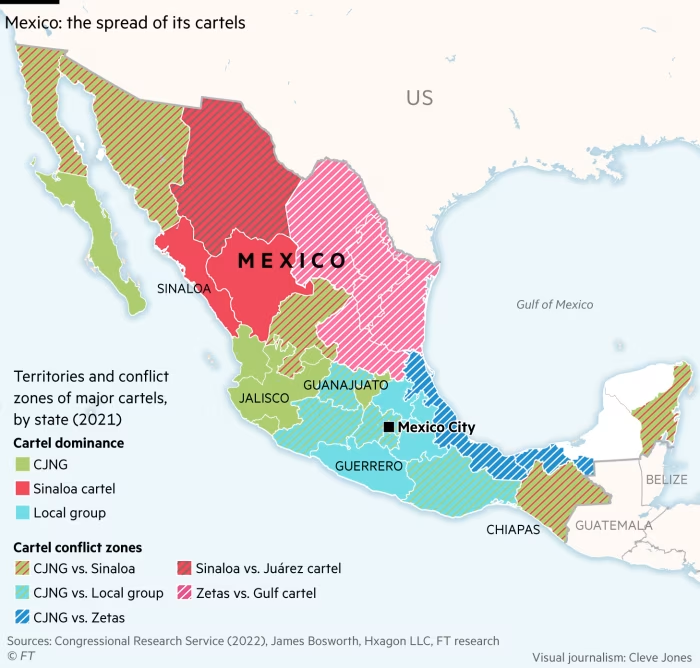




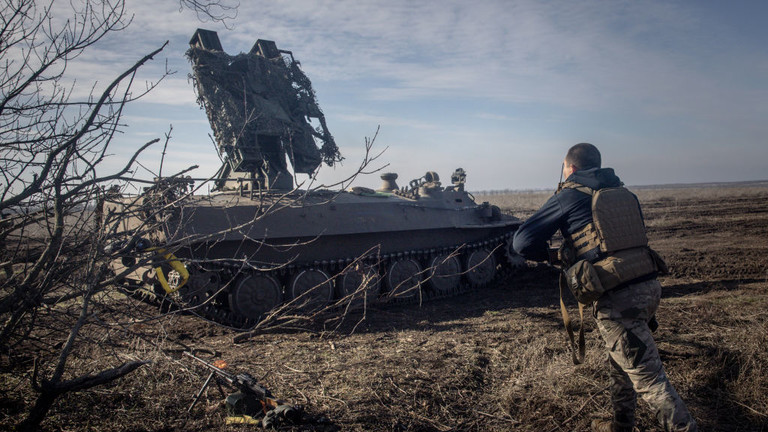


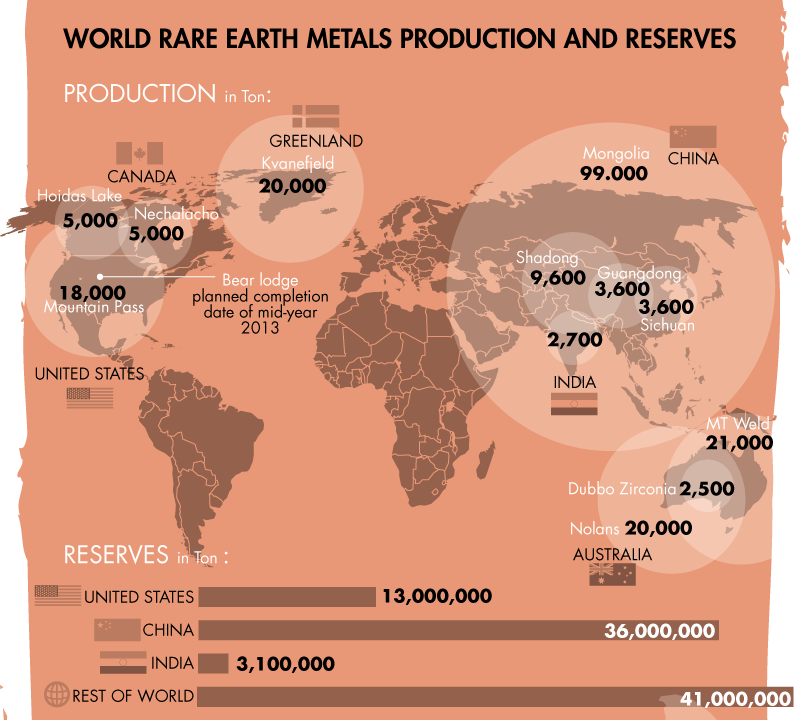
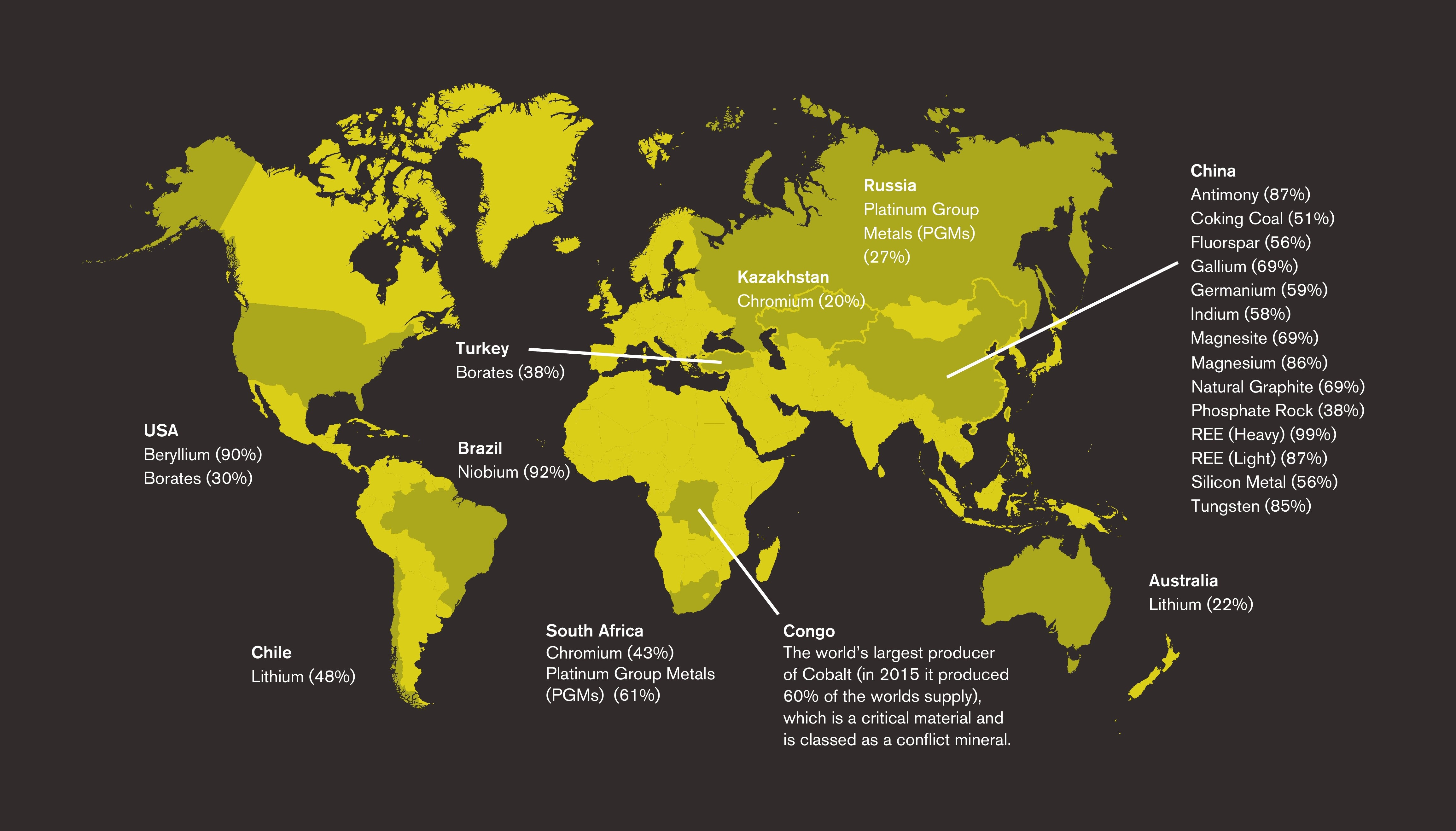
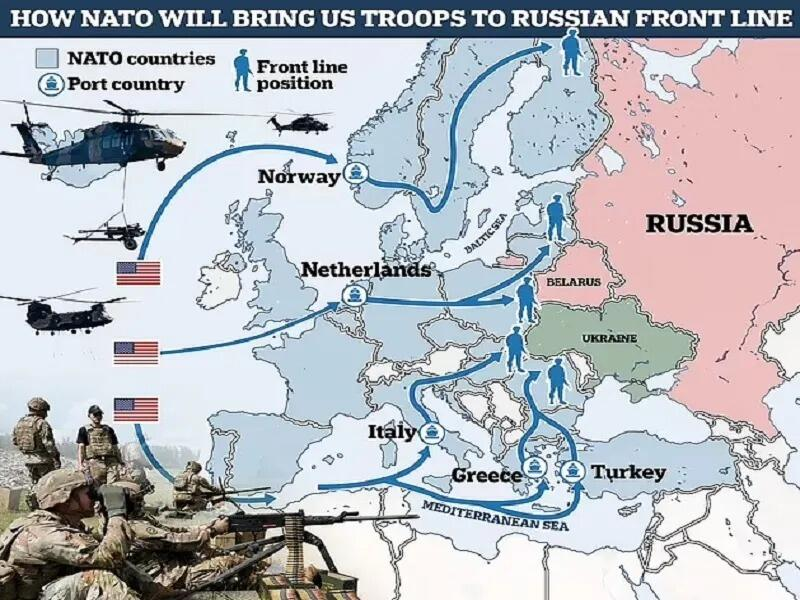



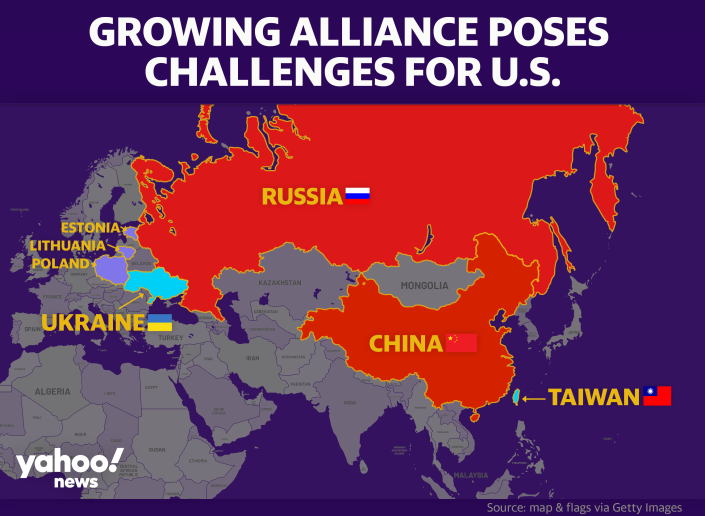
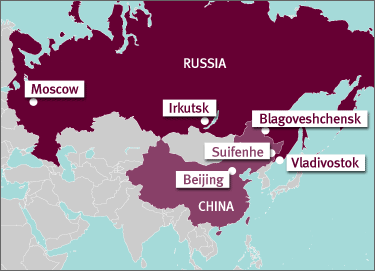



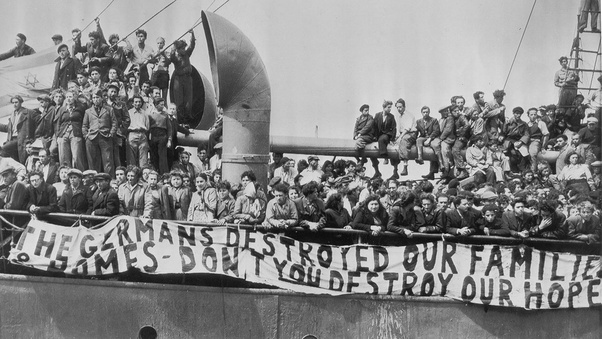


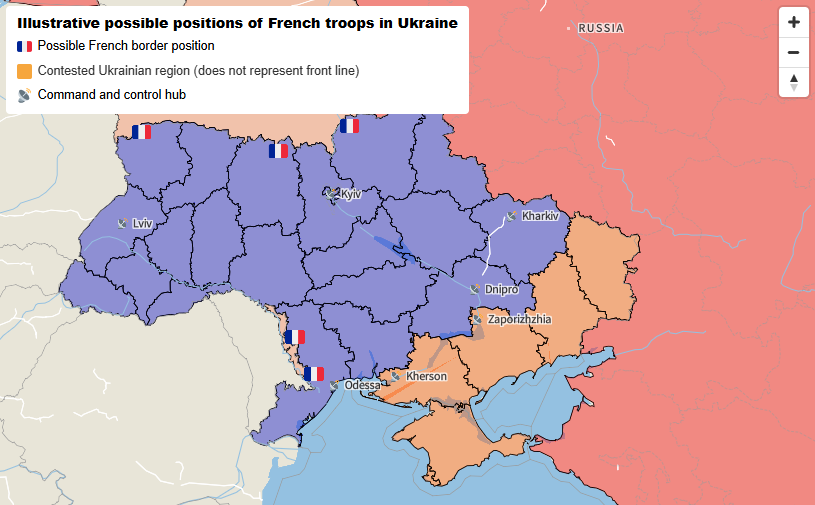

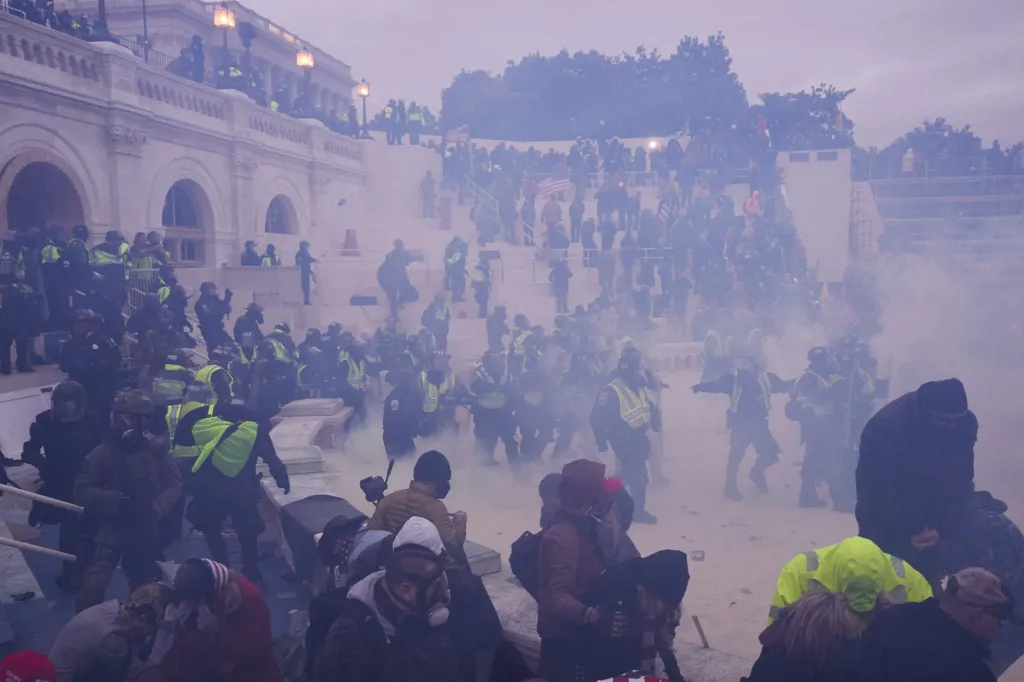



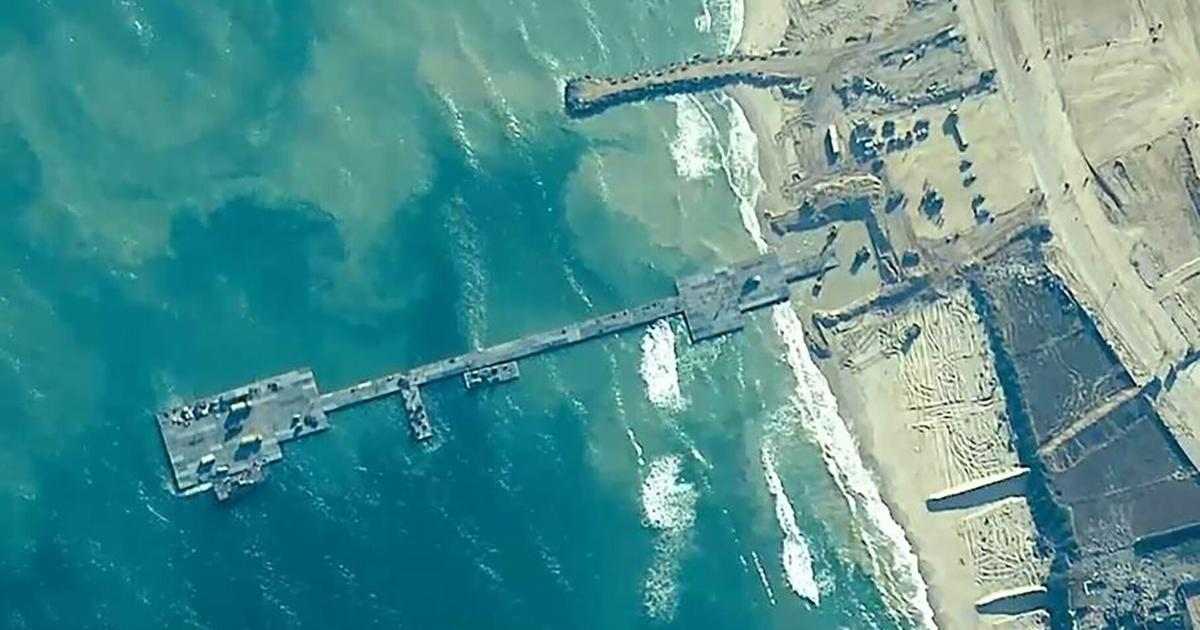





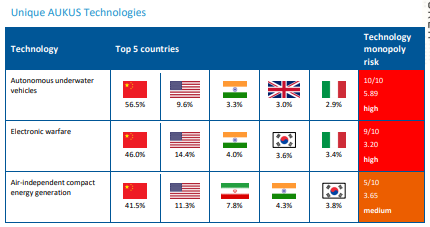






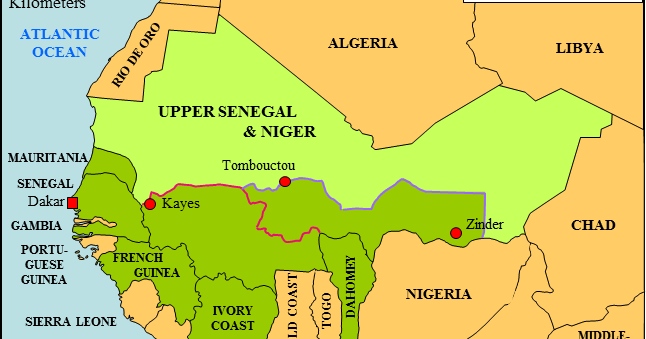


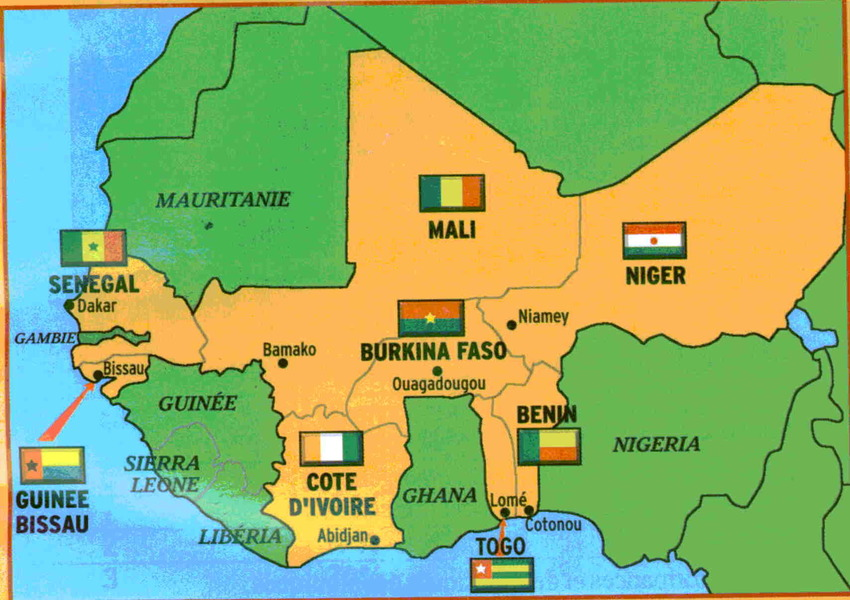
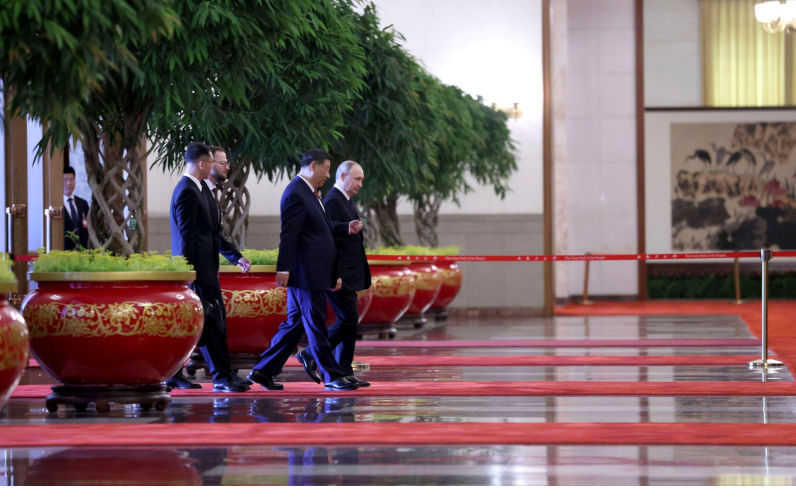
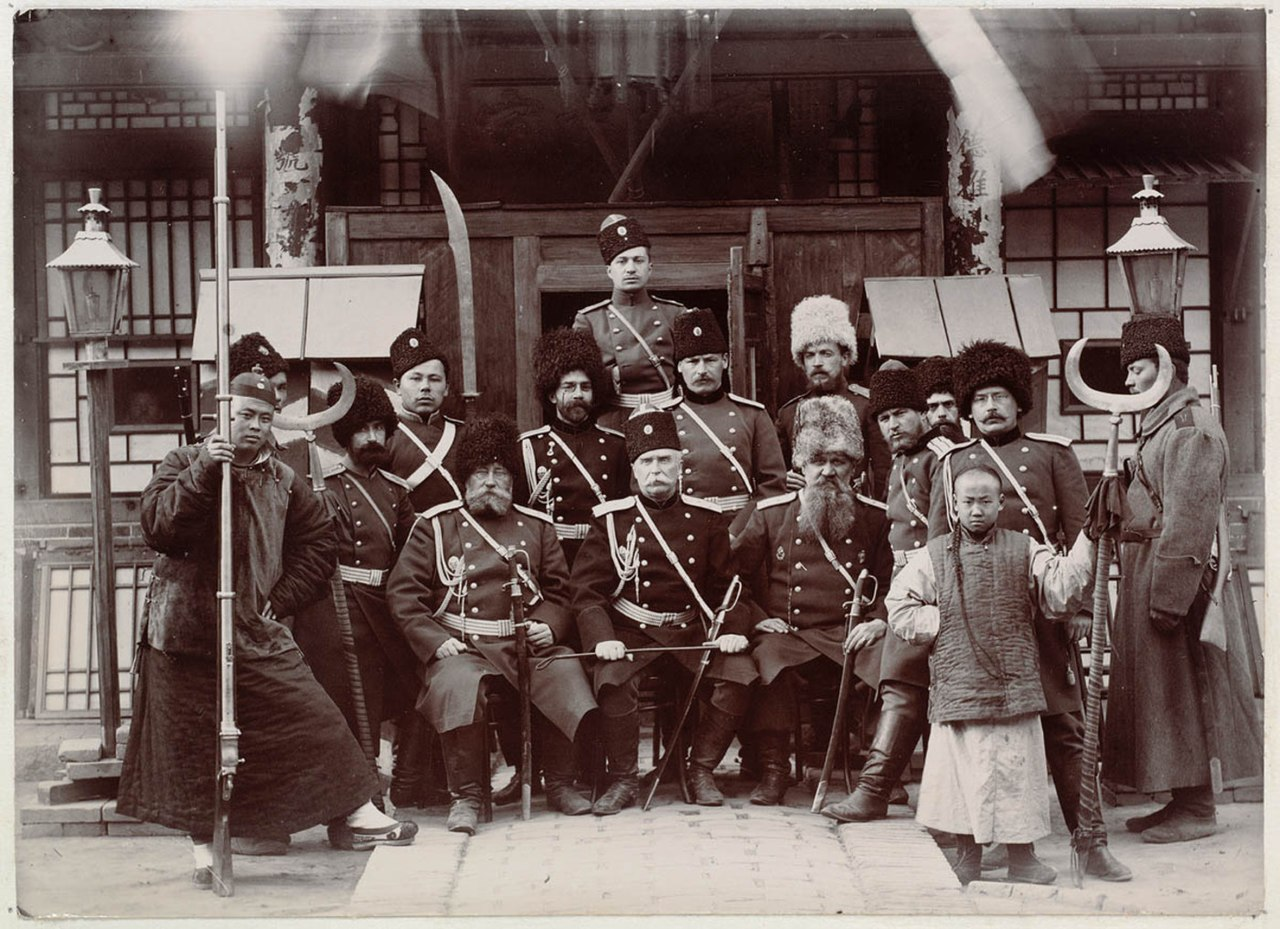
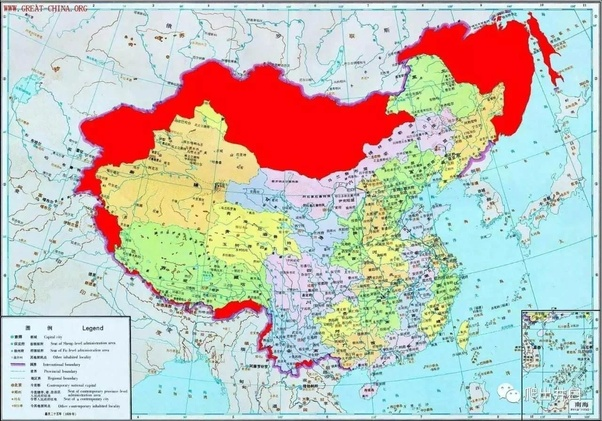

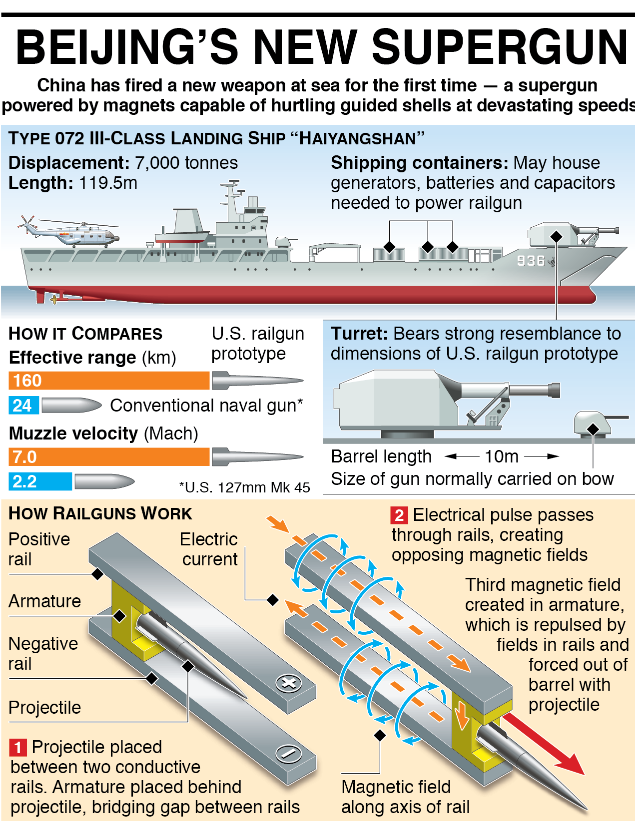








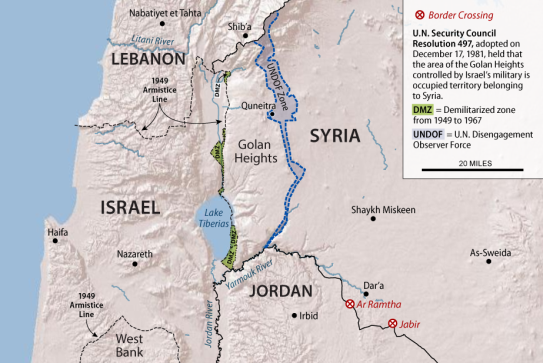
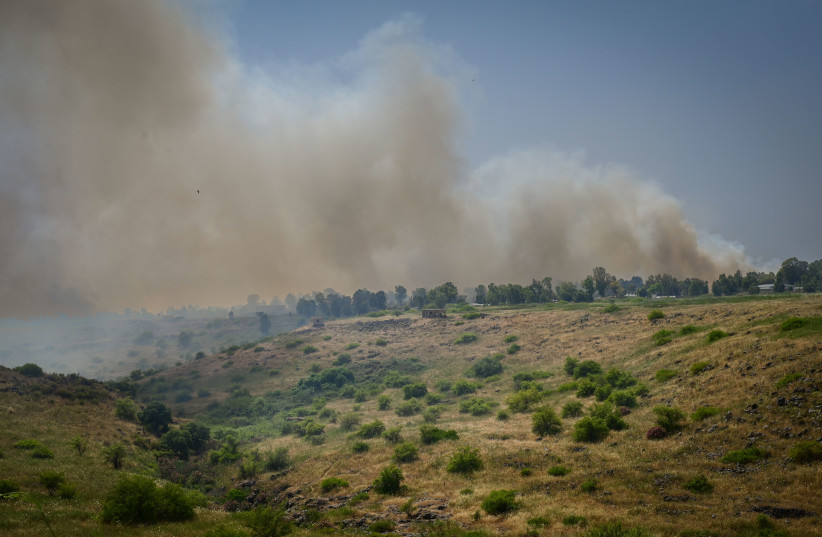


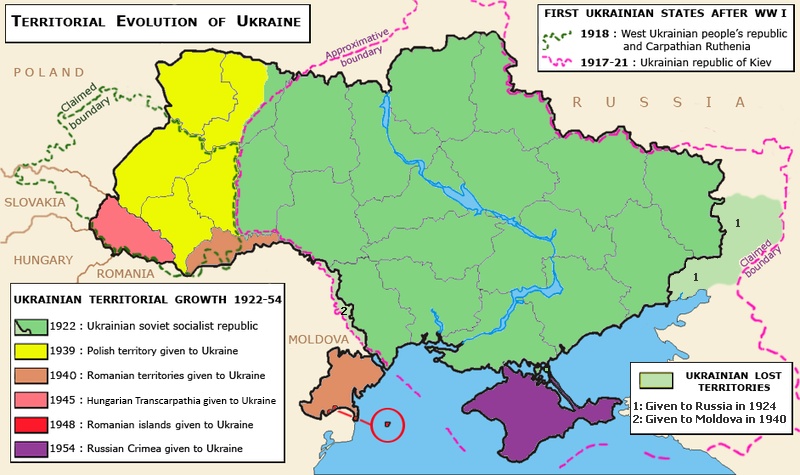
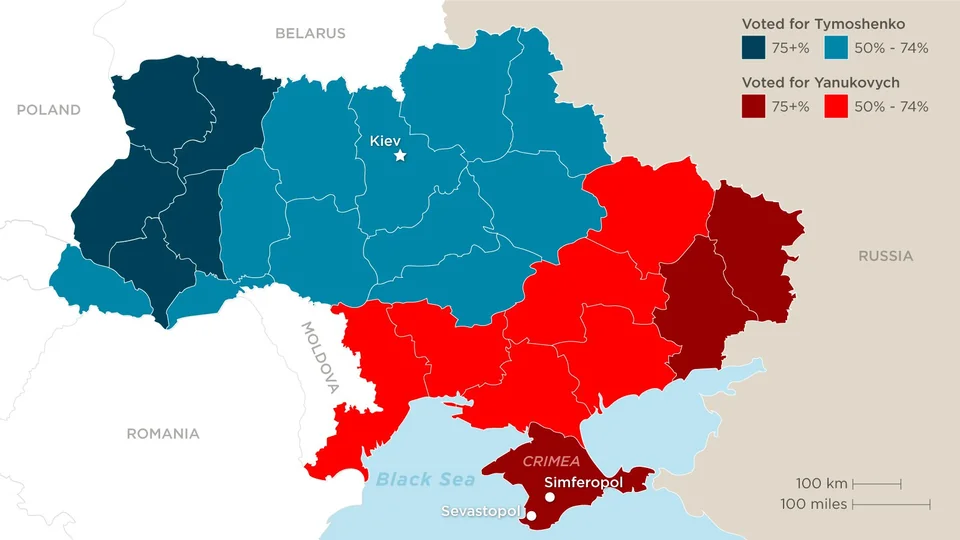
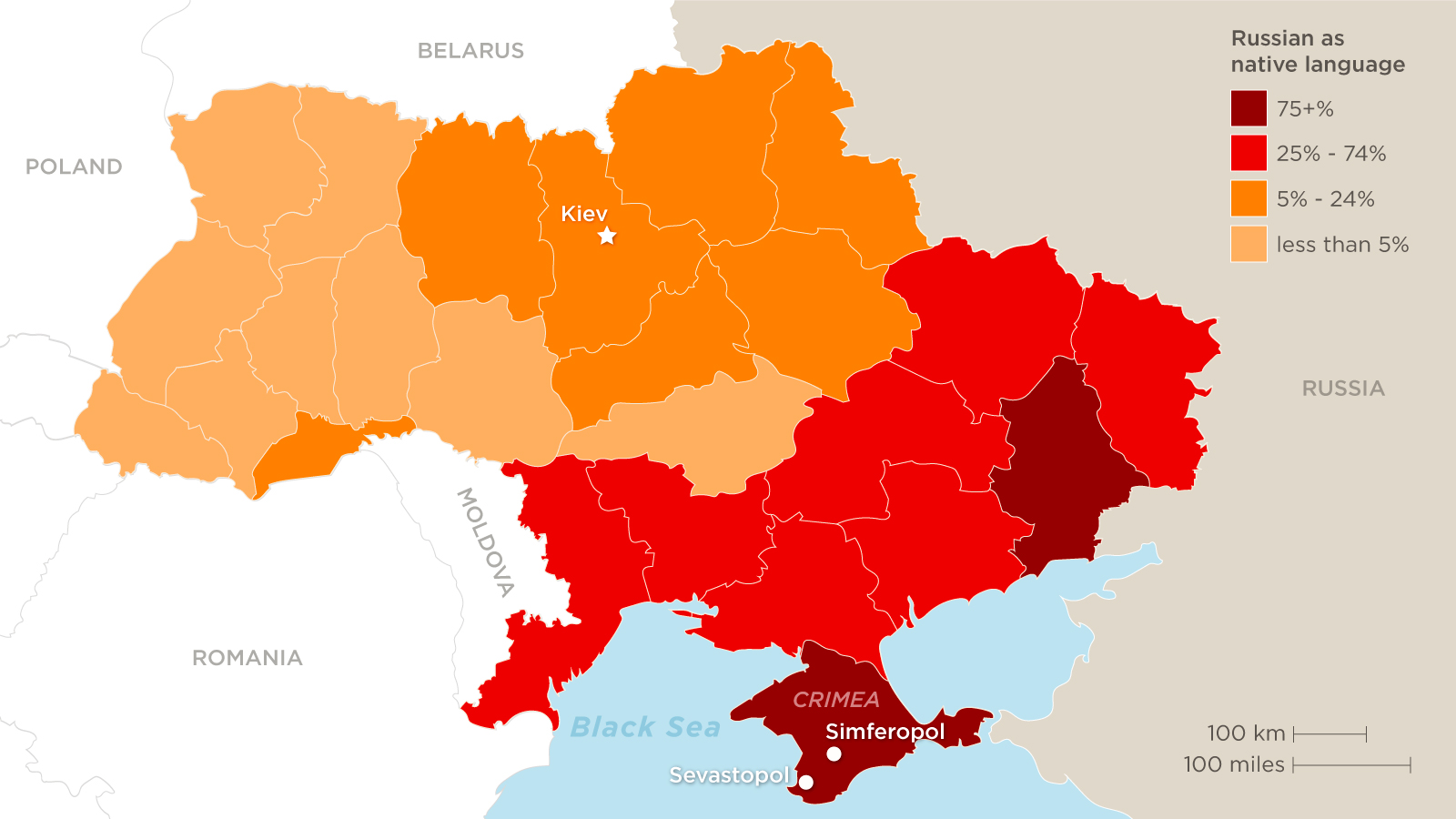
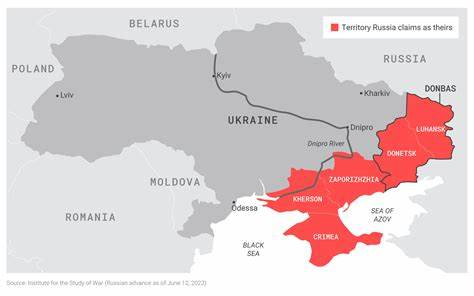












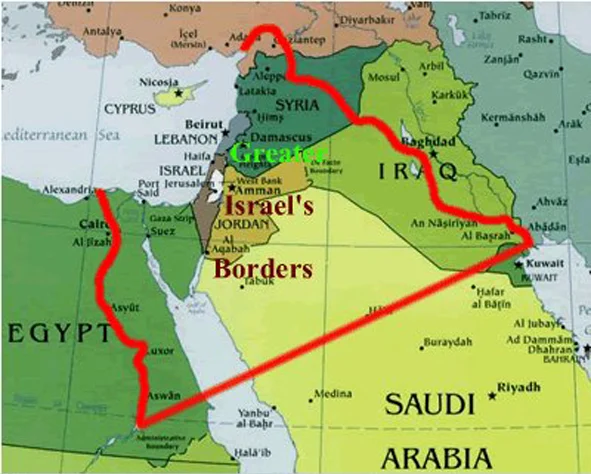





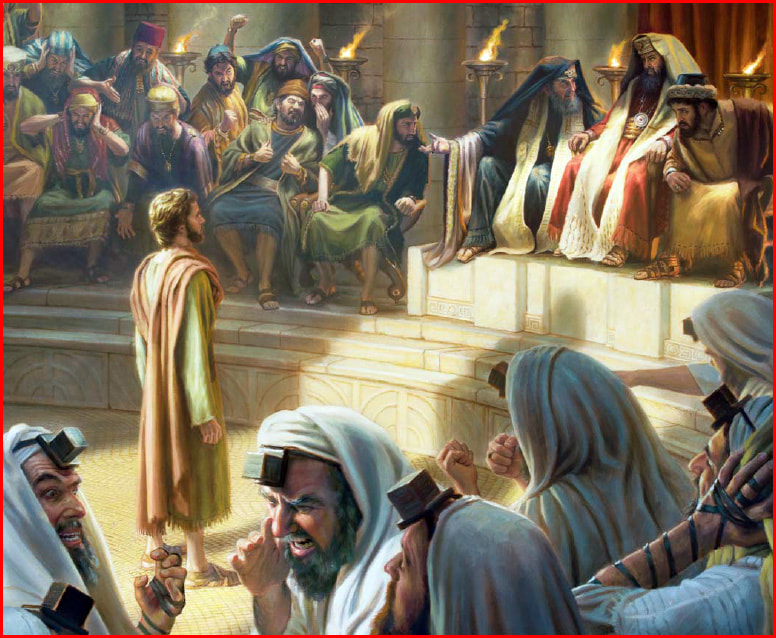









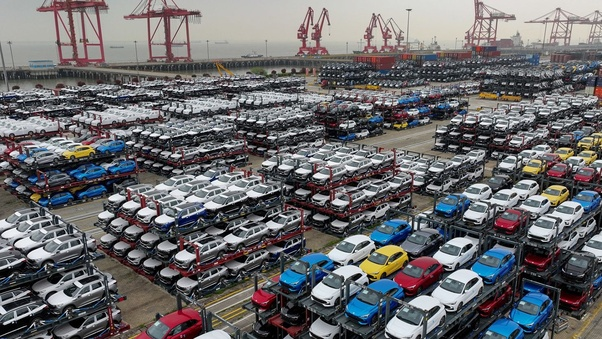


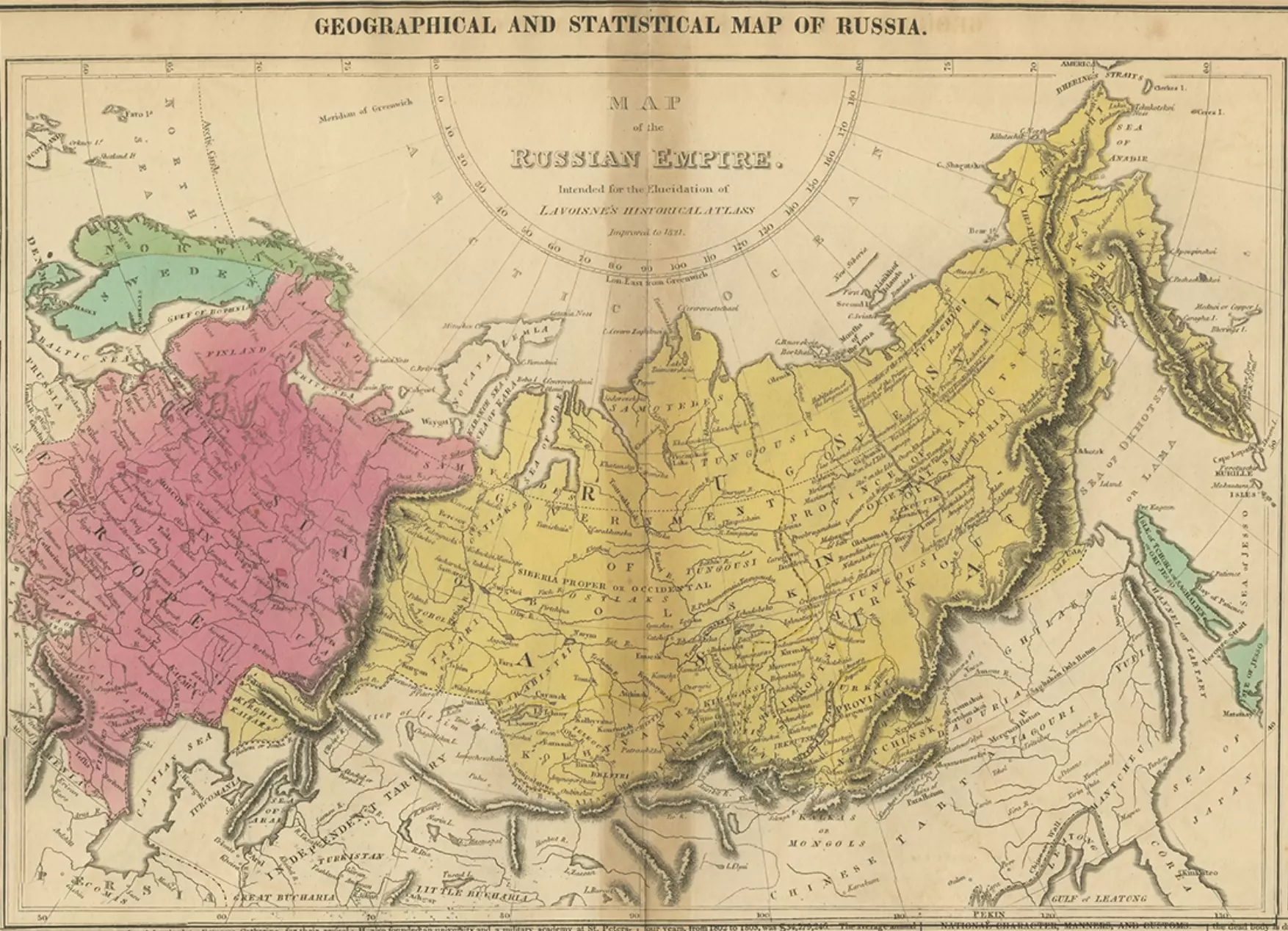
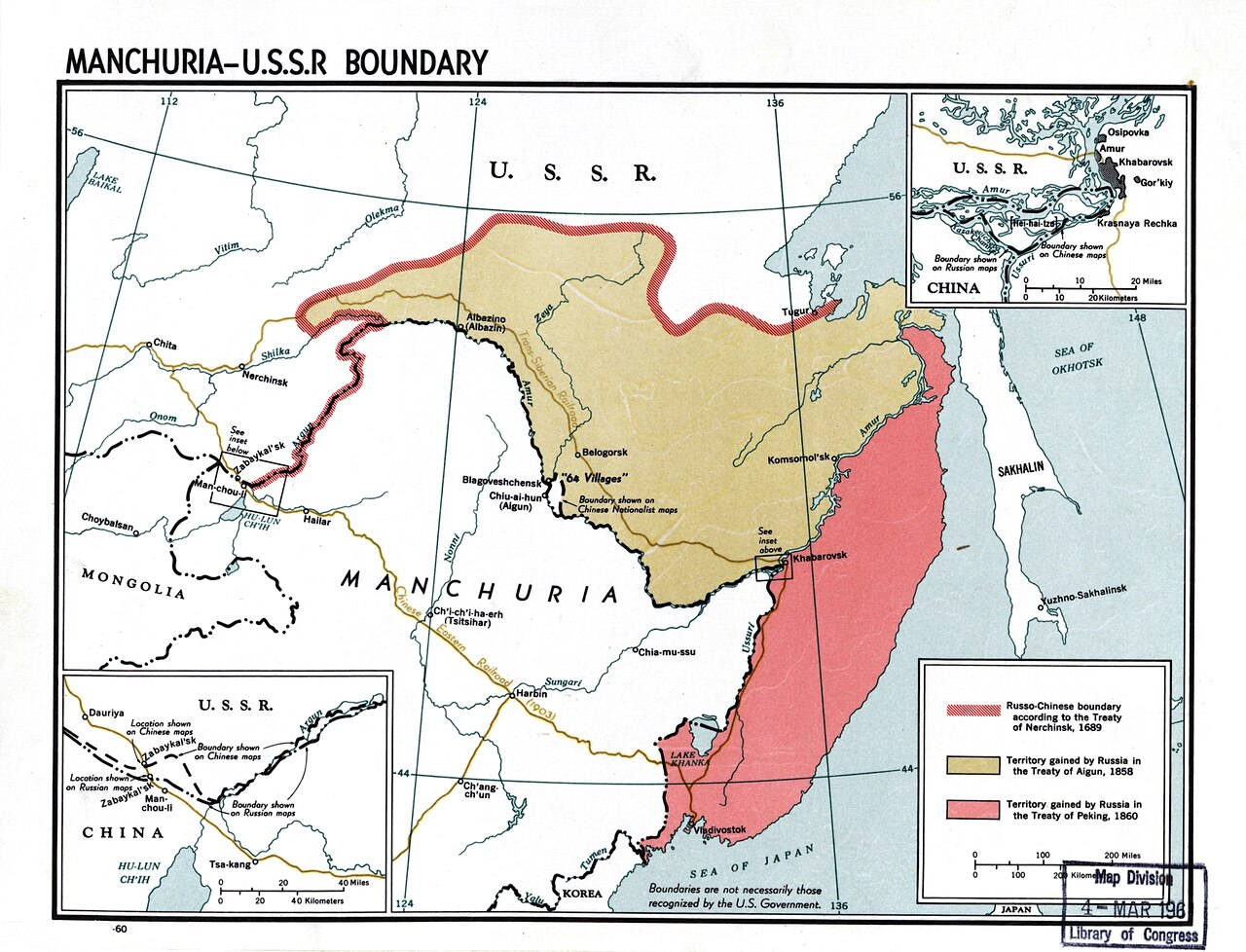
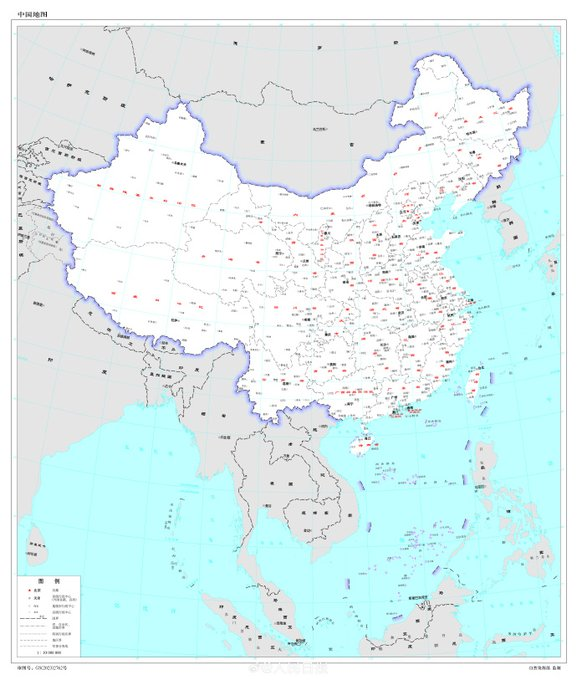
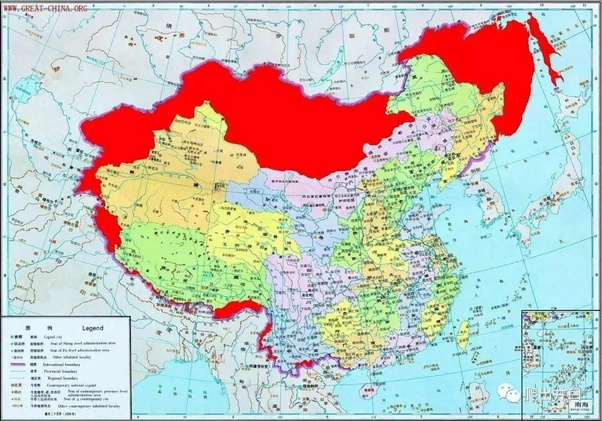


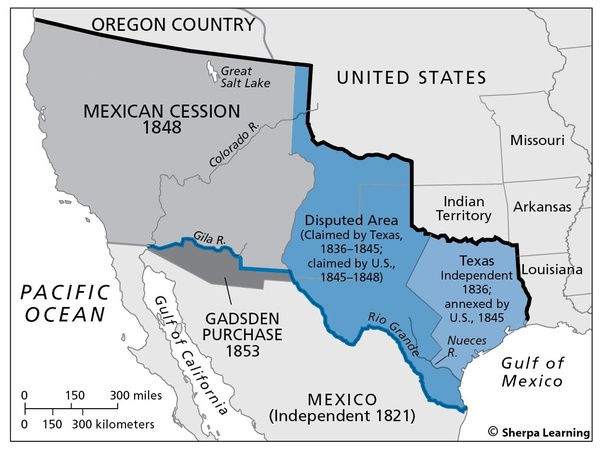







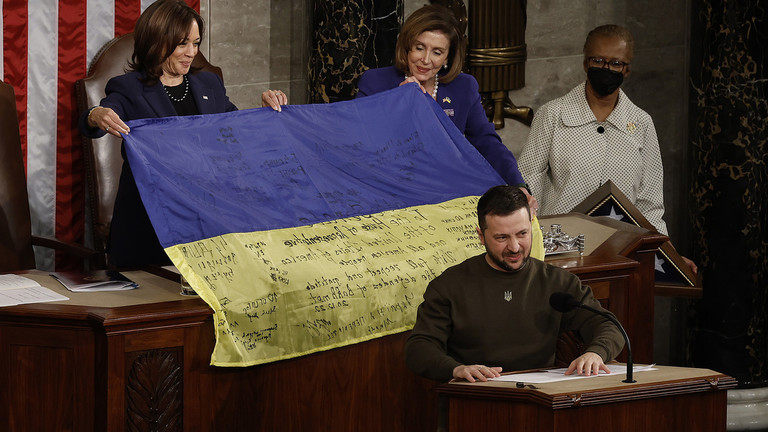





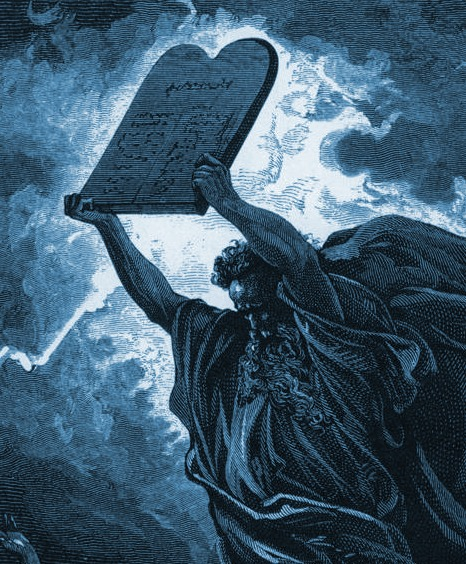














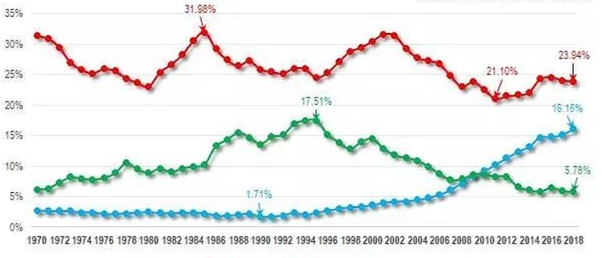
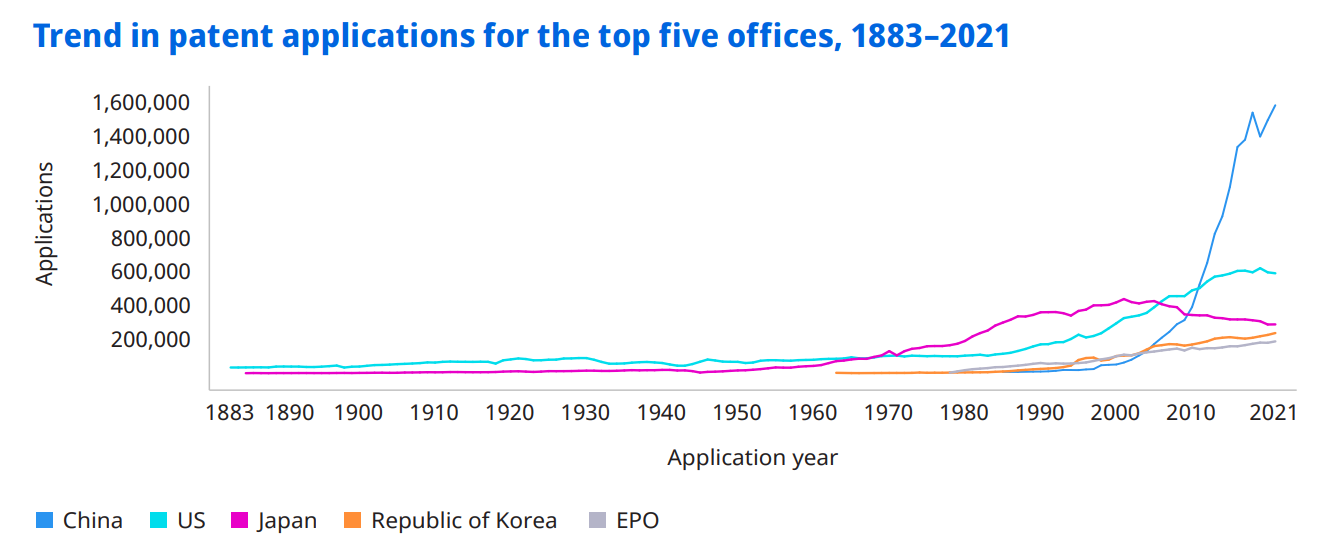

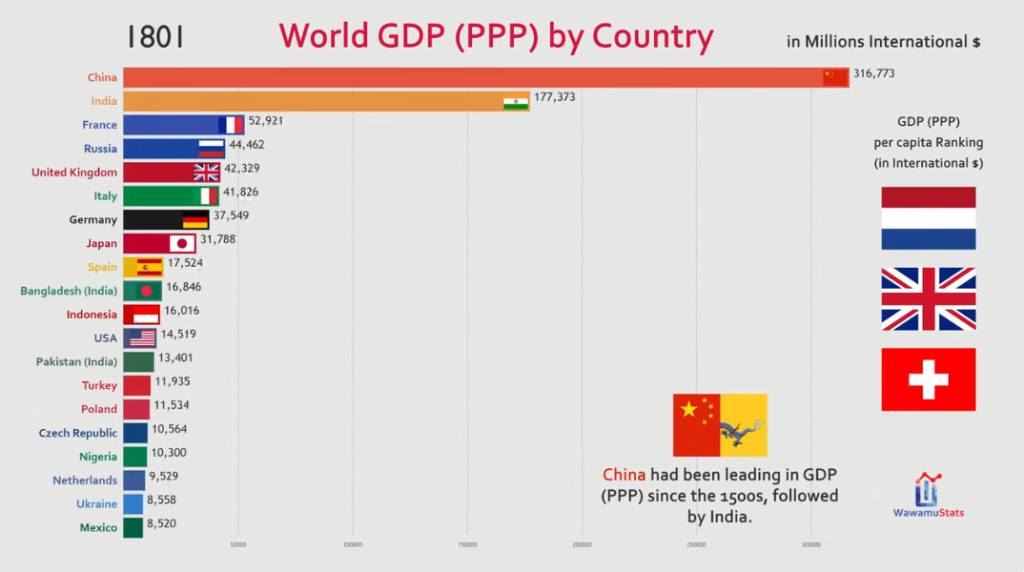
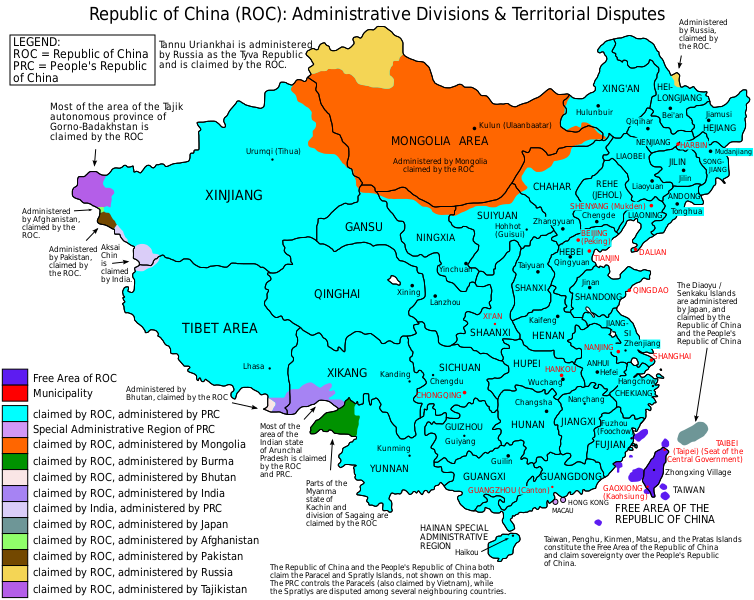





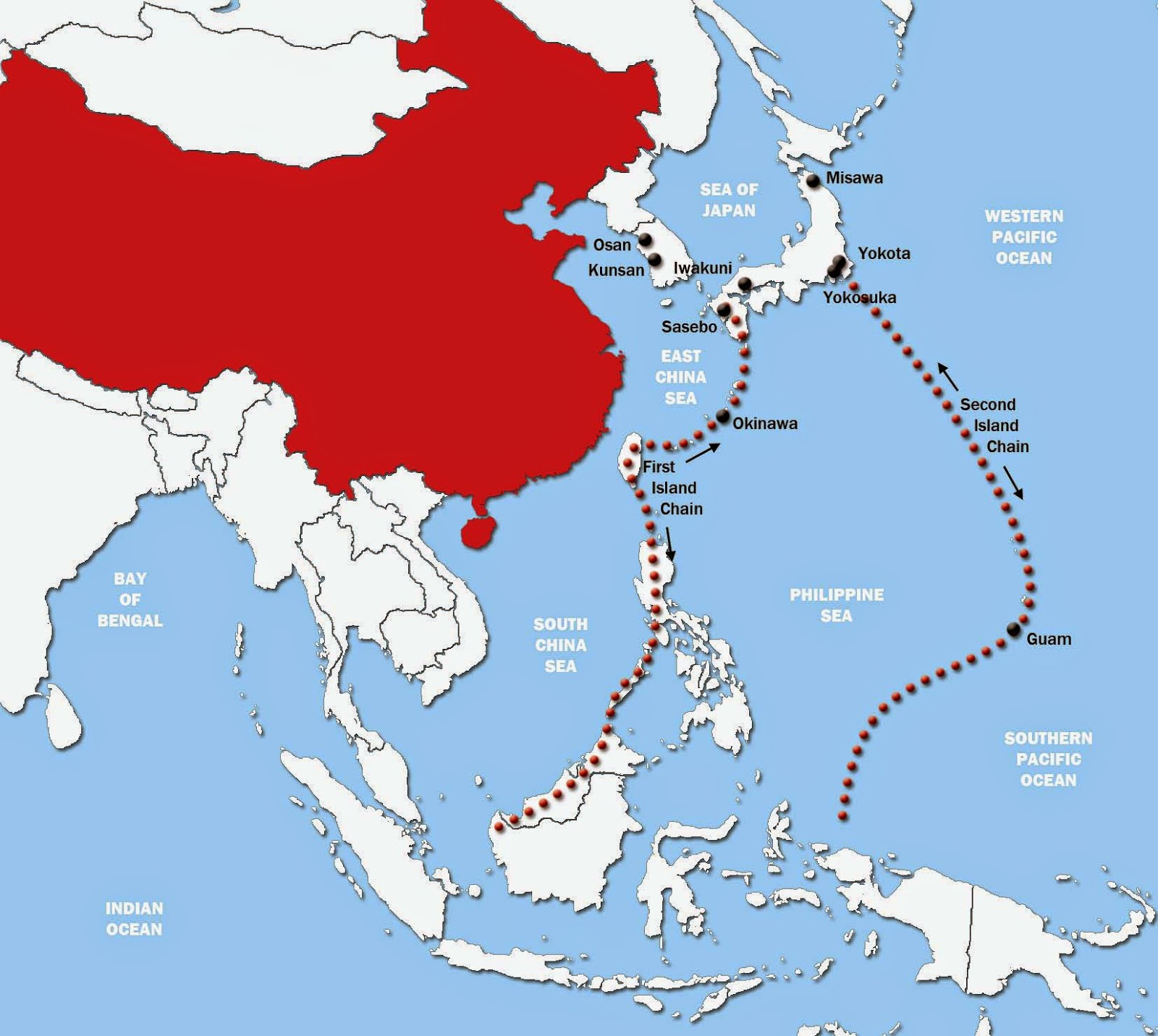







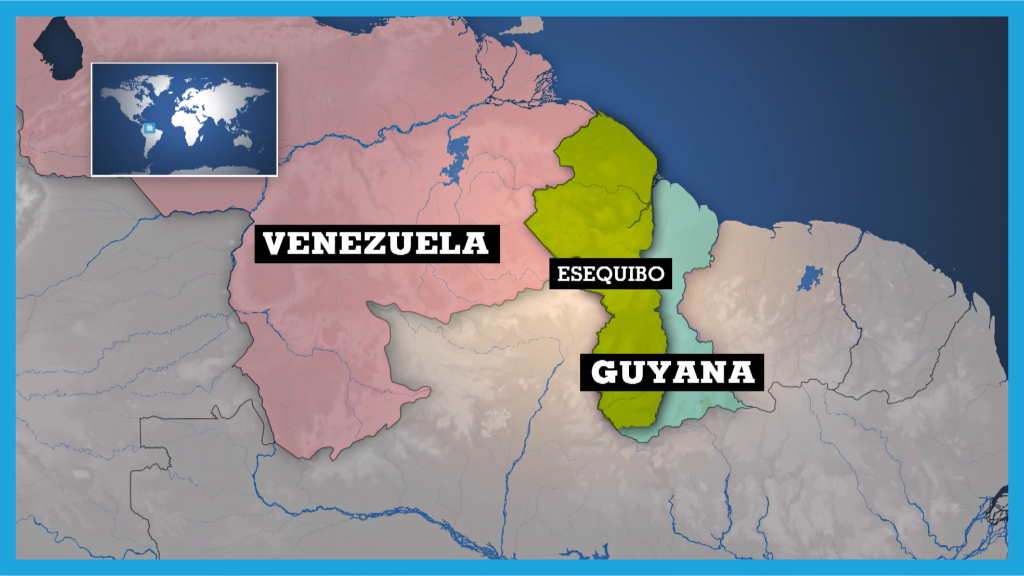


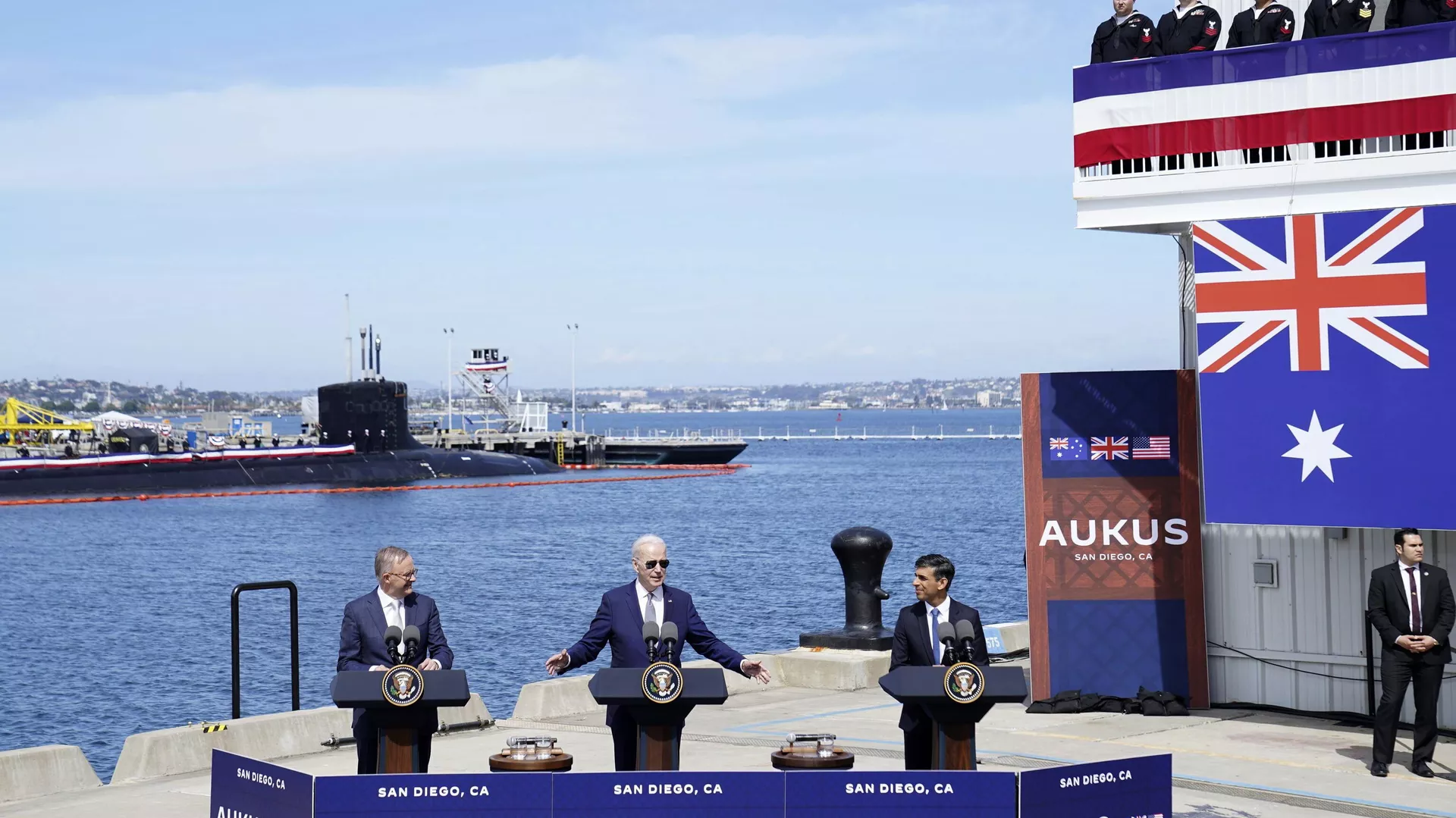
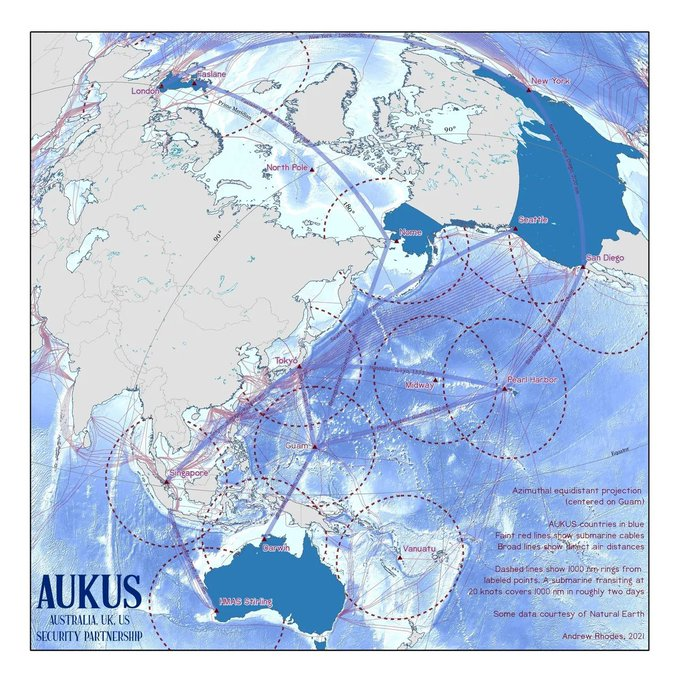

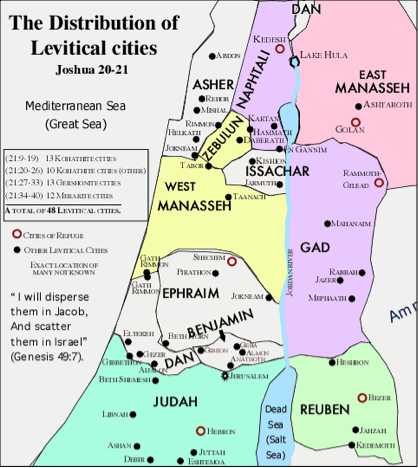
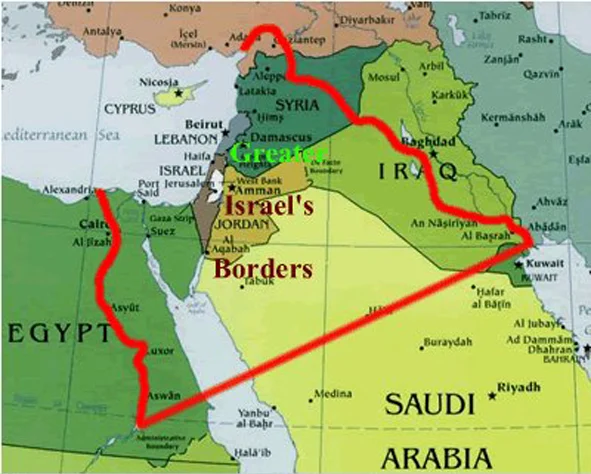

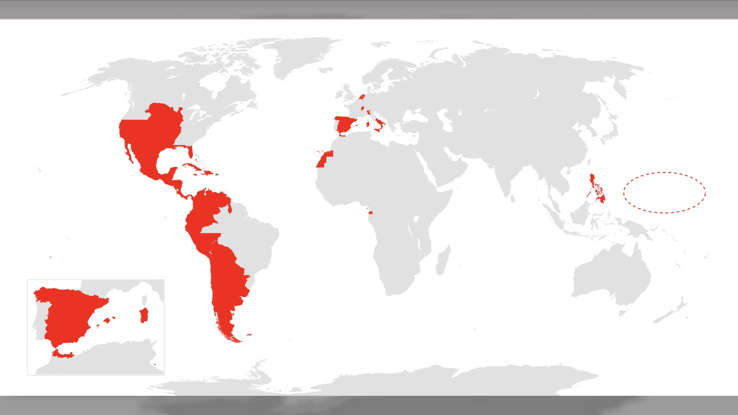
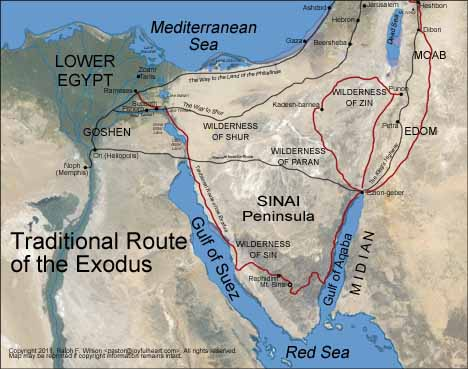




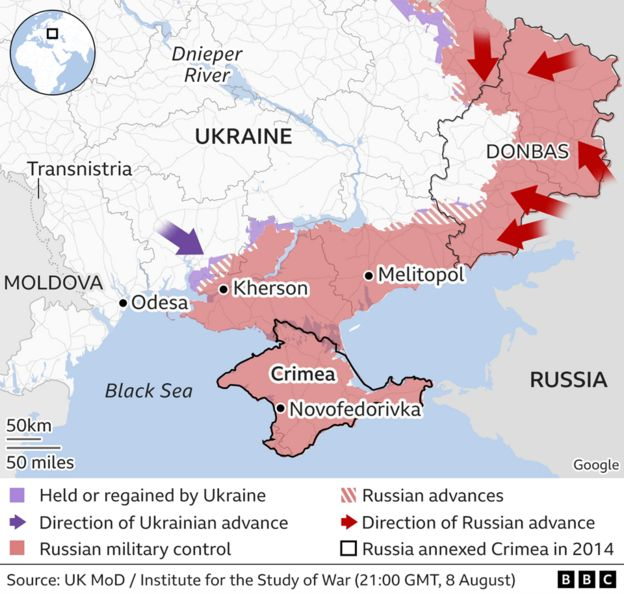







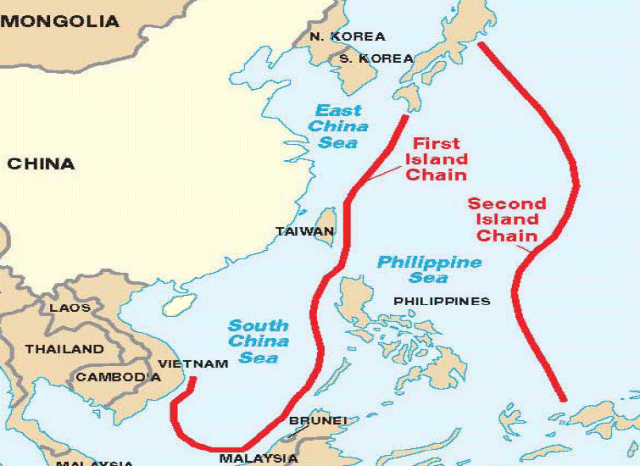
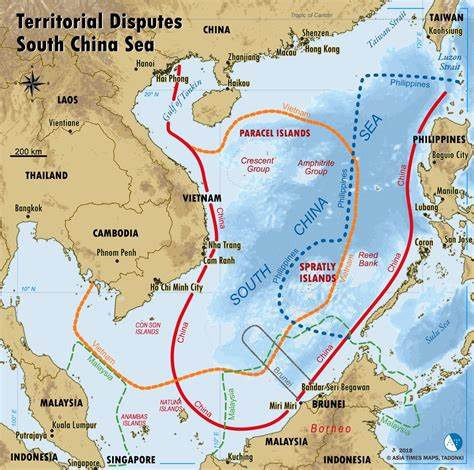



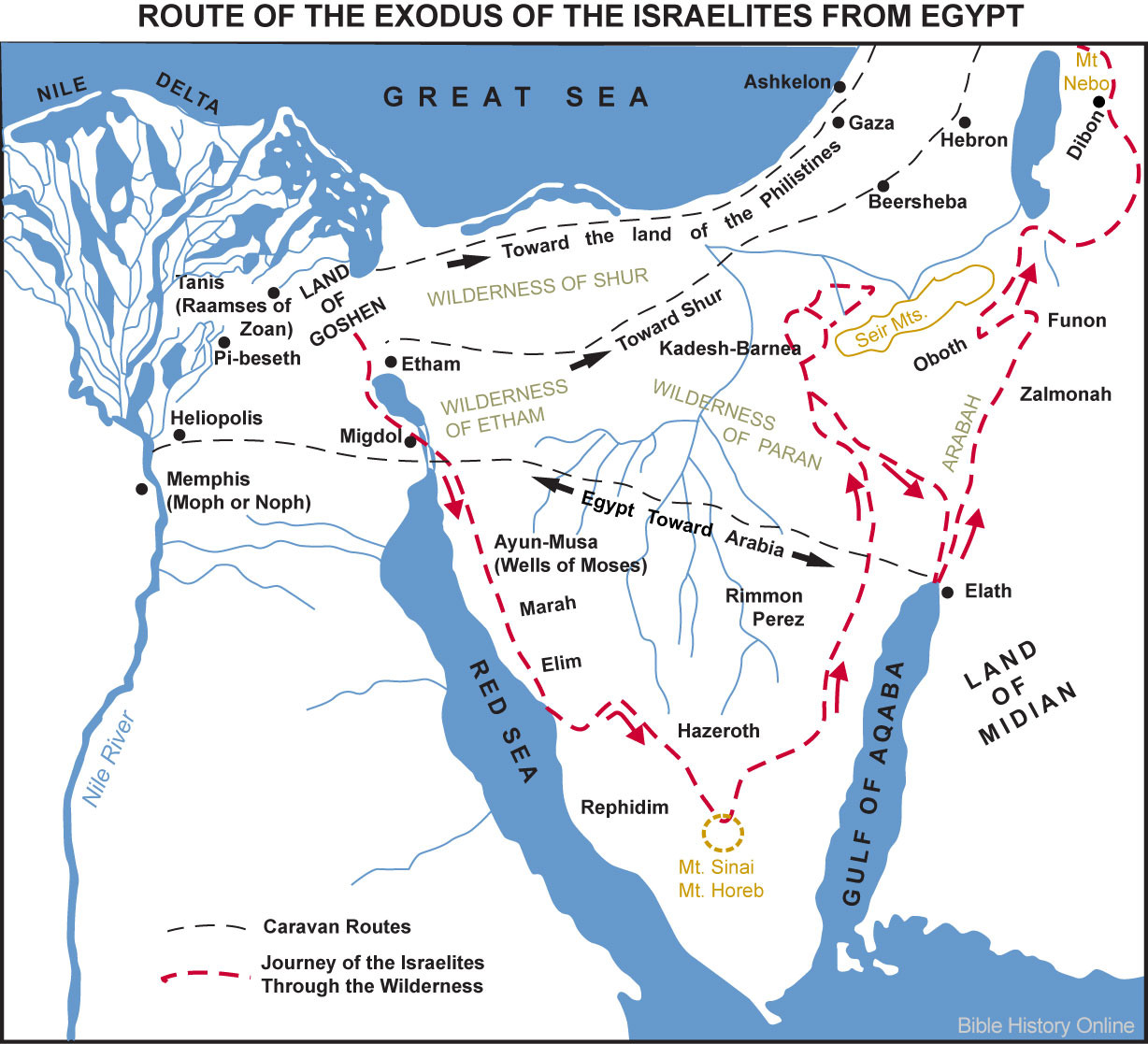
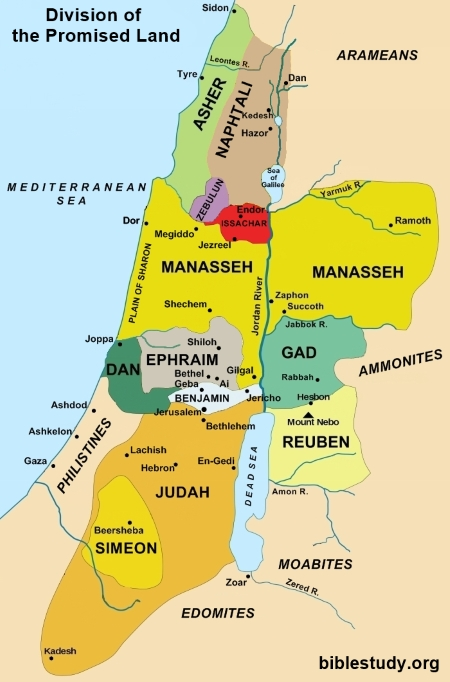









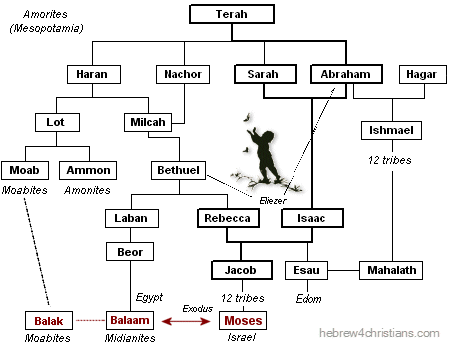
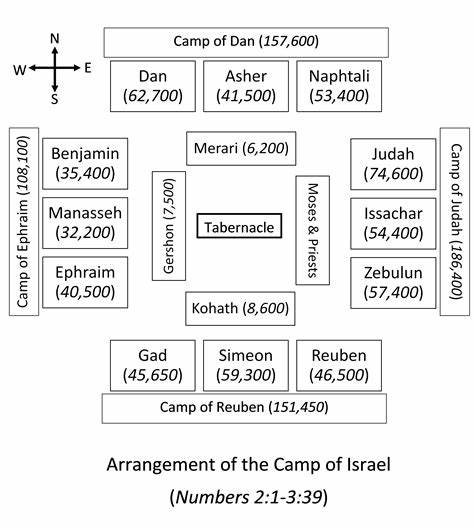




















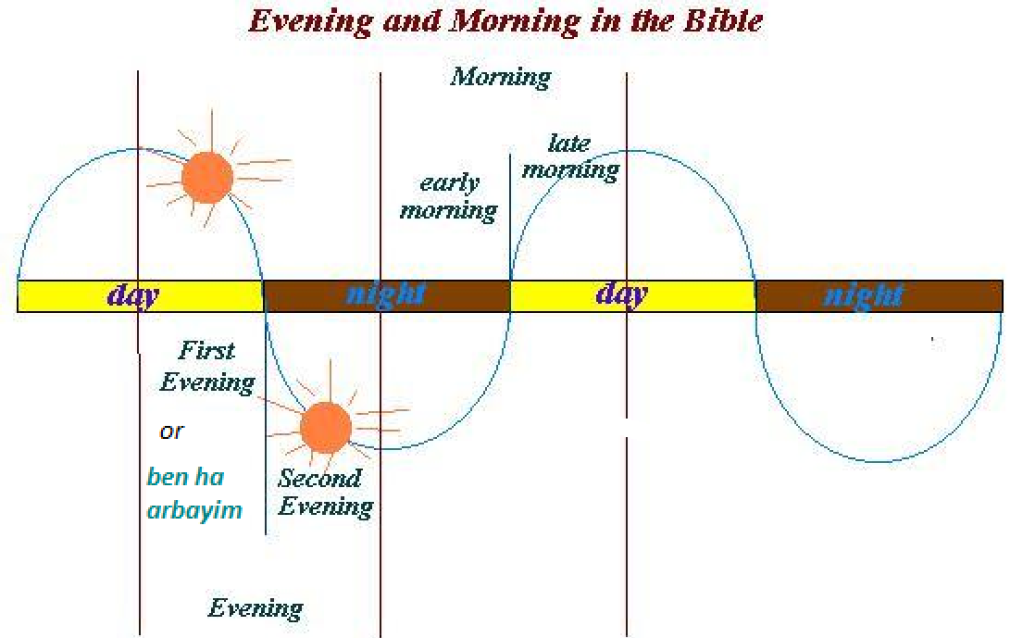









 Joel
Joel A Prophecy of Esau and Jacob