
Books of Moses
Remember the former things of old; for I am God, and there is none other; I am God, and there is none like Me,
declaring the end from the beginning, and from ancient times the things that are not yet done, saying, ‘My counsel shall stand, and I will do all My pleasure,’ Isaiah 46:9-10
The Books of Moses—also called the Pentateuch or Torah—are the first five books of the Hebrew Bible: Genesis, Exodus, Leviticus, Numbers, and Deuteronomy. These texts form the foundation of Jewish and Christian Scripture and are traditionally attributed to Moses.
Genesis
Exodus
Leviticus
Numbers
Deuteronomy
This study of the five books of Moses would incorporate the Targum, whose origin was in the Aramaic language, could be traced to Ezra speaking to the returning exiles who couldn’t understand Hebrew, but was expounded to them over two millennia ago, and to us today, in a language we could all understand.
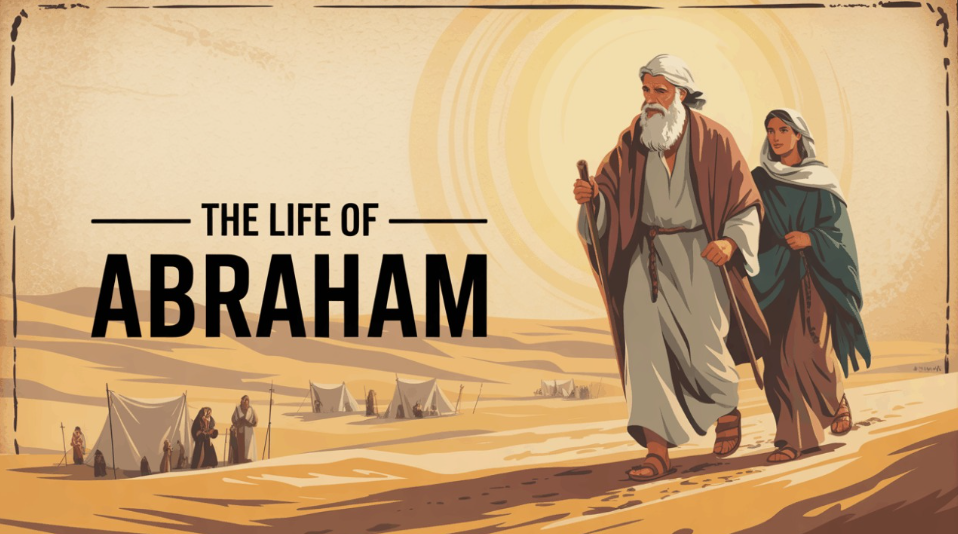
Genesis: the creation of the world and early history, including the stories of Adam and Eve, Noah, Abraham, Isaac, Jacob and Joseph.
Exodus: the slavery in Egypt, the Exodus, the Giving of the Laws, and the building of the Tabernacle.
Leviticus: the Temple Sacrifices, God’s Festivals and Ordinances.
Numbers: the Israelites on their way to the promised land, the Spies debacle, the Korach uprising.
Deuteronomy: at the end of life, Moses speaks to the people, preparing them for life in the Promised Land.


