
The Feast of Trumpet
The Feast of Trumpets or Yom Teruah: What Does It Means in the Scriptures
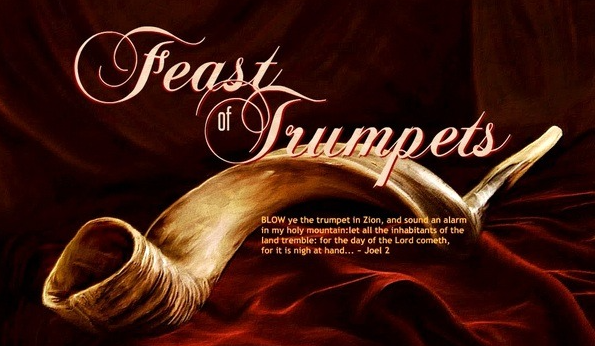
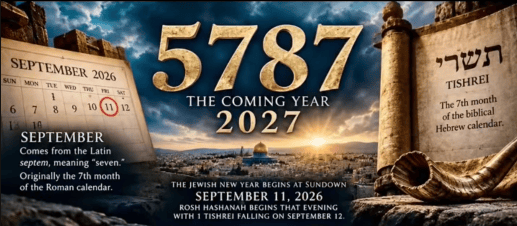
Jewish tradition calls it Rosh Hashanah, meaning the Beginning of the Year. It is a time of rest and reflection, signifying the start of the High Holy season that culminate in Yom Kippur and Sukkot.
The Hebrew expression Yom Teruah is often connected with the feast and means the day of shouting or blasting. Depending on the setting, teruah can describe a shout or a trumpet blast. It can also refer to an alarm, a battle cry, or joyful acclamation.
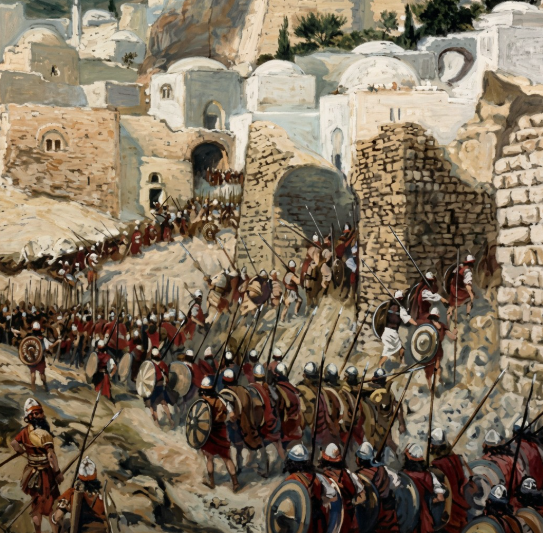
Continuing with Leviticus 23
23 And the Lord spoke unto Moses, saying,
24 “Speak unto the children of Israel, saying, ‘In the seventh month, on the first day of the month, shall ye have a sabbath, a memorial of blowing of trumpets, a holy convocation.
— according to Jewish understanding, “the first day” of this month is also the first day of the Civil year where anything relating to civil matters is observed as the festival of the New Year.
25 Ye shall do no servile work therein, but ye shall offer an offering made by fire unto the Lord.’”
— blowing of trumpets; here and in Numbers 29:1, literally “shouting” there is no mention of trumpets in the Hebrew text of the Law in connection with this day;
— yet there is no reason to doubt the tradition that the day was distinguished by a general blowing of trumpets throughout the land.
Numbers 10
And the Lord spoke unto Moses, saying,
2 “Make thee two trumpets of silver. Of a whole piece shalt thou make them, that thou mayest use them for the calling of the assembly and for the journeying of the camps.
3 And when they shall blow with them, all the assembly shall assemble themselves to thee at the door of the tabernacle of the congregation.
4 And if they blow but with one trumpet, then the princes, who are heads of the thousands of Israel, shall gather themselves unto thee.
5 When ye blow an alarm, then the camps that lie on the east parts shall go forward.
6 When ye blow an alarm the second time, then the camps that lie on the south side shall take their journey. They shall blow an alarm for their journeys.
7 But when the congregation is to be gathered together, ye shall blow, but ye shall not sound an alarm.
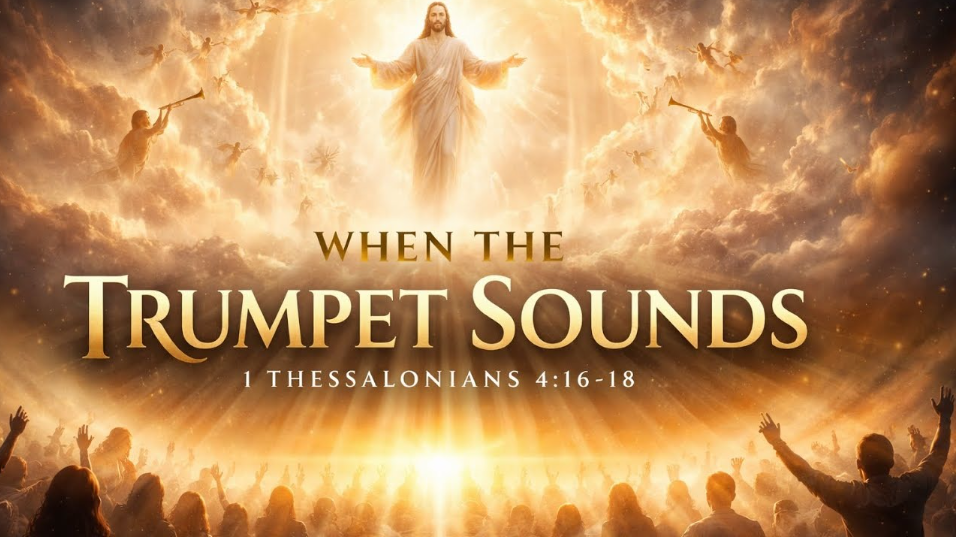
— many theologians see the Feast of Trumpets as a prophetic foreshadowing of Christ’s second coming. 1 Thessalonians 4:16 speaks of “For the Lord Himself shall descend from Heaven with a shout, with the voice of the archangel and with the trumpet of God; and the dead in Christ shall rise first.”
8 And the sons of Aaron, the priests, shall blow with the trumpets; and they shall be to you for an ordinance for ever throughout your generations.
9 And if ye go to war in your land against the enemy who oppresseth you, then ye shall blow an alarm with the trumpets; and ye shall be remembered before the Lord your God, and ye shall be saved from your enemies.
10 Also in the day of your gladness and in your solemn days, and in the beginnings of your months, ye shall blow with the trumpets over your burnt offerings and over the sacrifices of your peace offerings, that they may be to you for a memorial before your God: I am the Lord your God.”
More from Numbers 29
‘And in the seventh month, on the first day of the month, ye shall have a holy convocation. Ye shall do no servile work: it is a day of blowing the trumpets unto you.

— the imagery of Christ’s triumphant return and the Fall of our worldly civiizations aligns with the Feast’s focus on the blowing of the Trumpets.
2 And ye shall offer a burnt offering for a sweet savor unto the Lord: one young bullock, one ram, and seven lambs of the first year without blemish.
3 And their meat offering shall be of flour mingled with oil: threetenths part for a bullock, and twotenths part for a ram,
4 and onetenth part for one lamb, throughout the seven lambs;
5 and one kid of the goats for a sin offering, to make an atonement for you,
6 besides the burnt offering of the month and his meat offering, and the daily burnt offering, and his meat offering, and their drink offerings, according unto their manner, for a sweet savor, a sacrifice made by fire unto the Lord.


