
Wave Sheaf Offering and the Count to Pentecost
The period from the counting of the ‘Wave Sheaf’ offering to the day of Pentecost spans fifty days. But the two central Qs are (1) what is the ‘wave sheaf’? and (2) when to start counting toward Pentecost?
Continuing with Leviticus 23
9 And the Lord spoke unto Moses, saying, — that is, this isn’t a law of Moses, but a Command of God convey to all the Israelites through Moses.
10 “Speak unto the children of Israel and say unto them: ‘When ye come into the land which I give unto you and shall reap the harvest thereof, then ye shall bring a sheaf of the firstfruits of your harvest unto the priest.
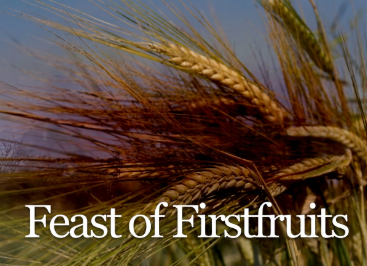
— ye shall bring “a sheaf of the firstfruits” as translated by William Tyndale; which in Hebrew is the omer or first-fruit cake of your harvest; it had to be from the best and ripest standing corn or barley from a field near Jerusalem.
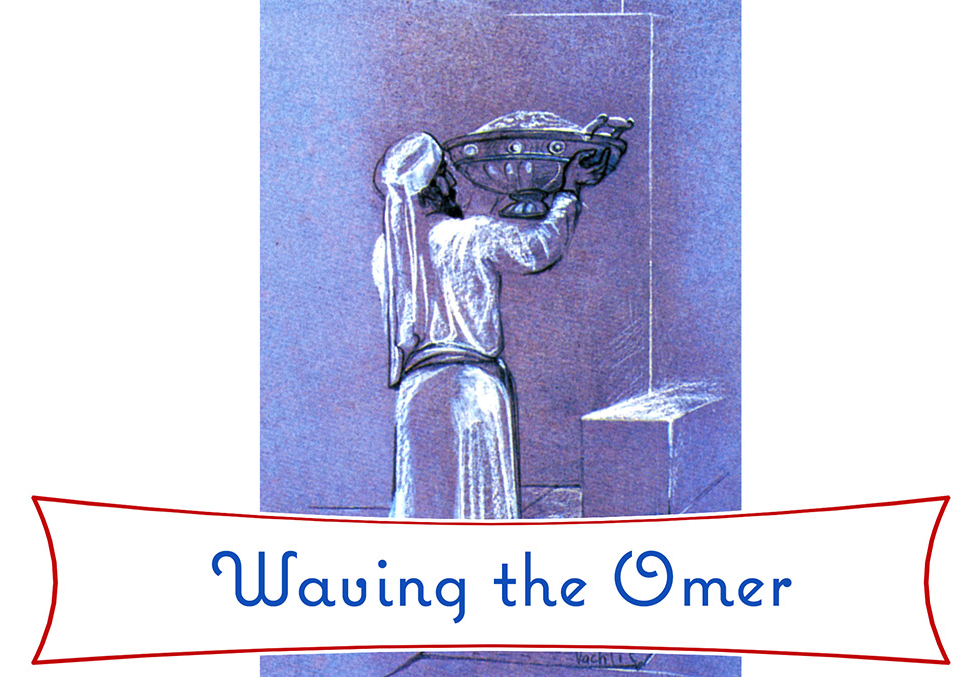
11 And he shall wave the sheaf before the Lord to be accepted for you; on the morrow after the Sabbath the priest shall wave it.
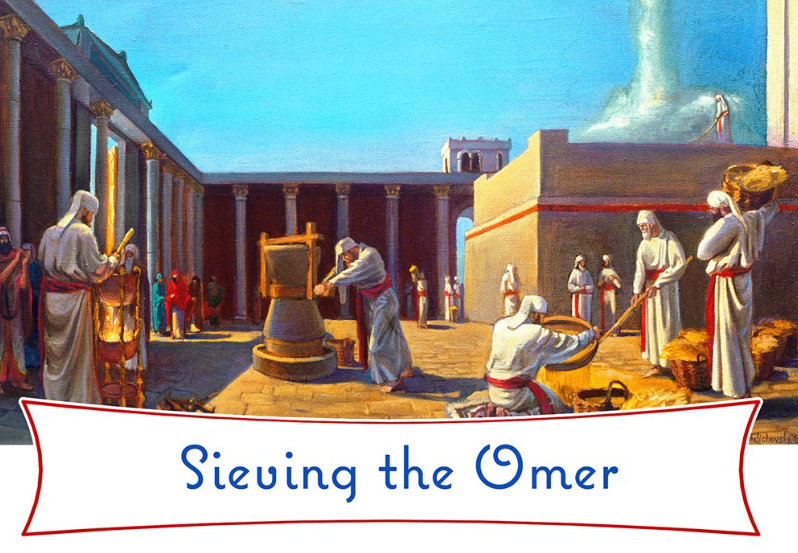
— “wave sheaf” as translated into our English Language gives a misconception, so is “firstfruits” plural. It is “omer” in Hebrew, a finished product (grains that had been thrashed, and only a tenth part taken, then dried and roasted). Now becoming two pieces of baked cake, the product is given the the priest, who laced it with oil and frankincense (Leviticus 2:15), or omer to be waved before the altar. It isn’t some freshly cut grains bundled together from the field, which is misleading;
— and the priest shall wave the ‘sheaf,’ that is, and he shall take it and wave the omer, two pieces of baked cake, waved it and allow the smoke to ascend. This is done on the morrow after the sabbath; the interpretation of this phrase has constituted one of the differences between the Pharisees and the Sadducees;
— according to the Pharisees, the term Sabbath here, as elsewhere (Leviticus 23:24,32,39), is not the weekly Sabbath, but the next day after Passover, or the first day of the holy convocation, the first day after Passover, which is a Sabbath;
— the Sadducees, however, maintained that it is to be understood in its literal sense as the weekly Sabbath within the Passover week, one of which would fall within the seven days of Unleavened Bread;
— on the morrow after the Sabbath the priest shall wave it; the truth is that this Sabbath is not after the weekly Sabbath, but after the first day of the Feast of Unleavened Bread, which is a Holy Day, a Sabbath, in which no servile work was to be done, Lev 23:7; and so the Targum of Jonathan calls it the first festal day of Pascha (or, the day after the feast-day of Pascha), that is, the sixteenth of Nisan;
— this waving doesn’t represent Christ acceptance by the Father; as the standard of Christ’s acceptance rests not upon agricultural symbols like grains or firstfruits, but exclusively upon the blood of the lamb; typified by the blood being shed on the Passover which occurred the day before and later as an offering on the Day of Atonement, whereby blood was presented to the Father upon the ‘Mercy Seat’ in the Holy of Holies;
— second, to break the link back to the Sacrifice of the Lamb is to trivialize its importance, and should not waiting for some obscure Sunday to begin the Count, a strange concept the Samaritans brought with them from Babylon! Making the Link as if of no importance is pure heresy!
— the two cakes that comprised the omer might be interpreted as two set of twelve firstfruits (or of the righteous saints), totalling twenty-four and resenbling the twenty-four elders of Revelation 4. And although they were saints, they are still probably inherently enbedded with sins until the full redemption process is completed on the Day of Atonement.
12 And ye shall offer that day when ye wave the sheaf a helamb without blemish of the first year for a burnt offering unto the Lord.
— “when ye wave the sheaf” that is, waving back and forth, up and down;
— an he lamb without blemish of the first year, for a burnt offering unto the Lord. This is typical of the perfect and immaculate Lamb of God, fulfilled by Jesus Christ, whose sufferings are fitly signified by a burnt offering; and which were endured at the time he became an offering of his people, to be accepted by God the Father.
13 And the meat offering thereof shall be two-tenths part of fine flour mingled with oil, an offering made by fire unto the Lord for a sweet savor; and the drink offering thereof shall be of wine, a fourth part of a hin.
— another meat offering described in this passage was made on the sixteenth of the first month, the day following the first Passover Sabbath. The inclusion of wine indicated gladness, be joyful and a celebration of Christ’s triumph.
14 And ye shall eat neither bread nor parched corn nor green ears, until the selfsame day that ye have brought an offering unto your God; it shall be a statute for ever throughout your generations in all your dwellings.
— only after the omer was offered could the people eat from the harvest of any grain from the field;
— it shall be a statute for ever throughout all your generations without exception.
15 “‘And ye shall count unto you from the morrow after the Sabbath, from the day that ye brought the sheaf of the wave offering; seven Sabbaths shall be complete.
— again the phase, “the morrow after the Sabbath” is used here; the KJ21 version above is ambiguious in the phrase “from the morrow after the Sabbath” and has offered much confusion and disputes over the millennium. The question is, when to start counting, when is “from the morrow after the Sabbath?”
— the Pharisees took the JPS1917 position, saying, “And they did eat of the produce of the land on the morrow after the Passover.” And the Targum of Jonathan clarifies further:
“And number to you after the first feast day of Pascha (Passover), from the day when you brought the sheaf for the elevation, seven weeks; complete they shall be” Leviticus 23:15 Jonathan.
— for the Sadducees and the CoG communities they start the Counting from a Sunday within the week of Unleavened Bread. But to break the Link back to the Sacrifice of the Lamb is to trivialize its importance. This they did by waiting for some obscure SUNday to begin the Count, a strange concept the Samaritans brought with them from Babylon!
— and most importantly, by making the Link as if of no importance is reducng the impact of Christ’s sacrifice! Nor wonder, Jesus rebuked the Samaritans, “Ye worship ye know not what; we know what we worship, for salvation is of the Jews,” John 4:22;
Okay, that is archaic English; below are more straight forward modern English
You Samaritans worship what you do not know. We worship what we do know, because salvation is from the Jews. John 4:22 CSBA
— for more, see Pentecost, when to start Counting.
16 Even unto the morrow after the seventh Sabbath shall ye number fifty days, and ye shall offer a new meat offering unto the Lord.
— after fifty days of the count, we have arrived at Pentecost itself; where “a new meat offering” is to be offered.
17 Ye shall bring out of your habitations two wave loaves of two-tenths part. They shall be of fine flour; they shall be baked with leaven; they are the firstfruits unto the Lord.
— here the process of making two wave loaves is briefly being described; but this seems different from the omer presented earlier. And strangly, these two leaves are baked with leaven, as leaven has often been associated with sin as during the Days of Unleavened Bread;
— could the “two wave loaves” represent the two sets of 144,000 righteous saints from Revelation 7 and 14? They would fit in with “they are the firstfruits unto the Lord.” As they are “baked with leaven” this might indicate their redemption process isn’t complete until the Day of Atonement where the Blood of the Lamb is finally been offered and accepted by the Father.
18 And ye shall offer with the bread seven lambs without blemish of the first year, and one young bullock and two rams; they shall be for a burnt offering unto the Lord, with their meat offering and their drink offerings, even an offering made by fire, of sweet savor unto the Lord.
— and one young bullock, and two rams; in Numbers 28:19 it is two young bullocks, and one ram. Numbers 28:19 Jonathan is two young bullocks, and one ram. Hence, regardless and without double counting, there would be TEN animals for burnt offering; and three …one goats for a sin offering, and two lambs for a sacrifice of peace offerings” (Leviticus 23:19);
— although the Scriptures reveal lots of heavenly secrets, it also hide lots, and we’re left to speculate: could the “seven lambs” represent the righteous dawn out from the seven churches of Revelation 2 and 3? This appear within reason, but who knows, and until we are shown otherwise, like what the animals below symbolize, our minds are often left wondering what they all meant in the mystery of God.
19 Then ye shall sacrifice one kid of the goats for a sin offering, and two lambs of the first year for a sacrifice of peace offerings.
20 And the priest shall wave them with the bread of the firstfruits for a wave offering before the Lord with the two lambs; they shall be holy to the Lord for the priest.
— two lambs were brought into the Temple and waved together or separately with the bread of the firstfruits by the priest after being sacrificed as a peace offering.
21 And ye shall proclaim on the selfsame day that it may be a holy convocation unto you. Ye shall do no servile work therein; it shall be a statute for ever in all your dwellings throughout your generations.
— the Feast of Weeks or day of Pentecost was to be held in remembrance of the giving of the law, fifty days after the departure from Egypt; and looked forward to the outpouring of the Holy Spirits.
22 “‘And when ye reap the harvest of your land, thou shalt not rid cleanly the corners of thy field when thou reapest, neither shalt thou gather any gleanings of thy harvest. Thou shalt leave them unto the poor and to the stranger: I am the Lord your God.’”
— the Feast of Weeks being the feast of the firstfruits of the wheat harvest, it is repeated, that they might not forget what God had commanded them to do at that time, namely, to leave something for the poor.
For further Study on the Wave sheaf and Pentecost Controversies.


