
Why escalation traps happen?
Tasnim New Agency • September 21, 2026
Iran warned Monday it would use “new weapons with new capabilities” if the US launched a fresh assault after President Donald Trump ramped up the rhetoric against Tehran over the weekend.
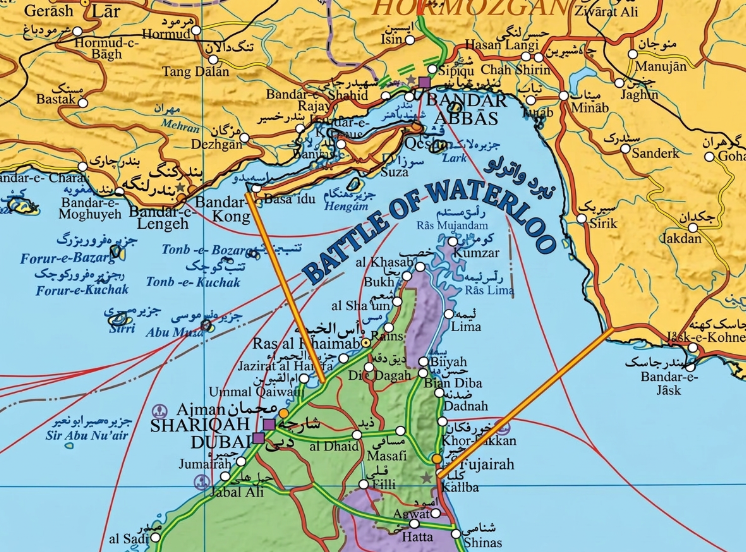
“If a new aggression takes place, we will definitely change the weapons and geography of the war,” Hossein Mohebbi, a spokesman for Iran’s Islamic Revolutionary Guard Corps said Monday.
Mohebbi did not share specifics about the new weapons or which locations might be targeted, but such rhetoric is an escalation trap.
Across domains, escalation traps emerge from:
- Overconfidence in coercive tools (e.g., airpower, sanctions).
- Underestimation of the opponent’s resolve or adaptability.
- Misreading political signals as weakness rather than resilience.
- Credibility concerns — leaders fear that backing down looks weak.
- Reinforcing feedback loops — each escalation justifies the next.
🌍 Strategic significance
Escalation traps matter because they explain why:
- Tactical success does not guarantee political success.
- Wars often become longer, costlier, and broader than planned.
- Great powers can be drawn into conflicts they cannot easily exit.
- Opponents respond with horizontal escalation (new fronts, proxies, maritime disruption).
🧭 In short
An escalation trap is when limited conflict expands because each side’s reaction makes further escalation feel necessary — even though escalation was never the original goal.


