
Where does China fit into biblical prophecy?
In biblical prophecy, China is not explicitly mentioned by name, as the modern nation state did not exist when the biblical texts were written. However, theologians, scholars, and prophecy commentators frequently connect China to specific references based on historical geography, directional descriptions, and end-times troop numbers.
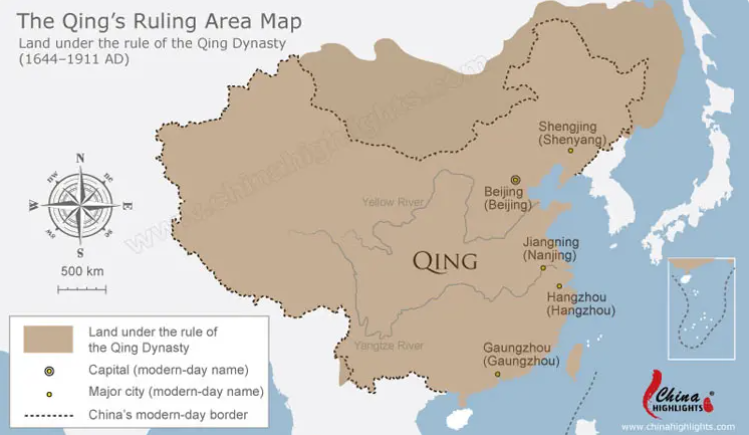
The “Kings from the East” (Revelation 16:12 & 9:16) The most common association comes from the Book of Revelation:
- Revelation 16:12: Describes the drying up of the great river Euphrates to prepare the way for “the kings from the East” (or “kings of the sunrise”) to march toward Armageddon.
- Revelation 9:16: Describes a massive army of 200 million soldiers.
Because China lies directly east of the Middle East and is one of the few nations in modern history capable of fielding or assembling a military force of that size, many futurist commentators view China as either the primary leader or a major partner in this eastern coalition.
The “Land of Sinim” (Isaiah 49:12) In the Old Testament, Isaiah prophesies the global regathering of Israel:
“Surely these shall come from far; look! Those from the north and the west, and these from the land of Sinim.”
- Linguistic Connection: Many Hebrew scholars and linguists (such as Gesenius) link Sinim to the ancient root Sinae or Chin (China). The Latin prefix Sino- (as in Sinology) originates from this root.
- Alternative Views: Other scholars suggest Sinim refers to Syene (Aswan in southern Egypt) or the Wilderness of Sin. However, since the passage contrasts the north and west with a distant land, an eastern or far-southern realm like China remains a widely cited interpretation.
Magog, Sinim, and Global Coalitions
- Some prophecy analysts place China as an ally to the northern forces (often identified with Magog/Ezekiel 38–39) or as a competing superpower during the final global conflict.
- Rather than acting as the Antichrist power—which most traditional interpretations place in the West or Middle East—China is typically viewed as a major eastern geopolitical actor that challenges or clashes with Western and Middle Eastern powers in the end times.
Mainstream Theological Consensus Historical-critical and symbolic interpreters view these passages differently:
- Symbolic/Preterist views interpret the “kings of the east” as representing historical threats to ancient empires (such as the Parthians or Medes) or as symbolic representations of worldly forces opposing God, rather than a literal prediction of 21st-century Asian geopolitical alliances.


