
Shamash and Mithra
Why and how did Babylon has two sun-gods: 1. Shamash: the Sun-god in Babylonian Cosmology, and 2 Mithra?
The short answer is that Babylon did not naturally have two sun-gods in its own native pantheon. Instead, this overlap happened through cultural syncretism and foreign conquest.
- Shamash (Utu in Sumerian) was the original, native Mesopotamian sun-god who existed in Babylonia for thousands of years.
- Mithra was an Iranian/Persian god who was introduced into the Mesopotamian world much later, following the Achaemenid Persian conquest of Babylon under Cyrus the Great in 539 BCE.
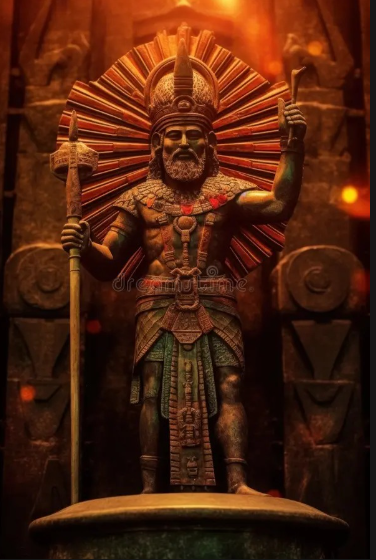
1. Shamash: The Native Sun-God of Babylonia
Shamash was an ancient Semitic deity deeply woven into Mesopotamian cosmology from the earliest Sumerian and Akkadian periods.
- Role: He represented the physical sun, riding his chariot across the sky by day and traveling through the underworld by night.
- Attribute: Because the sun illuminates everything and hides nothing, Shamash was revered as the god of truth, morality, and ultimate justice. He was the divine judge who gave King Hammurabi his famous legal code.
2. Mithra: The Imported Persian Divinity
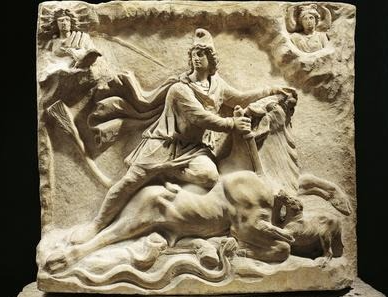
Mithra originated in the ancient Indo-Iranian tradition. He was not originally a Babylonian deity at all.
- Role: In Zoroastrian and early Iranian tradition, Mithra was primary the god of covenants, oaths, and divine order.
- Solar Connection: Over time, Mithra became associated with the rising sun, dawn, and sunlight—the all-seeing light that guarantees no contract or oath is broken in secret. (Note: In strict early Zoroastrian theology, the actual sun deity was Hvare-khshaeta, but Mithra was the divinity of celestial light).
How and Why They Came to Coexist
1. Imperial Conquest (539 BCE)
When Cyrus the Great conquered Babylon, the Persian Empire made Babylonia a key administrative province (satrapy). Persian administrators, soldiers, and nobles brought their own worship of Mithra into Mesopotamia.
2. Deep Theological Parallels (Syncretism)
When Persian and Babylonian cultures merged, ancient priests realized that Shamash and Mithra shared nearly identical divine duties:
- Both were gods of justice and truth: Shamash saw all deeds from the sky; Mithra punished those who broke oaths or covenants.
- Both were associated with solar light: Shamash was the sun itself; Mithra was the guardian of sunlight and dawn.
Because of these striking similarities, Hellenistic, Babylonian, and Persian writers began to treat them as equivalents (interpretatio graeca/persica).
Summary Table
| Feature | Shamash (Babylonian) | Mithra (Iranian/Persian) |
| Origin | Native Mesopotamian (Akkadian/Sumerian) | Indo-Iranian / Zoroastrian |
| Primary Domain | The physical sun, justice, divination | Oaths, covenants, celestial light, justice |
| Presence in Babylon | From ~3000 BCE onward | Arrived post-539 BCE (Persian rule) |
| Relationship | Absorbed aspects of Mithra during late antiquity | Equated with Shamash due to shared roles in justice & light |
Rather than Babylon having two competing native sun-gods, it hosted a syncretic blending of Mesopotamia’s ancient sun-god (Shamash) with the incoming Persian deity of light and truth (Mithra).
To learn more about how Mesopotamian and Persian religious traditions blended during the Achaemenid era, check out this video on Shamash the Babylonian Sun god. It provides a detailed overview of Shamash’s role in ancient Mesopotamian religion and how his association with justice laid the groundwork for syncretism with foreign deities like Mithra.


 Current World Affairs