
US’s Three-Day Attack Iran Plan
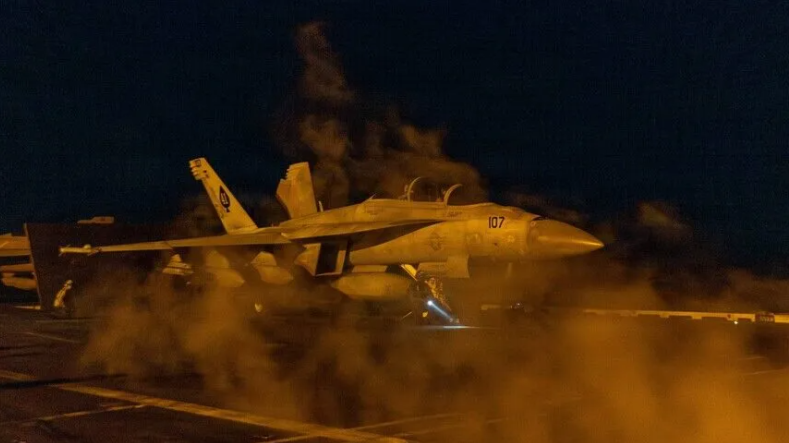
PENTAGON PREPARES: US Draws Up Three-Day Attack Plan Against Iran As Three Aircraft Carriers Head To Middle East By Late October
Trump recently said he was still trying to decide how to continue the mission in Iran, saying he is choosing between “wiping Iran out, letting them rot economically.”
Iran responses by threatening to use “new weapons and geography of the war.”
Yeshiva World News • October 18, 2016 ~ AA News (Istanbul)
The Pentagon has prepared detailed plans for a major three-day military operation against Iran, even as President Donald Trump has repeatedly rejected proposals for renewed strikes against the Iranian regime, according to a report by The New York Times.
The plans, developed at Trump’s request, call for an intensive campaign targeting the Islamic Revolutionary Guard Corps (IRGC), including its missile and drone arsenals, command facilities, and energy infrastructure.
The proposed operation was discussed during a high-level meeting at Camp David chaired by Vice President JD Vance.
Despite the advanced military preparations, Trump has reportedly made clear that he will not authorize an attack before the November 3 US midterm elections, citing ongoing diplomatic efforts with Tehran.
The president described the negotiations as “useful talks,” suggesting that the administration is continuing to pursue a diplomatic resolution while maintaining military options.
According to American officials cited in the report, the Pentagon and National Security Council have presented five separate proposals in recent months for military operations against Iran or the Iranian-backed Houthi terrorists in Yemen. Trump reportedly rejected all five.
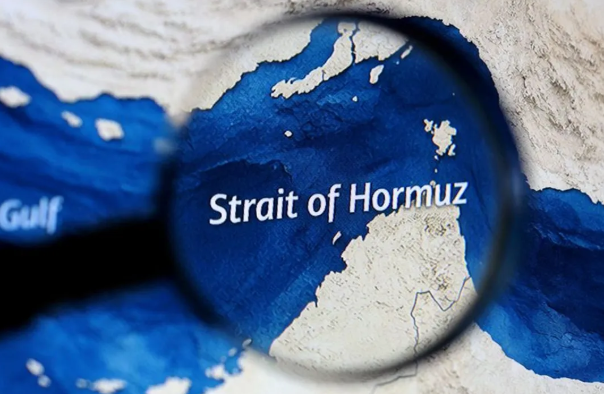
Administration officials believe the president may postpone any major decision until after Israel’s October 27 elections and the American midterms the following week.
Meanwhile, diplomatic negotiations with Iran remain deadlocked over the regime’s nuclear program. Washington is demanding that nuclear issues be addressed first, while Tehran insists that those discussions be left until the final stages of negotiations.
At the same time, the United States is assembling an extraordinary concentration of naval and air power in the Middle East.
By late October, three American aircraft carriers — the USS Theodore Roosevelt, USS George Bush, and USS George Washington — are expected to be operating in the region simultaneously.
The deployment would mark the first time since 2003 that three US aircraft carriers have been concentrated in the Middle East.
The massive American military presence is expected to include dozens of warships, hundreds of aircraft, and more than 20,000 sailors and Marines.
The buildup provides Washington with substantial offensive capabilities against Iran while also strengthening American defenses against potential retaliatory attacks.
American military officials are also increasingly concerned about improvements in Iranian tactics and weapons capabilities.
According to the report, Iranian forces have struck between 13 and 20 oil tankers since September, demonstrating their ability to threaten international shipping and energy infrastructure.
US officials are particularly concerned about Iran’s reported use of satellite imagery obtained from Chinese companies to improve the accuracy of attacks against American military installations.
The increasingly sophisticated Iranian operations have forced American forces to expend larger quantities of missile interceptors, placing additional pressure on US ammunition stockpiles.
CENTCOM has reportedly been forced to transfer additional munitions from American military inventories in Europe and Asia to reinforce its defensive capabilities in the Middle East.
In a separate development Thursday, the US Treasury Department imposed sanctions on 17 vessels associated with Iran’s shadow fleet, part of Washington’s continuing effort to restrict the regime’s ability to generate revenue through illicit oil shipments.


