
King Charles’ warns Trump could be speaking French

Why did King Charles’ subtle but striking warning to America that they could be speaking French?
King Charles’s striking remark that Americans could be “speaking French” was a sharp-witted historical retort aimed at President Donald Trump during a White House state dinner on Tuesday, April 28, 2026.
The comment was a direct counterpoint to President Trump’s previous assertions that without American intervention in World War II, Europeans would be “speaking German and a little Japanese.” King Charles cleverly flipped this logic by referencing the 18th-century colonial rivalry between Britain and France for control of North America.
The Context of the Exchange
The King used the state dinner to blend diplomacy with humor, addressing the “special relationship” between the two nations despite underlying geopolitical tensions, such as those regarding the war in Iran.
- The “Speaking French” Quip: Charles remarked, “You recently commented, Mr President, that if it were not for the United States, European countries would be speaking German. Dare I say that, if it wasn’t for us, you’d be speaking French.”
- The Historical Reference: This jab referred to the Seven Years’ War (specifically the French and Indian War), where British victory prevented France from becoming the dominant colonial power in North America.
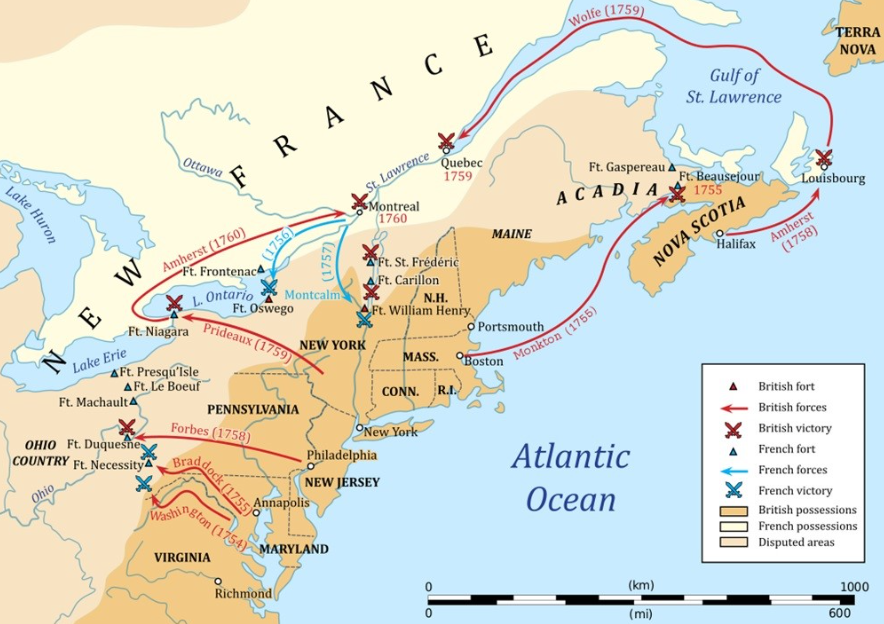
The Seven Years’ War
The Seven Years’ War (1756–1763) is often described as the first truly global conflict, involving every major European power and spanning five continents. It essentially consisted of two distinct struggles that merged into one: a continental battle for territory in Europe and a colonial rivalry for global empire.
The Two Major Struggles
- Austria vs. Prussia: In Europe, the conflict was a continuation of the rivalry over Silesia. Austria, Russia, and France allied against Prussia, led by Frederick the Great. Despite being heavily outnumbered, Frederick survived through tactical genius and financial support from Great Britain.
- Britain vs. France: This theater (known as the French and Indian War in North America) focused on colonial and commercial supremacy. Britain utilized its superior navy to blockade France, cutting off their colonies from reinforcements.
Global Theaters and Key Battles
The war was fought across diverse regions with significant shifts in power:
| Theater | Key Events & Battles | Outcome |
| North America | Battle of Quebec (1759); Fall of Louisbourg | British conquered Canada and all land east of the Mississippi. |
| Europe | Battles of Rossbach, Leuthen, and Kunersdorf | Prussia established itself as a major military power. |
| India | Battle of Plassey (1757); Battle of Wandiwash | British East India Company effectively expelled French influence. |
| Global Naval | Capture of Senegal (Africa); Seizure of Cuba & Philippines (Spain) | Britain consolidated its status as the world’s dominant naval power. |
How it Ended
The war concluded in 1763 with two separate treaties:
- Treaty of Paris: Ended the war between Britain, France, and Spain. France lost almost all its North American territory and its dominant position in India.
- Treaty of Hubertusburg: Ended the war between Austria and Prussia, largely restoring pre-war borders but confirming Prussia’s possession of Silesia.
Long-Term Impact
- British Dominance: Britain emerged as the world’s leading colonial power but was left with massive debt.
- The American Revolution: To pay off war debts, Britain imposed new taxes on its American colonies, directly fueling the resentment that led to the American Revolution.
- Prussian Rise: Prussia’s survival against a massive coalition established it as a top-tier European power, eventually leading to the unification of Germany.
All these are part and parcel of prophecies being fulfilled
“Reuben, thou art my firstborn, my might, and the beginning of my strength, the excellency of dignity, and the excellency of power. Genesis 49:3
— Reuben~France, as the firstborn by nature, has the first place in the benedictory address;
— the Targum reveals how France lost his birthright
“Reuben, you are my firstborn, the head of my strength, the beginning of my service, and the start of the city of my thoughts.
“It was fitting for you to have the Birthright, the High Priesthood, and the Kingdom.
“But because you sinned, my son, the Birthright was given to Joseph, the Kingdom to Judah, and the Priesthood to Levi.” Genesis 49:3 Jonathan
France was to be blessed with great honor and power; the birthright was yours, the priesthood was yours, the kingship was yours, but now that you sinned, the birthright was given to Joseph, the priesthood to Levi, and the kingship to Judah.
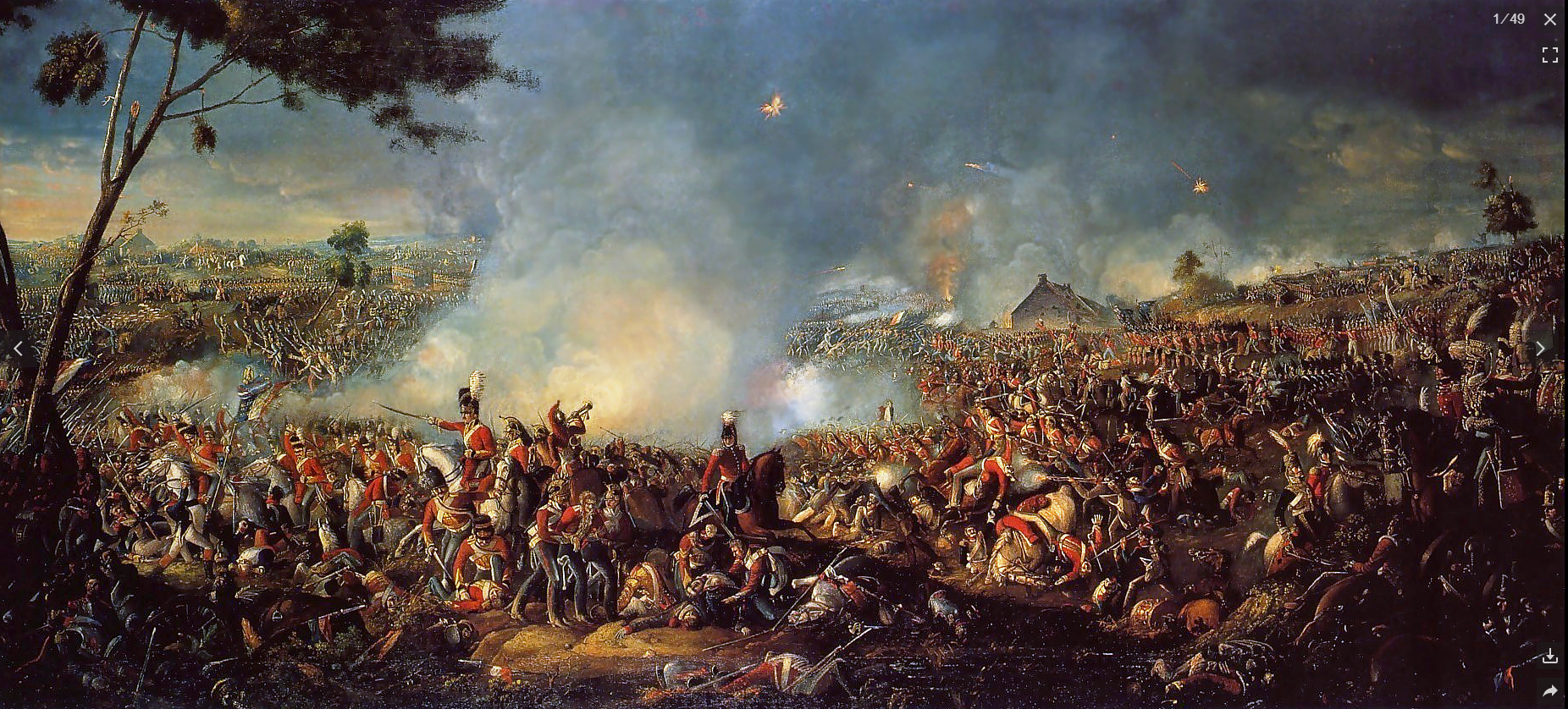
Today, these sons of Joseph are the Five Eyes, and their nerve center runs through Washington DC, not London.
(1) The Irony of a Birthright (2) Ephraim preferred over Manasseh (3) Ephraim as the Thirteenth Tribe (4) Who is this lying Ephraim? (5) The Ox with horns of a Unicorn


