
Ephraim as the Thirteenth Tribe
Who is Ephraim and who is Manasseh? Both should have a significant role to play in our current world affairs. Genesis 48 “And he set Ephraim before Manasseh.”
Jacob, later called Israel, was the younger twin brother of Esau, and the grandson of Abraham. Accordingly, he was chosen by God to be the patriarch of the Israelite nation; made up of twelve tribes from each of the sons of Jacob.
But in Egypt, upon his dying bed, Jacob adopted the two sons of Joseph, Ephraim and Manasseh, to be his own sons, thus making thirteen tribes in total.
It’s well known that the twelve tribes settled in north-west Europe, including the United Kingdom. From the British’s expansion came numerous colonies, and one of them eventually surpassed the motherland to become a global power—the United States.
The United States was, by far, the latest to arrive onto the world stage, and by any sense of logic, would be ranked as the thirteenth tribe. And what a hegemon it became after arriving, claiming Manifest Destiny, pushing westward and gaining additional states, it emerged into what is now the United States of America.
At the same time, it also pushed southward with its hegemonic imperialism, known as the Monroe Doctrine; and eventually came to dominate the politics of Latin American politics.
Within the next century the strength and fortitude of the United States came twice to the rescue of its European allies from being overwhelmed first by Imperial Germans, then within a few decades, by Nazi Germany.
When the Soviet Union took control of Eastern Europe and essentially kept them under the yoke of communism, Western Europe stayed free thanks to its NATO alliance with the United States.
And here are the proofs that the United States has that special pedigree; that Special Blessing, that Special Birthright that Jacob bestored upon Joseph, with a more prominent portion directed toward Ephraim.
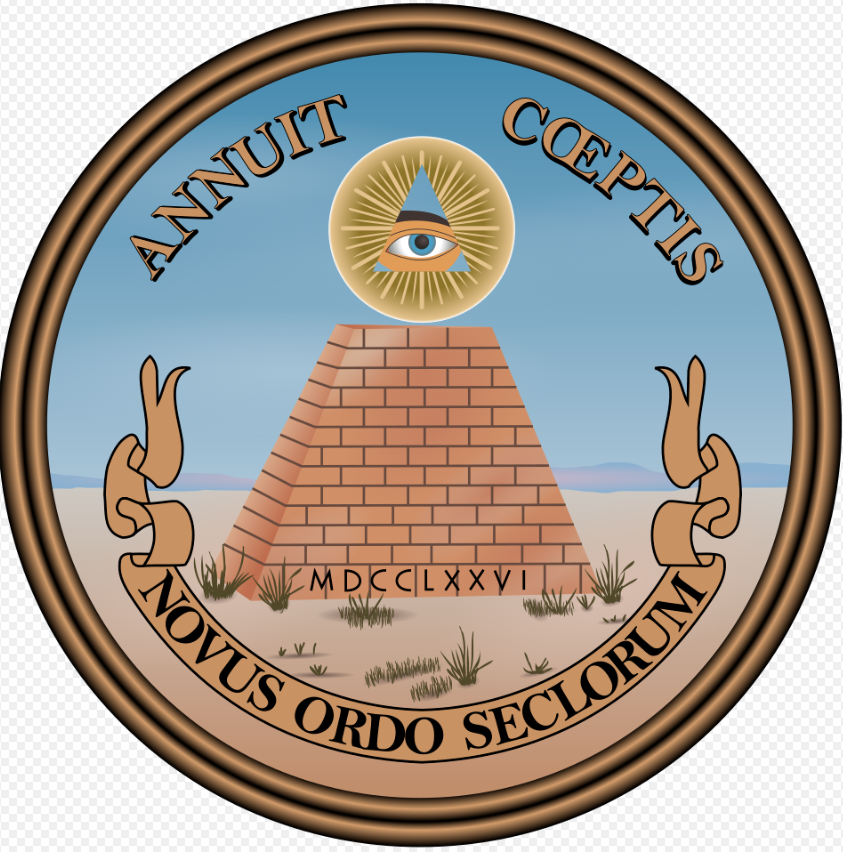
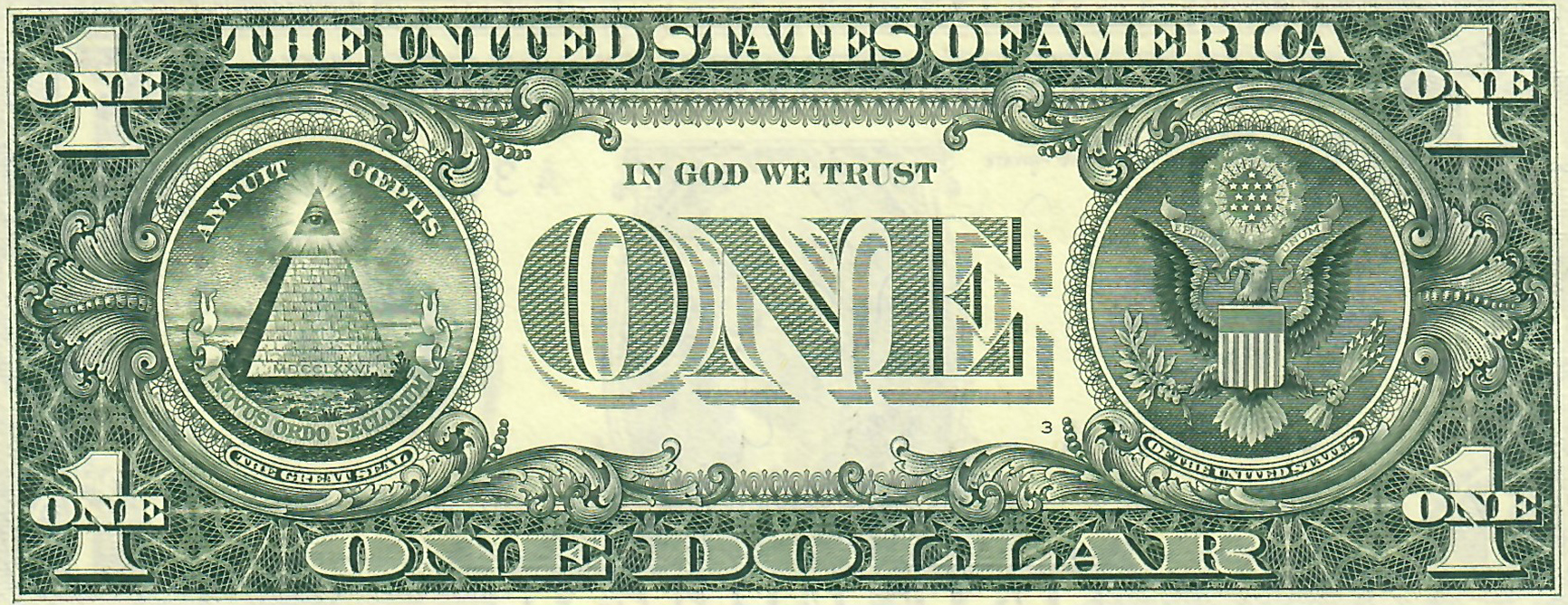
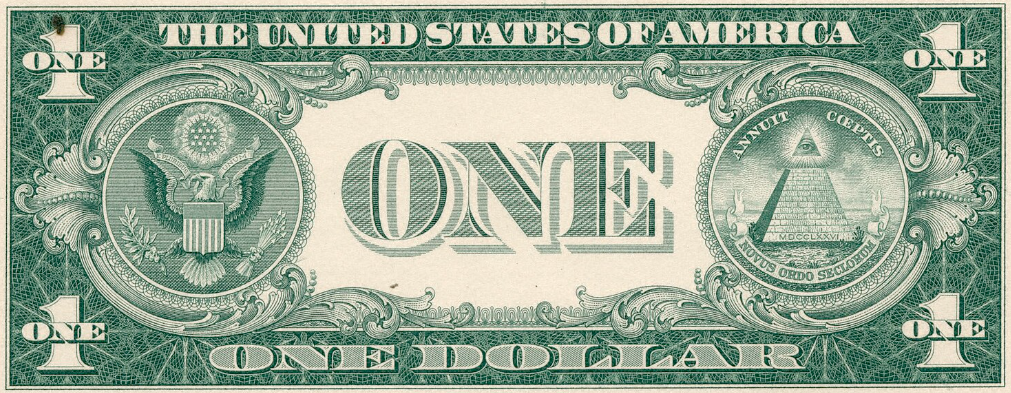
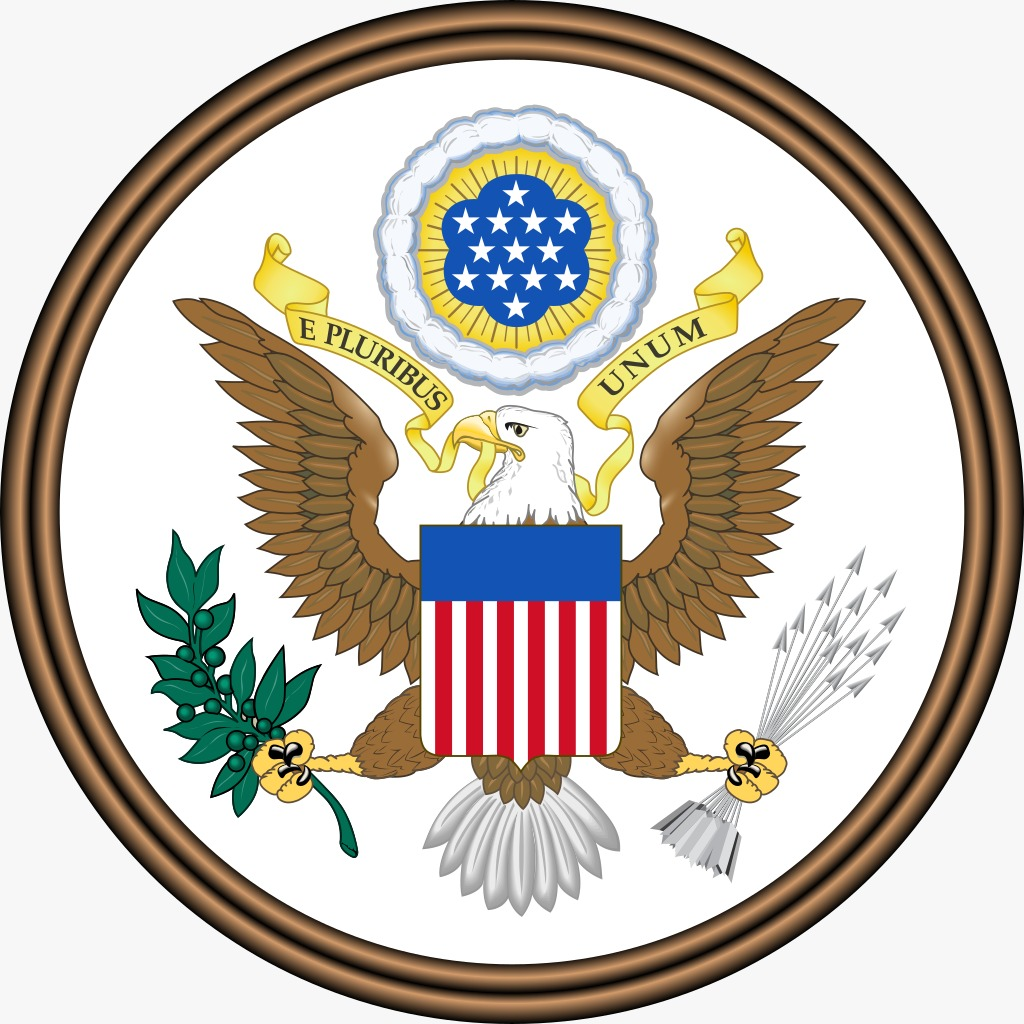
Today, the identity of Ephraim is prominently enshrined in its national crests and seals, but the poor, naked and blind couldn’t see, Revelation 3:17. Of course as being Laodiceans and being blinded it would be impossible to see their own wretchedness and nakedness.
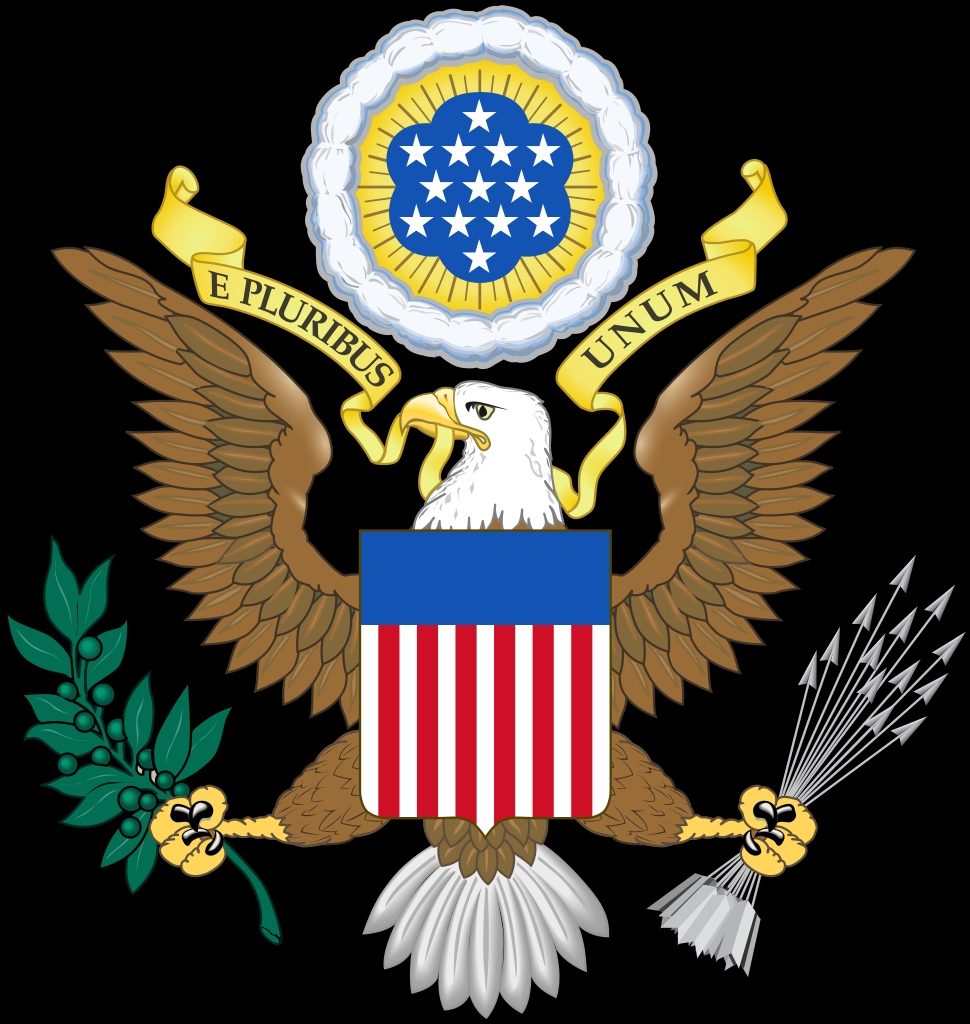
[a] 13 States signed The Declaration of Independence
[b] 13 Stars are above the Eagle on the American Seal
[c] 13 Letters form the motto “E Pluribus Unum” means “Out of many, One”
[d] 13 Leaves are on the Olive Branch, on the left talon
[e] 13 Olives also, are on the left talon of the US Seal
[f] 13 Arrows are on the right talon of the Shield
[g] 13 Stripes are featured on the Shield
[h] 13 Stars were on the original US Flag — “Old Glory”
[i] 13 Stripes also, were on “Old Glory”
[j] 13 Stripes still feature on the current Flag of the United States
But his younger son, Ephraim, the thirteenth, shall be greater than he, so Jacob set Ephraim before Manasseh. Genesis 48:19
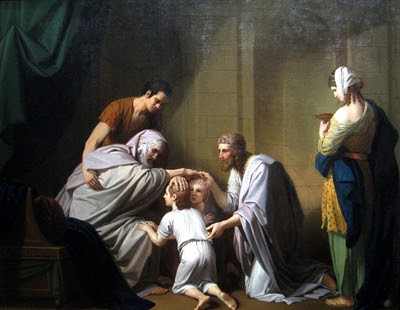
It must be emphasized that the thirteenth arrived after all the other twelve had arrived and settled. That is, the thirteenth tribe arrived after the twelfth, certainly not the other way round!
The newest of the nations, across the Atlantic, a growing New England colonies had broken away from British rule. And charging like a bull, American ingenuity pushed its borders in all directions.
Interestingly, it all started with just 13 original colonies, 13 ships in the original American Navy, 13 letters in “Fourth of July.”
And during World War I, 13 ships were sent to Europe, and took 13 days to cross the Atlantic, landing on Friday the 13th; the American troops on board fought in 13 battles in France.
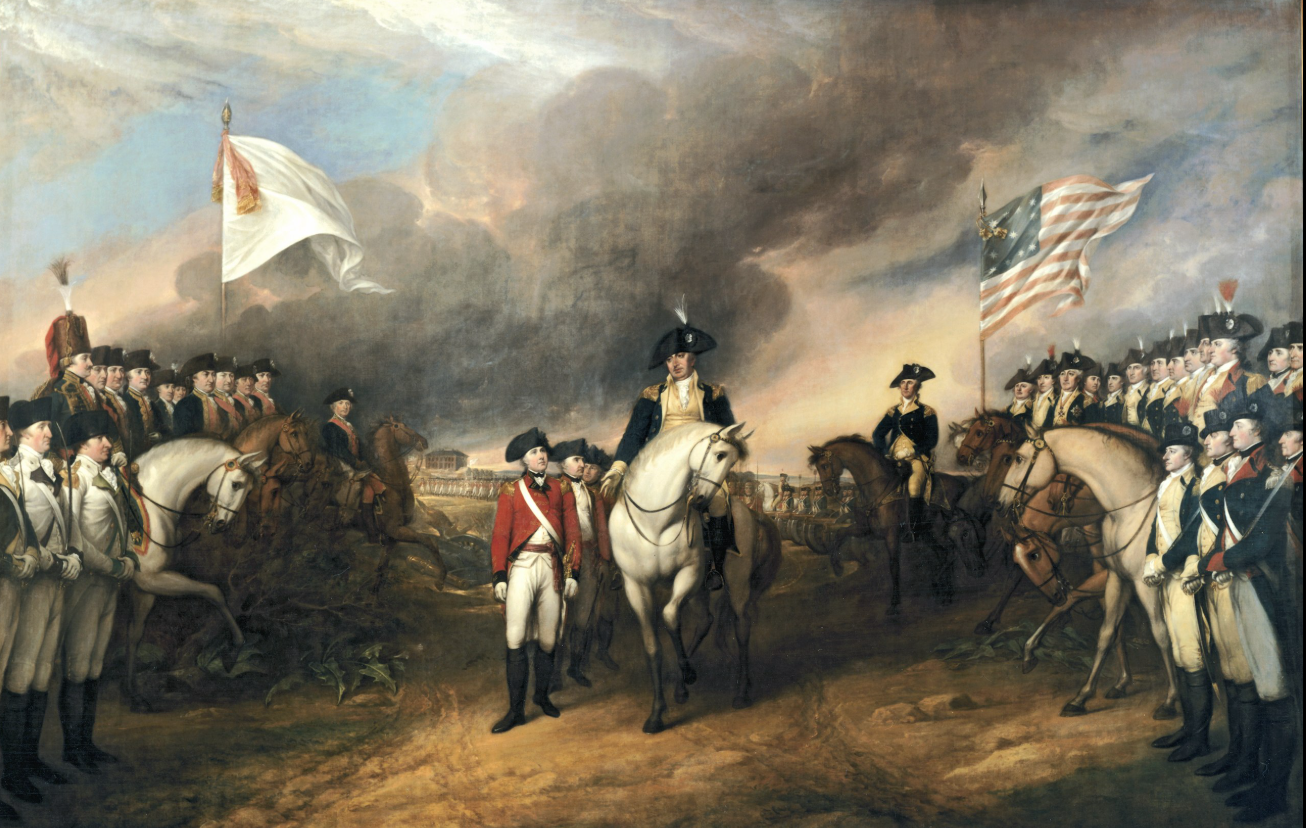
The US was formed from thirteen British colonies running down the Atlantic Coast of North America from what is today Maine—then part of Massachusetts—to Georgia. The US fought two wars to secure its freedom from Britain: the Revolutionary War of 1775-83 and the War of 1812.
In 1783, America’s western border reached the Mississippi River. In desperate need of cash to wage war against England, France’s Napoleon sold his country’s vast American territorial holdings to Ephraim in 1803, resulting in the Louisiana Purchase—doubling the size of the nation.
The thirteen tribes, emerging as a young nation in the secular world or known as the Thirteenth Tribe in the Abrahamic tradition, began to flourish shortly after 1800.
This Louisiana addition in 1803 literally made the United States a contender on the world’s economic stage by over 800,000 square miles of the most fertile farmland in the world—the American Midwest.
In 1845, the Texas Annexation was added, and a year later the Oregon Territory was acquired. As a result of the Mexican War of 1846-1848, Mexico surrendered lands extending from Texas to the lower west coast. The last major addition would come in 1867 as Alaska was purchased from Russia.
Thus, at the turn of the 19th century, and charging like a pack of bisons, the various states established the Union of Fifty States (gō·yim) that ultimately became the present-day United States of America.
This unparalleled expansion took in some of the world’s richest farmland and most valuable natural resources, eventually making Americans to enjoy a per-capita wealth never before seen in the world, while its population destined to be “doubly fruitful,” described as “the ten thousands of Ephraim,” exceeding that of his brother, “the thousands of Manasseh.”
After World War II, the British Manasseh gradually ceased to be economically and militarily relevant. And by the end of World War II, the horn of the Unicorn was broken with mounting problems in every part of its empire seeking independence.
But America emerged as the top economic and military power, taking the role of “leader of the free world.”
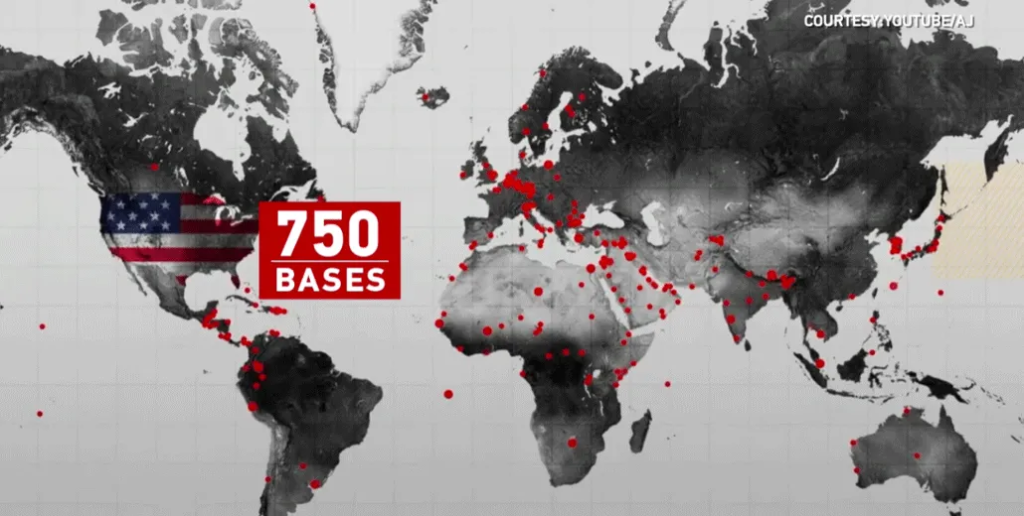
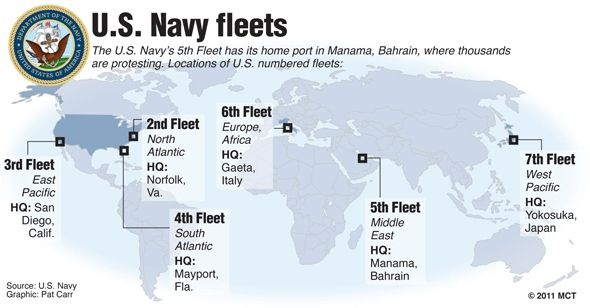
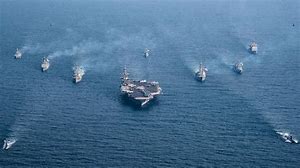
Then beginning in the 1950s, with seven fleets around the oceans, America had became a global hegemon; and it was obvious that the American power would exceed the international role enjoyed by the British two centuries earlier.
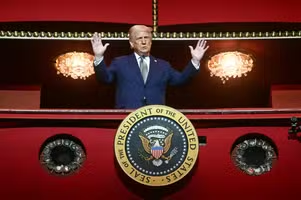
“And what a hegemon I am after I arrived, unquestioned and unrestrained.”
Like Britain in the nineteenth century, the Union of Fifty States (gō·yim) of the United States in the twenty–first century has power to spare. In fact the US has more power than Britain did at the height of its empire, more power than any other state in modern times.
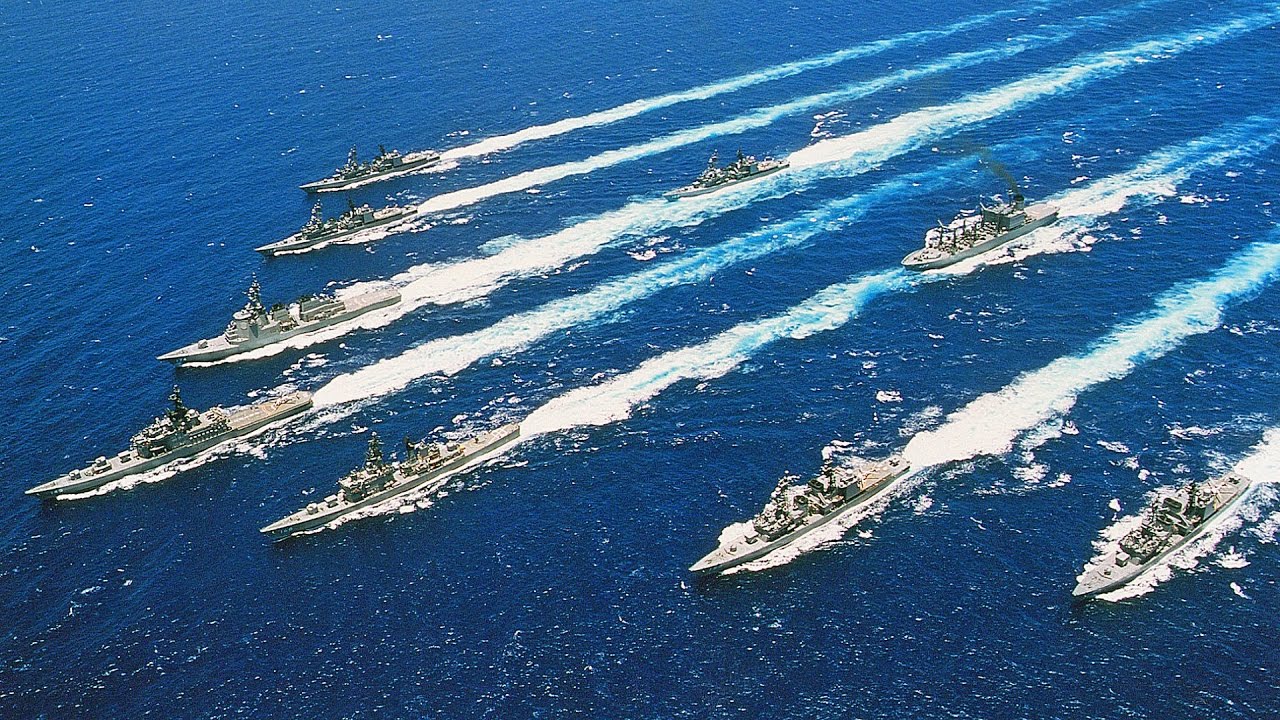
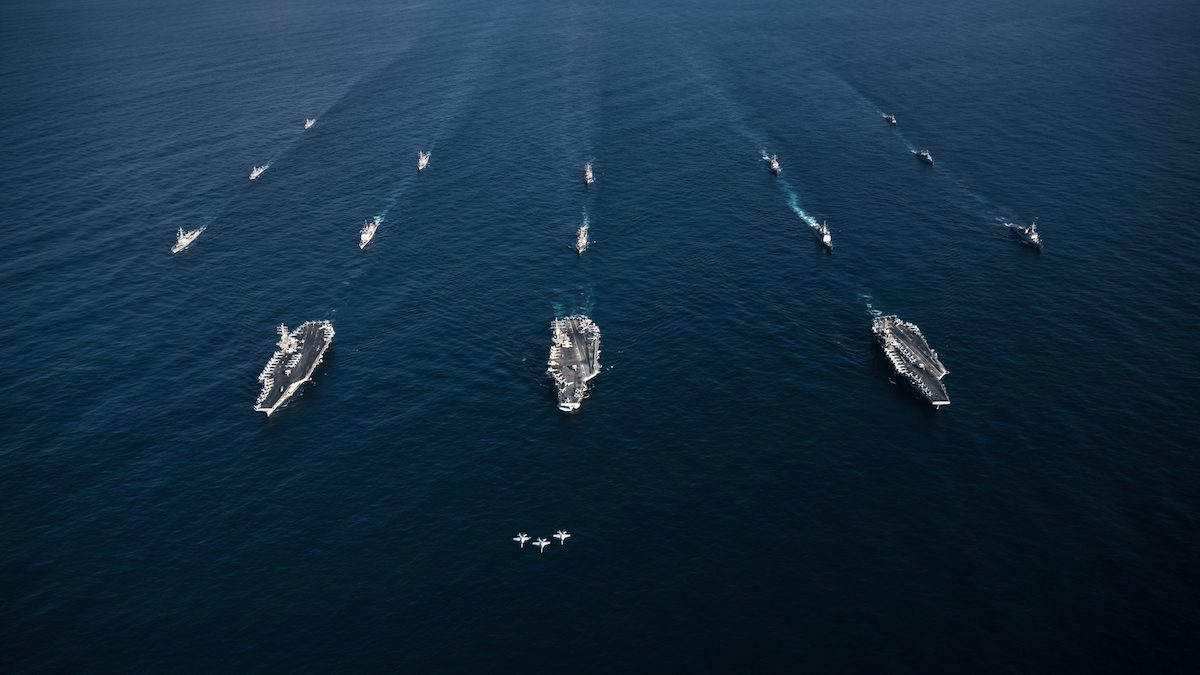
The United States deploys the world’s only blue–water navy of any significance and the world’s most powerful air force; its armed forces have expeditionary capability undreamed of by any other power; its economy, powered by unceasing technological innovation, is the biggest and most dynamic on earth; its language has achieved a ubiquity unrivaled by any tongue since Latin; its culture permeates distant lands; and its political ideals remain a beacon of hope for all those ‘yearning to be free.’
When its last major military rival—the Soviet Union—collapsed in 1991, Ephraim’s power as the thirteenth tribe, who arrived later than all his other twelve Patriarchs had before him, was not only just unquestioned but unrestrained.
The rest is history; and for more on the rivalry between Esau and Jacob, see
Today, these sons of Joseph are the Five Eyes, and their nerve center runs through Washington DC, not London.
(1) The Irony of a Birthright (2) Ephraim and Manasseh (3) Ephraim as the Thirteenth Tribe (4) Who is this lying Ephraim? (5) The Ox with horns of a Unicorn


