
Iran demands seven conditions to be met
Iran will not reopen the Strait of Hormuz or return to negotiations until seven new conditions presented through intermediaries are met.
Reuters • October 20, 2026
CAIRO, Oct 20 (Reuters) – Iran told Pakistan’s army chief on Tuesday that there would be no talks with Washington until Tehran’s demands were met, Iranian media reported, underscoring its hardening stance despite mediation efforts by key interlocutor Pakistan.
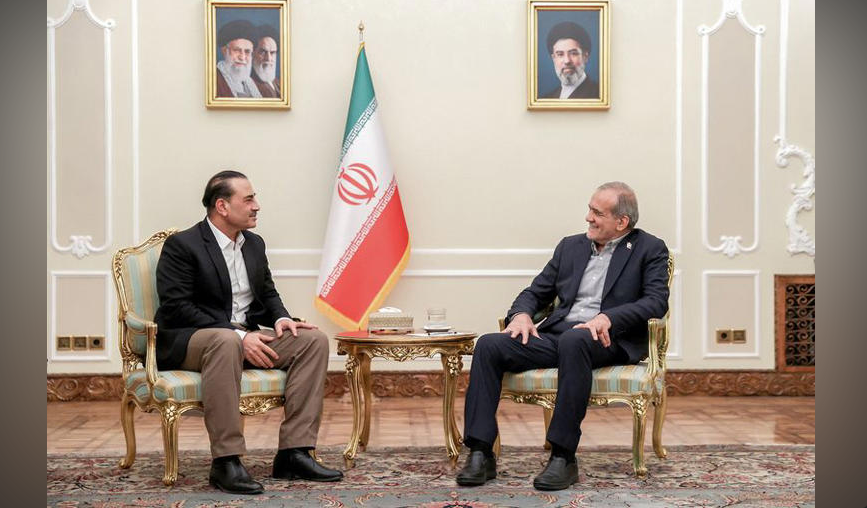
President Masoud Pezeshkian discussed mediation efforts and regional developments with Field Marshal Asim Munir in Tehran, according to Nournews.
Munir also met Iranian parliament speaker Mohammad Baqer Qalibaf, who said Washington could not regain Tehran’s trust until it fulfilled seven conditions Iran set last month for reopening the Strait of Hormuz, according to an Iranian readout of the meeting.
Mohsen Rezaei, Secretary of Iran’s Supreme National Security Council, and Foreign Minister Abbas Araghchi regarding the reopening of the Strait of Hormuz and the resumption of diplomatic talks with the United States, demands that seven conditions must first be met.
Tehran has made it clear that control of the Strait is no longer just a subject of discussion, but an active lever of leverage and a structural guarantee to ensure US compliance with any future agreement.
Key Demands & The Proposed 7-Day Plan
Iran delivered its proposal to Washington via regional intermediaries (notably Qatar and Oman). The core terms and proposed timeline center around several key points:
- The Seven Core Demands:
- An immediate end to all US military operations and hostile actions against Iranian forces and regional allies.
- The complete lifting of the US naval and port blockade on Iranian waters.
- The lifting of economic sanctions targeting Iranian oil exports.
- The unfreezing of Iranian assets held in international banks.
- The withdrawal of US naval and air assets stationed in immediate proximity to Iran.
- Financial compensation for infrastructure and economic damages caused during the conflict.
- A binding cessation of military threats and political hostility directed at Tehran.
- The Phased Implementation Mechanism:
- Sequence: Under Tehran’s 7-day proposal, the US must first initiate compliance with the demands. Iran proposes to reopen the waterway on the 6th day after Washington begins fulfilling its commitments.
- Oman Maritime Corridor: Iran and Oman reached an understanding on a newly designated maritime transit corridor for commercial traffic. However, Iranian officials emphasize that this corridor will remain inactive until Washington accepts and begins implementing the seven conditions.
Tactical & Political Stance
- Rejection of “Goodwill” Assurances: Iranian leadership stated that Tehran is no longer willing to rely on political goodwill or non-binding pledges from Washington, insisting that concrete military and economic steps must precede any relief in the Strait.
- Enforcement & Security Warnings: Iranian security officials warned that any commercial vessels attempting to traverse the Strait of Hormuz without an official agreement in place will face direct security risks. They also cautioned that if hostilities escalate, Iran is prepared to target US regional assets and energy infrastructure, threatening multi-year turmoil in global energy markets.
US Vice President JD Vance said earlier this month that Iran must make a “meaningful” reduction in its uranium enrichment capacity to satisfy US demands and end the countries’ eight-month-old war.
Israel, the United States and other Western states have long accused Iran of seeking nuclear weapons, including pointing to its move to enrich uranium to 60%, far higher than needed for civilian uses and closer to the 90% needed for a weapon.
Iran denies seeking any nuclear weapons.


