
These US Cities Would Vanish First
If Nuclear War Started Tomorrow, These US Cities Would Vanish First
For more, Could Zechariah 5 indicate there would be a nuclear war?
Yahoo News • December 1, 2025
The thought of nuclear war feels like something pulled from a Cold War documentary or a dystopian movie — not a real possibility. But experts, defense analysts, and national security planners still map out the unthinkable: which U.S. cities would be targeted first if a nuclear conflict ever erupted. It’s not about fear-mongering; it’s about understanding how geopolitical strategy works, how population centers factor into risk, and why certain cities sit high on every hypothetical strike list.
1. Washington, DC
As the heart of American governance, Washington, DC, stands out as a prime target in any nuclear conflict scenario. The city houses key institutions like the White House, the Capitol, and the Pentagon. This makes it not only a symbol of US political power but also a functional node critical to national defense operations. You can imagine the strategic chaos that would unfold if DC were compromised.
According to an article from the Bulletin of the Atomic Scientists, Washington, DC, tops the list of potential nuclear targets due to its political significance. The piece emphasizes the catastrophic impact on both governance and civilian life. So, while the idea of such an event is unsettling, it underscores the importance of diplomatic solutions to international tensions.
2. New York City
New York City, with its bustling streets and towering skyscrapers, represents not only economic prowess but also cultural influence. As a global financial hub, it’s home to the New York Stock Exchange and major corporate headquarters. A nuclear strike here would ripple across global markets, creating financial instability worldwide. It’s a city whose vibrancy is matched only by its vulnerability in such dire scenarios.
For the millions who call it home, NYC is a mosaic of cultures and dreams, making the thought of its disappearance profoundly poignant. Imagine the loss of iconic landmarks like the Statue of Liberty and Times Square, and the impact on art, media, and commerce. It’s a scenario that highlights the stakes of global peace, as well as the resilience inherent in the spirit of its people.
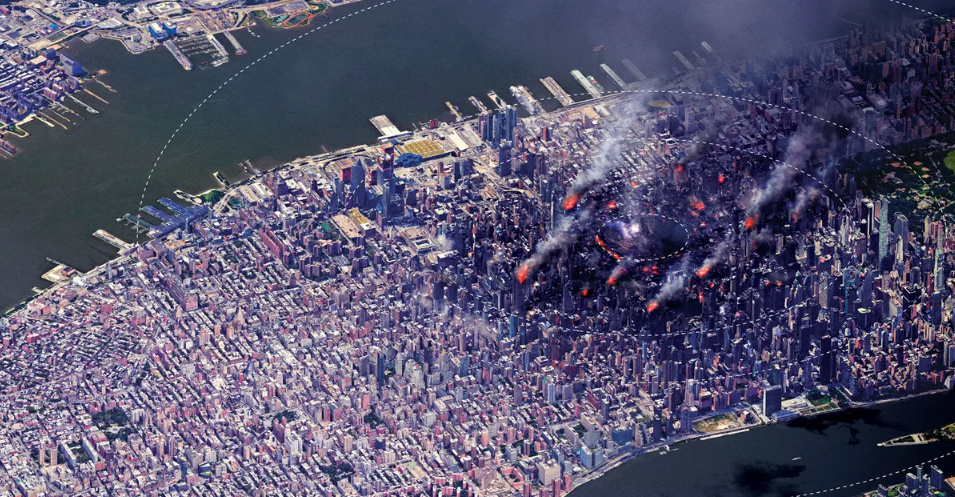
3. Los Angeles
Los Angeles, renowned for its entertainment industry, holds a unique place in American society. It’s a city of dreams, where films and music that shape global culture are created. Beyond the glitz, L.A. is a critical port city, essential for trade and the flow of goods into the United States. Its loss would not only disrupt Hollywood but also the supply chains that support daily life across the nation.
A report by the RAND Corporation outlines Los Angeles as a potential nuclear target due to its economic and cultural significance. The study highlights how a strike here would impact everything from international trade to entertainment. This dual role as both a cultural and logistical hub makes Los Angeles an essential city in discussions about strategic defense and policy-making.
4. San Francisco
San Francisco is a technological powerhouse, home to Silicon Valley and the birthplace of many innovative startups. As a leader in tech and innovation, its reach extends far beyond its iconic Golden Gate Bridge. In a nuclear scenario, crippling the tech industry would have profound global implications, affecting everything from communications to finance. It’s a city whose future-oriented mindset is its greatest strength—and its potential vulnerability.
The Bay Area’s unique geography, marked by its picturesque hills and bridges, adds another layer of complexity to evacuation and defense planning. The community here thrives on diversity and innovation, making the idea of its erasure all the more tragic. In contemplating its fate, you’re reminded of the broader importance of safeguarding innovation centers that drive progress worldwide.
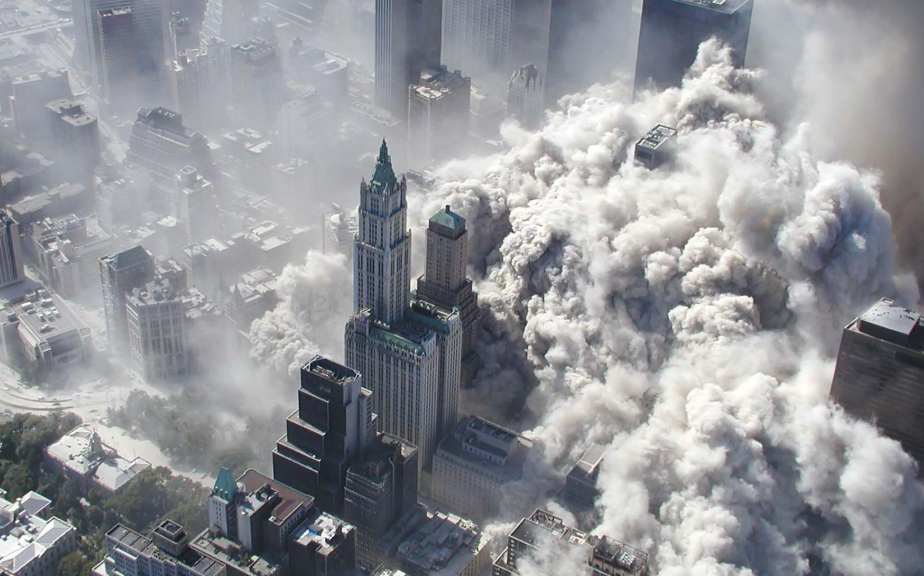
5. Houston
Houston stands as a giant in the energy sector, renowned for its oil and gas industries. As the energy capital of the world, it plays a pivotal role in the global economy by influencing energy prices and innovations. A nuclear strike here would reverberate through every sector dependent on energy, affecting global markets and everyday life. The city’s strategic importance cannot be overstated.
According to a study by the Center for Strategic and International Studies, Houston’s critical infrastructure makes it a prime target. The research underscores the interconnected nature of energy and national security. Such insights emphasize the delicate balance of energy dependence and the risks associated with centralizing essential services in a single location.
6. Chicago
Chicago, with its iconic skyline and deep-dish pizza, stands as a central hub in America’s heartland. Known for its architectural beauty and bustling O’Hare International Airport, it’s a nexus for both tourism and transportation. A nuclear attack would disrupt air travel and logistics operations that connect the country. The city’s vibrant neighborhoods paint a picture of American diversity and resilience.
As a major financial center, Chicago’s Board of Trade influences agricultural and financial markets worldwide. The loss of such a key economic player would send shockwaves far beyond its city limits. Contemplating such a scenario is a reminder of the importance of interconnectedness and preparedness in the face of potential crises.
7. Seattle
Seattle’s significance lies in its dual role as a tech hub and a major port city. Home to giants like Amazon and Boeing, it’s a cradle of innovation that impacts industries globally. A nuclear strike would send tremors through the tech world and disrupt trade routes dependent on its port. The city’s unique culture blends progressive values with a fierce entrepreneurial spirit.
A report from the Union of Concerned Scientists highlights Seattle’s vulnerability due to its strategic economic importance. The analysis underscores how its tech innovations are intertwined with global progress. Reflecting on its potential targeting reveals the broader stakes of safeguarding hubs of creativity and commerce.
8. Atlanta
Atlanta is a growing economic powerhouse, known for its role in global commerce and transportation. Hartsfield-Jackson Atlanta International Airport serves as a key artery for travel and logistics. A nuclear strike here would halt air travel and disrupt supply chains that extend far beyond the city. The diverse communities that call Atlanta home add to its rich tapestry of culture and innovation.
The city is also a media center, housing major networks like CNN, which influence global news and views. Its crossroads of culture and commerce make Atlanta a vital component of the national mosaic. Imagining its loss prompts reflection on the resilience of its people and the broader importance of maintaining peace.
9. Miami
Miami is more than just a sun-soaked tourist destination; it is a gateway to Latin America and a cultural melting pot. As a crucial port city, it handles commerce that connects the Americas. A nuclear disaster would devastate its economy and sever vital trade links, affecting businesses and people across the region. The vibrant Art Deco architecture and rich Latino heritage make it a city like no other.
The city’s coastal location also raises concerns about evacuation and disaster management. Imagining its impact underlines the importance of robust defense and diplomacy efforts to protect such vibrant communities. With its unique blend of cultures and economic significance, Miami stands as a reminder of the intricate web of global connections.
God’s FINAL Warning to America Starts NOW (Most Christians Missed This in Zechariah 5)
10. Philadelphia
Philadelphia, known as the birthplace of American democracy, holds a special place in the nation’s heart. Its historic sites, like Independence Hall and the Liberty Bell, are symbols of freedom and resilience. A nuclear strike here would not only devastate these landmarks but also disrupt a key economic region. The city’s role in shaping American values and history adds to its strategic significance.
Philadelphia’s diverse economy, from healthcare to finance, makes it a linchpin for the Northeast corridor. The potential loss underscores the importance of protecting areas rich in historical and economic value. As a city that balances tradition with modernity, its preservation is crucial in maintaining the nation’s cultural and economic heritage.
11. Dallas
Dallas, a beacon of Texan pride, boasts a booming economy driven by industries like energy and technology. As a corporate headquarters hub, it influences both local and national markets. A nuclear event would cripple these industries, with repercussions felt across the country. Dallas represents a unique blend of southern charm and metropolitan dynamism.
The city’s sprawling layout and modern infrastructure present challenges and opportunities in terms of urban planning and disaster preparedness. Its diverse communities contribute to a rich cultural landscape that would be irrevocably altered in such a scenario. The potential impact serves as a stark reminder of the need for vigilant diplomacy and defense strategies.
12. Boston
Boston is a cradle of education and innovation, home to prestigious institutions like Harvard and MIT. Its intellectual capital fuels advancements in technology, medicine, and beyond. A nuclear event would disrupt research and development, stalling progress in numerous fields. The city’s historic significance and cutting-edge innovations create a fascinating juxtaposition.
The cultural heritage of Boston, from Fenway Park to its revolutionary history, adds layers of complexity to its potential targeting. The intellectual and cultural loss would be profound, affecting not just the city but the world. It highlights the need for protecting centers of knowledge and culture as pillars of a progressive society.

13. Detroit
Detroit, the Motor City, has long been a cornerstone of America’s automotive industry. As a hub of manufacturing and innovation, its influence extends across the globe. A nuclear strike would decimate production lines and disrupt supply chains, affecting economies worldwide. Detroit’s story of resilience and reinvention is central to its identity.
The city’s gritty determination and cultural renaissance offer a narrative of hope and recovery. Imagining its loss underscores the broader importance of preserving industries that drive economic growth and community resilience. Detroit’s legacy as a symbol of American industry endures, highlighting the stakes of global peace and stability.
14. Las Vegas
Las Vegas, synonymous with entertainment and opulence, is a symbol of escapism and American excess. Beyond the neon lights and casinos, it’s a key player in the hospitality and tourism sectors. A nuclear strike would bring these industries to a grinding halt, affecting millions of jobs and livelihoods. The city’s ability to reinvent itself amid challenges makes it uniquely resilient.
The stark desert landscape surrounding Las Vegas adds an eerie backdrop to considerations of its potential targeting. Contemplating its fate brings to mind the fragility of human creations in the face of existential threats. The city’s vibrancy and adaptability serve as poignant reminders of the enduring power of hope and innovation.
For more, Could Zechariah 5 indicate there would be a nuclear war?


 Joel
Joel A Prophecy of Esau and Jacob