
Ezekiel (Ch 33-34)
Chapter 33 specifies the duty of a watchman and the sins of his people; it contains a vindication of the justice of God; a threatening of destruction to those who remained in the land after the taking of the city of Jerusalem; and in chapter 34, it highlights the hypocrisy of the prophets who choose to feed themselves rather than feed the flock.
Earlier, we have established that although Ezekiel has his face set toward Jerusalem, this prophecy is meant for the house of Israel “for many years to come” (Ezekiel 12:27); that is, at the endtime. And, here, remember, the top dog of the house of Israel is primarily the United States of America, and secondarily its European allies.
For understanding who the modern tribes of Judah and Joseph are, the best book to have expounded this subject is “Judah’s Sceptre and Joseph’s Birthright” by J.H. Allen (1847-1930).
More on (1) The Birthrights (2) Ephraim and Manasseh (3) Ephraim as the Thirteenth Tribe
(4) Who is this lying Ephraim? (5) The Ox with horns of a Unicorn
Further, the word “Israel” has five (or even six) possible meanings:
(1) Israel in place of Jacob, since the angel gave Jacob a new name, Israel; Genesis 32:28
(2) Jacob said, “and let my name be named on them” Genesis 48:16; that is, the name “Israel” is to be installed to the children of Joseph: Ephraim and Manasseh;
(3) the children of Israel, or all the house of Israel as in Ezekiel 20:40 in the sense of all the progeny of Jacob, all twelve tribes; sometimes expressed as the “whole house of Israel;”
(4) the house of Israel as in Ezekiel 4:3-5 as a single northern “house of Israel” which would mean the ‘first’ house of Israel or as the house of 10-tribes Israel; and then another as;
(5) the ‘second’ house of Israel as the 2-tribes house of Judah as in Ezekiel 4:6; this happened during Rehoboam reign when the kingdom was broken into the house of Israel (north) and the house of Judah (south); in this context, the house of Israel could be the 2-tribes Israel as in Ezekiel 8:6,11,12 and Matthew 15:24;
(6) Israel, the modern state of Israel, established in 1917 by the Balfour declaration and gained independence in 1948.
In understanding prophecies, the third and fourth meanings are mostly in use; the others, very rarely. Still, it may seem confusing, but one should be able to separate the two by sounding out the context.
Ezekiel 33
1 Again the word of the Lord came unto me, saying, — the word of prophecy from the Lord, as the Targum renders it.
2 “Son of man, speak to the children of thy people and say unto them: ‘When I bring the sword upon a land, if the people of the land take a man from their borders and set him as their watchman, and
— the prophet Ezekiel is a watchman to the house of Israel; his appointment to be a watchman is extremely important as it is derived from God and not from the people;
— the Targum says,
“Son of man, prophesy to the children of your people and say to them: A land, if I bring upon it those who kill with the sword, and the people of the land take one man from among them and appoint him for them as a watchman (lookout).”
3 if when he seeth the sword come upon the land, he blow the trumpet and warn the people,
— if what he seeth the sword come upon the land; or those that kill with the sword; as soon as he observes a body of armed men, more or less, marching towards the borders of the land with a manifest intention to enter and invade it;
— he blow the trumpet and warn the people; by blowing the trumpet, the signal they would understand that an enemy was at hand or near; or warn them by word of mouth where he could do it and when it was necessary;
— the Targum says,
“And he sees those who kill with the sword coming upon the land, and he blows the Shofar and warns the people.”
4 then whosoever heareth the sound of the trumpet and taketh not warning, if the sword come and take him away, his blood shall be upon his own head. — if the sword come and take him away; those that kill with the sword, no blame can be laid upon any but himself; the watchman will be clear;
— the Targum says,
“And whoever hears the sound of the Shofar and does not take warning, and the killers with the sword come and take him—the guilt of his killing shall be upon his own head.”
5 He heard the sound of the trumpet and took not warning: his blood shall be upon him. But he that taketh warning shall deliver his soul. — as a watchman to the house of Israel, his duty is to warn sinners of their misery and impending danger;
— the Targum says,
“The sound of his Shofar he heard, yet he did not take warning; the guilt of his killing shall be upon him. But he who took warning has saved his life.”
6 But if the watchman see the sword come and blow not the trumpet, and the people be not warned, if the sword come and take any person from among them, he is taken away in his iniquity; but his blood will I require at the watchman’s hand.’
— but his blood will I require at the watchman’s hands; he shall be punished for not doing his duty,
— for not giving the due warning of danger, on which account the man was surprised with the enemy and taken away unawares; and therefore his death shall be laid to the watchman and he must be answerable for it;
— the Targum says,
“But the watchman, if he sees those who kill with the sword coming and does not blow the Shofar, and the people are not warned, and the killers with the sword come and take a soul from them—he is remembered [taken] for his own guilt, but his blood I will require from the hand of the watchman.”
7 “So thou, O son of man, I have set thee as a watchman unto the house of Israel. Therefore thou shalt hear the word at My mouth and warn them from Me.
— the book of Ezekiel is primarily directed to the children of Israel; all other nations, without exception, are periphery:
3 And He said unto me, “Son of man, I send thee to the children of Israel, to a rebellious nation that hath rebelled against Me. They and their fathers have transgressed against Me, even unto this very day;
4 for they are impudent children and stiffhearted. I send thee unto them; and thou shalt say unto them, ‘Thus saith the Lord God.’ Ezekiel 2:3-4
— this prophecy is meant for the house of Israel, which is primarily the United States of America, and secondarily its European allies;
— therefore thou shalt hear the word from my mouth, and warn them from me; the Targum says, “thou shalt receive the word from my Word, and warn them from sinning before me.”
— the Targum says,
“And you, son of man, I have appointed you as a teacher for the House of Israel; and you shall receive a word from My Memra (Word/Command) and you shall warn them against sinning before Me.”
8 When I say unto the wicked, ‘O wicked man, thou shalt surely die,’ if thou dost not speak to warn the wicked from his way, that wicked man shall die in his iniquity; but his blood will I require at thine hand — the watchman must answer for the blood of all that perish through his negligence;
— the Targum says,
“When I say to the wicked, ‘O wicked man, you shall surely die,’ and you do not speak to warn the wicked from his way—that wicked man shall die for his own guilt, but his blood I will require from your hand.”
9 Nevertheless, if thou warn the wicked of his way to turn from it, if he do not turn from his way, he shall die in his iniquity; but thou hast delivered thy soul. — blood had by this time been shed, but the watchman is to be cleared “if thou warn the wicked of his way to turn from it,”
— the Targum says,
“But you, if you warn the wicked from his way to return from it, and he does not return from his way—he shall die for his own guilt, but you have saved your soul.”
10 “Therefore, O thou son of man, speak unto the house of Israel: ‘Thus ye speak, saying, “If our transgressions and our sins be upon us and we pine away in them, how should we then live?”’
— son of man to speak unto the “house of Israel” re-emphasizing a prophecy which is meant for the United States and its European allies; foremost, most are not keeping the Sabbaths;
— the Targum says,
“And you, son of man, say to the House of Israel: Thus you have said, saying, ‘Because our debts and our sins are set upon us, and in them we are melting away—how then shall we live?'”
11 Say unto them: ‘As I live, saith the Lord God, I have no pleasure in the death of the wicked, but that the wicked turn from his way and live. Turn ye, turn ye from your evil ways; for why will ye die, O house of Israel?’
— again the “house of Israel” re-emphasizing a prophecy which is meant for the United States and its European allies; their sabbath which is Sundays, where the original keepers were the Samaritans, brought from the Assyrians to corrupt the children of Israel;
— and those who persist in their blindness will be horsewhipped! Nar, those who resist would suffer Judgement by the sword, by famine, by pestilence and spending years in captivity to reflect and repent there;
— the Targum says,
“Say to them: ‘As I live,’ says the Lord God, ‘I do not desire the death of the wicked, but rather that the wicked return from his way and live. Return, return from your evil ways! For why should you die, O House of Israel?'”
— for more see
(1) Ezekiel 4 – 390/40 Years Timeline; and
12 Therefore, thou son of man, say unto the children of thy people: ‘The righteousness of the righteous shall not deliver him in the day of his transgression. As for the wickedness of the wicked, he shall not fall thereby in the day that he turneth from his wickedness, neither shall the righteous be able to live for his righteousness in the day that he sinneth.’
— a good person’s righteous life won’t save him when he decides to sin, and a bad person’s wicked life won’t prevent him from repenting his wickedness;
— the Targum says,
“And you, son of man, say to the children of your people: The merit of the righteous shall not save him on the day of his sin; and as for the guilt of the wicked, he shall not stumble by it on the day he returns from his sin; and the righteous shall not be able to endure by [his past] on the day of his sin.”
13 When I shall say to the righteous that he shall surely live, if he trust to his own righteousness and commit iniquity, all his righteousnesses shall not be remembered; but for his iniquity that he hath committed, he shall die for it. — Exodus 31:14 “Ye shall keep the Sabbath therefore, for it is holy unto you. Every one who defileth it shall surely be put to death;
— for whosoever doeth any work therein, that soul shall “be cut off from among his people.” The punishment for breaking the Sabbath was death. When someone is put to death, obviously he “hath committed a sin, he shall die for it” or cut off from among his people; Exodus 31:14;
— these sects of the Jews faced their days of vengeance by FIRE and disappeared in the AD 70 inferno: all the Sadducees, Herodians, Boethusians, Essenes, together with the House of Shammai Pharisees and those of its military arm, the Zealots. They all faced their days of vengeance and disappeared from history. Were they receiving their “fire”?
— the Targum says,
“When I say to the righteous, ‘He shall surely live,’ and he trusts in his merit and commits a lie (falsehood/injustice)—all his merits shall not be remembered; and for his lie that he has committed, in it he shall die.”
14 Again, when I say unto the wicked, ‘Thou shalt surely die,’ if he turn from his sin and do that which is lawful and right,
— the Targum says,
“And when I say to the wicked, ‘You shall surely die,’ and he returns from his sins and performs true judgment and merit (righteousness).”
15 if the wicked restore the pledge, give back that which he had robbed, walk in the statutes of life without committing iniquity, he shall surely live; he shall not die. — history recorded only two sects that escaped the inferno of AD 70:
(1) The Christians, known as Nazarenes in Acts 24:5. They escaped to a northern town called Pella, west of the Jordan River.
(2) Some Pharisees, those of the House of Hillel. They were headed by a Pharisaic rabbi, Johanan ben Zakkai, the head of the Sanhedrin, who was smuggled out of besieged Jerusalem in a coffin. They escaped to Yavne and, later, his followers re-emerged as Rabbinic Jews, who established the Hillel Calendar, which was revealed by Hillel II in about AD 359 concerning the rules of the calendar.
— the Targum says,
“The wicked returns the pledge, he pays back the robbery, he walks in the statutes of life so as not to commit a lie (falsehood); he shall surely live and not die.”
16 None of his sins that he hath committed shall be mentioned unto him. He hath done that which is lawful and right: he shall surely live. — they survive (1) the Christians, known as Nazarenes; and (2) certain Pharisees, who became the Rabbinic Jew today;
— the Targum says,
“All his sins that he committed shall not be remembered against him; he has performed true judgment and merit (righteousness); he shall surely live.”
17 “Yet the children of thy people say, ‘The way of the Lord is not equal.’ But as for them, their way is not equal. — instead of turning away and by repenting, the house of Israel complains even further; that His way is not according to the rules of justice and equity;
— the Targum says,
“And the children of your people say, ‘The good ways of the Lord are not explained (clear) to us’; but it is their own ways that are not right.”
18 When the righteous turneth from his righteousness and committeth iniquity, he shall even die thereby. — a re-instatement of verse 13 above;
— the Targum says,
“When the righteous returns from his merit and commits a lie (falsehood), he shall die because of them.”
19 But if the wicked turn from his wickedness and do that which is lawful and right, he shall live thereby. — a re-instatement of verses 14-15 above;
— the Targum says,
“And when the wicked returns from his sins and performs true judgment and merit (righteousness)—because of them, he shall endure.”
20 Yet ye say, ‘The way of the Lord is not equal.’ O ye house of Israel, I will judge you every one according to his ways.” — the wicked still obstinately persists in their false charges: “The way of the Lord is not equal,”
— the Targum says,
“And you said, ‘The good ways of the Lord are not explained (clear) to us.’ I will exact punishment from you, O House of Israel, each man according to his ways.”
21 And it came to pass in the twelfth year of our captivity, in the tenth month, on the fifth day of the month, that one who had escaped out of Jerusalem came unto me, saying, “The city is smitten!” — that one that had escaped out of Jerusalem came unto me; as it was foretold and promised he should, Ezekiel 24:26;
— saying, the city is smitten; the city of Jerusalem; the walls were broken down, the houses burnt and the whole destroyed;
— the Targum says,
“And it was in the twelfth year, in the tenth month, on the fifth of the month of our exile, there came to me a fugitive from Jerusalem, saying: ‘The city has been broken!'”
22 Now the hand of the Lord was upon me in the evening before he that had escaped came, and He had opened my mouth until he came to me in the morning; and my mouth was opened, and I was no more dumb. — and had opened my mouth as he promised he would, Ezekiel 3:26-27 so that he spoke freely and boldly;
— the Targum says,
“And a prophecy from before the Lord was with me in the evening, before the arrival of the survivor; and He opened my mouth by the time he came to me in the morning. And my mouth was opened, and I was silent no longer.”
23 Then the word of the Lord came unto me, saying, — the word of prophecy from the Lord, as Ezra would renders it.
24 “Son of man, they that inhabit those wastes in the land of Israel speak, saying, ‘Abraham was one, and he inherited the land. But we are many; the land is given us for inheritance.’
— ‘if Abraham, being only a single person, had the whole region of Judea and Samaria (and more) given him, there is much greater reason to conclude, that God will preserve the possession of more to us, who are a numerous part of Abraham’s posterity,’
— the Targum says,
“Son of man, those who dwell in these ruins on the land of Israel are saying: ‘Abraham was alone in the world, yet he inherited the land; and we are many—to us the land has been given for an inheritance!'”
25 Therefore say unto them, ‘Thus saith the Lord God: Ye eat meat with the blood, and lift up your eyes toward your idols, and shed blood. And shall ye possess the land? — eating meat with its blood is a sin, and so with lift up your eyes toward your idols;
— the Targum says,
“Therefore say to them: ‘Thus says the Lord God: You eat [flesh] over the blood of the innocent, and you lift your eyes to the worship of your idols, and you shed the blood of the innocent—and yet you imagine you will inherit the land?'”
26 Ye stand upon your sword, ye work abomination, and ye defile every one his neighbor’s wife. And shall ye possess the land?’ —shall you possess the land? Can such sinners flatter themselves that they shall inherit the land promised to a righteous and good forefather, and to the like seed?
— the Targum says,
“You stood upon your strength (your weapons), you committed abomination, and each man defiled his neighbor’s wife—and yet you imagine you will inherit the land?”
27 Say thou thus unto them, ‘Thus saith the Lord God: As I live, surely they that are in the wastes shall fall by the sword, and him that is in the open field will I give to the beasts to be devoured, and they that are in the forts and in the caves shall die of the pestilence.
— and him that is in the open field will I give to the beasts to be devoured; a reminder of “so will I send upon you famine and evil beasts” Ezekiel 5:17.
“For thus saith the Lord God: How much more when I send My four sore judgements upon Jerusalem; the sword and the famine and the noisome beast and the pestilence; to cut off from it man and beast?” Ezekiel 14:21
— the Targum says,
“Thus shall you say to them: ‘Thus says the Lord God: As I live, surely those who are in the ruins shall fall by the sword, and those who are in the open field I have given to the wild beasts to be devoured, and those who are in the fortresses and in the caves shall die by the pestilence.'”
28 For I will lay the land most desolate, and the pomp of her strength shall cease; and the mountains of Israel shall be desolate, that none shall pass through. — could this period of the land been desolated ties in with Israel 190 and Judah’s 40 years of iniquities? see Ezekiel 4 – 390/40 Years Timeline; “mountains of Israel” would be a reference to the United States, United Kingdom and France;
— for in II Chronicles 36:21 it says, “The land enjoyed its sabbath rests; all the time of its desolation it rested, until the seventy years were completed in fulfillment of the word of the LORD spoken by Jeremiah.” This is a reference to Jeremiah 25:11
— the Targum says,
“And I will make the land a desolation and a waste, and the pride of its strength shall cease; and the mountains of Israel shall be desolate, so that no one passes through.”
29 Then shall they know that I am the Lord, when I have laid the land most desolate because of all their abominations which they have committed.’ — and they “shall know that I am the Lord” indicating that neither those teaching in the synagogues nor those in their numerous churches know God today! But are all sleeping!
His watchmen are blind; they are all ignorant; they are all dumb dogs, they cannot bark, sleeping, lying down, loving to slumber. Isaiah 56:10
— the Targum says,
“And they shall know that I am the Lord, when I have made the land a desolation and a waste because of all their abominations which they have committed.”
30 “Also, thou son of man, the children of thy people still are talking against thee by the walls and in the doors of the houses, and speak one to another, every one to his brother, saying, ‘Come, I pray you, and hear what is the word that cometh forth from the Lord.’
— every man to his brother, saying, come, l pray you, and hear what is the word that cometh forth from the Lord; let us go perhaps we shall hear some new thing, which would be pleasing;
— the Targum says,
“And you, son of man, the children of your people are talking about you beside the walls and in the doors of the houses; and one speaks with another, each man to his brother, saying: ‘Come now, and let us hear what the word is that comes forth from before the Lord.'”
31 And they come unto thee as the people cometh, and they sit before thee as My people, and they hear thy words, but they will not do them; for with their mouth they show much love, but their heart goeth after their covetousness.
— “for with their mouth they show much love” such as grace of God, covernent of Grace, or even the throne of grace, “but their heart goeth after their covetousness,”
— the Targum says,
“And they will come to you like the coming of men who are students, and My people will sit before you; they hear your words, but they will not do them. For they make mockery with their mouths, and their hearts go astray after their ill-gotten gains (mammon of violence).”
32 And lo, thou art unto them as a very lovely song of one that hath a pleasant voice and can play well on an instrument; for they hear thy words, but they don’t do them;
— songs of mercies like ‘Amazing Grace’ or flattering like ‘How Great Thou Art,’ ‘Battle Hymn of the Republic,’ or ‘Praise Ye the Lord, the Almighty.’ They are so popular and endearing with “pleasant voice” and “play well on an instrument” that the flock are so mesmerized that God’s commandments are swept aside;
— the Targum says,
“And behold, you are to them like the music of flutes, whose voice is sweet and which is good for playing; and they hear your words, but to do them—they are not willing.”
33 And when this cometh to pass — lo, it will come — then shall they know that a prophet hath been among them.” — and when this cometh to pass; the prophecy before delivered out, concerning the desolations in the land of Israel; that is, by the sword, pestilence, and wild beasts;
— lo, it will come; whatever is predicted by the Lord; in the mouth of his prophets, certainly comes to pass: then shall they know that a prophet hath been among them; that Ezekiel was one such prophet by the exact accomplishment of his predictions;
— the Targum says,
“And when it comes—behold, it is coming!—then they shall know that a prophet has been among them.”
Ezekiel 34
In this chapter, God is against the shepherds of Israel, that is, their rulers, both in church and state, are called to an account, as having been very much accessory to the sin and ruin of Israel, by their neglect of the duties of their station.
1 And the word of the Lord came unto me, saying, — the word of prophecy from the Lord, as the Targum renders it.
2 “Son of man, prophesy against the shepherds of Israel, prophesy and say unto them, ‘Thus saith the Lord God unto the shepherds: Woe be to the shepherds of Israel that feed themselves! Should not the shepherds feed the flocks?
— Woe be to the shepherds! ~ false teachers, pastors, ministers, those that fleeceth the flock; they have been principal causes of many sins, and exemplary actors in other sins;
— for which many woes are exposed; many already are to come, and the rest will come, in which woes these wolves in sheep’s skin have more than their ordinary share;
— the Targum says,
“Son of man, prophesy against the leaders of Israel; prophesy and say to them, to the leaders: ‘Thus says the Lord God: Woe to the leaders of Israel who were providing for themselves! Should not the leaders provide for the people (the flock)?'”
3 Ye eat the fat, and ye clothe yourselves with the wool, ye kill the ones that are fed; but ye feed not the flock. — but ye feed not the flock; did not govern the people well,
— by doing justice and judgement among men; did not deliver out words of truth and sound teachings, to feed the minds of men with which is the duty of those that preside in the church of God;
— the Targum says,
“The best (of the property) you eat, and the clean wool you wear; the fattened ones you slaughter—but the people you do not provide for.”
4 The diseased have ye not strengthened, neither have ye healed that which was sick, neither have ye bound up that which was broken, neither have ye brought again that which was driven away, neither have ye sought that which was lost; but with force and with cruelty have ye ruled them.
— these are shepherds who neglect their duty, and abuse the trust reposed in them; sheep wander and lose themselves, shepherds should seek such and bring them home;
— the Targum says,
“The weak you did not strengthen, and the sick you did not heal, and the broken you did not bind up, and those who were scattered you did not bring back, and those who were lost you did not seek; but with force you ruled over them, and with hardness.”

5 And they were scattered because there is no shepherd, and they became meat to all the beasts of the field when they were scattered. — and they became meat to all beasts; the Targum says, “and they were delivered to all the kingdoms of the people to be consumed;”
— such beasts as the Assyrians, Babylonians, Ammonites, Moabites, and others; and also be applied to false teachers, those grievous wolves, which spare not the flock, into whose hands members of churches fall when neglected by their shepherds;
— the Targum says,
“And they were scattered for lack of a leader (provider), and they were delivered to be destroyed by all the kingdoms of the nations, and they wandered.”
6 My sheep wandered through all the mountains and upon every high hill; yea, My flock was scattered upon all the face of the earth, and none did search or seek after them. — through all the mountains; when endangered, affrighted, pursued, they got upon the mountains; or it may refer to their wandering after idols worshipped in high places;
— the Targum says,
“My people wandered on all the mountains and on every high hill; and over all the face of the earth My people were scattered, and there was none to inquire [after them] and none to seek [them].”
7 “‘Therefore, ye shepherds, hear the word of the Lord: — ye prophets and teachers of the Scriptures, who ought to have attended to the word of God, to his doctrines of truth;
8 As I live, saith the Lord God, surely because My flock became a prey and My flock became meat to every beast of the field because there was no shepherd, neither did My shepherds search for My flock, but the shepherds fed themselves and fed not My flock,
— neither did my shepherds search for my flock; that was scattered, and carried captive, and became a prey to others; but these shepherds fed themselves;
— the Targum says,
“‘As I live,’ says the Lord God, ‘surely because My people have become a prey, and My people were delivered to be destroyed by all the kingdoms of the nations for lack of a leader, and the leaders did not inquire after My people, but the leaders provided for themselves and did not provide for My people…'”
9 therefore, O ye shepherds, hear the word of the Lord. — repeated from verse 7 above, for emphasis;
— the Targum says,
“Therefore, O wicked leaders, return to the Torah and I will be ready to have mercy upon you; listen to the teaching of the Torah and receive the word of the Lord.”
10 Thus saith the Lord God: Behold, I am against the shepherds; and I will require My flock at their hand and cause them to cease from feeding the flock, neither shall the shepherds feed themselves any more. For I will deliver My flock from their mouth, that they may not be meat for them.
— thus saith the Lord, Behold, I am against the shepherds; they have made me their enemy by their negligence and abuse of their power, and I will appear and act as such; they have been enemies to my sheep, though pretending to be their shepherds;
— I will be an open enemy to them; and will require my flock at their hands; I will require a severe account from their kings and princes (who acquiesce with LGBTqia+ agenda to gain popularity); their priests and prophets (who generally teach a false sabbath);
— the Targum says,
“Thus says the Lord God: ‘Behold, I am sending My anger against the leaders, and I will require My people from their hand; and I will cause them to cease from providing for the people, and the leaders shall provide for themselves no more. And I will deliver My people from their hand, and they shall not be delivered into their hands to be destroyed.'”
11 “‘For thus saith the Lord God: Behold I, even I, will both search My sheep and seek them out. — I, even I: the construction is emphatically in the Hebrew and well expressed here; I will search my sheep in all countries and in all places where they are;
— the Targum says,
“For thus says the Lord God: ‘Behold, I am revealing Myself, and I will inquire after My people and I will seek them out.'”
12 As a shepherd seeketh out his flock on the day that he is among his sheep that are scattered, so will I seek out My sheep and will deliver them out of all places where they have been scattered on the cloudy and dark day.
— the cloudy day; when the storm first began to arise from abroad or at home; here in persecutions, there in warlike preparations;
— the Targum says,
“As a shepherd seeks out his flock on the day he is in the midst of his sheep and separates them, so will I seek out My people; and I will deliver them from all the places where they were scattered on the day of clouds and darkness.”
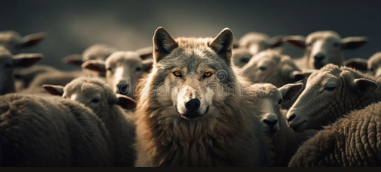
13 And I will bring them out from the people and gather them from the countries, and will bring them to their own land, and feed them upon the mountains of Israel by the rivers and in all the inhabited places of the country. — “mountains of Israel” see comments in v14 below;
— from all parts of the world; whom he searches for, and effectually calls by his spirits, and separates them from the rest of the world and brings them into his churches, and among his people;
— the Targum says,
“And I will bring them out from among the nations, and gather them from the provinces, and bring them into their own land; and I will provide for them upon the mountains of Israel, by the streams, and in all the inhabited places of the land.”
14 I will feed them in a good pasture, and upon the high mountains of Israel shall their fold be; there shall they lie in a good fold, and in a fat pasture shall they feed upon the mountains of Israel.
— the high mountains of Israel; the phrase is “the mountain (H2022 hā·rê) of the height of Israel” (as in Ezekiel 17:23; 20:40); notice a subtle difference in the singular number; the reason for the singular is that Ezekiel spoke of the central seat of the kingdom, Mount Zion, where the Messiah would appear to teach them; but in Ezekiel 34:6 the same H2022 is he·hā·rîm (plural);
— the Targum noted this difference and expresses as such,
“With good provision I will provide for them, and upon the Holy Mountain of Israel shall be their dwelling; there they shall dwell in a beautiful place, and with good provision they shall be provided for upon the mountains of Israel.”
— that is, from Mount Zion shall go forth the Law and othe ordinances, and these would be carried out by the other mountains of Israel, other nations of Israel, and from these to the rest of the world.
15 I will feed My flock, and I will cause them to lie down, saith the Lord God. — and God will bring them out from the nations, to Jerusalem and the Promised Land;
— the Targum says,
“‘I will provide for My people, and I will cause them to dwell in security (with confidence),’ says the Lord God.”
16 I will seek that which was lost and bring back that which was driven away, and will bind up that which was broken and will strengthen that which was sick. But I will destroy the fat and the strong: I will feed them with judgement. — God will feed them with sound judgement; he will judge, chastise and punish them;
— the Targum says,
“Those who were lost I will seek, and those who were uprooted I will bring back; the broken I will bind up, and the sick I will sustain; but the sinners and the guilty I will destroy, and I will provide for My people with justice.”
17 “‘And as for you, O My flock, thus saith the Lord God: Behold, I judge between cattle and cattle, between the rams and the hegoats. — behold, God will judge between cattle and cattle, between the rams and the he goats: between the smaller and weaker cattle, the sheep and the lambs;
— now, the Lord, as he observed a difference between them, he would make this manifest and take the part of the one against the other; even the part of the weaker against the stronger;
— the Targum says, “behold, judge between man and man, sinners and the ungodly,”
“And as for you, My people, thus says the Lord God: ‘Behold, I judge between man and man—between the sinners and the guilty.'”
18 Seemeth it a small thing unto you to have eaten up the good pasture, but ye must tread down with your feet the residue of your pastures? And to have drunk of the deep waters, but ye must foul the residue with your feet?
— from the Message Bible
“‘And as for you, my dear flock, I’m stepping in and judging between one sheep and another, between rams and goats. Aren’t you satisfied to feed in good pasture without taking over the whole place? Can’t you be satisfied to drink from the clear stream without muddying the water with your feet? Why do the rest of my sheep have to make do with grass that’s trampled down and water that’s been muddied? Ezekiel 34:17-19 MSG
— the Targum says,
“Is it too little for you that you are provided for with good provision, that you must trample the remainder of your provision with your feet? And you drink clarified (pure) water, but the remainder you trample (foul) with your feet?”
19 And as for My flock, they eat that which ye have trodden with your feet, and they drink that which ye have fouled with your feet. — the Targum of the whole verse says, “and my people eat the residue of the food of your ministers, and drink the residue of the drink of your ministers,’
— the Targum says,
“And My people eat the remainder of what your feet have used (trodden), and they drink the remainder of what your feet have used (fouled).”
20 “‘Therefore thus saith the Lord God unto them: Behold I, even I, will judge between the fat cattle and between the lean cattle. — behold, I, even I, will judge between the fat cattle and between the lean cattle;
— the Targum says “between the rich man and the poor man,”
“Therefore, thus says the Lord God to them: ‘Behold, I am revealing Myself, and I will judge between the rich man and the poor man.'”
21 Because ye have thrust with side and with shoulder, and pushed all the diseased with your horns till ye have scattered them abroad, — because you fat sheep bully the weak, you fleeceth the flock, push them around, and threaten them with your horns until you scatter them to distant mountains;
— the Targum says,
“Because with side and with shoulder you have pushed, and with force you have broken all the suffering ones, until you scattered them among the provinces.”
22 therefore will I save My flock, and they shall no more be a prey; and I will judge between cattle and cattle. — therefore will I save my flock; or redeem my people; that is, by his Son as his Shepherd and Servant:
— the Targum says,
“And I will save (redeem) My people, and they shall no longer be delivered for spoil; and I will judge between man and man.”
23 And I will set up one Shepherd over them, and He shall feed them, even My servant David. He shall feed them, and He shall be their Shepherd. — this reunites the house of Israel and the house of Judah; and even all Gentiles;
— the Targum says,
“And I will raise up over them one leader (provider) who shall provide for them—My servant David; he shall provide for them, and he shall be a leader (provider) for them.”
24 And I, the Lord, will be their God, and My servant David a prince among them. I, the Lord, have spoken it.
— the Targum emphasizes David’s Kingship:
“And I, the Lord, will be a God to them, and My servant David shall be a King in their midst; I, the Lord, have decreed it by My Word.”
25 “‘And I will make with them a covenant of peace, and will cause the evil beasts to cease out of the land; and they shall dwell safely in the wilderness and sleep in the woods. — evil beasts: during the Babylonish captivity evil beasts had exceedingly increased, through seventy years’ desolation in Judea;
— the Targum says,
“And I will decree for them a covenant of peace, and I will bring to an end harmful beasts from the land; and they shall dwell in the wilderness in security (confidence), and they shall move about (travel) in the forests.”
26 And I will make them and the places round about My hill a blessing, and I will cause the shower to come down in his season; there shall be showers of blessing. — “My hill” is Mount Zion; a similar figurative language in Isaiah 31:4;
— the Targum says,
“And I will cause them to dwell round about My Holy House, and they shall be blessed; and I will bring down for them the early rain in its season; they shall be rains of blessing.”
27 And the tree of the field shall yield her fruit and the earth shall yield her increase, and they shall be safe in their land and shall know that I am the Lord, when I have broken the bands of their yoke and delivered them out of the hand of those that served themselves by them.
— the trees of the fields and orchards will bear abundant fruit, the soil of the fields will produce ample crops, and My people will rest securely within their land. They will know that I am the Eternal when I destroy the dominion of their oppressors and liberate them from those who made them slaves;
— the Targum says,
“And the tree of the field shall yield its fruit, and the earth shall yield its produce; and they shall be upon their land in security (confidence). And they shall know that I am the Lord, when I have broken the yoke of their strength and delivered them from the hand of those who enslaved them.”
28 And they shall no more be a prey to the nations, neither shall the beast of the land devour them; but they shall dwell safely, and none shall make them afraid. — the wilderness or pasture-country and the woods, the places most exposed to beasts and birds of prey, become places of security;
— the Targum says,
“And they shall no longer be a spoil for the nations, and the kingdoms of the earth shall not destroy them; and they shall dwell in security (confidence), and there shall be none to make them afraid (none to cause them to wander).”
29 And I will raise up for them a plant of renown, and they shall be no more consumed with hunger in the land, neither bear the shame of the nations any more. — never again will famine strike their land; never again will other nations sneer at them;
— the Targum says,
“And I will raise up for them a permanent planting, and they shall no longer be wandering in famine in the land; and they shall no longer bear the shame (humiliation) of the nations.”
30 Thus shall they know that I, the Lord their God, am with them, and that they, even the house of Israel, are My people, saith the Lord God. — they “shall know that I, the Lord their God, am with them”
— indicating that neither those teaching in the synagogues nor those in their churches know God is with them; “even the house of Israel, [who] are My people” know who God is today!
— the Targum says,
“And they shall know that I, the Lord their God, My Word (Memra) is in their support, and they are My people, the House of Israel, says the Lord God.”
31 And ye My flock, the flock of My pasture, are men, and I am your God, saith the Lord God.’” — these words at the conclusion of the chapter, explain the metaphor; namely, that what was said of a flock and its shepherds, is to be understood of men and their shepherds, ministers;
— and of God’s people, whom their ecclesiastical ministers misled and oppressed, but whom God watches over, provides for, and takes care as a real shepherd does. This, too, lays an obligation upon civil princes, governors and magistrates, to govern faithfully and justly the people whom they were committing their trust;
— the Targum reminded us these are the leaders of Israel, saying,
“And you are My people, the people upon whom My Name is called—the House of Israel are you; I am your God, says the Lord God.”


 Joel
Joel A Prophecy of Esau and Jacob