
Obadiah
The book of Obadiah is about the Prophecy of Esau, also known as Edom (Hebrew for red), Mount Seir (Esau’s residence), Teman, a grandson of Esau. They are posterity living to the South of the children of Israel; sometimes they are known as the Idumaean, children of Edom who live in Idumea, south of Judea and Jerusalem.
The long feud between the brotherly tribes of the children of Israel and the descendants of Esau which began at the birth of the twin ancestors, and continued with varied fortunes down to the extinction of both as distinct nationalities, forms the subject of Obadiah’s vision.
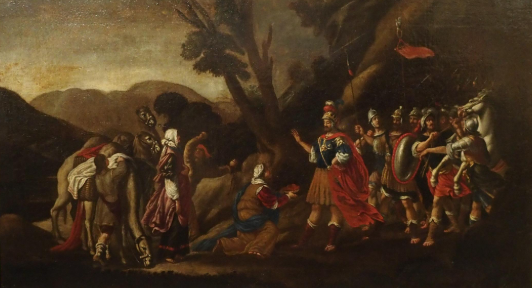
The title of this Book in the Hebrew copies is usually “Sepher Obadiah” which means the Prophecy of the Prophet Obadiah. This book is the shortest of the OT with 21 verses only. We do not know anything of the book’s author, except its name, Obadiah (meaning servant of Yehovah).
Many would place Obadiah into the time of king Jehoram of Judah (848 – 841 BC) under whose reign the Edomites revolted from under the dominion of Judah (II Chronicles 21:8-10). In this case Obadiah would have been the first writing prophet in the history of Israel.
Other observers, however, think that Obadiah lived and ministered at the time of Jerusalem’s destruction in 586 BC or even later as we obviously couldn’t be sure.
In the latter days our knowledge would increase, and that would include the knowledge of the children of Esau, who they are, how and where they live from the above prophecy,
“The anger of the Lord shall not return, until He has executed and till He has performed the thoughts of His heart; in the latter days you will understand it perfectly” Jeremiah 23:20.
Upon discovery of his birthright being stolen by his brother Jacob, Esau was desperated; but nevertheless, pleaded with his father, Isaac, to bestow him any that could be salvaged. And Isaac responded, uttering a plea of not much of a blessing, but on deeper ananlysis, more of a curse instead, said:
And by thy sword shalt thou live, and shalt serve thy brother; and it shall come to pass when thou shalt have the dominion, that thou shalt break his yoke from off thy neck.”
41 And Esau hated Jacob because of the blessing wherewith his father blessed him. And Esau said in his heart, “The days of mourning for my father are at hand. Then will I slay my brother Jacob.” Genesis 27:40-41
Esau was to live an unstable life of violence, by warfare, by the sword, to kill or be killed, rather than agriculture or divine favor; yet subject to the dominion of his brother, Jacob; he was made to wait to break from his brother’s yoke; Or as the Targum adds how he would go about gaining his independence, when Jacob’s descendants abandon observance of God’s law, Esau will be freed from servitude; and by even strategic waiting, to have the birthright restored back to him:
“And upon thy sword shalt thou depend, entering at every place: yet thou shalt be supple and credulous, and be in subjection to thy brother; but it will be that when his sons become evil, and fall from keeping the commandments of the law, thou shalt break his yoke of servitude from off thy neck;
“And Esau kept hatred in his heart against Jakob his brother, on account of the order of blessing with which his father had blessed him. And Esau said in his heart, I will not do as Kain did, who slew Habel in the life (time) of his father, for which his father begat Sheth, but will wait till the time when the days of mourning for the death of my father come, and then will I kill Jakob my brother, and will be found the killer and the heir.” Genesis 27:41-42 Jonathan
When Esau was born, he was born red, all over like a hairy garment. Jewish sources further say that he was already fully formed like a grown-up man. He was fully completed: had hair across his body, hair of the head, beard, teeth and even molars.

This short prophetical book is about the nation of Edom; whose hatred for Israel will eventually lead to their destruction, a destruction that may not has a return; but as could be understood by following this study, its fate is still in suspense. The Lord was asked by the remnants to remember in Psalms 137 against the Edomites who had rejoiced that Jerusalem be razed to its foundations:
7 Remember, O Lord, the children of Edom in the day of Jerusalem’s fall, who said, “Raze it, raze it, even to the foundation thereof!”
8 O daughter of Babylon who art to be destroyed, happy shall he be, that rewardeth thee as thou hast served us.
9 Happy shall he be, that taketh and dasheth thy little ones against the stones. Psalms 137:7-9
To call for and rejoiced over the razing of the Temple of God “Raze it, raze it, even to the foundation thereof!” is a serious crime against the God of the Most High; the Most High dwelled there and these Edomites cheered the Babylonians to burn it down? Madness! Just Madness!
Prophecies against Ammon and the Ammonites (Genesis 19:38; it is stated they descendants of Lot) have no promise of restoration “that the Ammonites may not be remembered among the nations” for the Lord have spoken it (Ezekiel 21:32, 25:10).
But for Edomites, and they shall know My vengeance: “And I will lay My vengeance upon Edom by the hand of My people Israel, and they shall do in Edom according to Mine anger and according to My fury; and they shall know My vengeance, saith the Lord God,’ Ezekiel 25:14; indicating they’ll survive? Or, perhaps, their fate is still in the balance?
Historically, the children of Esau dwelt to the South of the children of Israel; in the mountains of Seir, South of the Dead Sea down to the Gulf of Akaba. When the Israelites were on their journey from Egypt to Canaan the Edomites would not let them pass through their territory (Numbers 20:14-21).
Edom rejoiced over Jerusalem’s destruction in 586 BC (Psalms 137:7). When the Romans conquered Judea the Idumeans (Edomites) family of Herod reached the royal dignity. Since Jerusalem’s destruction in 70 AD the Edomites “disappeared” from history. But where did they go after leaving the Levant? This Study will attempt this Question.
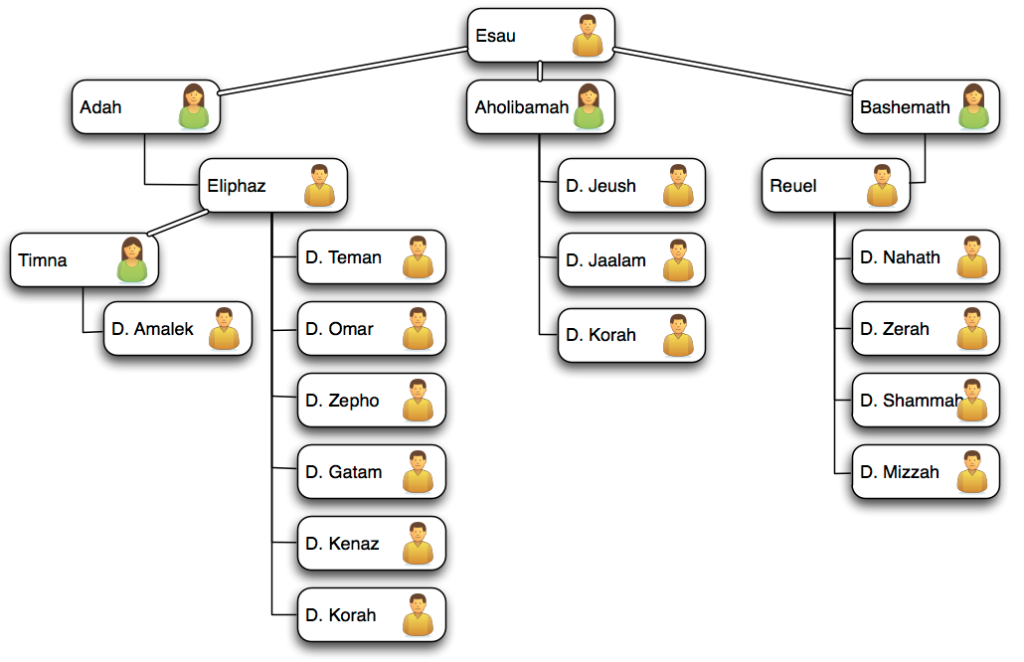
These are the names of Esau’s sons: Eliphaz (7) the son of Adah the wife of Esau, Reuel (4) the son of Basemath the wife of Esau (Genesis 36:10); and Jeush, Jaalam and Korah from Abolibamah (Genesis 36:18); so Esau had five sons and numerous grandsons.
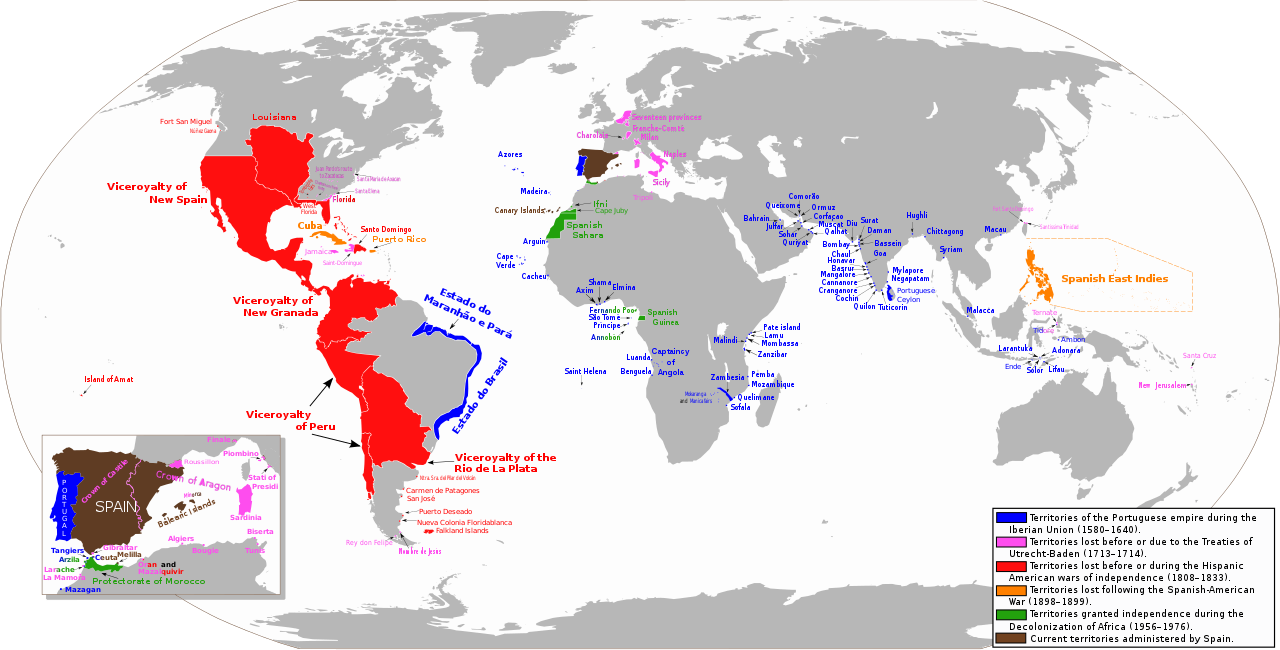
One strong indication points to where they are today: in ancient times they live South to the children of Israel and would most probably today; that they are now in Spain, Portugal, Italy (Rashi’s comment on Genesis 36:43); and across the Atlantic: Mexico and the Latin Americas.
The Hebrew term, Sepharad in Obadiah 20, is synonymous with Edom (Esau), Negev, the South, the Southland, or Ispamiah (Spain) as identified by the Targum; that is, the children of Esau in today’s world are the Spanish people and the Latin Americans.
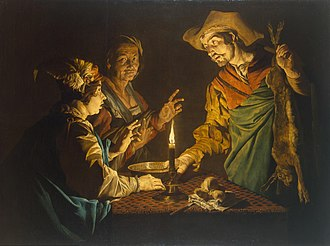
Obadiah
A parallel Prophecy in Ezekiel Chapter 35
— a prophesy against Mount Seir
— a prophesy against all Edom
1 The vision of Obadiah. Thus saith the Lord God concerning Edom: We have heard a word from the Lord, and an ambassador is sent among the nations: “Arise ye, and let us rise up against her in battle”
— the Edomites thought their land was unconquerable because of the defence system that they had built throughout their rocky mountains. Obadiah warns them that no matter how high up the mountains they go or how strong they make their defences, nothing will save them from the coming destruction;
— Rashi: The vision of Obadiah:
Why is Obadiah different that he was chosen to prophesy concerning Edom and did not prophesy any other prophecy? Our Sages of blessed memory stated: Obadiah was an Edomite proselyte. Said the Holy One, blessed be He: From them and in them will I bring upon them.
Let Obadiah, who dwelt between two wicked people, Ahab and Jezebel, and did not learn from their deeds, come and impose retribution upon Esau, who dwelt between two righteous people, Isaac and Rebecca, and did not learn from their deeds.
2 “Behold, I have made thee small among the nations; thou art greatly despised. — thou art greatly despised; a parallel in Jeremiah 49:15 “For lo, I will make thee small among the heathen and despised among men,” as the term beaners (Latinx or Latinos?) could allude to;
— Rashi: Behold I have made you small: In contrast with what his father called him, his big son, and his mother called him her big son, the Holy One, blessed be He, says: In My eyes, he is small. And our Sages expounded: small for they have neither script nor language;
— the Targum (translated by Lenihan): “Behold, I will make you weak among the nations. You are highly contemptible.”
A Targum version of Obadiah as translated by Lenihan exists online here. The Targum Jonathan hosted by Sefaria is here. The Targum is an indispensable source of understanding the Bible. Started by Ezra for those returning Jews from Babylon and for these returnees they could only understand the Sacred Text in Aramaic; hence the Targum is as if Ezra is speaking to us from the verses quoted.
3 The pride of thine heart hath deceived thee, thou that dwellest in the clefts of the rock, whose habitation is high, that saith in his heart, ‘Who shall bring me down to the ground?’
— the Targum says: The wickedness of your heart has led you astray. For you are like an eagle that dwells in the teeth of the rock, whose dwelling-place is in the heights, who says in his heart, “Who will bring me down to earth?”
— one Report by McKinsey (published in December 9, 202), says Latinos are projected to make up 22.4 percent of the US labor force by 2030 and more than 30 percent by 2060 (Latinos population projected to be 111.2 million by ’60);
— McKinsey: of the 60 millions Latinos in US, they often live in ‘deserts’ where adequate housing, groceries are hard to find. “Nearly 9 in 10 of the Latino residents in such communities lived in five states: California, Florida, New Jersey, New York and Texas.”
For more, see (1) Another 100 Million MIGRANTS!; (2) Prophesied Battle over Migrants at the Border
4 Though thou exalt thyself as the eagle, and though thou set thy nest among the stars, from thence will I bring thee down,” saith the Lord.
— being the firstborn, Esau was set to exalt thyself as an eagle and favored by his father Isaac for the birthrights, but Jacob coveted it and stole it from under him, and Esau was brought down like a pigeon. Also, like Herod the Great, an Idumean, he was a great eagle with his famed cruelty over the Jews as king over Judea; shall come up and fly as the eagle but he, too, would be brought down;
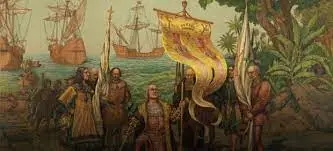
— but the most significant fulfillment of this prophecy of an eagle is that, under the reign of King Ferdinand and Queen Isabella of Spain, Christopher Columbus, an Italian explorer, set foot in the Americas on October 12, 1492, claimed the land for the kingdom of Spain.
5 “If thieves came to thee, if robbers by night (how thou art cut off!), would they not have stolen till they had enough? If the grape-gatherers came to thee, would they not leave some grapes? — if thieves come upon you by day and robbers by night? would they not have taken till they had enough?
— would (the vintagers) not leave over some gleaning grapes? But these will not leave you anything, for they will search and reveal and seek out your hidden things.
— the Targum emphasizes that Edom’s destruction will be total and merciless, unlike ordinary theft or harvest: “If thieves came upon you, if plunderers of the night – How then would you sleep until they had stolen their fill! And if robbers, as grape-cutters, came upon you – Would they not leave gleanings?”
— the Moors, led by a Berber general named Tariq ibn Ziyad, began their conquest of Spain in 711 AD, establishing Muslim rule that lasted until 1492 when the last Moorish stronghold, Granada, fell to Ferdinand and Isabella, ending Muslim rule in Spain for almost 800 years.
6 How the things of Esau are searched out! How his hidden things are sought out! — how are the hidden things of Esau searched out! Or how are the posterity of Esau sought out!
— the Targum: How then has Esau been ransacked! His hidden things have been revealed.
— Spain was not merely “ransacked” by the Moors—it was conquered militarily, integrated into the Islamic world, and profoundly reshaped culturally and intellectually. The legacy of Moorish Spain includes architecture (Alhambra, Mezquita of Córdoba), scientific advancements, and linguistic influences that remain visible today.
7 All the men of thy confederacy have brought thee even to the border; the men that were at peace with thee have deceived thee and prevailed against thee. They that eat thy bread have laid a wound under thee; there is no understanding in him.
— Rashi: Until the border… escorted you: Those who promised to aid you, came with you and escorted you to the border of your land, to the boundary, whence they came upon you in war, and with this they enticed you and succeeded;
— they prevailed against you: betrayal by allies and covenant partners to entice you to leave, and they deserted you;
— your food they lay as a wound under you, as a trap: Even your food your brother Jacob made for you as a wound, for he gave you bread and a pottage of lentils, and thereby you despised the birthright.
8 Shall I not in that day,” saith the Lord, “even destroy the wise men out of Edom, and understanding out of the mount of Esau?
— “I will destroy the wise men from Edom,” hence none of the top hundred universities or major inventions or discoveries are from Spain or from the Latino world. Edom’s downfall is not only military, economic and political but also intellectual and spiritual.
9 And thy mighty men, O Teman, shall be dismayed, to the end that every one of the mount of Esau may be cut off by slaughter. — Teman was a grandson of Esau; but ranked as a chief: Genesis 36:11,15,42; which led some to believe the Ottoman Turks were posterity of Esau;
— Rashi: And your mighty men shall be dismayed: They shall be dismayed and frightened to flee to the land of Israel [Malbim: to the land of Edom]. And Jonathan rendered: And your mighty men shall be dismayed, dwellers of the southland.
— the Targum: the prophecy shifts from intellectual collapse to military collapse: not only will Edom lose its wisdom, but its warriors—especially those in the southern strongholds—will be shattered; that every mighty man be cut off.
10 “For thy violence against thy brother Jacob, shame shall cover thee, and thou shalt be cut off for ever.
— Rashi: identified Chief Magdiel, a posterity of Esau, as Rome, the Roman empire; or Italy;
— “Because of the violence done to your brother Jacob,” but the Masoretic Text doesn’t record any violence Esau had committed against Jacob, thus this is left to their posterity;
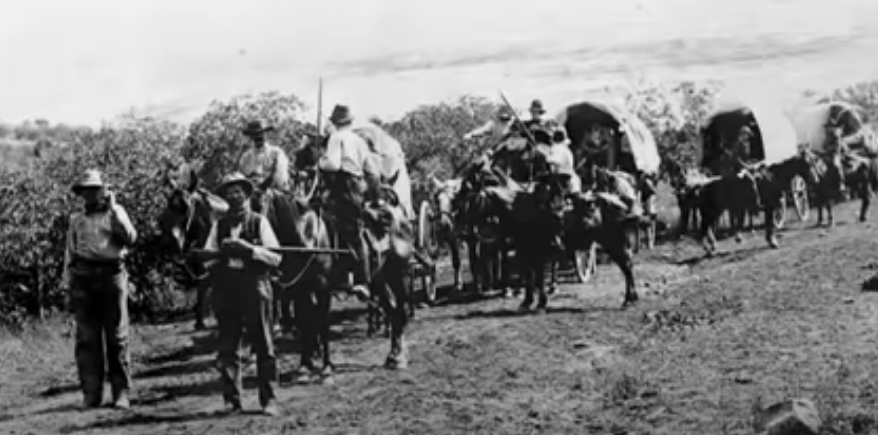
— (1) King Herod (ruled 37–4 BC), an Idumean (Edomite) descent, was set to rule harshly over the Jews under the Romans; (2) later, Judea was to be ruled by the Ottoman Turks for about 400 years, until World War I (1917).
11 In the day that thou stoodest on the other side—in the day that the strangers carried away captive his forces, and foreigners entered into his gates and cast lots upon Jerusalem” even thou wast as one of them.
— Rashi: On the day you stood from afar: that you did not come to aid him.
— you, too, are like one of them, by siding with the Babylonians in Psalm 137:7, “Remember, O Lord, the children of Edom in the day of Jerusalem’s fall, who said, “Raze it, raze it, even to the foundation thereof!” I account it for you as though you were one of their attackers, “Raze it, raze it.”
— the Targum: On the day you stood aside, on the day the nations plundered his possessions and strangers entered his forts and cast lots upon Jerusalem, even you were like one of them.
12 But thou shouldest not have looked on the day of thy brother in the day that he became a stranger; neither shouldest thou have rejoiced over the children of Judah in the day of their destruction; neither shouldest thou have spoken proudly in the day of distress.
— Rashi: And you should not have looked on the day of your brother: You should not have looked and stood from afar.
— on the day of his being delivered: Heb. נָכְרוֹ. On the day of his being delivered into the hands of the heathens. And so does Scripture state concerning Saul: (I Sam. 23:7) “ נִכַּר אֹתו ֹאֱלֹהִים בְּיָדְי”, “He has delivered him into my hand.”
13 Thou shouldest not have entered into the gate of My people in the day of their calamity; yea, thou shouldest not have looked on their affliction in the day of their calamity, nor have laid hands on their substance in the day of their calamity.
— “in the day of their calamity” emphasized three times; or “on the day of their destruction” in the Targum:
And that you entered the gates of my people on the day of their destruction, and that even you watched his affliction of the day of his destruction, and that you laid your hand on his possessions on the day of his destruction.
14 Neither shouldest thou have stood in the crossway to cut off those of his that did escape; neither shouldest thou have delivered up those of his that remained in the day of distress.
— Edom deliberately positioned itself to intercept the fleeing Jews or Israelites; confirms by the Targum, “And that you stood on the crossroad to cut off his refugees, and that you handed over his survivors in a time of trouble.”
15 “For the day of the Lord is near upon all the nations. As thou hast done, it shall be done unto thee: thy reward shall return upon thine own head. — firstly, whatever Edom (and other nations) did to Israel will be repaid upon them;
— secondly, upon all the nations (Goyim); which sometimes include the Israelites: such as in Genesis 35:11 “a company of nations (Goyim H1471)” shall be of thee.
16 For as ye have drunk upon My holy mountain, so shall all the nations drink continually; yea, they shall drink, and they shall swallow down, and they shall be as though they had not been.
— nations that rejoiced at Israel’s or Judah’s downfall will themselves drink the cup of divine wrath; the Targum affirms the Masoretic, says,
“For just as you rejoiced over the smiting of my holy mountain, so will all the nations drink constantly from the cup of their punishment. And they shall drink and be confounded, and they shall be as if they never existed.”
17 “But upon Mount Zion shall be deliverance, and there shall be holiness; and the house of Jacob shall possess their possessions.
— while Edom and the nations face annihilation, Mount Zion becomes the place of deliverance, confirmed by the Targum: “But in Mount Zion there shall be deliverance, and they shall be holy, and the House of Jacob shall inherit the possessions of the nations who had been storing them up.”

18 And the house of Jacob shall be a fire, and the house of Joseph a flame, and the house of Esau for stubble; and they shall kindle them and devour them. And there shall not be any remaining of the house of Esau, for the Lord hath spoken it.”
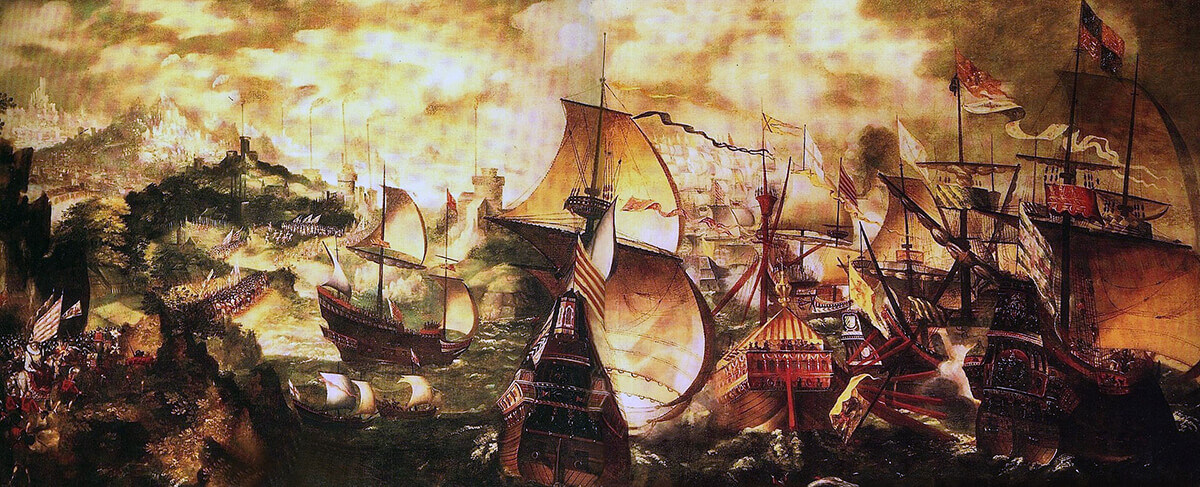
— this is a prophecy: “the house of Jacob shall be a fire, and the house of Joseph a flame” as unstoppable forces; the Spanish Empire suffered numerous defeats, first in 1588, the Spanish Armada was destroyed by the British Navy under the commander Sir Francis Drake, and later by the Americans, who ushered in with the Monroe Doctrine since 1823;
— and the house of Esau for stubble; as stubble, that is, left over after a harvest, or as weak as straw; and they of Joseph shall dominate them and kill them with a flame going through them and there will hardly any survivor left for the house of Esau, for the Lord has decreed it so;
— the Targum of Jonathan reveals how the posterity of Joseph, not Judah, were to be a yoke (Genesis 27:40) and a flame unto the house of Esau, saying
“And it was, when Rachel had given birth to Joseph, that Jacob said through the Holy Spirit that the House of Joseph is destined to be like a flame to consume the House of Esau. He said: ‘From now on, I am not afraid of Esau and his legions.’ And he said to Laban: ‘Send me away, that I may go to my own place and to my own land.’” Genesis 30:25 Jonathan
— that is, the house of Joseph will decimate the house of Esau with a flame of fire, for the house of Esau is like stubble left after a harvest, as weak and flamable as straw;
— Oh, wait; is “there shall not be any remaining of the house of Esau,” meaning an end of any survival for the house of Esau, which seems contrary to Ezekiel 25:14 “and they shall know my vengeance”? Or, perhaps according to Rashi above, verse 10, only those “that remains in the city” won’t survive?
As thou didst rejoice at the inheritance of the house of Israel because it was desolate, so will I do unto thee. Thou shalt be desolate, O Mount Seir, and all Edom, even all of it; and they shall know that I am the Lord.’” Ezekiel 35:15
— even though all Edom were made desolate, they survive at the end: “and they shall know that I am the Lord.” If they don’t survive, then they would have a similar ending like the fate of the Ammonites; that they “may not be remembered among the nations” see Ezekiel 25:10.
19 And they of the south shall possess the mount of Esau, and they of the plain the Philistines. And they shall possess the fields of Ephraim and the fields of Samaria, and Benjamin shall possess Gilead. — and they, this in the context that they of Mount Seir in the Southland have been given as a possession to the children of Esau, Deuteronomy 2:5,8;
— an Idumean, like Herod the Great, did conquered and ruled the plain the Philistines, the land of Ephraim, Samaria and Gilead; but they only occupied those land temporary;
— but a better interpretation acknowledges a reversal of fortunes: that “they of the south” that is, now the children of Israel who would one day live there in place od Esau, will process the fields of Ephraim and the fields of Samaria; and Benjamin returns to be [the inhabitants of] Gilead.
20 And the captives of this host of the children of Israel shall possess that of the Canaanites, even unto Zarephath; and the captives of Jerusalem who are in Sepharad shall possess the cities of the south. — the clause, “the captives of Jerusalem who are in Sepharad shall possess the cities of the south,” is critical in understanding this prophecy;
— this connection has an ingenius way of both hiding and revealing a truth; it does not say Sepharad shall possess the cities of the south, but “the captives of Jerusalem who are in Sepharad (בִּסְפָרַ֑ד Hebrew 5614),” shall possess the cities of the south (Negev הַנֶּֽגֶב 5045);
And the exiles of this nation of the Children of Israel that is in the land of the Canaanites (shall inherit) until Zerapahath. And the exiles of Jerusalem that are in Ispamiah will inherit the villages of the south land. Obadiah 1:20 Jonathan
— many versions of the Scriptures translate the captives of Jerusalem as the exiles, the Jews and who are in Sepharad (bis·p̄ā·raḏ) as the South or Negev; so Q. Who lives in the place called Sepharad? The Spanish. And these Spanish are connected to the region south of Judea, known as the Negev? The Edomites had moved into Spain and the captives of Jerusalem who live there, that is, the Jews—specifically, the Sepharadi Jews, are from Spain, (or sometimes the broader Iberian Peninsula).
— the Jews are to possess the cities of the Negev (South); and they, as captives from Jerusalem, had came to live, in ancient times, with the Edomites in Sepharad, which is Spain; the Spanish in Spain; the children of Esau were living at the South of Judea and Samaria; they shall returned before or during the Second Exodus;
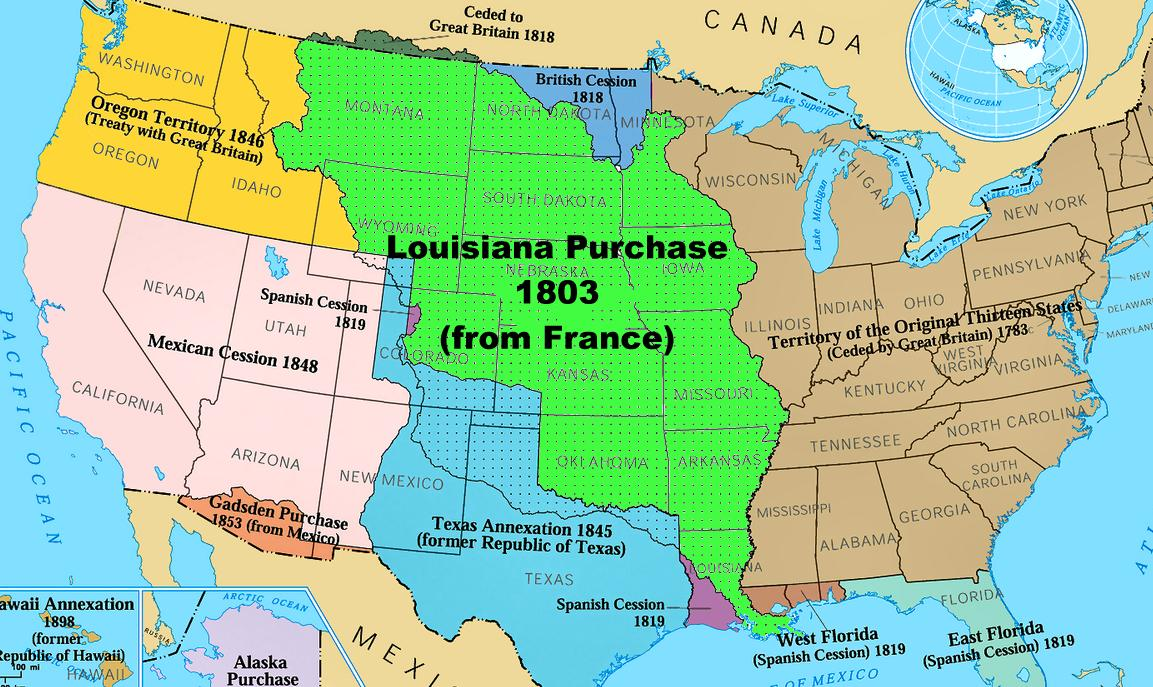
— similarly, today the Spanish live South of the United kingdom and the north-west Europeans; then some the Spanish migrated to the New World after 1492 and today the Spanish-speaking Mexicans and others still live South of the United States and Canada; further evidence are provided and confirmed by the Targum Jonathan which identifies a Sepharad as Spain (Ispamiah);
— Rashi agrees by quoting the Targum: Sepharad shall inherit the cities of the Southland as Spain; the Targum identified Sepharad with Spain (Ispamiah), hence, Spanish Jews are called Sephardim;
— and the exile of Jerusalem which is in Sepharad: who are of the people of Judah who were exiled to Sepharad – they, the new Jews, shall inherit the cities of the southland, which are in the Southern part of Eretz Israel.
The Targum is an indispensable source of understanding the Bible. Started by Ezra for those returning Jews from Babylon and for these returnees they could only understand the Sacred Text in Aramaic; hence the Targum is as if Ezra is speaking to them in ancient times and to us today from the Sacred Text.
— Peshitta (by Lamsa): The first exiles, that is, of the children of Israel, shall possess the land from Canaan as far as Zarephath; and the exiles of Jerusalem who are in Spain shall possess the cities of the south;
— Cambridge Bible for Schools and Colleges: Sepharad is the name of a place; the modern Jews understand it of Spain, and accordingly, “at the present day the Spanish Jews, who form the chief of the two great sections into which the Jewish nation is divided, are called by the Jews themselves the Sephardim, German Jews being known as the Ashkenazim.”
— Geneva Study Bible: by Zarephath, France; and by Sepharad, Spain;
— Wikipedia: Sepharad (/sɛfəræd/or səˈfɛərəd/ Hebrew: סְפָרַד Sp̄āraḏ; also Sefarad, Sephared, Sfard) is the Hebrew name for Spain. A place called Sepharad, probably referring to Sardis in Lydia (‘Sfard’ in Lydian), in the Book of Obadiah (Obadiah 1:20, 6th century BC) of the Hebrew Bible. The name was later applied to the Iberian Peninsula, consisting of both modern-time Western Europe’s Spain and Portugal.
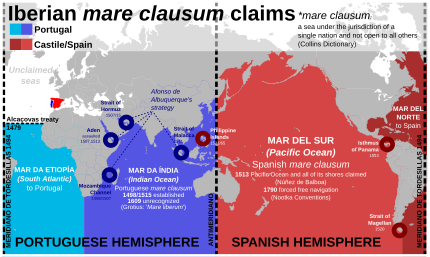
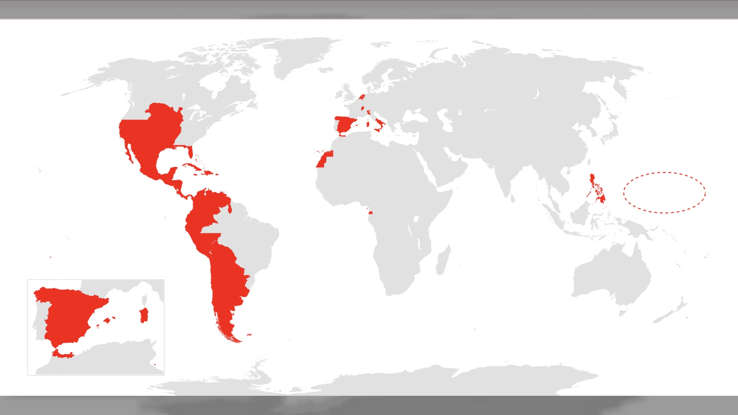
“Meddle not with them; for I will not give you of their land, no, not so much as a foot breadth, because I have given Mount Seir unto Esau for a possession,” God says of the land of Esau to the childen of Jacob, Deuteronomy 2:5
— but the most important pointer is this: that Esau were living South of Judea and Samaria or Sepharad; today the Spanish live south of the United kingdom and the north-west Europeans; the Spanish migrated to the New World after 1492 and today the Spanish-speaking Mexicans and others live south of the United States and Canada;
— thus in summary:
The Hebrew term, Sepharad, is synonymous with Edom (Esau), Negev, the South, the Southland, or Spain (Ispamiah); that is, the children of Esau in today’s world are the Spanish people and the Latin Americans.
In the latter days our knowledge would increase, and this would include the knowledge of the children of Esau, and the fulfilment of this prophecy: “but it will be that when his sons become evil, and fall from keeping the commandments of the law, thou shalt break his yoke of servitude from off thy neck…. and then will I kill Jakob my brother,” Genesis 27:40-41 Jonathan
21 And saviors shall come up on Mount Zion to judge the mount of Esau; and the kingdom shall be the Lord’S.
— Rashi: shall ascend: Princes of Israel as saviors on Mount Zion.
— to judge the mountain of Esau: to exact retribution from the mountain of Esau for what they did to Israel.
— to judge: Heb. לִשְׁפֹּט. joustiser in O.F.
— the mountain of Esau: Jonathan renders: the great city of Esau.
— and the Lord shall have the kingdom: This teaches us that His kingdom will not be complete until He exacts retribution from Amalek.
Final decision seems to be still in suspense, yet to be decided, if this is the correct understanding, until the saints would come to Mount Zion to judge the house of Esau?
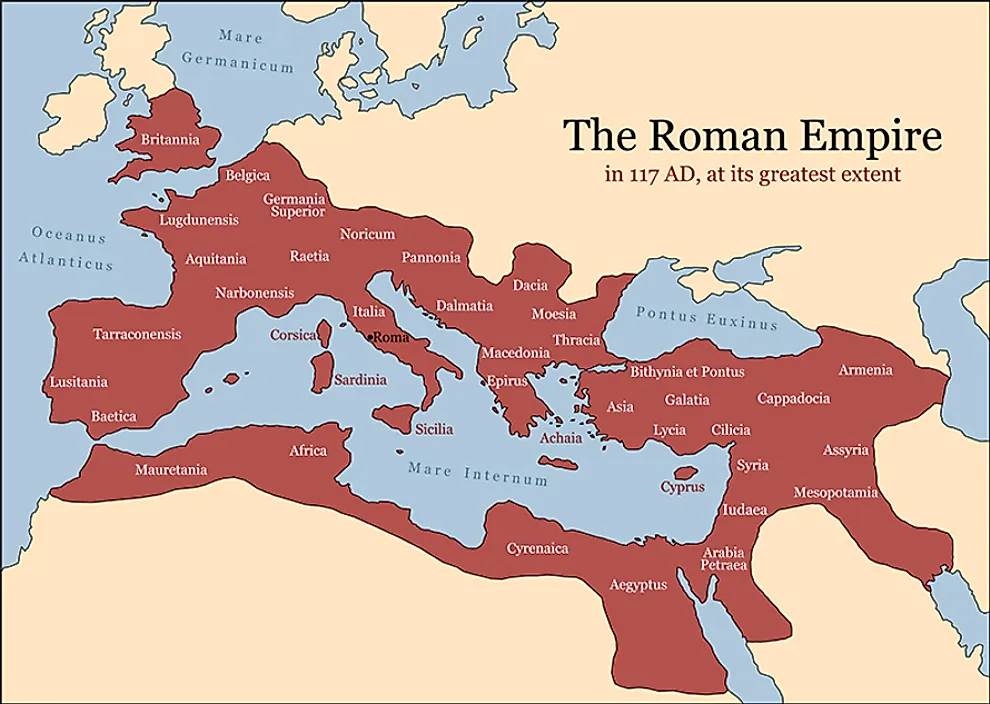
However Chabad and Rashi consider a chief of Esau as the Progenitor of Rome, saying, “Esau’s offspring were split into various groups, each one led by a chieftain. One of these groups was named Magdiel, which is identified as Rome.” Rome, they implied, is synonymous with the Roman Empire in history, but today, is Italy for this purpose.
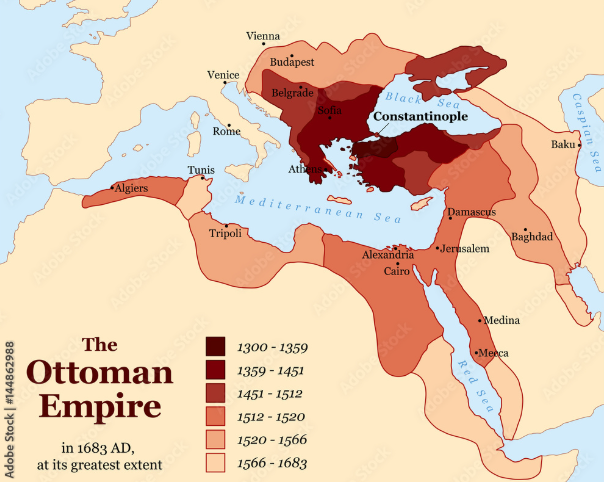
Another theory is that the Ottoman Turks (or today’s Turkey) are the sons of Teman. Perhaps, from Chief Teman, they could be another branch of the numerous sons or grandson of Esau.
If so who and where are the other chieftains? Who are today’s Chief Timna, Chief Alvah, Chief Jetheth; Chief Oholibamah, Chief Elah, Chief Pinon, Chief Kenaz, (Chief Teman, identified as the Ottoman Empire above) Chief Mibzar, (Chief Magdiel, identified as Rome or the Roman empire above) and Chief Iram? Genesis 36:40-43.
Christopher Columbus was an Italian hired by the Spanish Monarchs to venture west and founded the New World. Could Columbus had rounded all the other Chieftians together and collectively they are known as Ispamiah? Or a more familiar term, the Latin Americans?
(Note that Chief Amalek appears in Genesis 36:16 but absent from Genesis 36:40-43)
Finally, consider this PROPHECY
“And upon thy sword shalt thou depend, entering at every place: yet thou shalt be supple and credulous, and be in subjection to thy brother [Jacob]; — that is, under the hegemony and yoke of the Monroe Doctrine since December 2, 1823;
but it will be that when his sons [the endtime children of Israel, led especially by Ephraim, the United States] become evil [such as leading in a global woke rot amongst other evils], and fall from keeping the commandments of the law [a culture of telling lies, swearing false oaths, domestic killings and breaking od God’s Sabbaths], thou shalt break his yoke of servitude from off thy neck….and then will I kill Jakob my brother,” Genesis 27:41-42 Jonathan
To be supple and credulous mean the ability of bending, be able of moving easily and be flexible; like a contortionist at a circus sideshow. Yet if you describe someone as credulous, you have a low opinion of them because they are too gullible, too ready to believe what people tell them and are easily deceived, such as quack doctors charming money out of the pockets of credulous health-hungry citizens.
But the posterity of Esau now lays in wait: and when the posterity of his brother Jacob sinned, become evil, and fall from God’s protection by not keeping the commandments of the law, then the posterity of Esau will take the Sword and kill the posterity of Jacob.
For more on Esau: Ezekiel 20:45-21:1-7; Ezekiel 35
For more the South, see The Flaming Sword and Fire from the South!


 Joel
Joel A Prophecy of Esau and Jacob