
A Mega Yarlung Tsangpo Dam in Tibet
On December 25, 2024, China, has approved a massive USD 137 billion hydropower dam on the Brahmaputra River near the Indian border, sparking concerns in India and Bangladesh.
The Brahmaputra originates in the Qinghai-Tibet Plateau and flows through Arunachal Pradesh and Assam before entering Bangladesh and emptying into the Bay of Bengal.

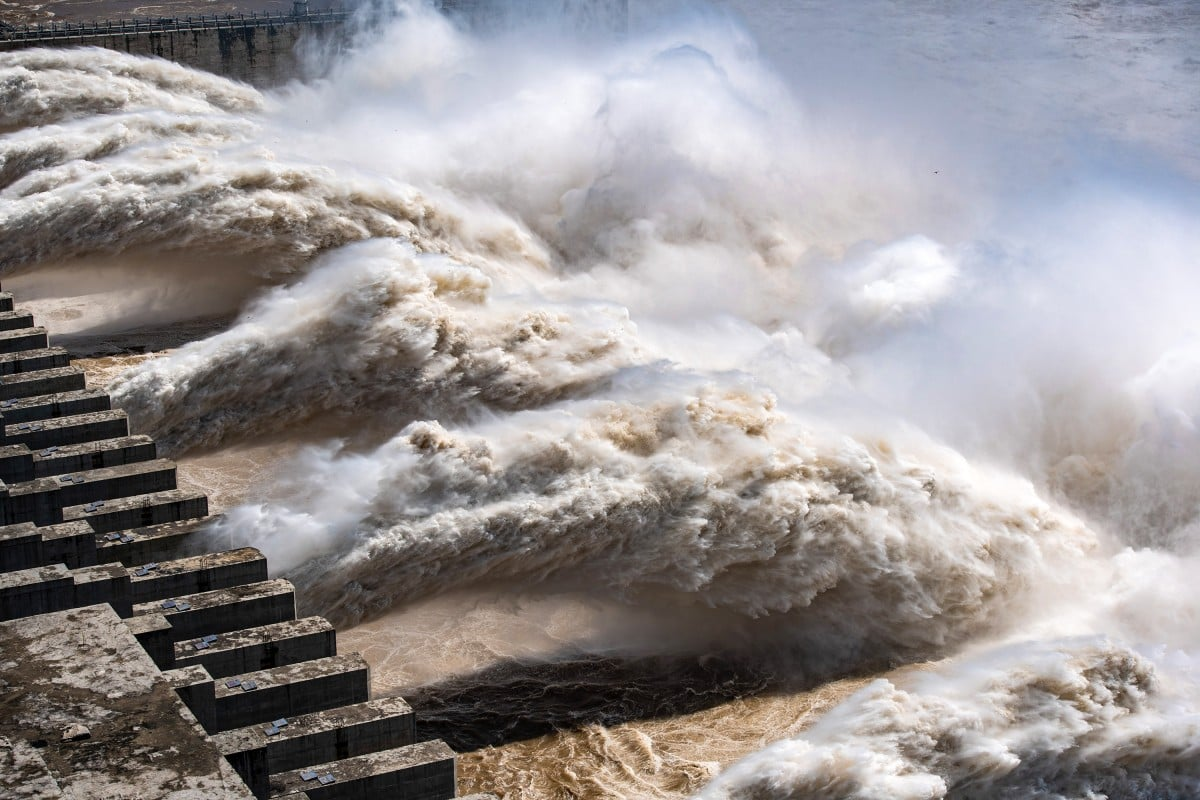
China’s decision to proceed with the construction of a massive hydropower project on the Yarlung Tsangpo river in Tibet is raising concerns in India.
The project, planned in the Tibet Autonomous Region, is located near the border with India and is expected to significantly impact the water flow of the Brahmaputra and Siang rivers, which flow into northeastern India and later into Bangladesh.
China’s state news agency Xinhua reported that the project has received official approval and highlighted its importance in supporting China’s development goals in Tibet.


The dam will be constructed in Medog County, Tibet, in a deep gorge where the Yarlung Tsangpo river takes a sharp U-turn before flowing into Arunachal Pradesh, where it is known as the Siang, and later the Brahmaputra in Assam.
China’s Brahmaputra super-dam is a symbol of its technological prowess and geopolitical ambitions. This mega-project is expected to generate three times the energy of the Three Gorges Dam, the world’s largest power station, with an installed capacity of 22,500 MW.
Hydroelectricity is China’s second-biggest source of energy, after coal. It makes up almost a fifth of the total energy production — and its dam building shows no signs of easing.

As China seeks to meet its targets of becoming carbon neutral by 2060, it is turning its sights to some of the wildest reaches of the Tibetan Plateau, where it plans to build a hydropower plant so ambitious that it could produce three times as much power as the Three Gorges Dam.
Experts believe it could be the riskiest mega structure ever built. Not only is the location prone to massive landslides and some of the most powerful earthquakes ever recorded, it’s also precariously close to the disputed border between India and China. Meaning any major project could further escalate discontent in a tense territorial dispute between the world’s two most populous countries.


 Joel
Joel A Prophecy of Esau and Jacob