
Allies Fear US Is Overextended
Allies Fear US Is Overextended as Global Conflicts Spread
Bloomberg October 28, 2023 // Yahoo News
(Bloomberg) — Joe Biden came to office declaring America is back. Now, facing hot wars in the Middle East and Ukraine and a simmering cold one with China, the US is beginning to look overextended.
The US defense industry — Biden’s “arsenal of democracy” — is struggling to produce enough artillery shells to ensure Ukraine can keep firing them at Russian forces. The Pentagon is bombing targets in Syria as it rushes air defenses to the region to protect troops in case Israel’s war against Hamas prompts new attacks by enemies. Taiwan, another American ally, has stepped up orders for American weapons as China confronts it over strategic sea lanes.
In capitals across Europe and Asia, officials are growing worried that some partners might ultimately be shortchanged as the surge in simultaneous challenges strains the US ability to respond and its defense industry struggles to produce enough weapons for all these conflicts. Rivals in Beijing, Moscow and Tehran, they fear, won’t miss the openings that creates.
Adding to the alarm is the presidential election just over a year from now that may return Donald Trump to the White House with his talk of pulling out of alliances, making deals with Russia and openly confronting Iran and China. Already, Biden’s $106 billion budget request for aid to Ukraine, Israel and Taiwan is running into headwinds from Republicans in Congress.
Biden has raced to reassure leaders around the world that the US would be able to confront all the threats at once and deliver on its promises of support.
Privately, however, administration officials concede that the crisis in the Middle East has upended what had been a key tenet of their global approach – that the long-tumultuous region was finally heading into a period where it wouldn’t require such a big US commitment, allowing Washington to focus more on the threat from China. That eastward pivot is likely to be slowed, officials said.
National Security Advisor Jake Sullivan had to hastily recast the online version of his 7,000-word essay for Foreign Affairs on “The Sources of American Power” this week to delete a reference to the Middle East as “quieter than it’s been in decades.”
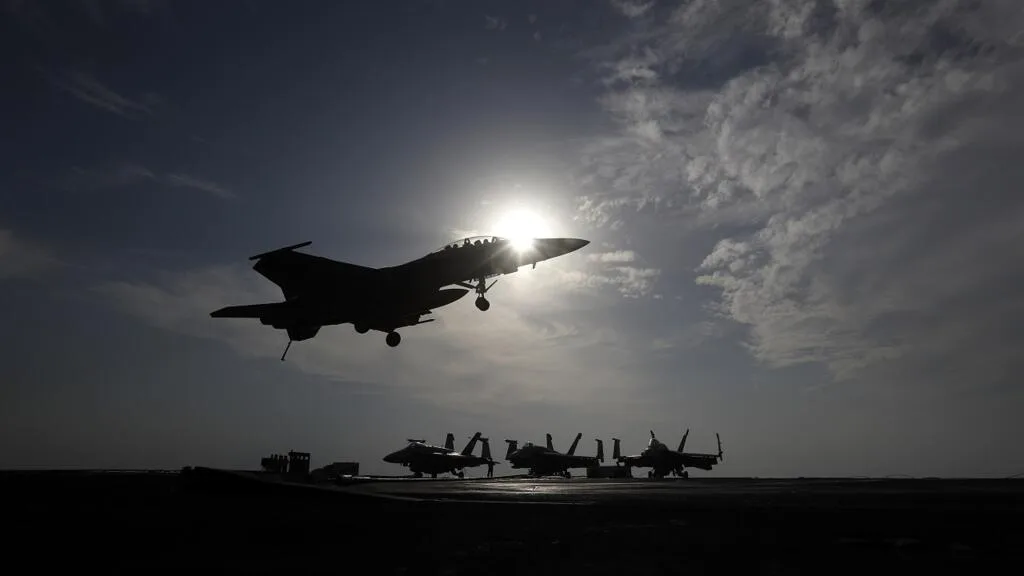
Since the Hamas attack on October 7, the US has been rushing forces back to the Middle East. Biden dispatched two aircraft carrier groups and air-defense systems to the region, and put thousands of troops on heightened alert, in what officials call a signal to Iran and other rivals in the region not to join the fight when Israel launches a widely expected ground invasion of Gaza.
But that message of deterrence doesn’t seem to have gotten through. This week, the US sent warplanes to strike targets in Syria – its first military action in the region since October 7 – after a string of attacks by Iran-backed militias had injured more than a dozen troops at US bases there and in Iraq.
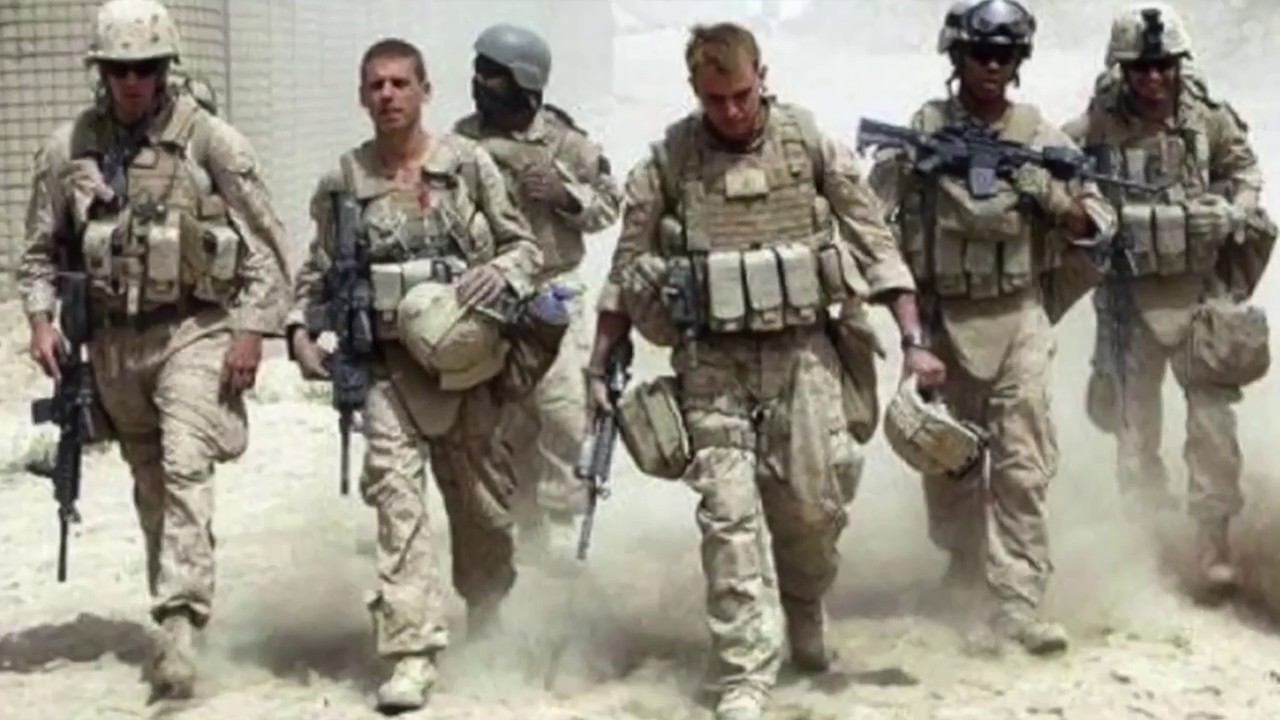
Administration officials underline there are no plans at the moment to have US troops fight on the ground in the Middle East. But Biden, who even as vice president was known for telling aides in the Situation Room that superpowers don’t bluff, is fully aware of the risks that the American forces may be drawn in if efforts to contain the conflict fail.
In Ukraine, the US has been adamant from even before Russia’s February 2022 invasion that it wouldn’t get directly involved in the fighting, instead marshaling allies and providing military and financial support that’s been essential to Kyiv’s ability to push back Moscow’s forces.
But now, with Ukraine’s counteroffensive this year making slow progress against Russia’s defenses and questions in Congress growing about the continued commitment to support Kyiv as the war settles into a standoff, the global message looks less clear. The Kremlin, for its part, is betting that it will be able to outlast the US and its allies.
Now, Israel is also seeking some of the same kinds of shells Ukraine needs for its war against Hamas. Taiwan, at the same time, has ordered some of the same air-defense weapons that both Israel and Ukraine use.
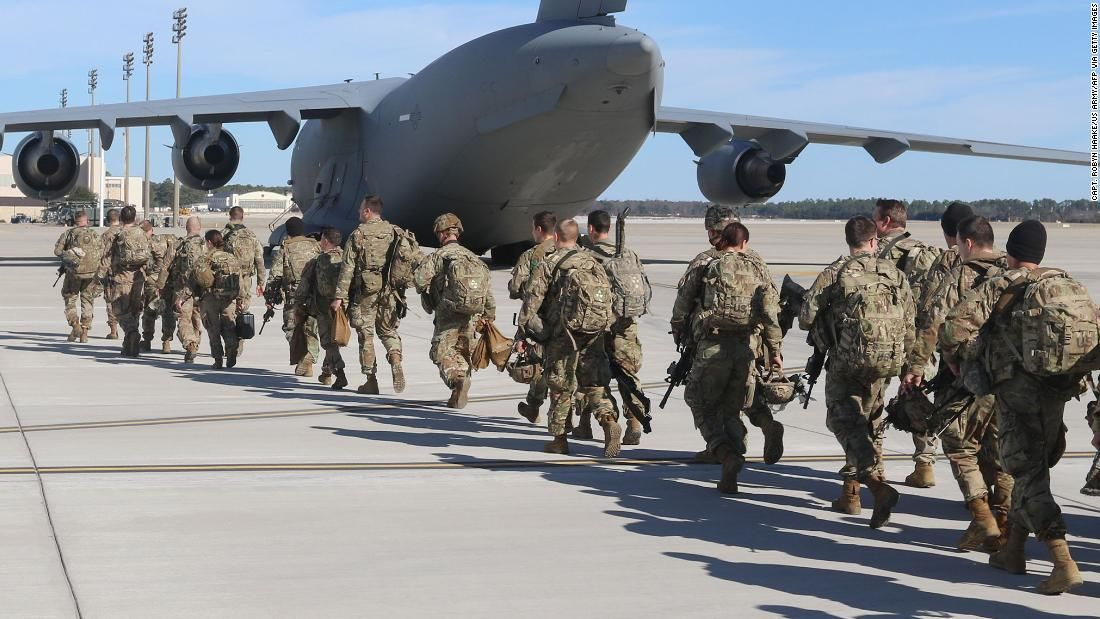
Already, Moscow seems to be winning the race in artillery shells, which have become a key weapon in the conflict. Ukraine has depleted limited US and allied stocks and efforts to escalate production, especially in Europe, have faced setbacks.
“Our industrial base was not prepared to have to restock so many different types of weapons for multiple different partners at the same time,” said Michèle Flournoy, a former undersecretary of Defense for policy. “In all three cases, our ability to equip train and support these partners is really the primary means by which we can safeguard our own interests,” she said.
“The US risks overreaching at a dangerously complicated and uncertain time in the world during a time when we see historic American dysfunction, incompetence and division in our ability to govern,” said former Secretary of Defense Chuck Hagel.
And thy life shall hang in doubt before thee; and thou shalt fear day and night, and shalt have no assurance of thy life.
In the morning thou shalt say, ‘Would God it were evening!’ and at evening thou shalt say, ‘Would God it were morning!’ for the fear of thine heart wherewith thou shalt fear and for the sight of thine eyes which thou shalt see. Deuteronomy 28:66-67


 Joel
Joel A Prophecy of Esau and Jacob