
Kidnapping (Genesis 14)
A Study of kidnapping in the Days of Old: compare and contrast with today’s Hamas kidnapping of civilians and bring them back as captives into the Gaza strip.
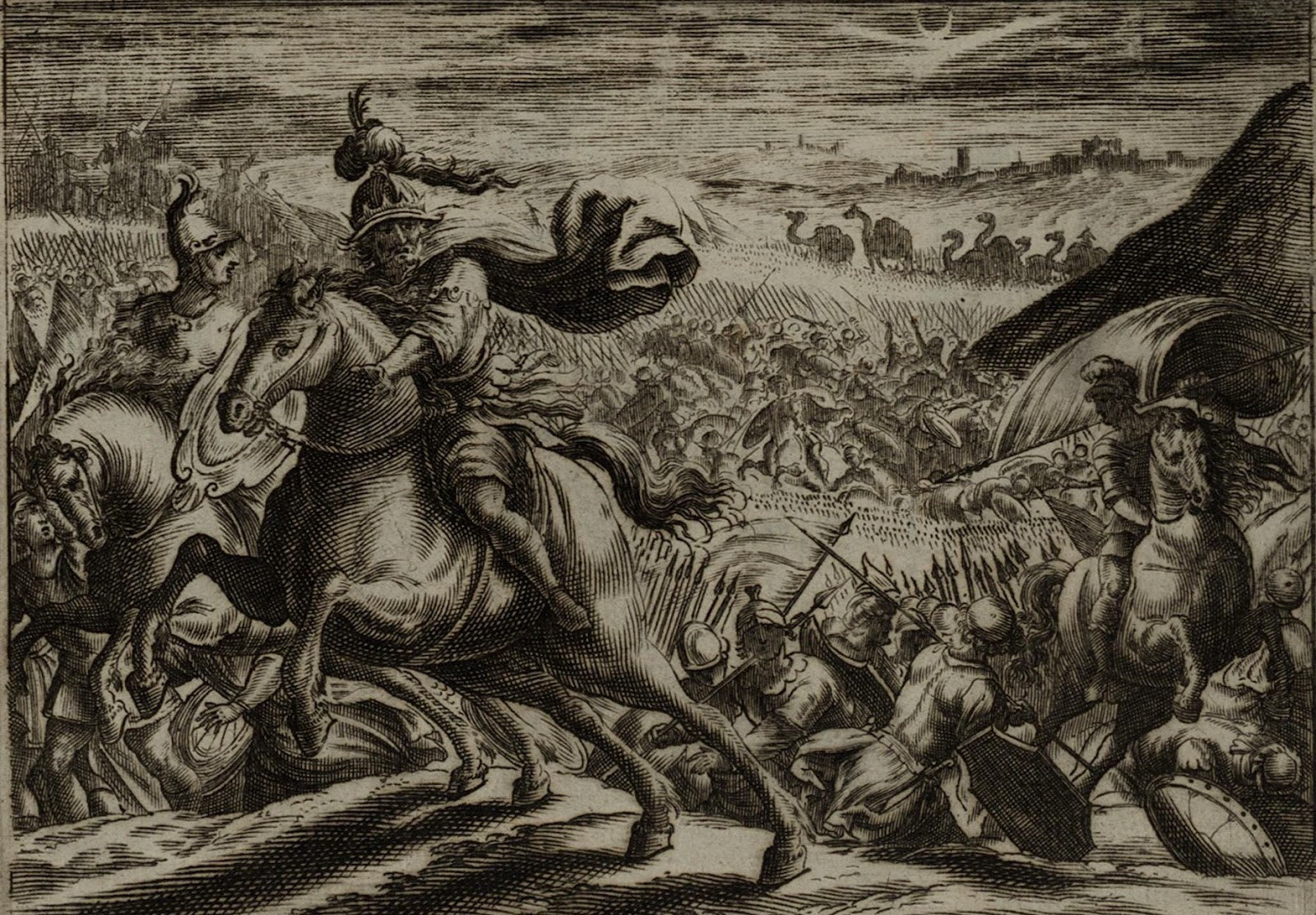
Now, Hamas is holding 200 to 250 civilians as hostages. Is there going to a similar solution to the one Abraham experienced?
Genesis 14
1 And it came to pass in the days of Amraphel king of Shinar [Babylon], Arioch king of Ellasar, Chedorlaomer king of Elam, and Tidal king of nations, — and it came to pass; that is, after the separation of Abram and Lot, the latter of whom now appears as a citizen of fruitful, but wicked Sodom;
— the raid is minutely described in Genesis 14:1-12; a confederacy consists of four kings; Elam is today’s Persia, Iran.
2 that these made war with Bera king of Sodom, and with Birsha king of Gomorrah, Shinab king of Admah, and Shemeber king of Zeboiim, and the king of Bela, which is Zoar. — three more kings joining Sodom and Gomorrah against the four in the confederacy;
— MSG:
Then this: Amraphel king of Shinar, Arioch king of Ellasar, Kedorlaomer king of Elam, and Tidal king of Goiim went off to war to fight Bera king of Sodom, Birsha king of Gomorrah, Shinab king of Admah, Shemeber king of Zeboiim, and the king of Bela, that is, Zoar.
3 All these were joined together in the Vale of Siddim, which is the Salt Sea. — were united in a confederacy, and so formed a pentapolis, or group of five allied kingdom;
— which is the salt sea; from these words commentators have concluded that the vale of Sodom was later swallowed up by the Dead Sea;
4 Twelve years they served Chedorlaomer, and in the thirteenth year they rebelled. — Chedorlaomer king of Elam; he must be the leader;
— and in the thirteenth year they rebelled; refused homage to Chedorlaomer and to pay tribute to him.
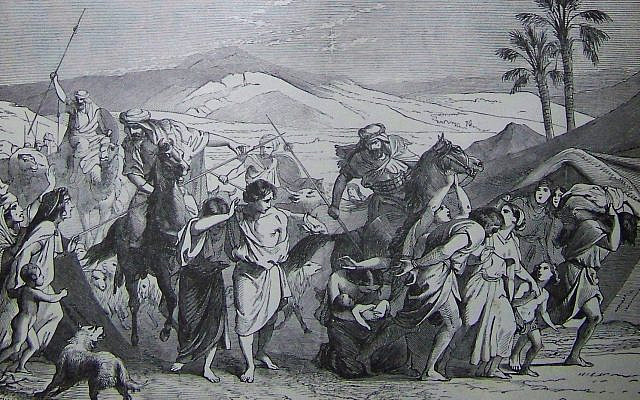
5 And in the fourteenth year came Chedorlaomer and the kings that were with him, and smote the Rephaim in Ashteroth Karnaim, and the Zuzim in Ham, and the Emim in Shaveh Kiriathaim,
— in the fourteenth year; after some pause and preparation, Chedorlaomer, in conjunction with his three allies, set himself to reduce the revolters: the group of five allied kingdom;
6 and the Horites in their Mount Seir, unto Elparan, which is by the wilderness. — the Horites, the ancient inhabitants of Seir, the sons of Esau or Edom; they dwelt in caves; such as are still to be seen in Petra and other places around;
7 And they returned and came to Enmishpat, which is Kadesh, and smote all the country of the Amalekites and also the Amorites, who dwelt in Hazezontamar. — they returned; more correctly, they turned, as they did not go back by the same route, but wheeled towards the north-west;
— the Amalekites; that is, the land the Amalekites were anticipated to live there; Saul had to pursue these wandering hordes into the recesses of Paran, but they were evidently then in possession of the Negeb of Judea.
8 And there went out the king of Sodom, and the king of Gomorrah, and the king of Admah, and the king of Zeboiim, and the king of Bela (the same is Zoar), and they joined battle with them in the Vale of Siddim, — they have now arrived again at the point they had reached in Genesis 14:3. The five kings came out and joined battle against the four in the dale of Siddim.
9 against Chedorlaomer the king of Elam, and against Tidal king of nations, and Amraphel king of Shinar, and Arioch king of Ellasar — four kings against five. — the invaders were from Chaldea and Persia, then only small kingdoms. They took Lot among the rest, and his goods. Though he was righteous, and Abram’s brother’s son, yet he was with the rest in this trouble.
10 And the Vale of Siddim was full of slime pits; and the kings of Sodom and Gomorrah fled and fell there, and those who remained fled to the mountain. — and the kings of Sodom and Gomorrah fled and fell there. Stumbled into the pits and perished;
11 And they took all the goods of Sodom and Gomorrah and all their victuals, and went their way. — and they took all the goods of Sodom and Gomorrah; they entered these cities and pillaged them, and carried off everything valuable in them;
12 And they took Lot, Abram’s brother’s son, who dwelt in Sodom, and his goods and departed. — his goods, and departed; as him and his family, so all his substance, his cattle, wealth, and riches of every sort, and went off with it:
13 And there came one who had escaped, and told Abram the Hebrew, for he dwelt on the plain of Mamre the Amorite, brother of Eshcol and brother of Aner; and these were confederate with Abram. — these were confederate with Abram, that is, had entered into a league for their mutual defence against common enemies.
14 And when Abram heard that his brother was taken captive, he armed his trained servants, born in his own house (three hundred and eighteen), and pursued them unto Dan. — Abram had now a company of three hundred and eighteen trained men, born in his own house;
— which implies a following of more than one thousand men, women, and children. His flocks and herds must have corresponded in extent to such an establishment.
15 And he divided himself against them, he and his servants by night, and smote them and pursued them unto Hobah, which is on the left hand of Damascus. — he divided himself, that is, his forces into several parties,
— that coming upon them from several quarters he might strike them with greater terror, whilst they thought his army far more numerous than it was.
16 And he brought back all the goods, and also brought again his brother Lot and his goods, and the women also and the people. — and the women also, and the people; not only that belonged to Lot, but to Sodom and Gomorrah, who had been taken and carried captive; these were all rescued and brought back by Abram,
17 And the king of Sodom went out to meet him at the Valley of Shaveh (which is the King’s Dale) after his return from the slaughter of Chedorlaomer and of the kings who were with him. — the king’s dale; the Targum calls it the place of the king’s exercise, where he had his diversions in riding, walking, etc;
18 And Melchizedek king of Salem brought forth bread and wine; and he was the priest of the Most High God. — Melchizedek king of Salem; he was probably the king of some Semitic race who still occupied Salem, but from whom it was at a subsequent period wrested by the Jebusites, who called it Jebus;
19 And he blessed him and said, “Blessed be Abram of the Most High God, possessor of heaven and earth; — and he blessed him; Melchizedek blessed Abram, which was one part of his office as a priest, to wish and pray for a blessing on others;
20 and blessed be the Most High God, who hath delivered thine enemies into thy hand.” And he gave him tithes of all. — Abraham gave him tithes; Abram thus consecrated the war by a thank-offering to God, who had given him the victory;
— but he also, by paying tithes, acknowledged the priesthood of Melchizedek, and that the God whom he served was the true God.
21 And the king of Sodom said unto Abram, “Give me the persons, and take the goods for thyself.” — after the conversation between him and Melchizedek was over; note the king of Sodom’s grateful offer to Abram, Give me the captives, and take thou the substance;
22 And Abram said to the king of Sodom, “I have lifted up mine hand unto the Lord, the Most High God, the possessor of heaven and earth, — I have lifted up my hand; that is, this is a serious matter with Abram; he had made an oath or solemn asseveration before God;
23 that I will not take from a thread even to a shoe strap, and that I will not take any thing that is thine, lest thou shouldest say,‘I have made Abram rich’”
— “I have lifted up mine hand” [that is, I have sworn] unto the Lord that I will not take from a thread even to a sandal-thong, and that that I will not take any thing that [is] thine, lest thou shouldst say, I have made Abram rich.”
24 except only that which the young men have eaten and the portion of the men who went with me: Aner, Eshcol, and Mamre; let them take their portion.” — while Abram refrains from accepting any part of the spoils beyond what had been consumed in supplying the necessities of his followers in the expedition, he expressly excepts the portion to which his confederates, Aner, Eshcol, and Mamre, became entitled by their share in the recovery of the property.


 A Prophecy of Esau and Jacob